Have you ever noticed your mind speeding up when stress hits? Mindfulness meditation gives you a simple way to ease that tension. Just take a few slow, deep breaths, and you might feel the built-up worry start to fade away.
In this guide, we'll share calm and clear tips to help you find balance in your busy day. By focusing on the here and now, you can slowly let go of heavy thoughts, one breath at a time.
Understanding How Mindfulness Meditation Manages Stress
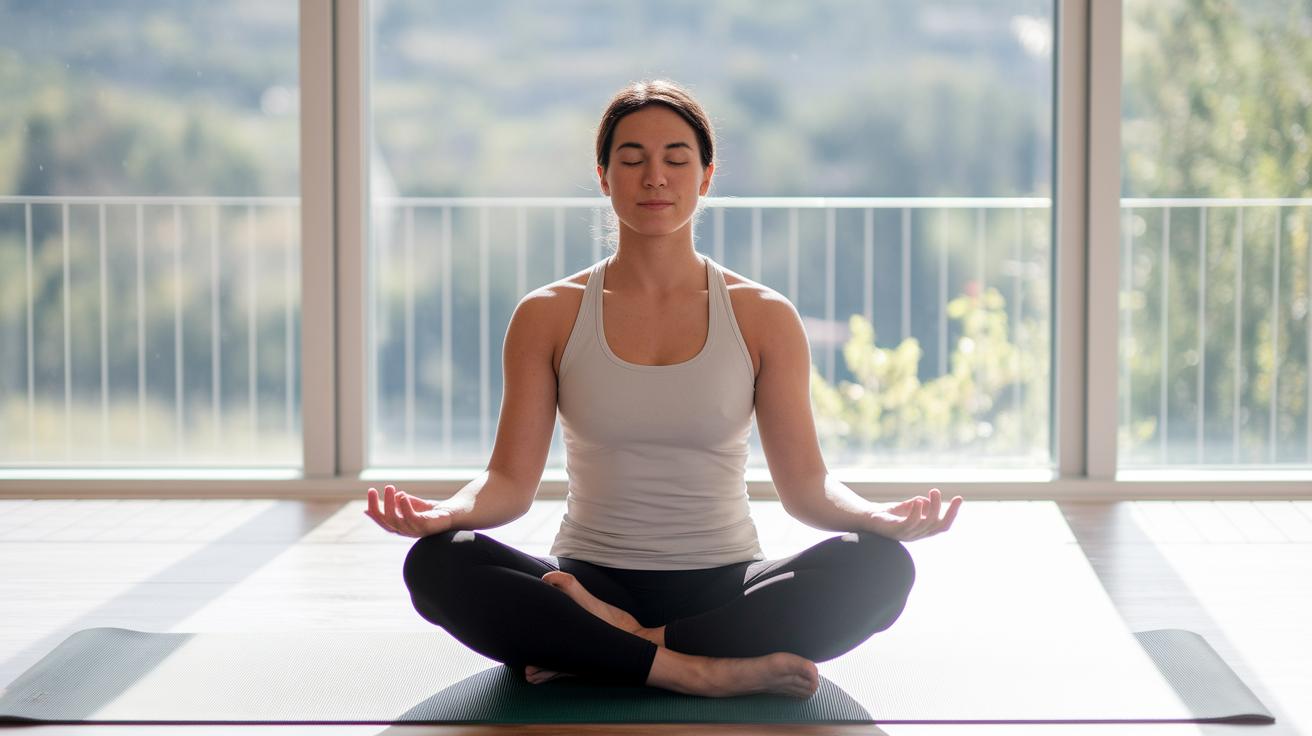
Mindfulness meditation helps you break free from stress by training your mind to stay in the moment. Instead of getting caught up in worries, you focus on your breathing, feelings, and body sensations. When you take a few deep breaths, you give yourself a mini reset that helps ease tension and bring calm. For example, try this simple trick: before a busy day begins, take three slow, deep breaths and notice how time seems to slow down while calm fills your body.
Focusing on your breath also helps slow down your heart and lower stress hormones, such as cortisol (the hormone that increases when you're stressed). By practicing slow, deep inhales and controlled exhales, you let your body know it’s time to relax instead of staying in fight-or-flight mode. Here are a few easy steps to try:
- Notice the natural rhythm of your breath.
- Accept any sensations or feelings without judging them.
- Take a brief pause to let go of tight, heavy thoughts.
Mindfulness is also about accepting what comes up, whether it's a thought or a feeling, and letting it pass like clouds in a blue sky. Instead of reacting right away to stress, you let it drift away, much like ripples fading on a quiet pond. Imagine saying, "I see this tension, and I will let it go," and feel a gentle wave of calm wash over you.
These simple practices not only help reduce stress but also train you to respond to life's challenges with a clear and calm mind. Enjoy the chance to reset and bring more balance into your everyday life.
Essential Mindfulness Meditation Techniques for Stress Management
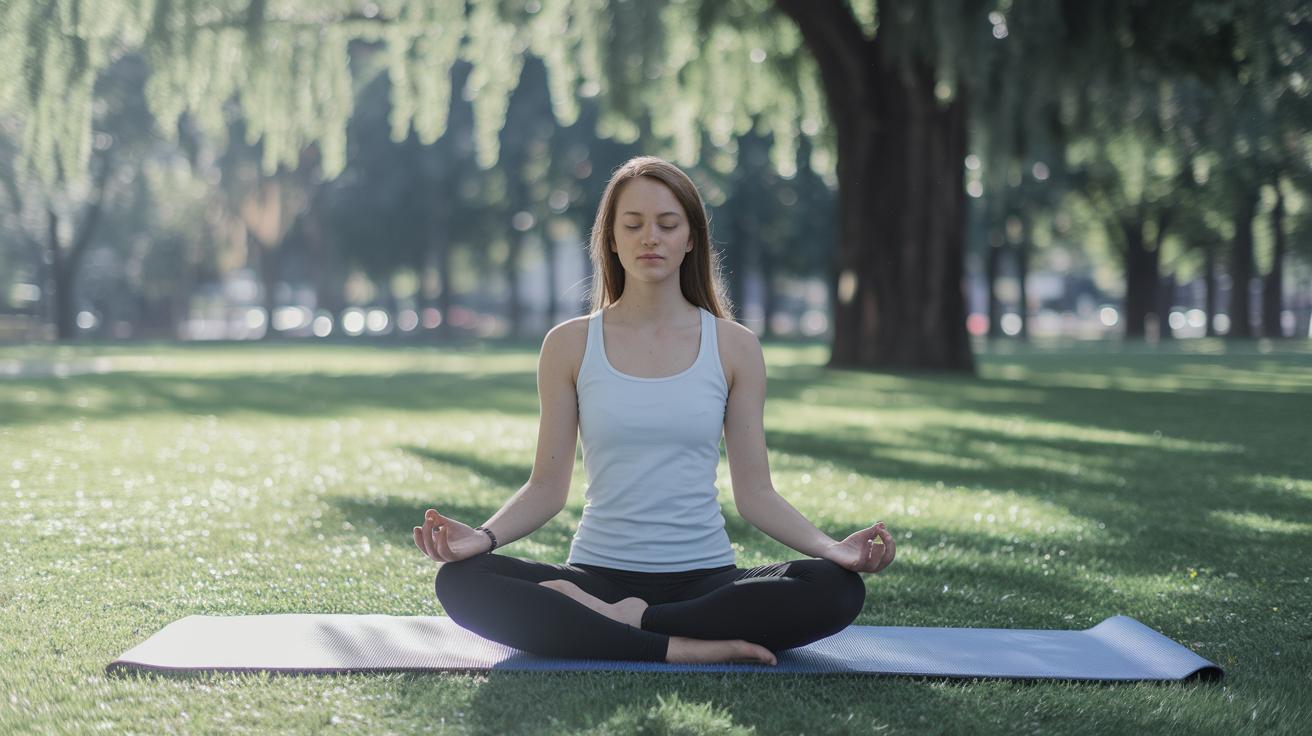
Begin with these six simple meditation practices that help ease stress and invite calm. First, try mindfulness meditation. In this method, you focus on your breath and let your thoughts pass by like clouds floating in a clear sky. If silence feels too heavy, give music meditation a try, let soft tunes calm your mind. With body scan meditation, slowly shift your attention from your head down to your toes, noticing every sensation along the way. Mantra meditation works by repeating a gentle word or phrase, almost like a lullaby for your thoughts. For those who love a little movement, walking meditation turns each step into a mindful practice. And finally, loving-kindness meditation has you quietly repeat kind words to yourself, offering gentle self-comfort.
Now, here are five breathing techniques to add to your routine:
- Mindfulness of breath: Simply notice each inhale and exhale, letting them guide you toward calm.
- 4-7-8 breathing: Inhale for 4 counts, hold for 7 counts, and exhale for 8 counts to slow down a racing mind.
- Box breathing: Breathe in for 4 counts, hold for 4, breathe out for 4, and pause for 4 counts to create a steady rhythm.
- Diaphragmatic breathing: Focus on deep belly breaths, feeling your stomach rise and fall gently.
- Alternate-nostril breathing: Close one nostril at a time to balance the air you breathe.
Next, follow these step-by-step practices:
These calming methods provide an easy guide to easing tension. Try them out, mix and match, and see which ones help you feel more centered and relaxed. Enjoy the journey to a clearer, more peaceful mind!
Building a Daily Mindfulness Meditation Routine for Stress Management
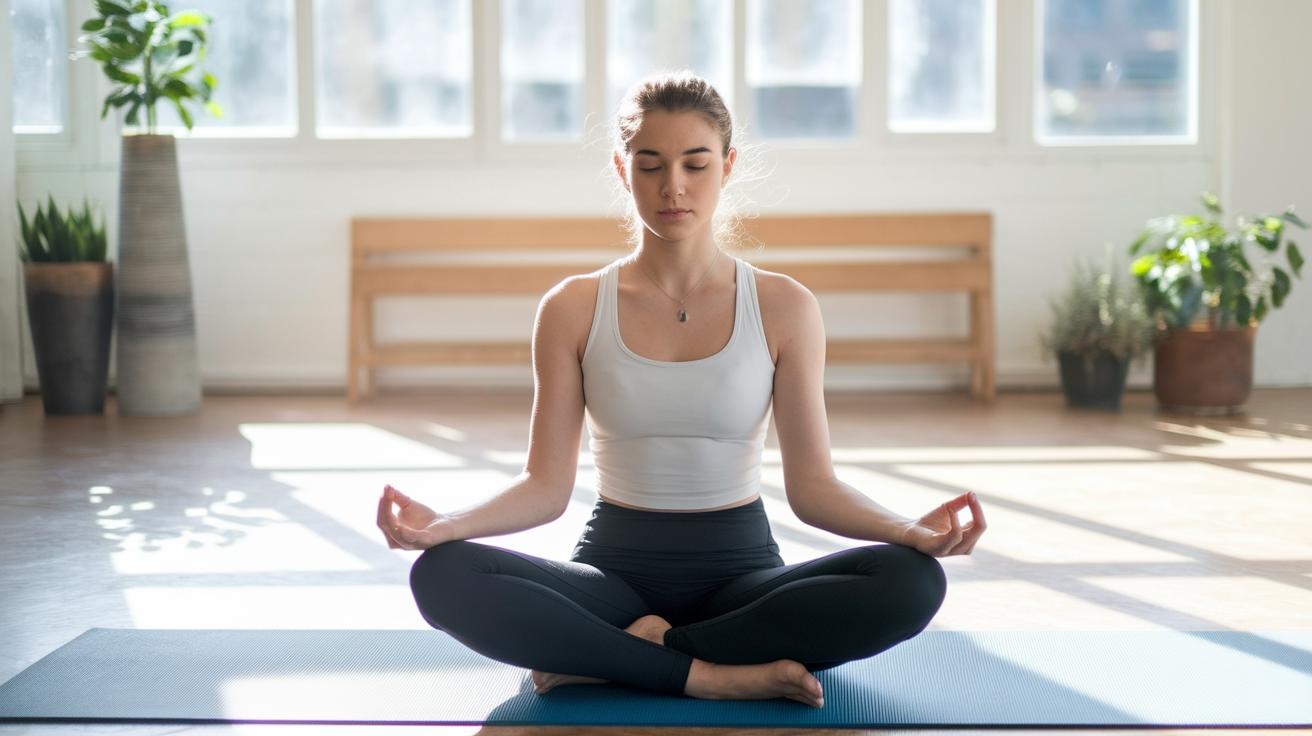
Begin your morning with a few quiet moments. Even just two minutes of deep breathing can help set a calm tone for your day. This mini reset lets your body let go of stress and helps you focus better. Sit comfortably and take slow, mindful breaths for a couple of minutes. As you grow more relaxed, try to increase this time until you’re meditating for 20 minutes or more. Imagine waking up and taking two deep breaths, almost like noticing the soft beat of your heart.
Then, add little mindful breaks throughout your day. When you finish a task at work, pause for a minute to simply breathe and watch your thoughts drift by. You might even combine this with a light stretch, like a mini yoga move, to gently relax both your body and mind. Many people even find that a few minutes of mindfulness before bed can help soothe a busy mind, making it easier to sleep. Try setting aside a few calm minutes each evening just for yourself. Experiment with these small changes and notice how they steadily boost your overall calmness and clarity.
Scientific Evidence Supporting Mindfulness Meditation for Stress Management
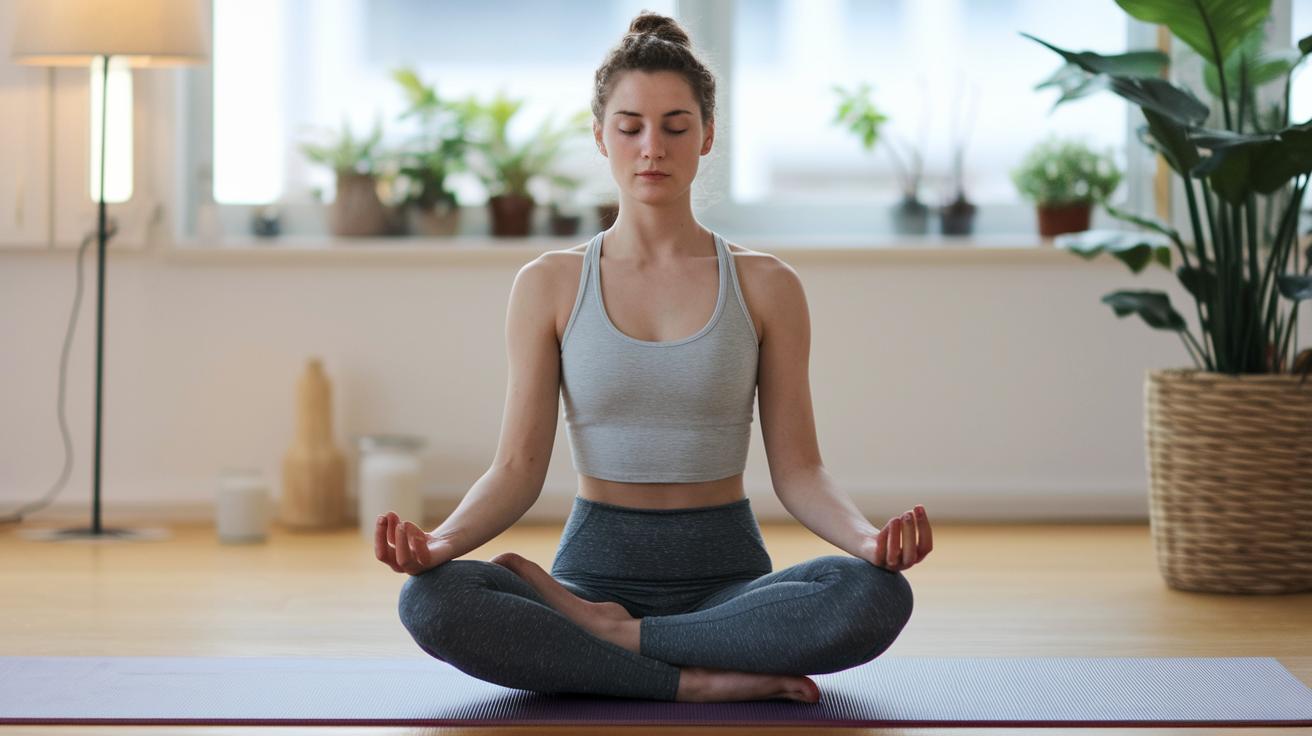
Research shows that taking a few minutes for mindfulness meditation can really help ease stress over time. Friendly studies from the University of Massachusetts Medical School and the University of Oxford found that simple practices, like a guided body scan, can lower stress and help build mental strength. In one study, 47 young adults took part in an eight-week program. They practiced a 20-minute body scan every day. Soon, they noticed they felt less stressed, slept better, felt less down, and had less tiredness. Their brain activity also changed to better handle emotions, showing that these calming techniques help the mind relax.
| Aspect | Observation |
|---|---|
| Practice Length | 20-minute daily body scan |
| Study Duration | 8 weeks |
| Outcomes | Less stress, improved sleep, lower depression scores, and less fatigue |
These results show that regular guided sessions and gentle relaxations can be a simple way to ease stress for the long haul.
Overcoming Common Challenges in Mindfulness Meditation for Stress Management
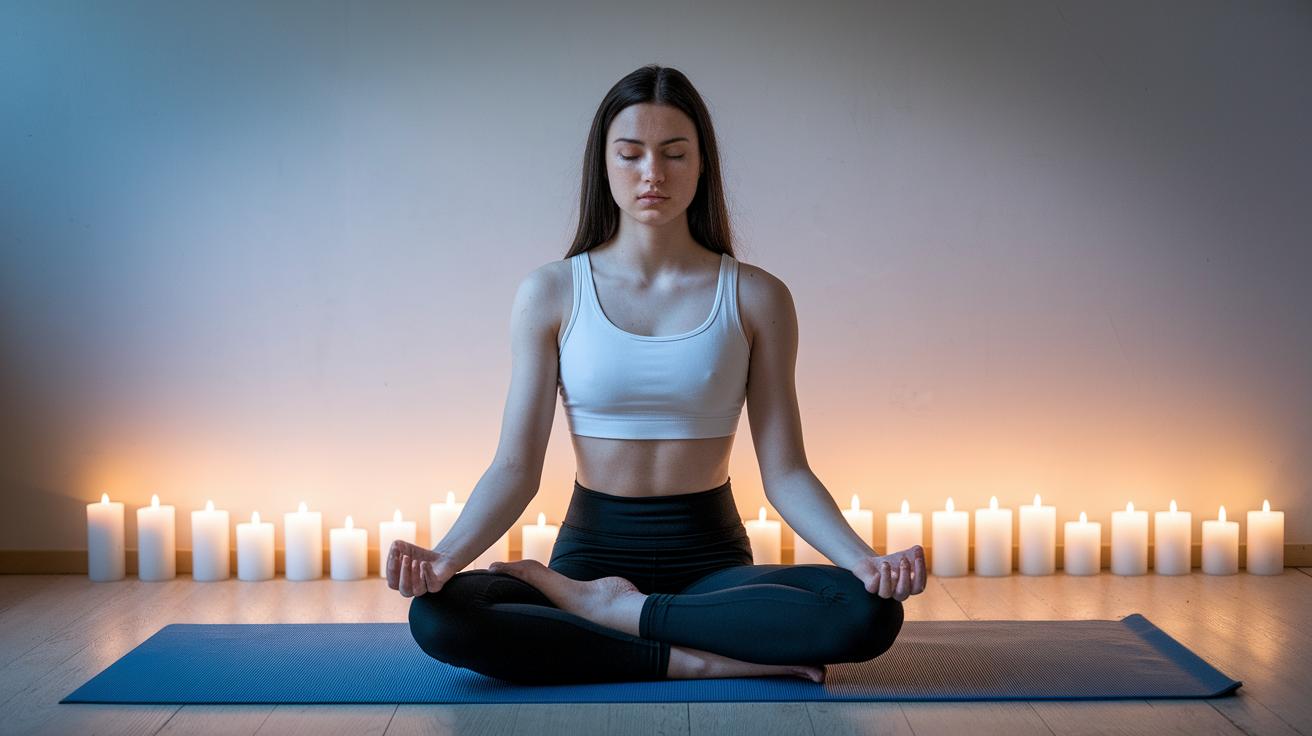
Many people starting meditation find that a busy mind, a packed schedule, or an awkward silence can leave them feeling more stressed than relaxed. It happens quite often, maybe you've sat down to enjoy a moment of calm, only to have your thoughts bounce all around. This is normal, and there are simple ways to make it easier.
If the idea of complete silence makes you uneasy, try adding some gentle music. Soft, instrumental tunes can make the quiet feel less empty and help ease your anxiety. You might say, "I put on soft music and suddenly the silence didn't seem so harsh." Using music can be a great bridge until you feel ready for complete quiet.
Starting with just a few minutes of meditation can also help. Short sessions build up your confidence without feeling overwhelming. Here are a few easy ideas to try:
- Set a small goal by meditating for one or two minutes.
- Use guided sessions or audio cues to keep your attention on the practice.
- If you find your anxiety continues to bother you, consider talking with someone who can help.
- Make sure your meditation guides are up to date.
Taking these steps can help you turn everyday challenges into moments of calm and build a steady, soothing meditation habit.
Guided Mindfulness Meditation Resources for Stress Management
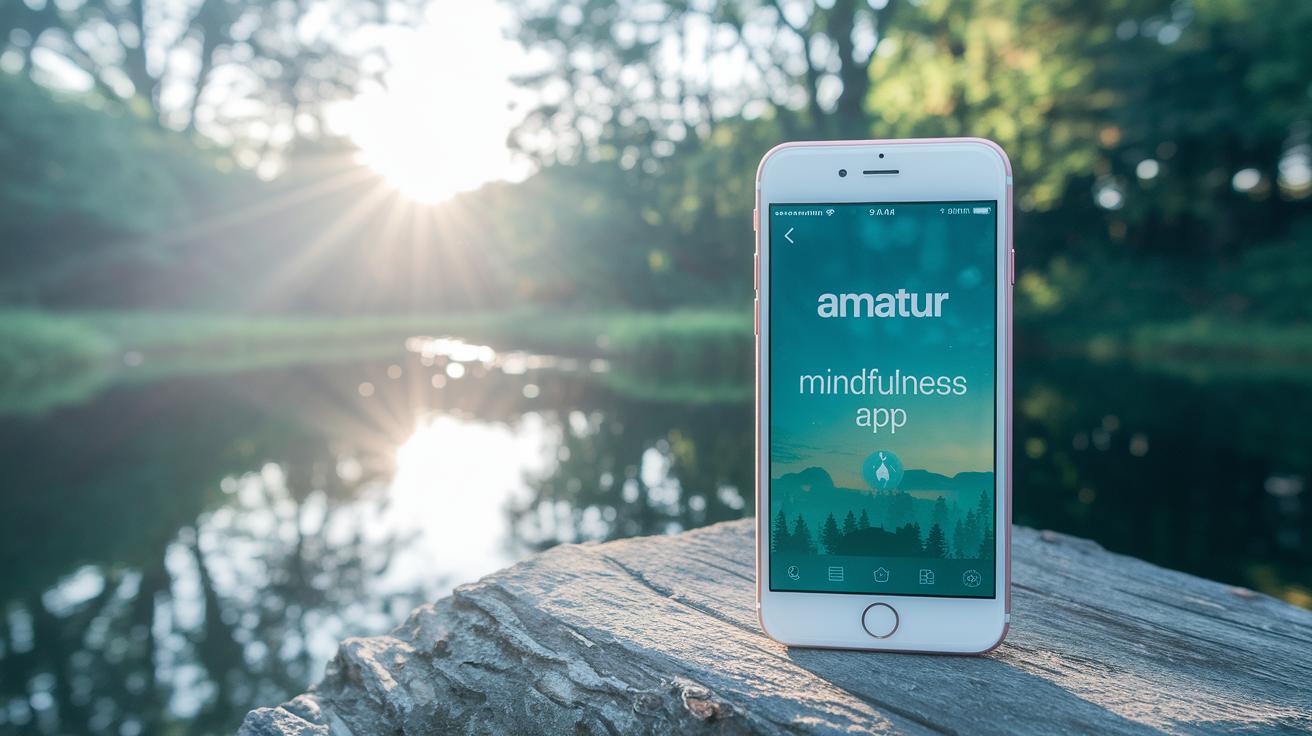
Let's shift our focus to digital tools that can brighten up your mindfulness practice. Have you thought about trying apps or websites that offer guided sessions based on your wearable data and user reviews? It’s like having a friendly tip on which session might suit your mood best.
For instance, picture a digital platform that lets you choose from different formats such as audio, video, or even immersive soundscapes (background sounds that help you relax). These sessions are tailored to your activity level and screen choice.
You can try digital resources like these:
- Apps that offer personalized audio-guided sessions to match your stress level.
- Websites featuring a wide range of audio guides with user ratings to help you pick the right guide.
- Platforms that mix natural sounds like water and wind with modern design for a calm, tailored experience.
| Digital Resource | Format | Distinct Feature |
|---|---|---|
| CalmSpace | Audio-guided sessions | Interactive session selection using wearable data |
| BreatheEase | Digital audio guides | User reviews and customizable practice lengths |
| NatureMoods | Curated soundscapes | Immersive interface blending natural sounds |
Have fun exploring these digital tools. They bring a modern, friendly touch to your meditation practice and can make managing stress feel a bit easier.
Final Words
In the action, this piece broke down simple ways to ease tension through mindfulness meditation for stress management. It walked through easy breathing techniques, daily routines, and scientific backing that shows just how our bodies respond when we slow down. Each section gave practical tips to pause, breathe, and let go of stress. Taking small, steady steps can make your day feel lighter and brighter. Enjoy the steady reminder to care for your mind and body every day.
FAQ
What is mindfulness meditation for beginners?
Mindfulness meditation for beginners means starting with short, guided practices to observe thoughts and feelings without judgment. Focusing on your breath helps set a calm tone and reduce stress.
What are the benefits of mindfulness meditation?
Mindfulness meditation benefits include lowering stress by promoting present-moment awareness, reducing heart rate, and easing tension. It can also improve sleep quality and boost mental clarity.
How do you practice mindfulness meditation to reduce stress?
Practicing mindfulness meditation involves focusing on your breath and noticing thoughts as they pass by. This simple practice helps calm the mind and ease stress naturally.
What does research say about how mindfulness meditation reduces stress?
Research shows that mindfulness meditation activates the body’s relaxation response by slowing breathing and heart rate while cutting down stress hormones like cortisol, which ultimately reduces overall stress.
What is Mindfulness-Based Stress Reduction (MBSR)?
Mindfulness-Based Stress Reduction is a structured program that uses meditation, gentle yoga, and body scans. It teaches practical techniques to manage daily pressures and bring more calm into life.
How does meditation relieve stress and anxiety?
Meditation relieves stress and anxiety by shifting focus to the present, quieting racing thoughts, and helping the body relax. This practice creates a sense of well-being and mental balance.
How do the A’s of stress management guide coping skills?
The A’s of stress management highlight steps like acknowledging stress, accepting your emotions, and taking mindful actions to calm down. Different models may list four or five steps, but all aim to support clearer, more relaxed thinking.