Have you ever noticed that planning your meals can brighten your week? When you decide on your menu ahead of time, healthy eating feels so much simpler. You get to choose dishes that are both good for you and easy on your mind. Imagine knowing what to cook even on those extra busy days, enjoying delicious meals while saving both time and money. With these three easy tips, you can make your everyday meals nutritious and fun.
3 Healthy Meal Planning Tips for Nutrition

Planning your meals ahead of time makes eating well feel effortless. When you set out your week's meals in advance, you balance your diet, cut down on last-minute stress, and even save money by reducing food waste. It’s a gentle way to enjoy healthy choices without feeling locked into a strict plan.
Tip 1: Draft Your Weekly Menu
Start by jotting down a weekly menu that fits both your schedule and your tastes. Think about enjoying a warm minestrone soup with sourdough bread on a cozy Sunday afternoon. This simple step sets a clear direction for your week and helps you skip those rushed, less nutritious choices.
Tip 2: Pick Recipes Ahead of Time
Choose your recipes before the week kicks off. Mix things up with low-carb dishes, one-pot meals, or seasonal recipes that feel just right for the moment. For example, use leftover roast chicken, rice, and frozen veggies to whip up a quick fried rice, or add leftover yogurt as a sweet topping on baked oatmeal. This way, you build a balanced plan that offers both variety and nutritious goodness.
Tip 3: Build a Consolidated Grocery List
Once you’ve planned your meals, compile one easy-to-follow grocery list. This keeps multiple store trips and unexpected buys at bay. Whether you jot it down on paper or use a handy mobile app, you’ll ensure every needed ingredient is ready before you head out.
These tips help turn meal planning into a fun, practical, and healthful habit that nourishes both your body and your spirit. Enjoy the process and feel good knowing you’ve taken a step toward a balanced lifestyle.
Crafting a Weekly Healthy Meal Planning Blueprint
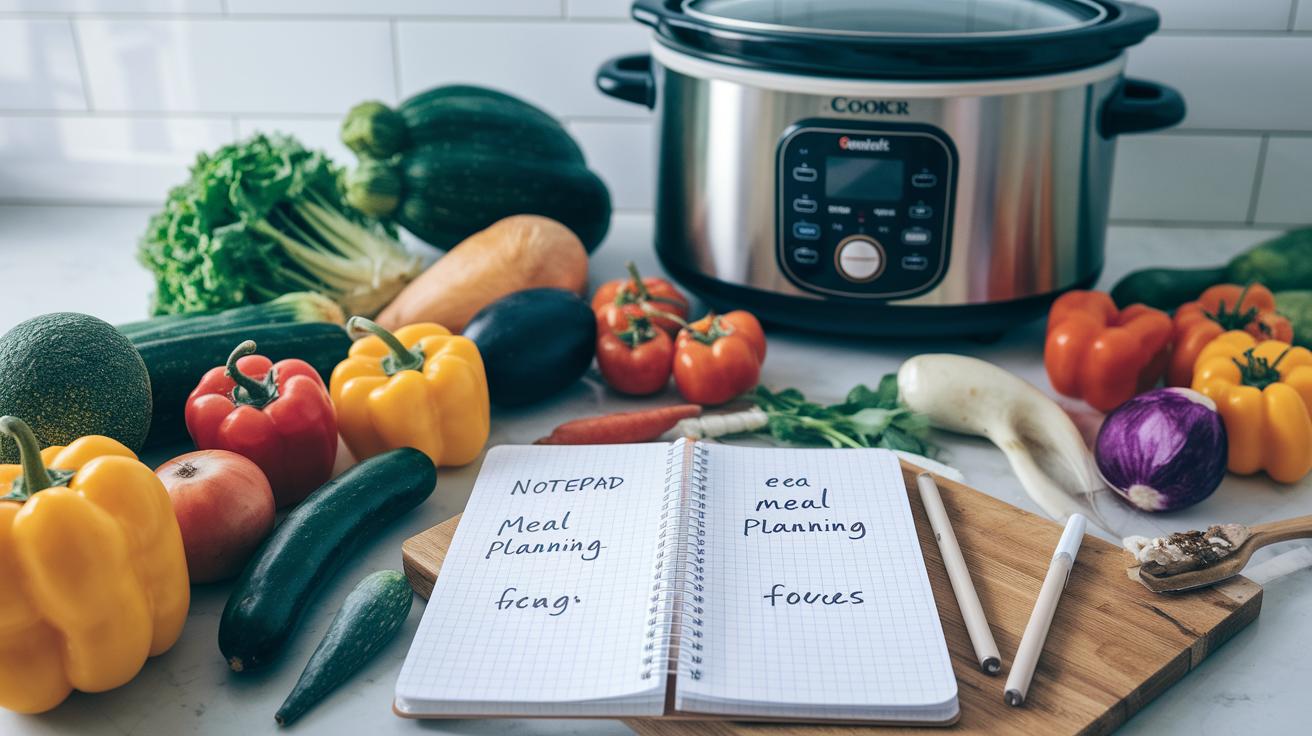
First, grab a notepad and sketch out everyone's busy times and favorite foods. This way, you can tell which days need quick recipes and which days can handle a slow-cooker or air fryer meal. If Monday mornings are a whirlwind, choose a simple, protein-packed dish to get you going.
Next, spice things up with theme nights. Try setting up Meatless Monday or Taco Tuesday. This not only adds variety, it helps you cycle through seasonal, low-carb, vegetarian, or one-pot recipes. Imagine a Tuesday with fresh veggies and lean proteins, it brings fun and balance to your week.
Then, decide exactly which meal goes on which day. Make sure to mix up the flavors and nutrients so every plate feels complete. As you pick each dish, whether it's a cozy slow cooker stew or a crispy air fryer snack, you’ll see that planning ahead really saves both time and money. It’s all about having the right ingredients ready when you need them.
Finally, create one clear grocery list from your weekly menu. This meal prep blueprint standardizes your shopping, keeps food waste low, and makes healthy eating a smooth, enjoyable routine.
Budget-Friendly Healthy Meal Planning Strategies
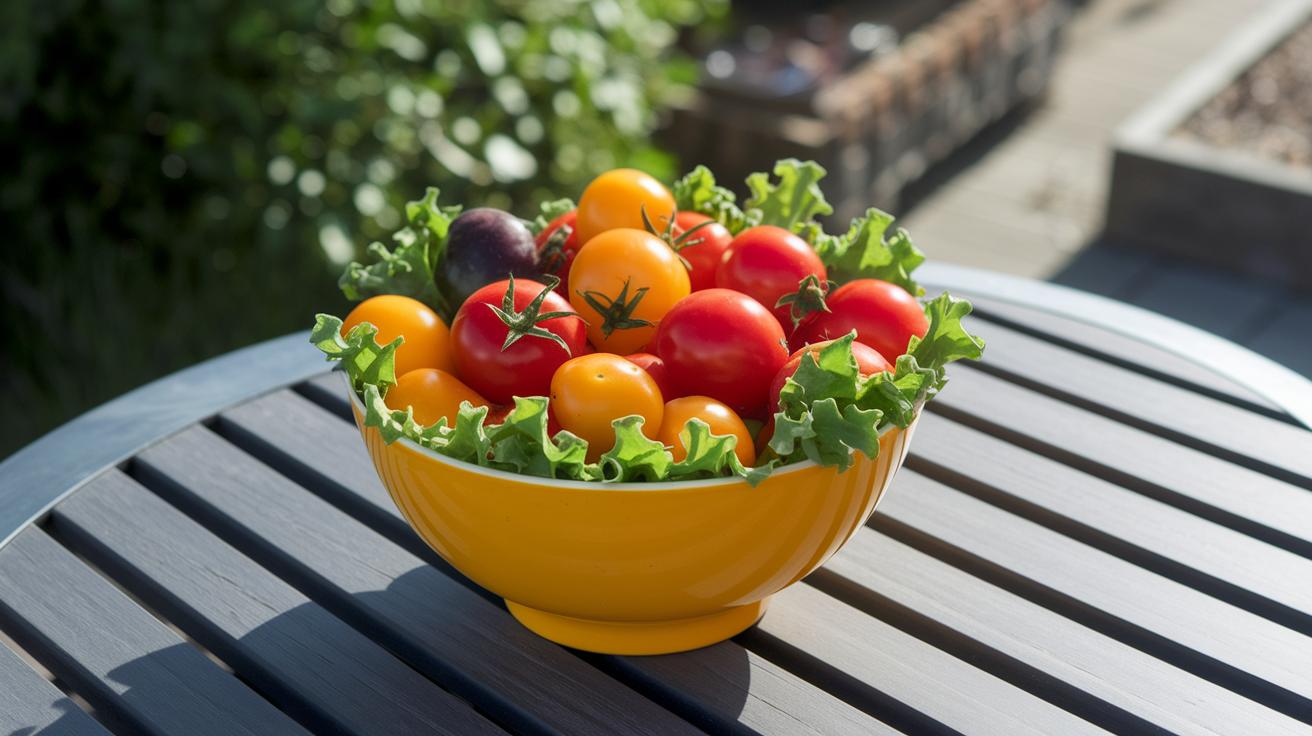
When planning your meals, try using fruits and veggies that are in season and buying bulk staples like rice, beans, and oats. Seasonal produce usually costs less and brings extra flavor, while bulk ingredients can stretch your budget further. Picture a sunny day where fresh tomatoes brighten up a simple salad without breaking the bank.
Before you go shopping, make a clear list of these budget-friendly picks. Write exactly what you need for your recipes so you avoid any surprise expenses at the checkout. It’s like setting out a small roadmap to help you stay on track.
You can also have fun reusing leftovers. For instance, turning leftover roast chicken into a tasty stir-fry with rice and fresh vegetables can be both creative and efficient. This approach not only cuts down on waste but also helps you stick to a healthy, balanced way of eating.
Nutritious Cooking Roadmap: Advanced Culinary Themes for Meal Planning
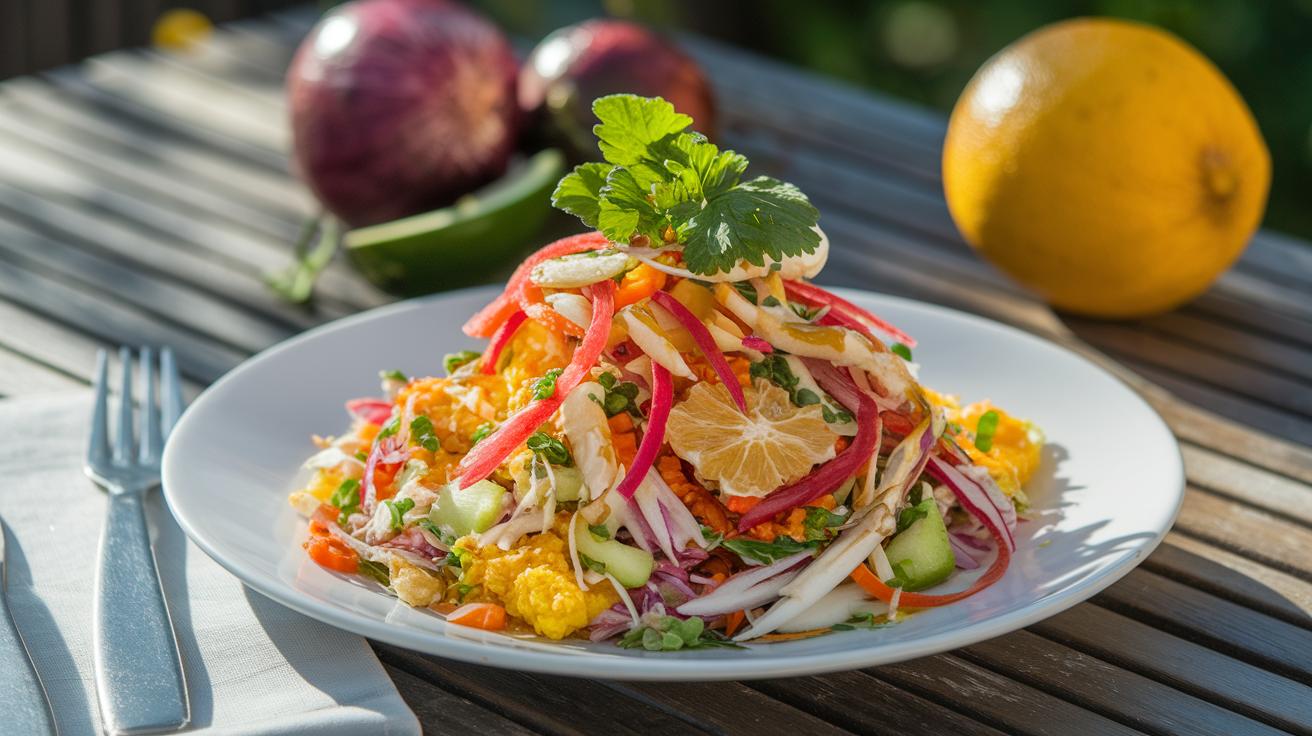
When planning meals, explore the tastes of different regions like the Mediterranean, Asia, or Latin America. Use seasonal produce to create dishes that not only taste great but also give you a balanced mix of proteins, fats, and carbohydrates (the nutrients that give your body energy). For example, imagine making a Thai-inspired salad with crunchy vegetables and a zesty citrus dressing that wakes up your taste buds and keeps your meal balanced.
Try new cooking methods to help your body absorb nutrients better and bring out natural flavors. You might experiment with natural fermentation to add a tangy twist to your sides or marinate lean meats in fresh herbs and citrus to make them even tastier. For instance, marinate lean chicken in a mix of herbs and citrus for at least an hour to create a burst of flavor while keeping your meal healthy.
Portion Control and Macro Dining Optimization in Healthy Meal Planning
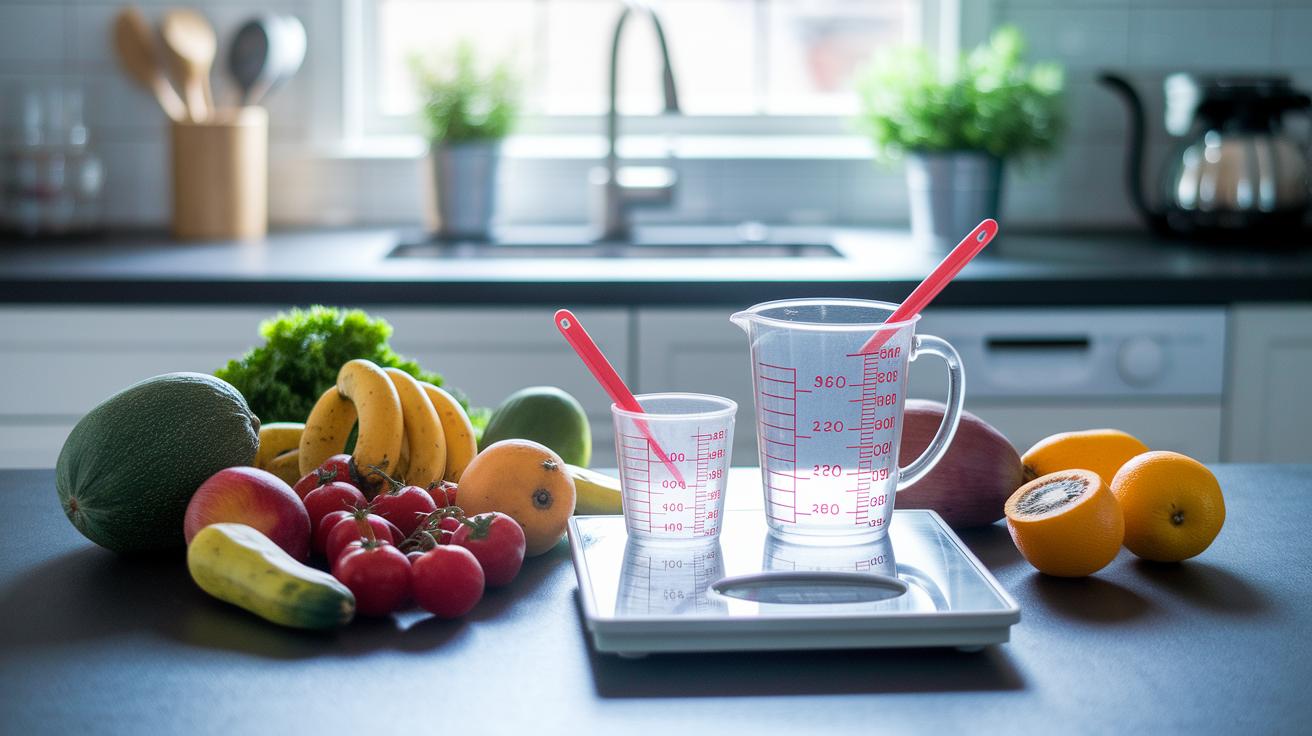
Eating the right mix of foods gives your body steady energy and keeps you feeling full. Macro dining means picking recipes that balance proteins, fats, and carbohydrates (these are the nutrients that power your body). Controlling your portions helps you avoid eating too much while still getting all you need.
Knowing your serving sizes is key to a balanced diet. When you measure out your portions, you can see exactly how many calories you're consuming, super handy if you're keeping an eye on your intake. And sometimes, just listening to your body's hunger signals works great too.
These simple tips will help you enjoy meals that keep your energy high all day. Try them out:
- Use measuring cups and digital scales for accuracy.
- Think of your hand as a guide: a palm for protein and a fist for carbs.
- Pre-portion snacks into one-serving containers.
- Divide dinner plates into half veggies, one-quarter protein, and one-quarter starch.
- Track your daily calories briefly to see if you need to adjust your portions.
Time-Saving Kitchen Scheduling for Healthy Meal Planning

Getting dinner on the table can be easy. Set aside a few hours each week to cook proteins and grains in bulk. This way, you avoid the dinner rush and always have a healthy base ready. Plus, one-pot meals mean less cleaning and faster cooking.
Pre-cut your veggies ahead of time. When it's dinner time, you simply mix everything together for a quick, wholesome meal. Cooking in an air fryer or slow cooker brings out fresh flavors and helps free up your time.
Check out recipe apps for meal ideas that fit your busy schedule. With these simple meal planning tips, you can enjoy a relaxed evening without spending hours in the kitchen.
Customizing Healthy Meal Planning for Family Dining and Dietary Needs

When you plan meals for home, it’s like putting together a menu that’s just right for everyone. One fun idea is to get the whole family involved. Ask your kids to pick a new recipe or share a favorite dish. It makes dinner time more playful and special. Imagine your little ones choosing a bright, veggie-filled pasta salad to add a fresh twist to your meal.
It’s also smart to tweak recipes for allergies or special diets. If someone needs a gluten-free meal, you can swap grains easily. For diabetic-friendly dishes, try lean proteins and healthy fats like those found in fish or nuts. And if you’re avoiding dairy, plant-based alternatives can work wonders. Think of a stir-fry made with gluten-free soy sauce and seasonal veggies as a balanced option everyone can enjoy.
Digital tools can be a big help, too. Many apps let you set up different meal profiles for each person. This way, you can manage everything from vegetarian choices to options for those needing diabetic-friendly meals in one spot. It takes a lot of the guesswork out of planning and lets your family explore new flavors while keeping health in check.
Tracking Progress and Fine-Tuning Your Healthy Meal Planning

Keeping an eye on how your meal plan is working can really help you hit your health goals. Try using a mobile app to log what you eat every day. It’s a simple way to spot patterns and see where you might want to adjust your meals.
Each week, take a minute to check your grocery spending. This helps you stay on track with your plan and avoid spending too much. If you feel a meal isn’t filling you up enough, maybe add more veggies or lean protein next time.
It also helps to listen to your body instead of following strict rules. I once read about a person who lost over 100 pounds after bariatric surgery by tracking meals and tweaking recipes along the way. He kept adjusting portion sizes and ingredients until his meals felt just right for his energy needs.
By checking in regularly, you can fine-tune your plan to support a lifestyle that keeps you feeling good every day.
Integrating Whole Foods and Sustainable Eating into Healthy Meal Planning
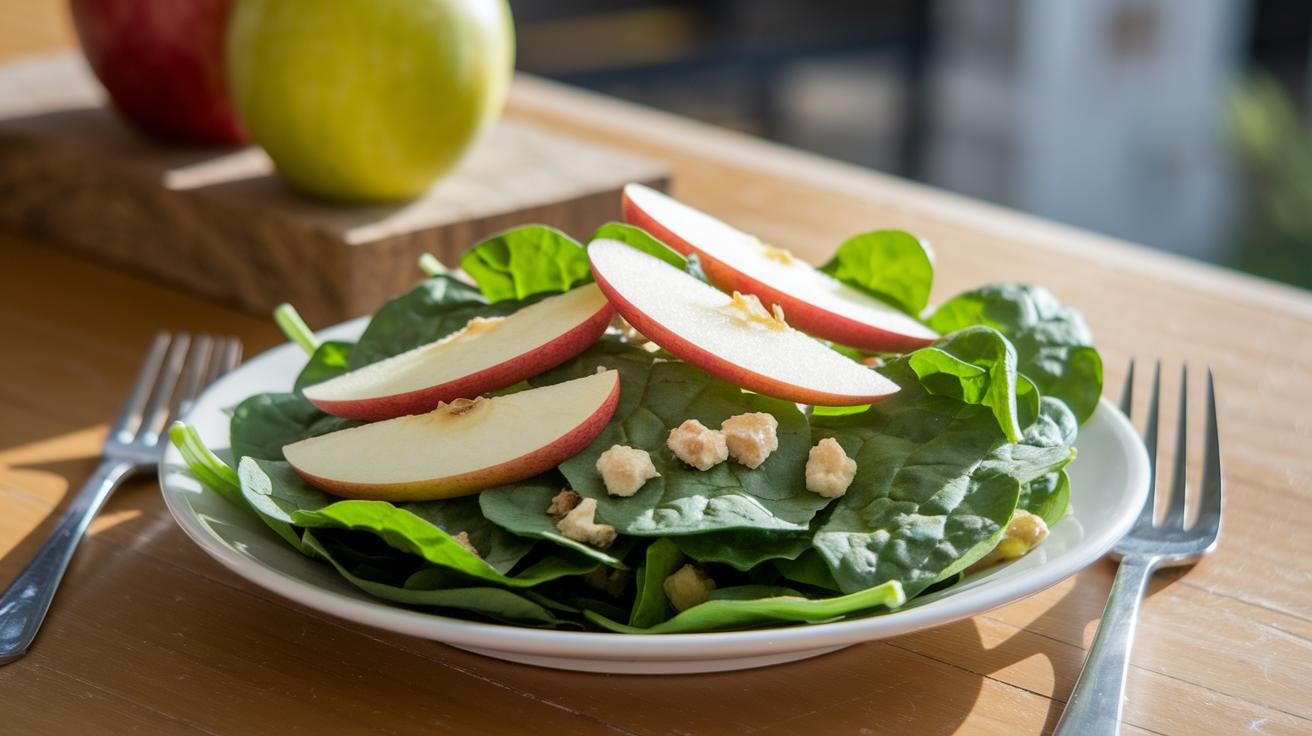
Start by picking foods that are as close to nature as possible. Think about using fresh, local produce, like a crunchy apple at its peak flavor mixed with a handful of organic spinach that adds a burst of vitamins to your salad. It feels good to know you’re choosing ingredients that are both kind to your body and gentle on the earth.
Plan your meals around organic options and simple, sustainable ideas. When you choose fruits and veggies grown close to home and in season, you help support local farmers and take care of our planet too. Try building your menu around what’s available and in season; it’s a great way to save money while being eco-friendly.
Remember, every meal can be a chance to enjoy natural, wholesome goodness. Relish the honest, fresh flavors that only sustainably sourced ingredients can bring to your table, and let each bite remind you that healthy living is both easy and fulfilling.
Final Words
In the action of organizing your week, this guide provided a clear picture for healthy meal planning. We saw how drafting menus, using theme nights, repurposing leftovers, and practicing portion control can make each meal both nutritious and enjoyable.
The tips shared offer practical steps to streamline cooking, balance your grocery budget, and add variety to your plates. Keep experimenting with new recipes and savor the benefits of a balanced and vibrant lifestyle.
FAQ
Frequently Asked Questions
What is a healthy meal planning template or PDF?
A healthy meal planning template or PDF offers a structured form to schedule meals, organize recipes, and list groceries. It makes balancing nutrition simple and helps reduce daily decision-making.
What is a 7-day healthy eating plan and is it free?
A 7-day healthy eating plan outlines daily meals for an entire week, ensuring variety and balanced nutrition. Many options are available free in PDF formats for easy printing and use.
How does healthy meal planning support weight loss?
Healthy meal planning supports weight loss by organizing balanced meals, controlling portions, and reducing the temptation to eat on impulse. It streamlines grocery shopping and minimizes food waste.
What is the healthiest meal routine?
The healthiest meal routine is a balanced schedule that includes a mix of fruits, vegetables, lean proteins, and whole grains. It encourages consistent energy levels and mindful eating throughout the day.
What does the 40/30/30 meal plan indicate?
The 40/30/30 meal plan indicates that meals are divided into 40% carbohydrates, 30% protein, and 30% fat. This ratio aims to maintain energy balance and support overall nutrition.
What does the 80/20 rule food meal plan mean?
The 80/20 rule food meal plan means that you eat nutrient-dense, healthy foods 80% of the time and enjoy less healthy items 20% of the time, promoting balance without strict restrictions.
What defines a 50 25 25 meal plan?
A 50 25 25 meal plan defines a meal breakdown of 50% carbohydrates, 25% protein, and 25% fat, supporting satiety and balanced energy levels throughout the day.