Do you ever feel weighed down by anxiety? Almost 40 million adults in the U.S. struggle with stress each day. Research shows that even a little light exercise or a few mindful breaths (slow, deep inhales and exhales) can ease tension and bring calm quickly.
In this post, we share simple tips to help you feel lighter and more at peace. With a few small changes, you can shift your day and manage anxious thoughts without extra hassle. Ready to explore easy ways to lessen anxiety and stress so you feel more in control today?
Reducing Anxiety and Stress: Feel Lighter Today
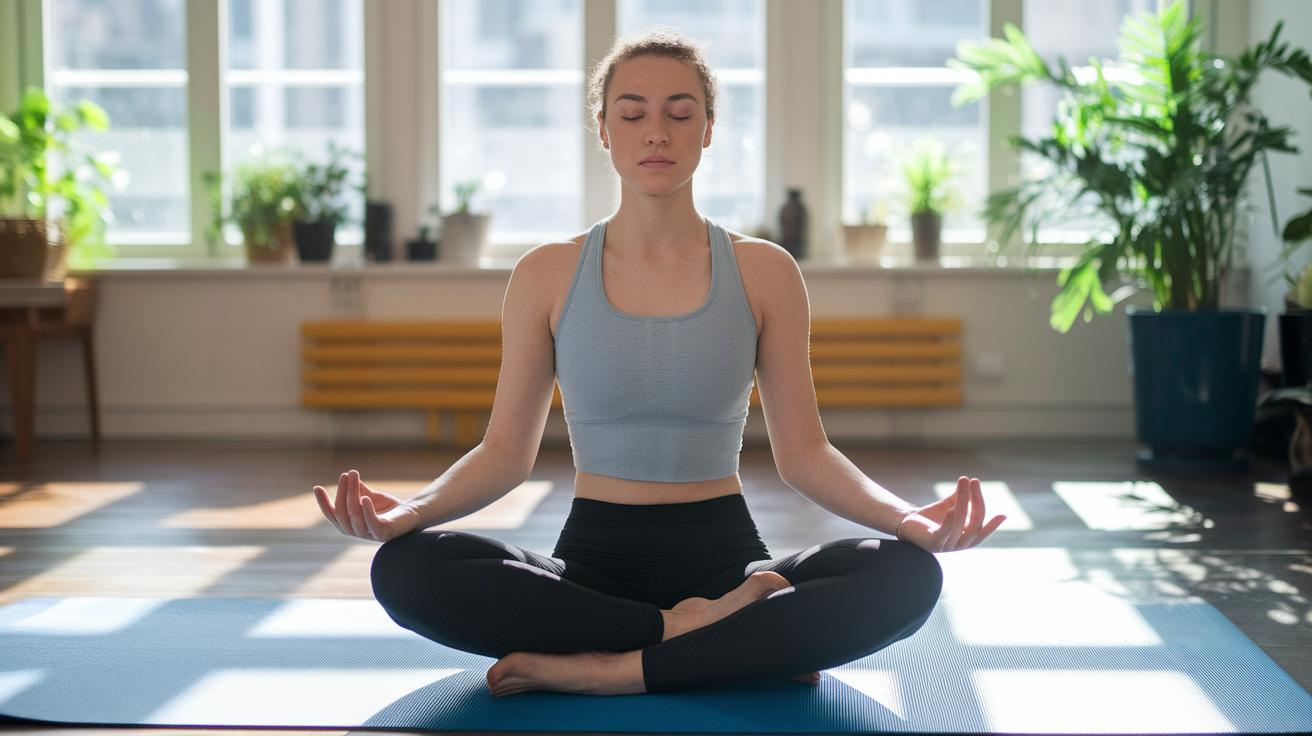
Anxiety affects so many of us. Nearly 40 million adults in the U.S. feel anxious every day. That’s about 18% of the population. It shows that finding quick and simple ways to ease anxiety can really help.
A recent six-week study with 185 students found that even a little aerobic exercise can help lower stress and uncertainty. When you mix movement with mindful practices, you can feel calmer right away and build habits that support you for the long run.
Here are some easy tips to try:
- Diaphragmatic breathing – Take slow, deep breaths, much like enjoying a gentle, cool breeze on a warm day.
- Progressive muscle relaxation – Tighten a group of muscles, then let them relax to ease built-up tension.
- Guided imagery – Picture a safe, peaceful place to help shift your focus from stress.
- Quick stretching breaks – Do a few stretches to loosen up and ease any physical tightness.
- Grounding exercises – Use your senses; for example, notice the comforting feel of your feet on the ground.
- Cold-water face immersion – Splash cool water on your face for a refreshing reset that can calm your mind.
These tips are not just quick fixes, they can lead to regular self-care habits that build your strength over time. Try adding one or two of them into your day, and you might be surprised at how a few simple changes can make you feel lighter and more in control.
Mindfulness Practices for Reducing Anxiety and Stress
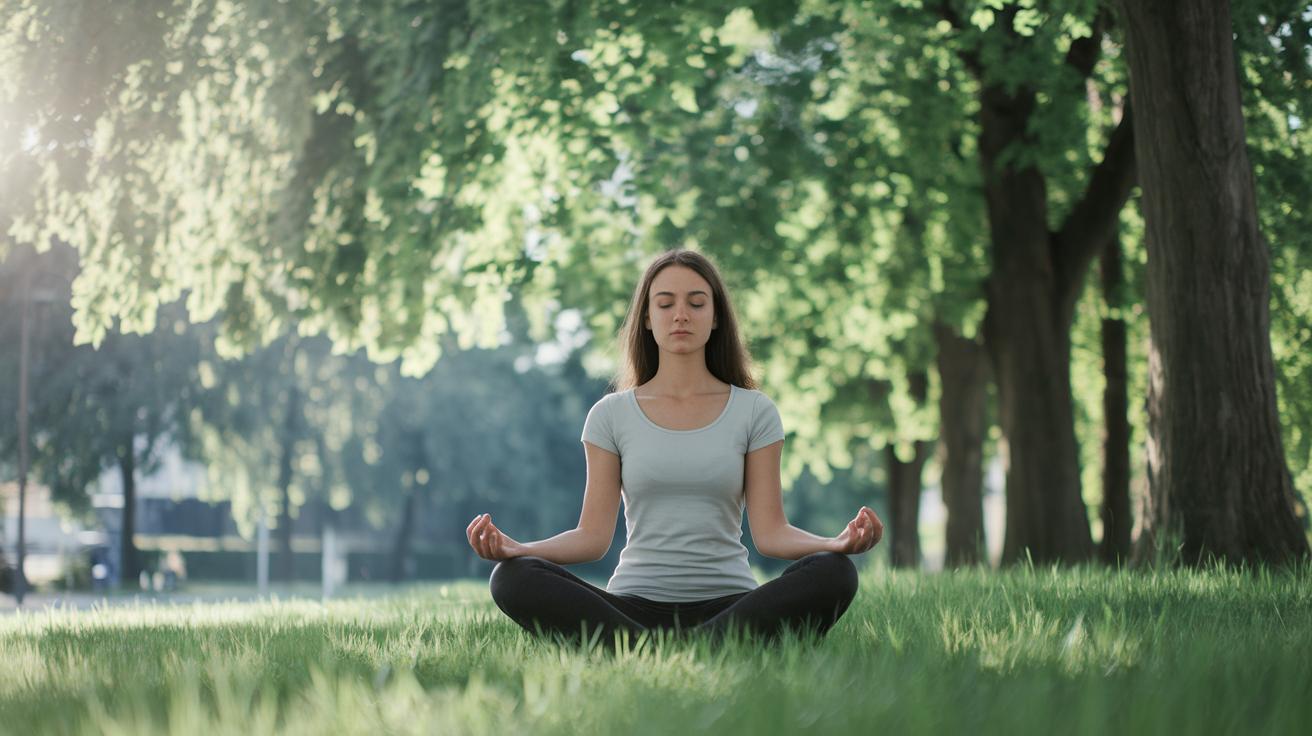
Have you ever tried simply being in the moment? Research tells us that mindfulness can really help lower stress and keep us calm. By slowing down your thoughts through meditation or mindful breathing, you make space for peace. Even a brief escape into nature or enjoying your favorite soft tune can help you stay grounded.
Here are a few easy ways to get started:
- Guided meditation – Sit quietly, close your eyes, and focus on your breath. This helps clear your mind.
- Body scan – Spend a few moments checking in on each part of your body to notice and let go of any tension.
- Mindful walking – Take a slow stroll and feel the rhythm of your steps, noticing the world around you.
- Breath awareness – Simply focus on how your breath flows in and out, bringing you back to the here and now.
- 5-4-3-2-1 grounding – Look around and name five things you see, four you can touch, three you hear, two you smell, and one you taste.
Adding these simple practices into your day can really help ease anxiety. Even just a few minutes of focused mindfulness can make it easier to manage stress and bring more calm into your life.
Exercise Strategies for Reducing Anxiety and Stress
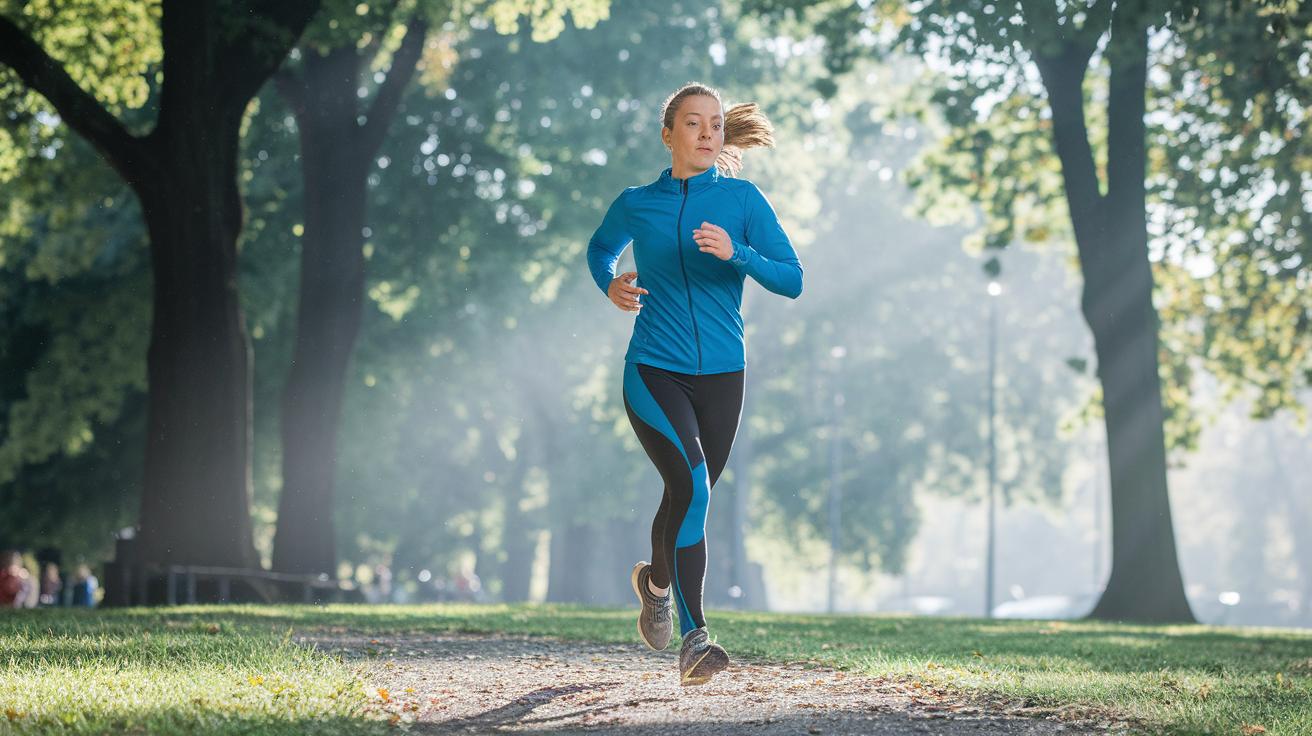
Aerobic exercise is a simple yet powerful way to battle anxiety. Recent research over six weeks showed that just two sessions of aerobic activity each week can ease stress and reduce feelings of uncertainty. Even if you are just starting out, short sessions like a brisk walk or a light jog can noticeably lower your stress levels. If you want a bit of structure, try some of the recommended aerobic routines. You might want to check out these ideas on cardio workouts exercises (https://healthlystats.com?p=1057) to see what suits you best.
Yoga offers a gentle approach that not only boosts your flexibility but also soothes your mind. Regular yoga practice helps you slow down and breathe deeply, which can calm your nervous system. Pairing yoga with quick stretching breaks can ease muscle tightness and help keep stress hormones in check. Whether you are at home or at work, taking a few minutes to stretch can make a big difference in easing physical and mental tension.
Mixing both aerobic moves and mindful stretching into your day brings lasting benefits. Even a few sun salutations or a quick set of stretches can help reset your body and mind during a busy day. These simple practices work together to ease tension, keeping you balanced and better equipped to handle stress over time.
Nutrition Strategies for Reducing Anxiety and Stress

Have you ever noticed how the food you eat can affect your mood? Recent studies in nutritional psychiatry show that what goes on your plate really matters. For example, a 2010 review looked at over 3,000 different foods, herbs, spices, and drinks. It found many high-antioxidant items that might help ease anxiety. Adding these foods, like bright fruits, crisp veggies, and warming spices, to your meals can offer natural support to help you feel calmer.
A more recent review from 2022 pointed out that ultra-processed foods and sugary treats might make you feel more stressed. By switching to whole, natural ingredients, you can avoid extra inflammation and help keep your mood steady. It’s a simple shift that nourishes your body while calming your mind.
These changes in your diet can work nicely with any professional treatments without replacing them. Focusing on anti-stress foods with every meal is a gentle way to naturally ease anxiety. In truth, this mindful approach to eating supports long-term well-being and makes managing stress a bit easier.
Breathing and Relaxation Techniques for Reducing Anxiety and Stress
Paced diaphragmatic breathing can be taken to the next level if you're already comfortable with the basics. Instead of just breathing in and out, try timing your breaths: breathe in slowly for 4 seconds, hold it for 1 second, and then exhale for 6 seconds. Picture drawing in a cool, gentle breeze that fills your belly and then releasing all your worries with a smooth exhale. This simple rhythm can really help settle your thoughts and calm your mind.
With progressive muscle relaxation, you can mix things up by changing how long you hold each muscle tighten and the order in which you relax them. Why not start at your feet and move upward or try the reverse? Taking extra time to hold the contraction before letting go can mean even more relief, as if each muscle is a friendly invitation to unwind. Imagine treating each part of your body as if it were a dear friend, letting go of tension step by step until you feel completely at ease.
Another great idea is to add a guided imagery twist. Think of a spot that brings you comfort or a memory that feels safe, like a quiet corner in your home or a peaceful park on a bright day. Let your mind wander to that special place and notice every little detail, from the soft sound of leaves rustling to the warm glow of sunlight. This mental escape can ground you and deepen your relaxation, making your moments of calm feel even more real.
Natural Remedies for Reducing Anxiety and Stress
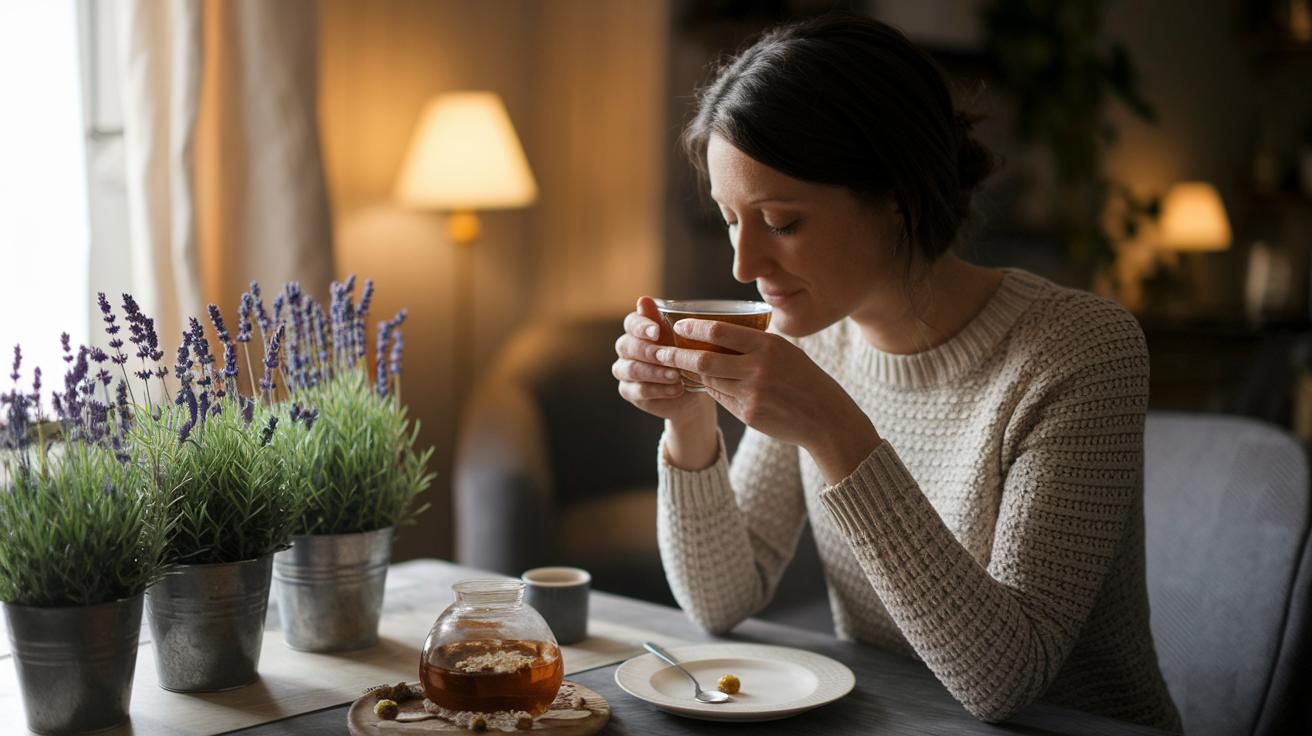
Many people find that simple, natural remedies can ease anxiety and stress. A warm cup of chamomile tea, for example, feels like a gentle hug for your body. Sometimes, people add herbs like ashwagandha, which is known for its mild supportive benefits. It turns your tea time into a comforting ritual, softening everyday tension.
Preliminary studies suggest that some natural approaches might help ease anxious feelings. For instance, breathing in the subtle aroma of lavender oil can relax your mind. Imagine the soft, calming scent creating a peaceful atmosphere when you need a quick break from stress.
Remember, using these remedies with guidance from a healthcare provider and pairing them with healthy habits is key. Make sure to check with your doctor before starting any new herbal treatment or supplement. Adding these natural options to your daily routine can gently support your overall stress management and bring a touch of calm to your day.
Lifestyle Habits for Reducing Anxiety and Stress
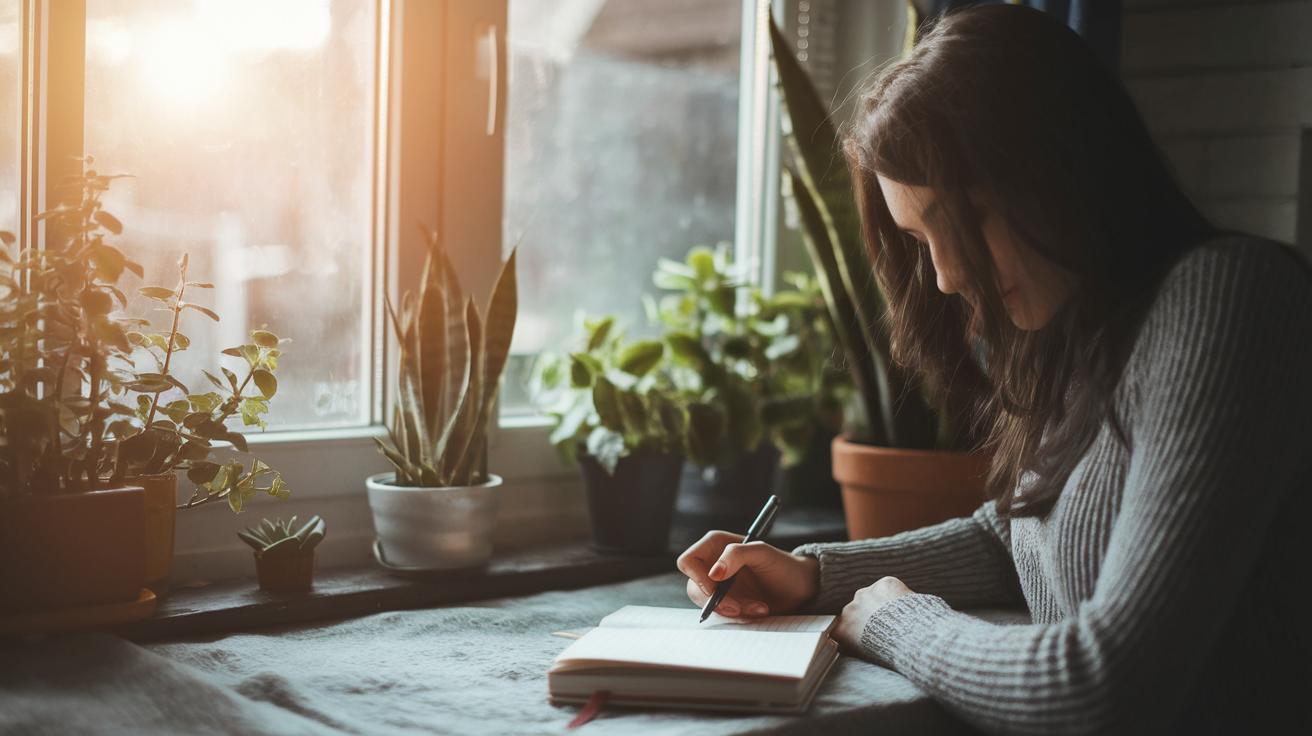
Building small self-care habits every day can really help lower your stress and ease anxiety. Imagine taking a few minutes to call a friend, share a joke, or simply check in with a loved one. It feels good and keeps your worries at bay. Writing in a journal each morning can also clear your thoughts and help you feel more in control.
Taking a break from screens is another simple trick. Even a 10-minute stroll outside or a quiet moment in nature can lift your spirits. A warm hug or playing with your pet can make you feel cared for and calm. It might be nice to add a short walk or a few minutes of quiet reflection during your busy day.
These small changes, when added to your daily routine, build a foundation that helps you handle stress over time. Planning your day in small steps helps stop feeling overwhelmed. And a mindful pause when things get tough can bring you back to balance. Over time, these lifestyle tweaks make every day a bit brighter and easier to enjoy.
Professional Approaches to Reducing Anxiety and Stress
When anxiety lingers for more than two weeks, it might be a good idea to talk to a professional. Therapies like cognitive-behavioral therapy (a way to change negative thinking) and mindfulness-based cognitive therapy (a method to focus on the present moment) have plenty of research that shows they work. They help you spot unhelpful thoughts and gently shift them into better ones.
Chatting with a healthcare provider can help you build a plan that mixes therapy and, if needed, medication. It may also guide you to explore other treatments so you can find what works best for your stress and anxiety.
Adding professional help to your own self-care routine can really balance things out. While regular therapy and medicine are the main pieces of managing stress, new ideas like nutritional psychiatry (using food choices to support mental well-being) are becoming popular too. These tried-and-true methods can give you a solid support system, helping you grow more resilient and feel more at peace.
Final Words
In the action, we explored quick stress relief techniques, mindfulness practices, simple workout moves, nourishing meal ideas, and soothing breathing exercises. Each tip is backed by solid science and real-life insights that help lower tension and lift moods.
We also touched on natural remedies, daily self-care, and when to lean on professional advice. Keep working on reducing anxiety and stress and remember, little steps add up to big changes.
FAQ
How can I relieve stress and anxiety quickly at home?
The method to relieve stress and anxiety quickly at home involves using deep breathing, brief stretching, and mindful pauses. These techniques shift your focus and help your body relax rapidly.
How does one relieve stress specifically for a woman?
The approach for stress relief in women includes self-care routines like warm baths, gentle exercise, and hobbies that bring joy. Custom self-care routines can ease unique pressures.
How can I relieve stress and depression?
The method to relieve stress and depression combines active self-care with techniques such as breathing exercises, brief movement, and mindfulness. Professional guidance becomes important if feelings persist.
What is the 3 3 3 rule for anxiety?
The 3 3 3 rule for anxiety means noticing three things you see, three sounds you hear, and three bodily sensations. This exercise refocuses your mind and calms your nerves.
What is the 5 5 5 rule for anxiety?
The 5 5 5 rule for anxiety prompts you to take five slow breaths, identify five physical sensations, and observe five elements in your surroundings. This sensory exercise boosts calm and focus.
What are five ways to calm down anxiety?
Five ways to calm anxiety include deep breathing, practicing mindfulness, progressive muscle relaxation, engaging in grounding techniques, and taking brief physical activity breaks. Each method helps reduce overwhelming feelings.