Ever wonder if a few small actions could help quiet a racing mind quickly? Many people think you need long sessions or expert help to feel better, but simple steps can ease anxiety in just a few minutes.
Imagine taking a slow, deep breath or gently stretching your arms to let the tension melt away. Sometimes, just sharing your worries out loud or focusing on your senses can help slow your heart rate.
These easy techniques remind you that calm is always nearby, even on your busiest days.
Rapid Anxiety-Reduction Techniques for Instant Relief

When anxiety strikes, try these eight easy tips to help you feel calm again. Start by taking a slow, deep breath that fills your belly. This kind of breathing can calm your heartbeat in just a few seconds.
Next, gently stretch your arms upward. Imagine slowly lifting them high above your head while the tension starts to fade away. It’s a simple way to let go of the tightness in your body.
Then, speak your feelings out loud. Saying something like, "I'm feeling overwhelmed at the moment," can help clear your mind and give you a fresh perspective.
Close your eyes for a moment and picture a peaceful place, like a quiet lakeside retreat at sunset. This guided imagery lets you step away mentally from your worries and feel a bit more at ease.
Sometimes, try switching to another language for a minute. Even a brief change in how you think can really jolt your brain and distract you from anxious thoughts.
Another idea is to put on your favorite upbeat song. Let the music fill you with energy and shift your mood as the catchy rhythm takes over.
You can also try a grounding exercise called the 5-4-3-2-1 method. In this exercise, name five things you see, four you can touch, three you hear, two you smell, and one you taste. It’s a fun way to bring your focus back to the present.
Finally, place your hand gently on your heart. That simple touch can give you immediate comfort and a sense of stability. Together, these quick fixes offer practical ways to ease anxiety whenever you need a little relief.
Mindfulness and Breathing Exercises for Anxiety Ease
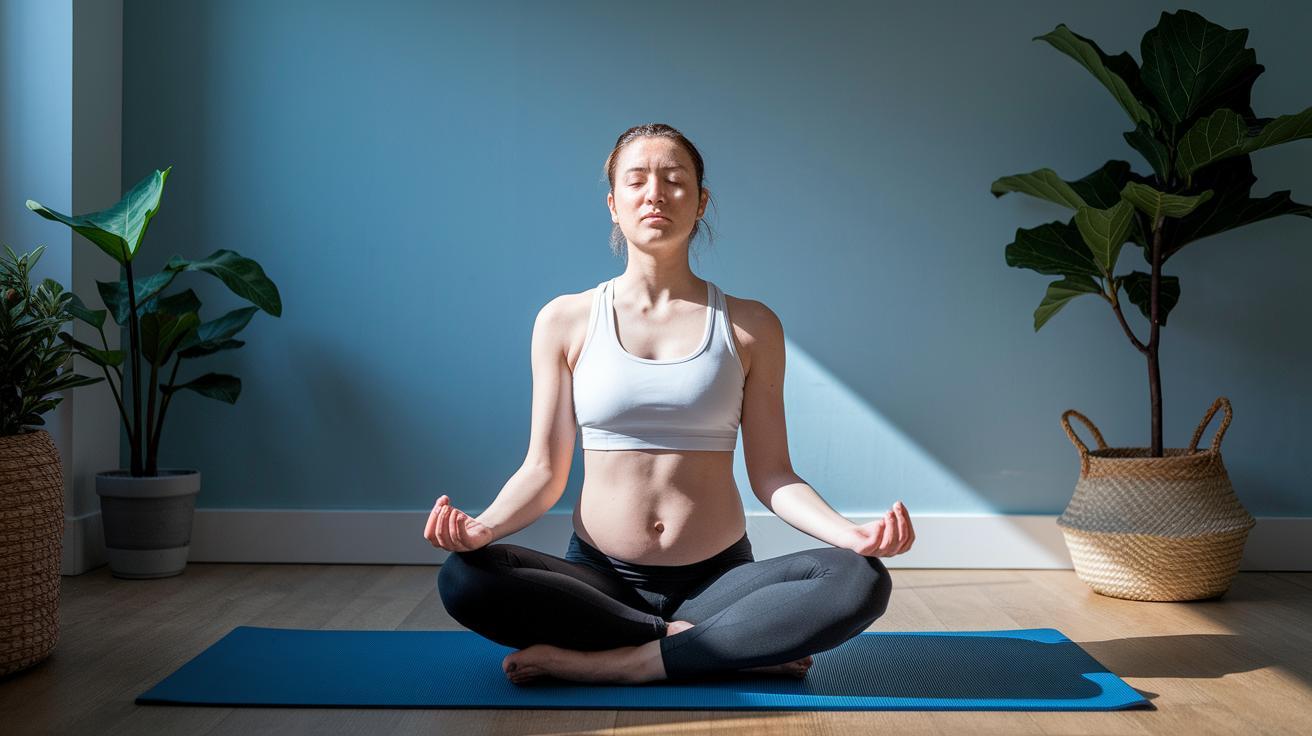
Start with diaphragmatic breathing. Let your belly expand as you inhale slowly through your nose for a count of four, then gently exhale for another count of four. This method slows your heart rate and helps lower stress hormones like cortisol. Picture the calm that follows. It’s a simple, natural way to reset your body.
Next, try progressive muscle relaxation. You focus on eight key muscle groups. Begin with your feet; squeeze them tightly for a few seconds and then completely release. Think of it as unwinding the tight knots of tension in your body, clench, hold, and let go. This practice helps send a clear message to your brain that relaxation is within your reach.
Then, move on to guided imagery. Close your eyes and imagine a safe, comforting place, maybe a sunny park or a quiet beach where gentle waves meet the shore. This visualization shifts your focus away from anxious thoughts and fills you with a sense of security.
Lastly, set aside a few minutes each day for mindfulness meditation. Sit quietly, focus on your breath, or softly repeat a calming phrase. This simple technique encourages you to be present, helping to quiet intrusive thoughts. If you’re curious about more ways to manage unwanted thoughts, you might want to explore mindfulness for intrusive thoughts.
Try practicing these exercises for 5 to 20 minutes daily. Over time, you’ll notice that regular practice builds a solid foundation for emotional balance and helps keep anxiety at bay.
Cognitive Strategies for Managing Worry and Anxiety

When your mind gets tangled in worry, try looking at things a bit differently. Catch yourself when a negative thought pops up and ask, "Is this really the truth?" For instance, if you think, "I always mess up," consider saying, "I've had setbacks, but I've also succeeded." Even top athletes face challenges and bounce back.
One simple technique is the stop-and-review method. When those anxious thoughts rush in, tell yourself "stop." This little pause helps you check if the worry is based on real facts or just assumptions. It's like pressing a reset button for your mind.
Journaling is another great way to manage anxiety. Write down what triggers your worries, and soon you'll notice patterns in your thoughts. Even a quick daily log can help shift your focus from stress to practical solutions.
Here are a few steps to consider:
By using these tools often, you can reshape your inner dialogue. This not only eases worry but also builds a stronger, more positive mindset.
Lifestyle and Holistic Approaches for Sustained Anxiety Reduction

Everyday changes in your routine can really help you feel more at ease over time. Try fitting in some brisk walking, cycling, or swimming for about 30 minutes, three times a week. Imagine strolling in the sunshine at a local park, letting each step wash away your stress and boost your energy.
Yoga is another simple way to bring calm into your day. It mixes gentle stretches with deep breathing so you can feel both flexible and centered. Picture yourself moving slowly through poses, breathing deeply, and noticing how your worries start to fade.
Getting a good night’s sleep is just as important. Restful sleep gives your body a chance to reset while calming your emotions. Stick to a regular bedtime, keep your room cool and dark, and turn off distractions, it’s like recharging your batteries for a fresh, stress-free start tomorrow.
What you eat matters too. Drinking enough water and enjoying foods like salmon, leafy greens, and nuts can help balance your mood. These choices give your brain the right fuel to stay steady, building a strong base for handling stress bit by bit.
Personalized Self-Care Routines to Lower Anxiety Daily

If you're trying to ease your anxiety each day, here are some personal tips that might help. First, try keeping a small notebook or using your phone's note app to log when you feel anxious. For instance, you might jot down, "felt tense before team calls," to help you notice any patterns over time.
Next, consider adding a daily mid-day walk to your routine. Even a short stroll can lift your spirits and give you a clear mind.
Also, set aside about two hours each day for a digital detox. Stepping away from screens can reduce mental clutter and help you feel more relaxed.
- Keep a log of your feelings and triggers
- Take a mid-day walk for a refreshing break
- Enjoy a regular digital detox to clear your mind
Final Words
In the action, we explored rapid tactics and mindful techniques that ease anxious moments, along with cognitive tools to shift negative thoughts. We also looked at lifestyle changes and personalized routines that support steady calm. Each section gave practical, straightforward ideas to build lasting resilience. Embrace these anxiety reduction techniques as part of your everyday wellness habits. Keep experimenting with new strategies and notice how small changes can spark brighter, more balanced moments in your day. Enjoy every step toward a healthier, calmer life.