Have you ever thought that a few small changes could help you feel more balanced? It’s a bit like putting together your favorite meal, when you mix the right ingredients, everything comes together perfectly. Simple habits, like choosing whole foods and taking a moment to relax, can really add up to a healthier life. In this article, we explore how everyday actions join together to support your complete well-being. Stick with us, and discover how a caring, mindful approach can keep every part of you feeling in tune.
Holistic Alternatives: A Comprehensive Overview
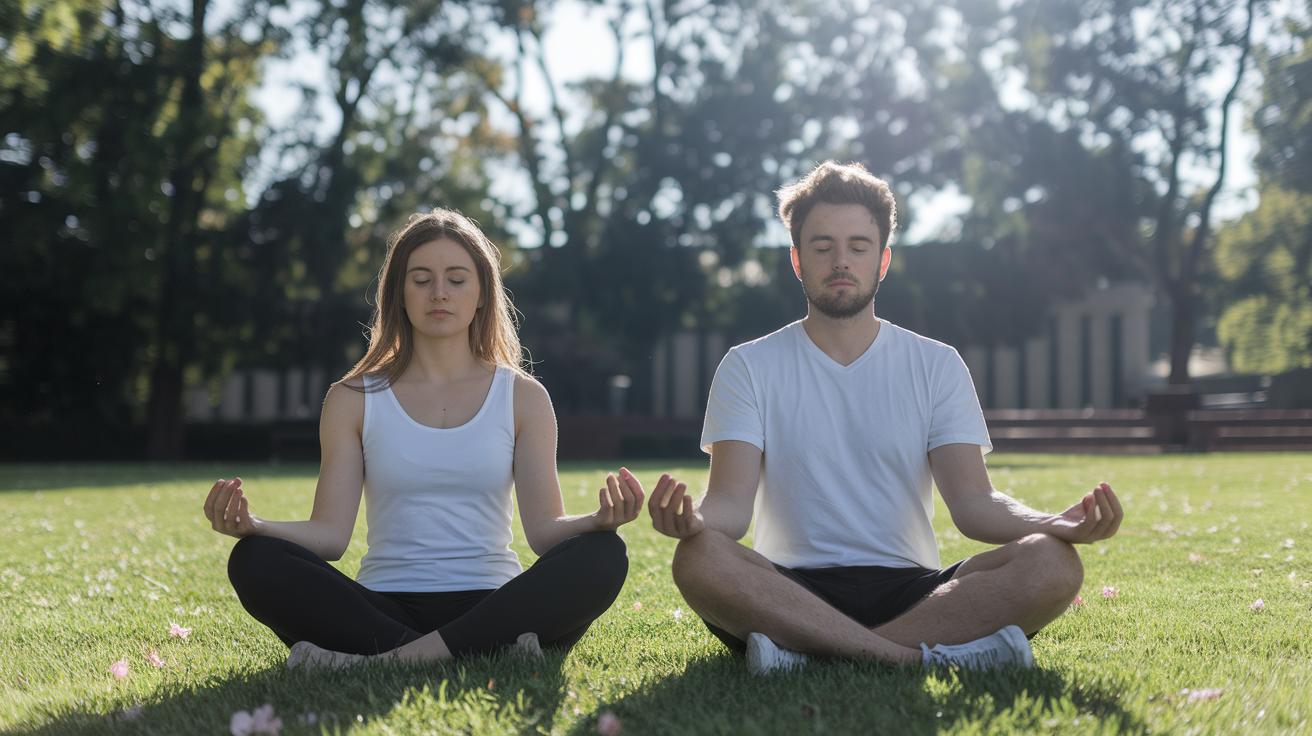
Holistic alternatives care about the whole you. They focus on every part of your life, your body, mind, and social world. Think of it like making a yummy, balanced meal where every ingredient counts. Small choices, like eating whole foods, staying active, and getting a good night's sleep, help keep everything in harmony.
This way of looking at health has roots going back to the 1920s. Researchers first noticed that how you live every day can shape your health. Since then, health experts have mixed everyday habits with proven treatments. Practices like mindful breathing and eating nutritious meals show us that little actions add up to big changes.
At its core, holistic self-care means building routines that nurture your body, mind, and spirit together. A steady sleep schedule, regular physical activity, and moments of calm can all boost your strength and balance. Imagine finishing a healthy meal and then enjoying a peaceful walk in nature. Every step supports your journey toward feeling whole and well.
Holistic Alternatives for Mental Health Support
Many people depend on medications to help with mood and anxiety by working on brain chemicals, but sometimes these treatments come with side effects or even dependency. For example, drugs like Fluoxetine (Prozac), Sertraline (Zoloft), and Citalopram (Celexa) are used to boost serotonin, a chemical in your brain that helps regulate mood. And anti-anxiety drugs like Diazepam (Valium), Alprazolam (Xanax), and Lorazepam (Ativan) can ease anxiety quickly. Yet, it’s worth noting that these treatments aren’t perfect for everyone.
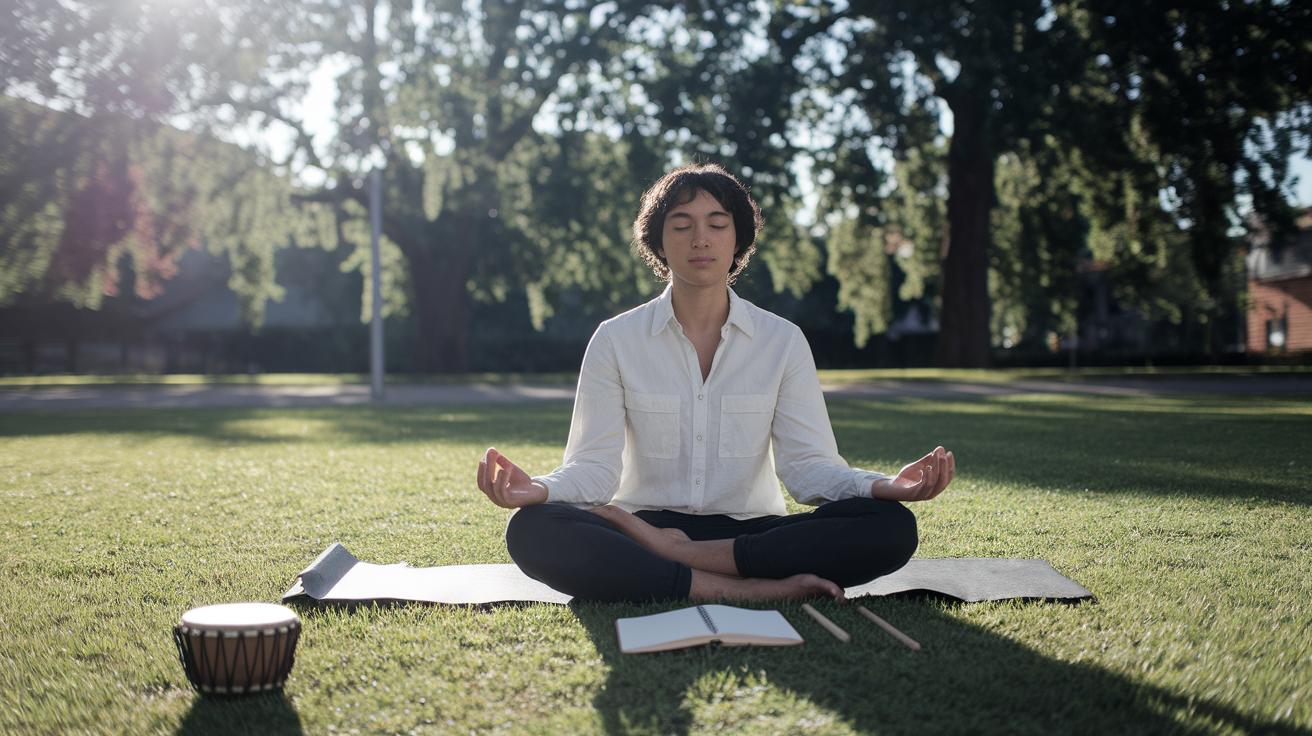
On the flip side, natural mental health support offers a gentler way to balance both body and mind. Imagine the relief after a calm walk in nature or a few minutes of deep, mindful breathing. Simple activities like regular exercise combined with mindful meditation can lift your mood and ease anxiety without many of the risks that come with medications.
Mind-body practices often include creative therapies that let you open up and express feelings. Art therapy, Tai Chi, and music therapy create a space where you can let go of stress and find inner calm. These methods can work well alongside counseling techniques like cognitive behavioral therapy (CBT) and natural supports, such as St. John’s Wort or omega-3 fatty acids (fats that help keep your brain healthy). Many find that mixing these approaches gives them a better set of tools to handle everyday stress and deeper emotional challenges.
- Practice mindfulness meditation for daily stress relief.
- Engage in regular physical activity.
- Use art therapy to express emotions.
- Try Tai Chi for gentle movement.
- Incorporate music therapy sessions.
- Explore cognitive behavioral techniques.
- Consider herbal supplements as recommended.
- Use breathing exercises to calm the mind.
Holistic Alternatives for Stress Relief and Detoxification
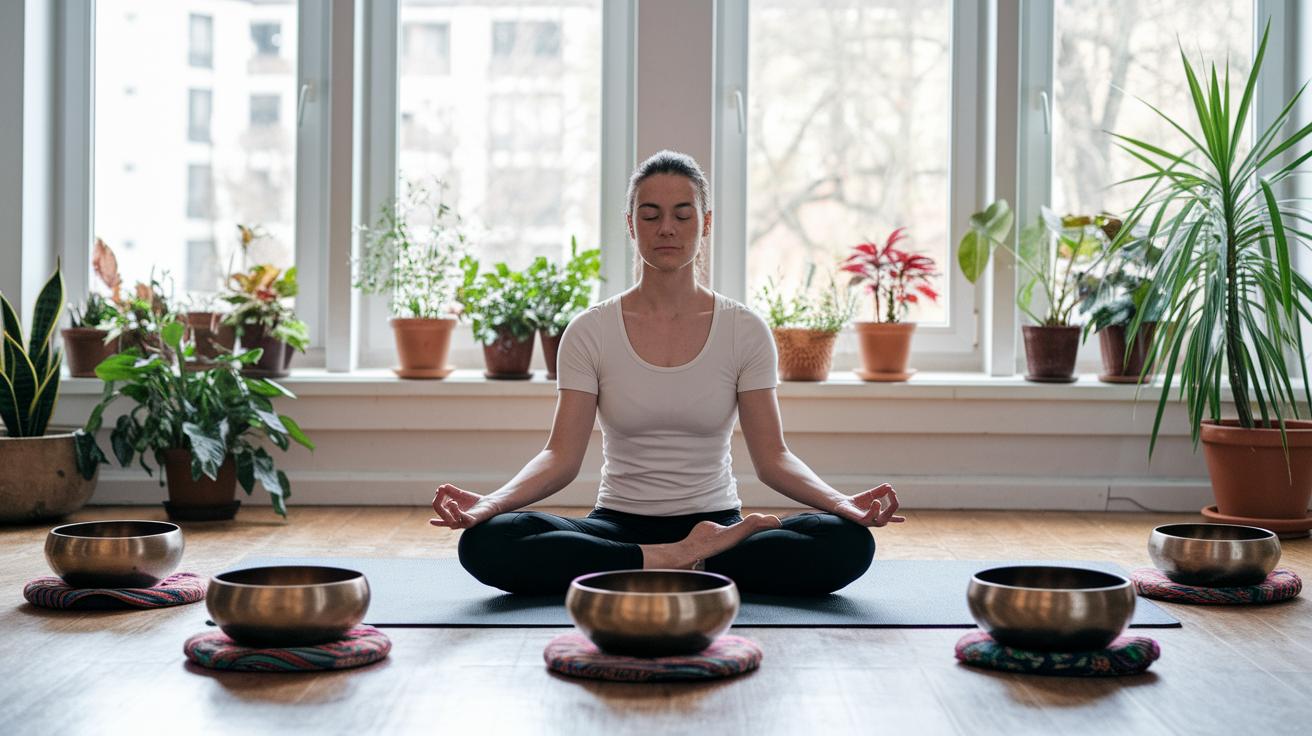
Taking a natural approach to easing stress and cleansing your body can help bring a sense of calm into daily life. Many people mix age-old traditions with modern mindfulness and notice real improvements in how they feel. Imagine sitting in a room filled with the soft tones of singing bowls and gongs, the gentle sounds slowly wash away your tension.
Sound therapy is just one friendly way to help you relax. Many folks also enjoy having healing houseplants like lavender, aloe vera, and peace lilies around. These plants freshen up the air and serve as a lovely reminder of nature's nurturing touch. They make your space feel peaceful, which can really lower stress. And then there’s Hopi ear candling, a calming practice where special candles made from beeswax, honey, and herbs are used to help remove impurities and improve circulation.
Remember, while many have found these techniques useful, the benefits can vary from person to person. It's wise to get advice from a health professional, especially if you're trying something new like ear candling. Experimenting with these holistic methods might just bring a fresh, natural way to keep your mind and body in balance.
Time-Honored Holistic Modalities: Yoga, Crystal Therapy, and Ayurveda
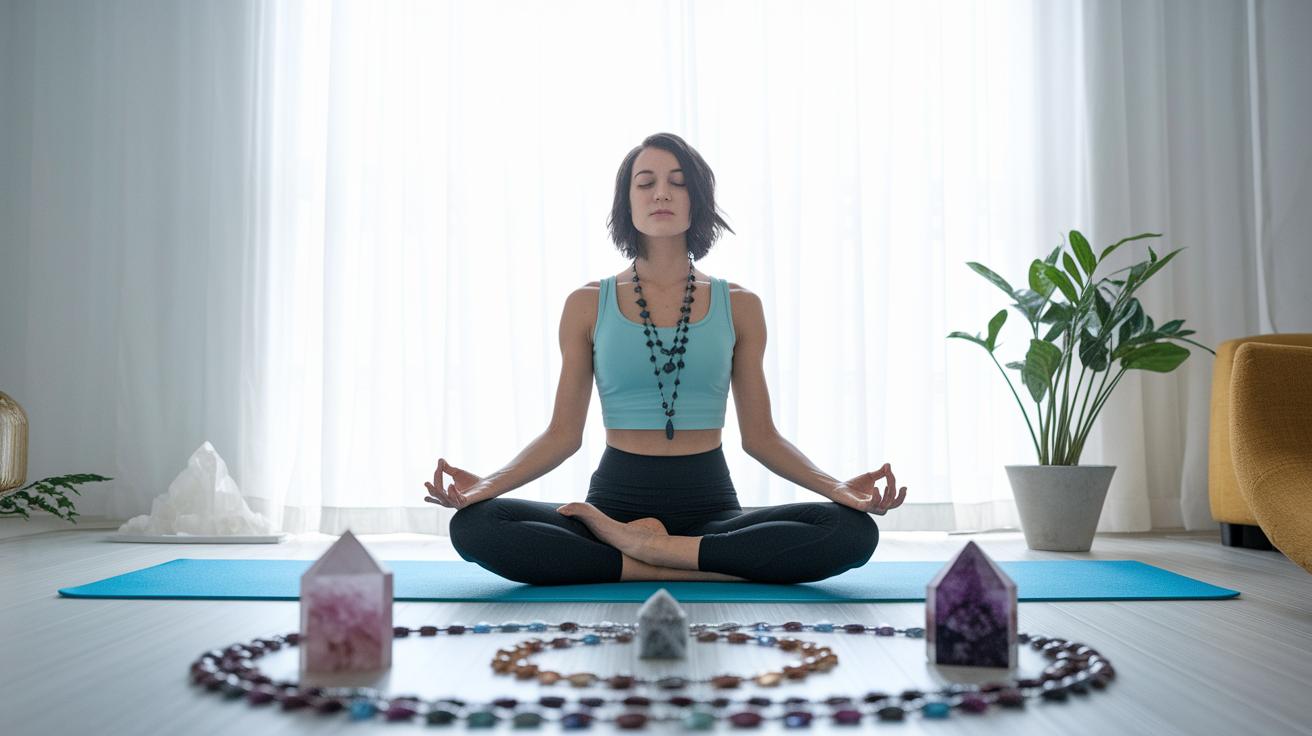
Yoga is a gentle mix of body movements, deep breaths, and quiet moments of meditation that helps you stay aware and flexible. Imagine greeting your day with a nice stretch and a few long inhalations that wake up your senses. This practice strengthens your body and calms your spirit, opening a natural space for balance and good energy.
Energy healing crystals, such as amethyst and rose quartz, offer a natural way to support your emotional well-being. Amethyst is known to help calm you down, while rose quartz gives a warm, friendly touch. Many people place these stones around their space or hold them during meditation, inviting little shifts in their mood and outlook.
Wearing healing jewelry like necklaces, bracelets, or pendants is a wonderful reminder to care for yourself every day. Each piece, made with carefully selected crystals, effortlessly pairs style with good intentions. It's like carrying a small charm of peace with you all day, gently encouraging you to practice self-care.
Ayurvedic medicine comes from ancient Indian traditions and focuses on balancing your unique body and mind through simple, personalized routines. It combines dietary choices, herbal support, and daily habits that nurture both your physical strength and emotional well-being. This age-old practice guides you to live a balanced and vibrant life.
Integrating Holistic Alternatives into Daily Life

Start your day with a plan that values whole foods, regular movement, and a good night's sleep. Picture it like putting together a simple recipe for feeling good: choose fresh foods, enjoy a quick walk or a fun home workout, and carve out time to relax quietly. This everyday routine gently supports both your body and your mind, paving a clear path to a balanced, natural state of health.
Reach out to caring experts who mix proven treatments with a natural way of living. With guidance from trusted wellness centers and practitioners who blend classic methods with holistic tips, you'll find a routine that fits your unique needs. Their advice on healthy eating and extra nutrition creates plans that feel just right, keeping your overall well-being in focus.
Use practical digital tools to track your progress and notice changes in your symptoms. These handy apps help you spot patterns so you can tweak your daily habits along the way. Plus, many wellness centers offer easy-to-follow resources to support you as you fine-tune your routine and explore natural medicine ideas. Keeping track of your wins, no matter how small, makes it easier to adjust your plan and stay connected to a healthier, happier life.
Final Words
In the action of exploring holistic alternatives, we uncovered natural ways to care for both body and mind.
We examined natural mental health support, stress relief and detox methods, and traditional practices like yoga and Ayurveda. Each section shed light on how everyday changes can lift overall well-being.
This article reminds us that combining simple lifestyle choices with expert-backed insights can really boost your health. Embrace these holistic alternatives and feel great about every step you take forward.
FAQ
Q: What are some common examples and types of alternative medicine?
A: Examples include herbal remedies, acupuncture, mind-body practices, and nutritional counseling. These methods offer natural options designed to support overall wellness alongside traditional care.
Q: Why might some doctors be skeptical about alternative medicine, and is there scientific evidence for its use?
A: Some doctors worry about limited research and inconsistent results in alternative medicine. However, growing studies support practices like acupuncture and certain herbal therapies as useful complements to conventional treatments.
Q: Why do patients turn to alternative medicine and what are its benefits?
A: Many patients choose alternative medicine for personalized care with fewer side effects. Benefits include a focus on overall quality of life and improved wellness that supports both body and mind.
Q: What is holistic alternative medicine and how does it differ from other approaches?
A: Holistic alternative medicine treats the entire person—body, mind, and spirit—using practices like yoga, mindfulness, and nutritional changes. This contrasts with methods that focus only on physical symptoms.