Have you ever noticed your mind wandering when you need calm the most? Mindfulness isn’t about emptying your thoughts or pulling off a magic trick. It’s simply about focusing on what’s happening right now.
In this guide, you’ll find easy ways to enjoy everyday moments. Imagine the gentle stretch of a morning walk or the refreshing burst of a cool shower. A little focus can clear your mind and lighten your day.
Ready to see how a new look at mindfulness can change the way you live? Let’s explore together.
Understanding Mindfulness Without Jargon

Mindfulness means giving your full attention to the present moment without adding any extra thoughts or judgments. It comes from the Pali word "sati" and is a key part of a simple meditation practice in Theravada Buddhism. When you practice mindfulness, you notice your thoughts, feelings, and physical sensations just as they are, without creating stories around them. Imagine simply being present with everything that occurs.
Using simple words matters because it makes meditation easy for anyone to try. New meditators appreciate clear instructions that cut out confusing language and focus on daily experiences. A straightforward explanation connects the idea of meditation with your everyday life, offering practical ways to notice and enjoy the little details around you. Once mindfulness feels natural, it fits smoothly into your routine.
For example, you might:
- Feel the cool air on your skin when you step outside.
- Listen to the steady rhythm of your breath during a quiet moment.
- Taste the unique flavors and textures in each bite at mealtime.
Key Mindful Awareness Concepts Simplified
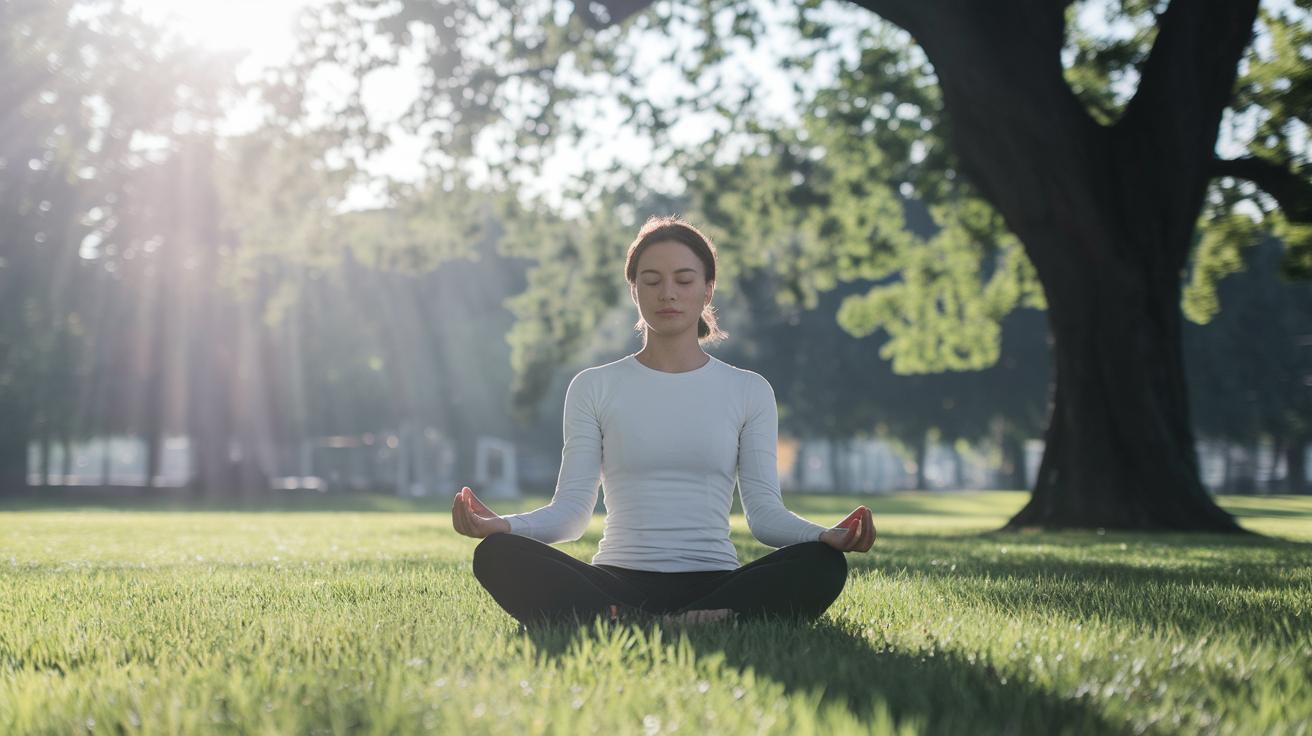
Buddhist teachings share four simple ideas: impermanence, non-self, suffering, and loving-kindness. Simply put, impermanence reminds us that nothing stays the same. Non-self shows us that who we are can change over time. Suffering lets us know that life brings its own challenges, and loving-kindness encourages us to care for ourselves and others. These ideas make taking a mindful moment a friendly, everyday practice.
- You get better at focusing on the here and now.
- Your thoughts clear up, helping you see things as they are.
- You feel a growing sense of inner calm that eases daily stress.
- You find more happiness in life’s little moments.
When you see that change is normal, it’s easier to handle what comes your way. Recognizing that you are always growing and that care is a natural part of life helps your mind stay clear. This clarity makes it simpler to face each day calmly and reconnect with your inner balance.
Step-by-Step Mindful Practices in Plain Language
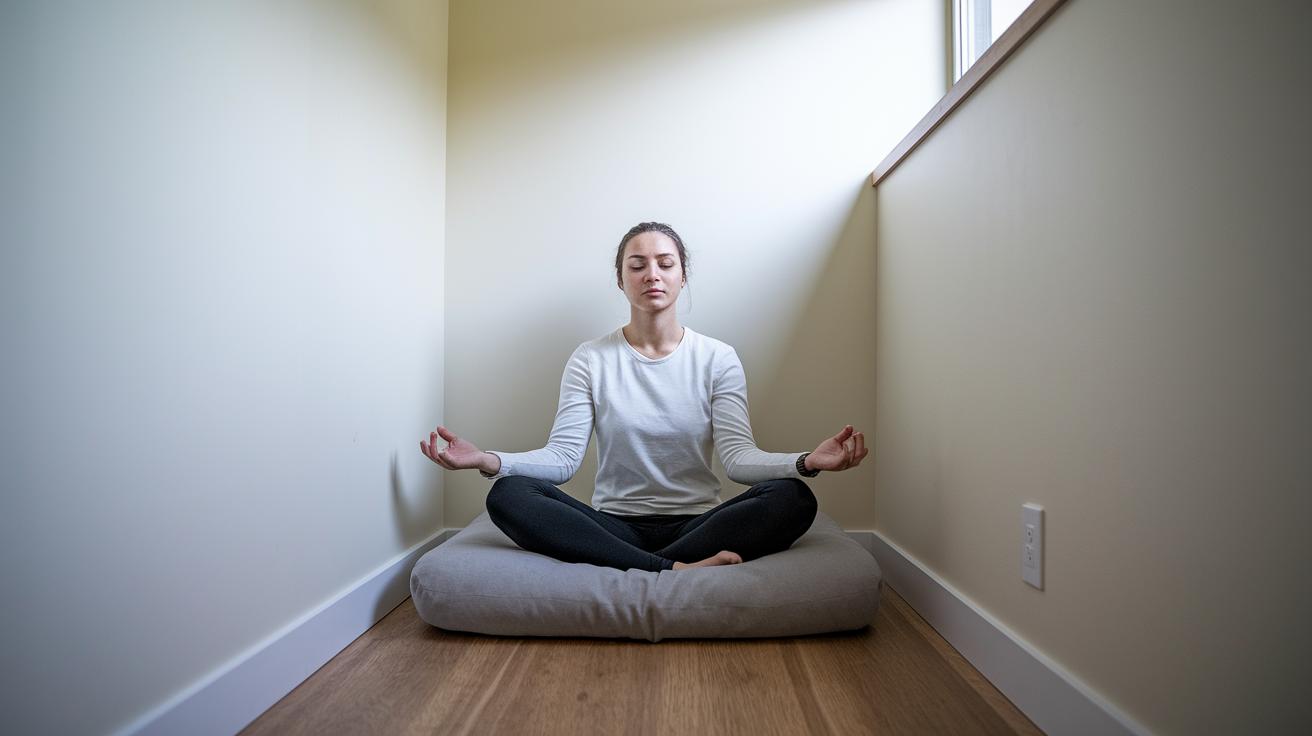
Start a mini meditation session using easy steps that anyone can follow. Even just 5 to 10 minutes can help clear your head and fit smoothly into a busy day.
- Pick a comfy seat – Sit up straight in a way that lets your body relax while keeping you alert.
- Find a quiet corner – Look for a place where you feel safe and free from noisy distractions so you can focus better.
- Be kind to yourself – Remind yourself that it's alright for thoughts to come and go without holding on or pushing them away.
- Notice your breathing – Feel each breath as it comes in and out, like watching a gentle wave on the shore.
- Deal with distractions and sleepiness – If your mind wanders or you begin to nod off, just notice it and slowly bring your attention back to your breathing.
- Wrap it up slowly – When you're ready, open your eyes gradually and notice how you feel, keeping that calmness with you.
Taking just a few minutes out of your day for these mindful moments can make a big difference. Instead of worrying about a strict time limit, let this simple practice blend naturally into your routine. Enjoy the calm and focus it brings, one small step at a time.
Everyday Mindfulness Routines in Simple Terms

Have you ever tried sneaking in a few mindful moments during your day? Even when you're busy, taking a brief pause can help you feel calmer and more aware. Whether you're juggling work or family life, these little check-ins can really brighten your day.
- Mindful meals: Enjoy your food fully. Focus on the taste, texture, and aroma of each bite instead of distractions.
- Mindful walking: As you stroll, notice how your feet feel on the ground and pay attention to your breathing. It’s a lovely way to appreciate your surroundings.
- Mindful listening: When talking with someone, try to keep your focus on the conversation. If your mind wanders, gently shift back. For extra tips on handling wandering thoughts, check out this guide: https://nobrainertrends.com?p=929.
Keep an eye on small changes in your mood and focus. Noticing these shifts can inspire you to keep this healthy habit going. Over time, these simple pauses help you stay centered, making even the busiest days a little easier to manage.
Addressing Common Mindful Practice Challenges
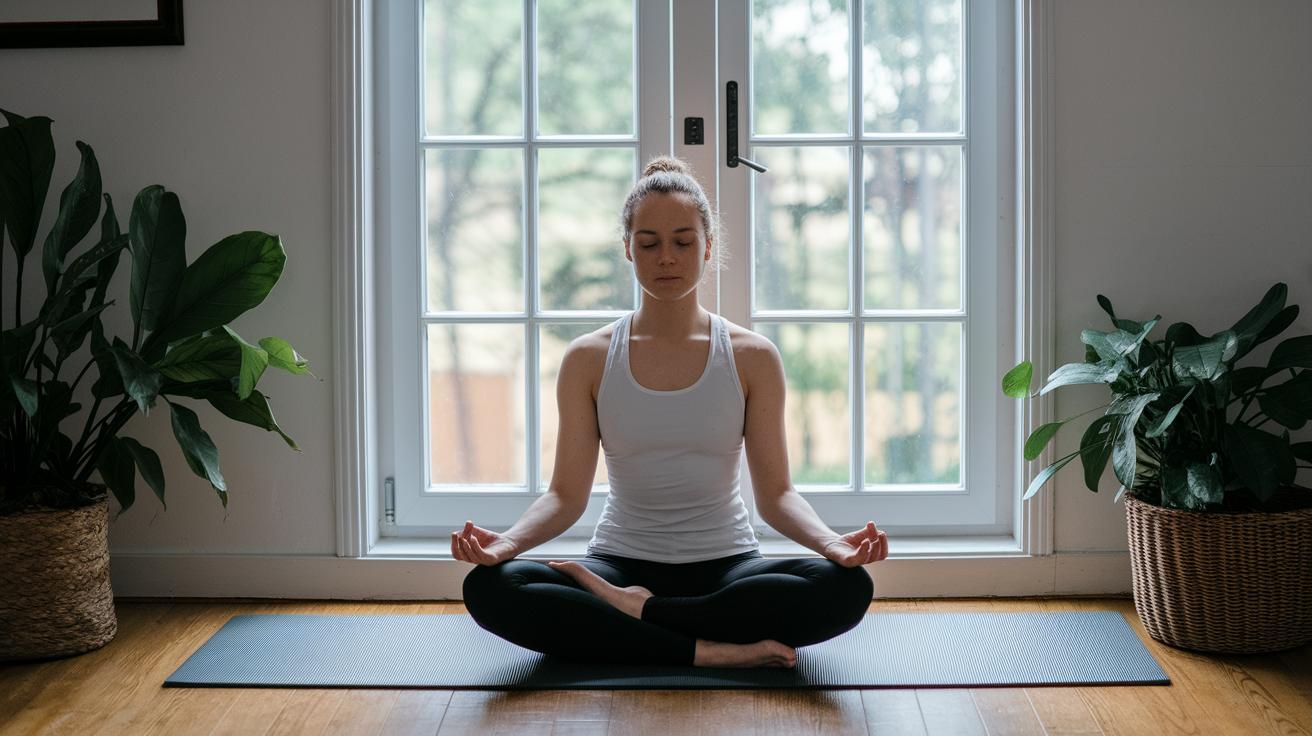
When you sit down for mindfulness, it's normal to get distracted, feel a bit sleepy, or even a little bored. These moments are just part of learning to be here now. If your mind wanders or you find yourself drifting off, gently shift your focus back to your breathing without beating yourself up. Just adjust your position and try again.
| Challenge | Plain-English Fix |
|---|---|
| Distractions | Notice what pulls you away, then softly bring your attention back to your breathing. |
| Drowsiness | If you feel sleepy, try opening your eyes or changing how you’re sitting to help wake up your senses. |
| Boredom | Accept the feeling as a natural part of the process and refocus on noticing how your breath feels. |
Remember, being patient and kind to yourself goes a long way. Even short practice sessions can build clearer thinking over time. Keep it simple, and let each moment guide you back to that calm center inside you.
Recommended Mindfulness in Plain English Resources
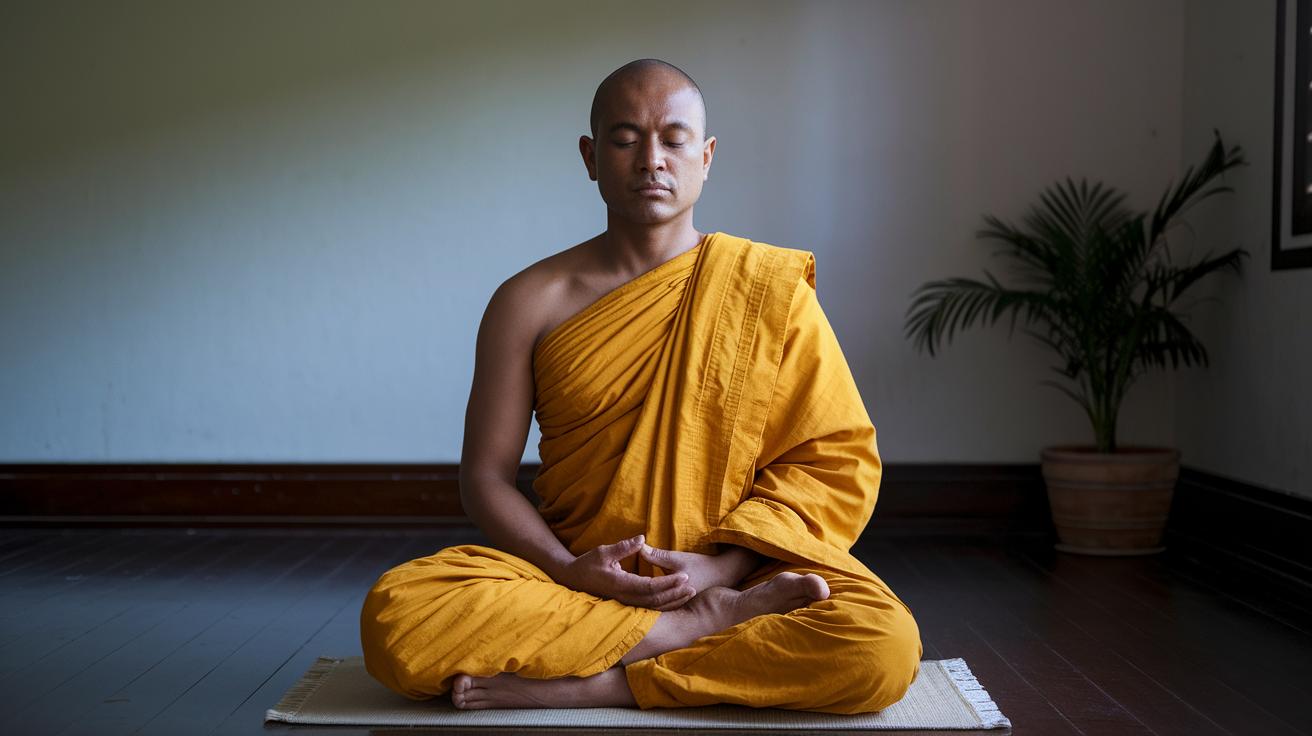
This guide has earned a warm reputation among mindfulness lovers and is a trusted tool in many mindfulness programs. It explains meditation and mindfulness in simple, everyday language that anyone can understand. The book comes from a wise teacher, a Sri Lankan monk born in 1927 who was ordained at age 12 and has been sharing his insights in the United States since 1968. His long years of teaching and personal experience give the guide its lasting credibility, making it perfect for both beginners and those who have been practicing for a while.
The guide mixes age-old mindfulness techniques with clear, no-fuss language. It shows you how to make genuine personal improvements without getting lost in complicated rules. That is why it remains a favorite resource in many mindfulness-based stress reduction programs.
- A 17-page summary breaks down the core teachings into clear, easy-to-follow steps.
- A 28-minute audio summary, along with online courses available since 1997, helps you see and practice mindfulness in daily life.
These supportive tools give you simple examples and steps to build and keep a good mindfulness habit every day.
Final Words
In the action, we broke down mindfulness concepts in plain english. We covered simple definitions, easy breathing exercises, and everyday routines that help you focus and feel calm. We also discussed common challenges and gave practical ways to ease them. This clear approach aims to build consistency and boost your physical, mental, and nutritional well-being. Keep testing these ideas, and enjoy the positive effects they bring. Every small step adds up to better living and fitness.
FAQ
Where can I find Mindfulness in Plain English in PDF, EPUB, and audio formats?
The discussion on Mindfulness in Plain English covers its availability in PDF, EPUB, and audio. Readers often find these versions shared on community threads and online platforms, offering easy access to its clear guidance.
How can I borrow the Mindfulness in Plain English: 20th Anniversary Edition?
The Mindfulness in Plain English: 20th Anniversary Edition is a refreshed take on classic meditation guidance. You can borrow it from libraries or through digital lending services to experience its practical, everyday advice.
What is the summary of Mindfulness in Plain English?
The summary of Mindfulness in Plain English explains bare attention and straightforward meditation practices. It outlines how to focus on the present moment without judgment, making mindfulness simple and accessible.
What is mindfulness in simple words?
Mindfulness in simple words means paying close attention to the here and now. It is about noticing your thoughts and feelings without labeling them, helping you stay grounded and clear.
What is the Mindfulness in Plain English collection?
The Mindfulness in Plain English collection includes various editions, summaries, and audio guides. Each piece offers plain-language instructions that simplify meditation practices for both beginners and regular practitioners.
What are the four steps of mindfulness?
The four steps of mindfulness involve noticing your breath, observing your thoughts, gently returning your focus to the present, and accepting your experiences. These steps help build a calm and clear state of awareness.