Ever wonder if ditching wheat might boost your well-being? A wheat free diet means you avoid every part of wheat. This can help ease uncomfortable feelings and even clear up some ongoing issues. Some folks even notice that headaches and bloating go down when they make the switch. This plan keeps it simple by encouraging you to pick whole, natural foods while skipping those sneaky wheat ingredients that can hide in many products. By choosing to leave wheat behind, you might just spark a feeling of lightness and happiness every day.
Understanding the Wheat Free Diet: Definition, Needs, and Purpose

A wheat free diet means you avoid the entire wheat seed, from the bran and germ to the endosperm. This approach skips every bit of wheat, even when it shows up in processed foods. It helps folks with celiac disease, wheat allergies, or non-celiac gluten sensitivity feel better. Did you know that about 2.4 million Americans have a wheat allergy? That makes it really important for them to dodge all wheat in their meals.
Before starting her food journey, Lisa found that cutting wheat from her meals eased her stomach cramps and headaches. It’s a small change that made a big difference for her!
People dealing with irritable bowel syndrome might notice that wheat fructans (a natural sugar in wheat that can cause extra gas and bloating) set off uncomfortable tummy troubles. Removing all wheat can help ease those issues and boost overall well-being.
This plan isn’t just about skipping bread or pasta. It’s about reading labels carefully to avoid hidden wheat and choosing foods that don’t contain it. By switching to a wheat free eating style, you make room for alternative grains and whole foods that keep your body nourished. Every bite supports a healthier and happier life, and simple changes like these can lead to lasting, radiant well-being.
Wheat Free Diet Health Benefits and Potential Drawbacks
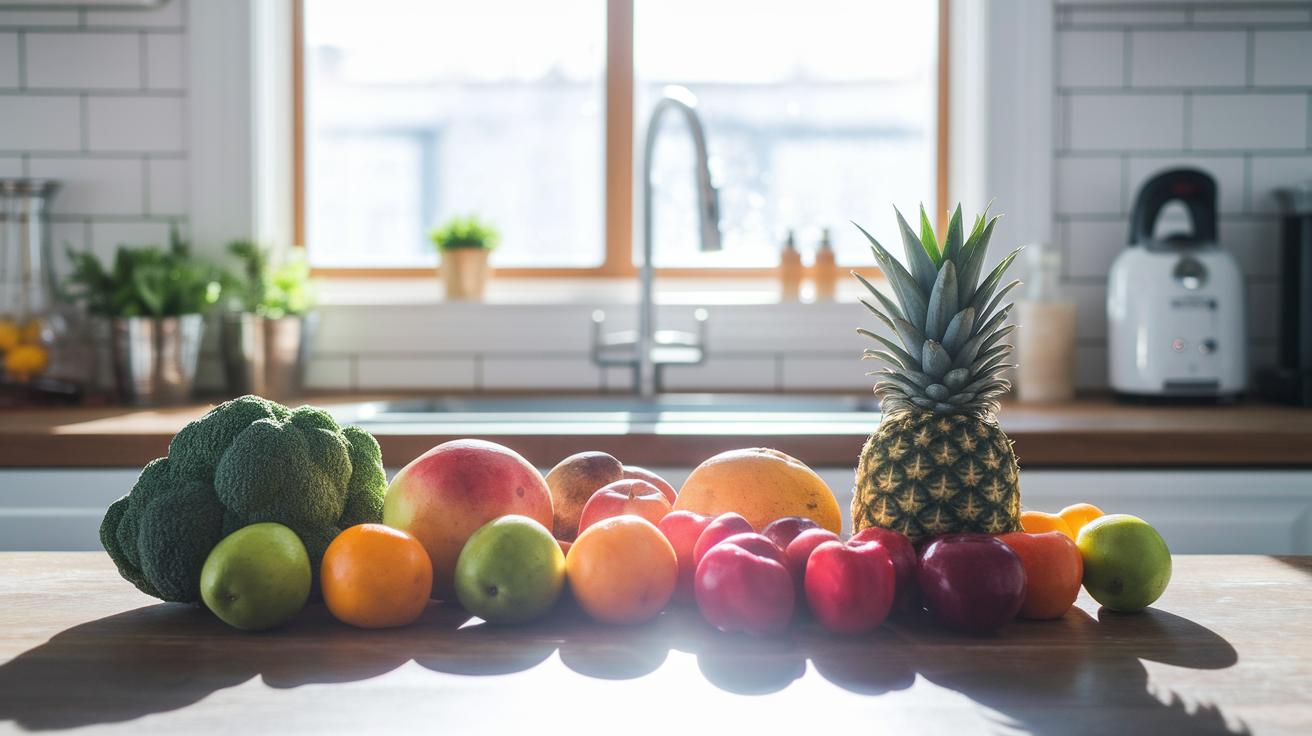
Switching to a wheat free diet might help ease common discomforts. Many people notice less bloating, gas, headaches, and even joint pain, as their digestive system finds relief without wheat. When you remove highly processed wheat foods, you also tend to cut back on extra sugars and unhealthy fats. This simple swap, choosing whole, natural foods over refined wheat, can give your heart a boost and help your immune system stay strong. For example, that change can be part of a balanced diet that supports your overall health. More details can be found here: https://healthlystats.com?p=1096.
That said, leaving wheat behind does come with its own set of challenges. One common issue is getting enough fiber, which helps make digestion smoother and keeps your gut happy. Without wheat, you might also miss out on important nutrients like B vitamins and manganese that are naturally found in whole wheat. To make sure your body gets what it needs, try adding fiber-rich foods like beans, vegetables, and fruits into your meals.
Even though many people see improvements in inflammation and digestion, remember that you might still need extra vitamins or supplements. Balancing these benefits with the risk of missing essential nutrients means you’ll need to plan your meals carefully, and sometimes chat with a health expert. Keeping a close eye on how you feel can help you enjoy the benefits of a wheat free diet while managing any potential downsides.
Wheat Free Diet Sparks Radiant Health

If you're choosing a wheat free way of eating, aim for natural foods that are free of wheat. This not only supports your body but also keeps your meals fun and varied. Imagine starting your day with a warm bowl of quinoa porridge topped with juicy berries, banana slices, and a drizzle of almond butter. Whole fruits, crunchy vegetables, and filling legumes can quickly become your new best friends. Rice, potatoes, and corn add extra variety and energy to your meals.
Be aware that wheat can hide in everyday foods. Many breads, pastas, cereals, cakes, and ready-made meals might include wheat in one way or another. It’s easy to miss it, especially when it’s tucked into sauces or mixed with processed ingredients. So, take a moment to read labels carefully. Keep an eye out for words like "wheat protein" or other derivatives that might pop up in the ingredient list.
Here are a few ideas to inspire your wheat free meals:
- For breakfast: Try a granola made with seeds served with dairy or a fortified plant milk.
- For lunch: Enjoy a chickpea wrap loaded with crisp greens and a creamy avocado-lemon spread.
- For dinner: Whip up a plate of rice noodles tossed with fresh vegetables and a splash of tamari sauce that skips the wheat.
- For snacks: Grab a handful of raw nuts, some sliced fruit, or homemade hummus with veggie sticks.
Making these simple swaps not only avoids wheat but also boosts your fiber and nutrient intake. This little change can ease tummy troubles and might even support heart health. Enjoy the journey of mixing and matching healthy options for each meal while building a balanced wheat free diet that truly nourishes you.
Wheat Free Diet Meal Planning: Weekly Elimination Menus

Cooking without wheat can be fun and easy. Try planning a week of new, fresh meals to keep your body happy. Imagine starting your day with a warm bowl of rice or bean-based cereal, enjoying a crisp salad with millet or quinoa at lunchtime, and winding down with a hearty stir-fry made with safe grains for dinner. You can even add a snack of fresh veggies, nuts, or a simple homemade dip. It’s a friendly way to start your no-wheat journey without any stress.
Sample Weekly Menu
-
Monday
Breakfast: Rice porridge with banana slices and a dash of cinnamon
Lunch: Quinoa salad mixed with black beans, corn, and a squeeze of lime
Dinner: Stir-fried rice noodles tossed with colorful vegetables and safe oils
Snack: Crunchy carrot sticks with a side of hummus -
Tuesday
Breakfast: A savory pancake made from legumes topped with avocado slices
Lunch: Millet salad bursting with cherry tomatoes, cucumbers, and parsley
Dinner: A brown rice bowl with steamed broccoli, grilled tofu, and a light soy alternative
Snack: A small handful of walnuts paired with fresh apple slices -
Wednesday
Breakfast: Warm rice cereal mixed with juicy berries and a little honey
Lunch: A light wrap filled with quinoa and chickpeas wrapped in crisp lettuce
Dinner: A vegetable stir-fry over rice lightly seasoned with ginger and garlic
Snack: Rice cakes spread with a bit of almond butter -
Thursday through Sunday
Rotate similar meals by swapping in different fruits, veggies, and legumes. This keeps your plate exciting and helps you stick to your wheat-free plan.
Meal Prep Tips
| Tip | Why It Helps |
|---|---|
| Cook rice and safe grains ahead | Makes putting meals together quick and easy |
| Pre-soak legumes the night before | Reduces cooking time and aids digestion |
| Store alternative flours in airtight containers | Keeps them fresh for longer use |
These simple prep tips can make your week of wheat-free meals a breeze. Enjoy exploring new tastes and feel great knowing each meal is a step toward a healthier you.
Wheat Free Diet Baking and Cooking with Alternative Flours
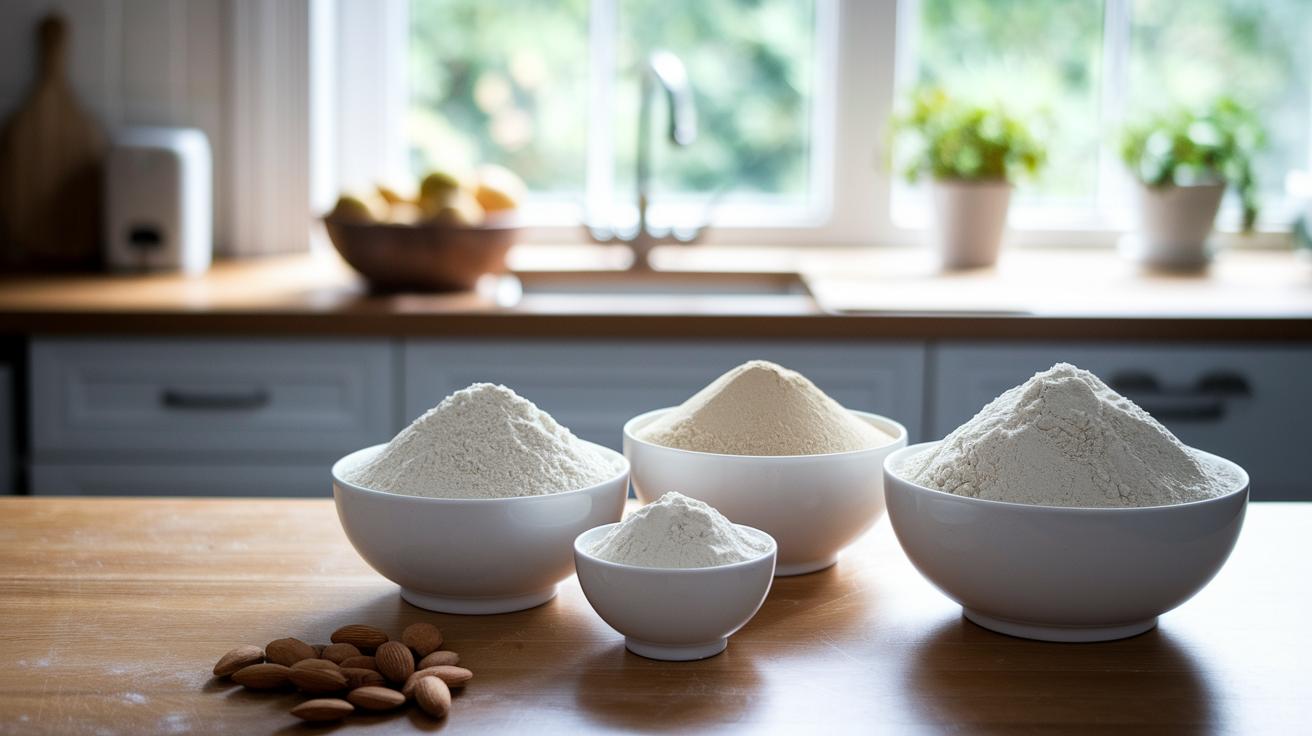
Baking without wheat can be a fun, creative way to enjoy your favorite treats. When you skip wheat, you miss out on the proteins in wheat, like gliadin and glutenin, that normally help dough stretch and rise. No worries, though! By mixing different flours and adding ingredients like xanthan gum or egg substitutes, you can get that lovely, light texture you love in your baked goods.
Common Alternative Flours
Imagine trying flours made from rice, sorghum, buckwheat, teff, almond, or coconut. Rice flour gives a soft, neutral taste, and sorghum flour adds a hint of sweetness along with some extra protein. Buckwheat, with its deep nutty flavor, also brings healthy fiber into your mix. Teff adds a natural, earthy taste, while almond and coconut flours not only boost flavor but offer healthy fats and extra nutrients. Did you know buckwheat was once a popular cereal in medieval Europe? It was prized for its rich, robust taste, even though its name might sound surprising!
Flour Blend Formulas
When you're making breads, muffins, or pancakes, a good rule of thumb is to mix your flours for the best balance. For a start, try mixing 40% rice flour, 30% sorghum flour, and 30% buckwheat flour. Add a teaspoon of xanthan gum per cup of blend; this helps your dough hold together. For muffins or pancakes, a half-and-half blend of almond and coconut flours with a touch of rice flour can give you a light, delightful texture. Play around with these ratios, soon enough, you'll find the mix that works perfectly for your recipe.
Grocery Shopping Guide for a Wheat Free Diet: Label Reading and Pantry Essentials

When you shop without wheat, take a closer look at the ingredient lists. When you’re walking down the grocery aisles, inspect every package with care. Watch out for sneaky words like farina, semolina, or triticale. Sometimes wheat even hides behind a term like "wheat protein" in foods you thought were safe. Choosing products with honest, clear labels makes all the difference.
A good trick is to fill your pantry with foods that are naturally wheat free. Stock up on rice, gluten-free oats (oats that are safe for those avoiding wheat), canned beans, and seed flours. Having these basics on hand makes it simple to create healthy meals without any mix-ups. Keeping your flours in separate, dedicated containers helps protect their purity and stops accidental wheat from sneaking in.
Hidden Wheat Label Terms
| Hidden Wheat Label Terms |
|---|
| Farina |
| Semolina |
| Triticale |
| Durum |
| Bulgur |
Preventing Cross-Contamination
To keep your meals wheat free, use jars that are only for your safe flours. And be sure to clean any shared utensils and surfaces well before you start cooking. This little extra step stops any stray wheat particles from mixing into your meals. Taking a few minutes to read labels carefully and store your food properly gives you the confidence to stick with a diet that truly supports your health.
Every careful choice you make at the store brings you closer to living a safe and wholesome wheat free life.
Dining Out and Social Tips for Maintaining a Wheat Free Diet

When you eat out, it's best to mention your dietary needs to your server right away. A simple question like, "I'm avoiding wheat, are these corn tortillas or rice dishes made without wheat?" can go a long way. This little chat helps make sure your meal is safe and free of hidden wheat.
Choosing places that naturally serve wheat-free dishes makes it easier. Think about restaurants that offer Mexican meals with corn tortillas or Indian dishes that use rice instead. Often, allergen-friendly spots will clearly label menu items to help guide your choice.
When you're at a social event or a family meal, consider suggesting spots that offer wheat-free options like grilled fish with fresh vegetables or a hearty rice bowl. And if you're hosting, you might prepare a couple of wheat-free dishes yourself. Taking a moment to discuss the ingredients and how the food is made can help you stick to your wheat-free lifestyle while still enjoying time with others.
Ensuring Nutritional Balance on a Wheat Free Diet: Fiber and Nutrient Sources

When you cut out wheat, it’s important to keep your fiber levels up so your body stays strong and happy. Foods like lentils, beans, and a bright mix of veggies can do just that. Imagine a warm bowl of lentil soup paired with crisp carrot sticks, it’s both comforting and energizing.
Wheat is also a source of B vitamins, folate, and manganese. Luckily, you can find these nutrients in other places too. Nuts and seeds offer a healthy boost, and dairy or fortified plant milks give similar benefits. A small handful of almonds or a glass of fortified soy milk can make a big difference.
Another good idea is to add more leafy greens, citrus fruits, and whole legumes to your meals throughout the day. This way, you keep your body nourished and don’t miss out on essential nutrients. And hey, it might be a smart move to chat with a registered dietitian to make sure your new meal plan checks all the boxes. For more tips, check out this balanced diet for healthy lifestyle guide.
Final Words
In the action of learning about the wheat free diet, we explored its definition, benefits, and potential drawbacks. We looked at practical food choices, meal planning, and alternative flours to replace wheat while keeping meals balanced. We also talked about grocery tips and social strategies to keep eating healthy. Each section offered clear insights and simple swaps to keep you on track with a wheat free diet. Embrace these ideas and enjoy a healthier, more vibrant lifestyle.
FAQ
What are wheat free foods?
Wheat free foods refer to items that exclude any wheat parts. They typically include fruits, vegetables, legumes, rice, potatoes, and certified wheat free grains.
What is on a wheat-free foods list?
A wheat-free foods list often features naturally wheat-free staples like fresh produce, lean proteins, gluten-free grains, and safe alternatives like quinoa, buckwheat, and certified wheat free products.
How does a wheat free diet benefit health?
A wheat free diet can bring relief from bloating, gas, and headaches. It may also improve heart health by avoiding highly processed wheat products while reducing inflammation.
How do I start a wheat free diet?
Starting a wheat free diet involves reading labels carefully, stocking your pantry with naturally wheat-free staples, and planning meals around fruits, vegetables, and safe grains like rice or quinoa.
What are some wheat free diet recipes?
Wheat free diet recipes include dishes like quinoa porridge for breakfast, chickpea wraps for lunch, and stir-fries with safe grains. These recipes focus on whole, nutrient-rich ingredients without wheat.
Which wheat foods should I avoid?
Avoid common wheat foods like breads, pastas, cereals, cakes, and convenience items that often hide wheat. Also, check labels for less obvious ingredients such as farina or semolina.
What types of wheat free products exist?
Wheat free products span a range from gluten-free bread and pasta to snacks and baking flours made from rice, almond, or coconut. These products support those needing to avoid wheat entirely.
What happens when you cut out wheat from your diet?
Cutting wheat can reduce digestive issues such as bloating and gas, and it might decrease inflammation. However, it’s important to replace lost fiber and nutrients through other whole foods.
How can I avoid wheat in my diet?
You can avoid wheat by carefully reading food labels, planning meals with naturally wheat-free ingredients, and cooking at home where you can control the ingredients used.
Is a no wheat diet the same as a gluten-free diet?
A no wheat diet removes all wheat components while a gluten-free diet excludes gluten found in wheat, barley, and rye. They overlap but are not exactly the same if other gluten sources are included.
What are the symptoms of wheat intolerance?
Wheat intolerance can show symptoms like stomach pain, bloating, and headaches. Some people also report fatigue or skin issues after eating wheat-containing foods.