Have you ever noticed how taking a deep breath can bring a sense of calm to your day? Mindfulness meditation is an easy way to find your center and feel more relaxed. Imagine the refreshing coolness of air as it fills your lungs, gently nudging you to live in the present moment. This practice invites you to focus on each moment without any judgment, helping your mind feel clear and balanced. In this post, we'll explain what mindfulness meditation is and why so many people choose it as their go-to method for quieting a busy mind.
Understanding Mindfulness Meditation Basics
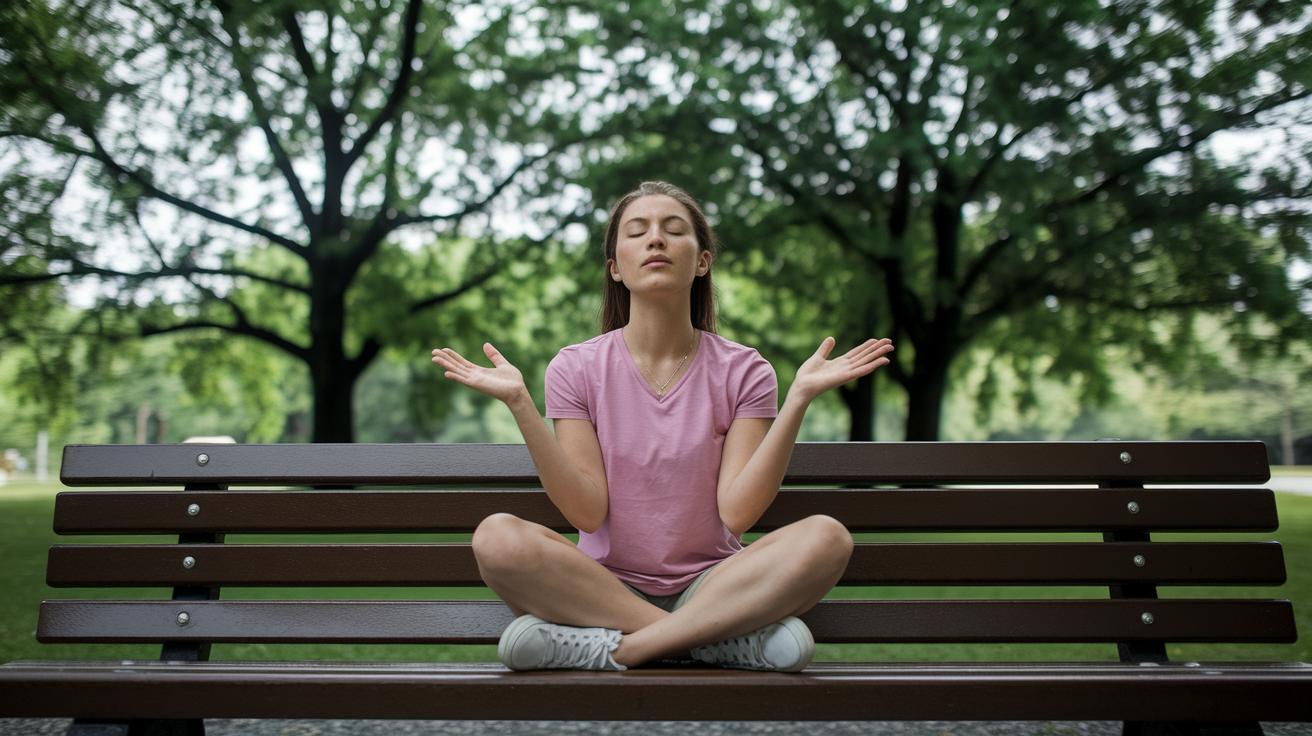
Mindfulness meditation is all about focusing on the here and now. It means noticing what’s happening around you and within you without letting your thoughts run wild. Imagine your breath as an anchor that gently guides you back to the present, like feeling the cool air entering your lungs and then leaving slowly.
This practice doesn’t call for any fancy gear or a quiet hideaway. You can be mindful anywhere, the kitchen during dinner, on a walk in the park, or even when you pause at work. The key is to give your full attention to whatever you’re doing, without any hard judgment.
A simple way to start is by sitting comfortably with a relaxed yet upright posture. Close your eyes for a moment and focus on your breathing. You might say to yourself, "Today, I'm choosing to be here, noticing every breath." It’s a small step that can quiet a busy mind and bring a sense of ease.
At its core, mindfulness meditation is about growing your awareness. It’s a practical tool that you can weave into your daily routine, helping you feel more grounded and calm. Have you ever taken a moment just to feel your breath? It might be the gentle nudge you need for a brighter day.
The Origins and Evolution of Mindfulness Meditation
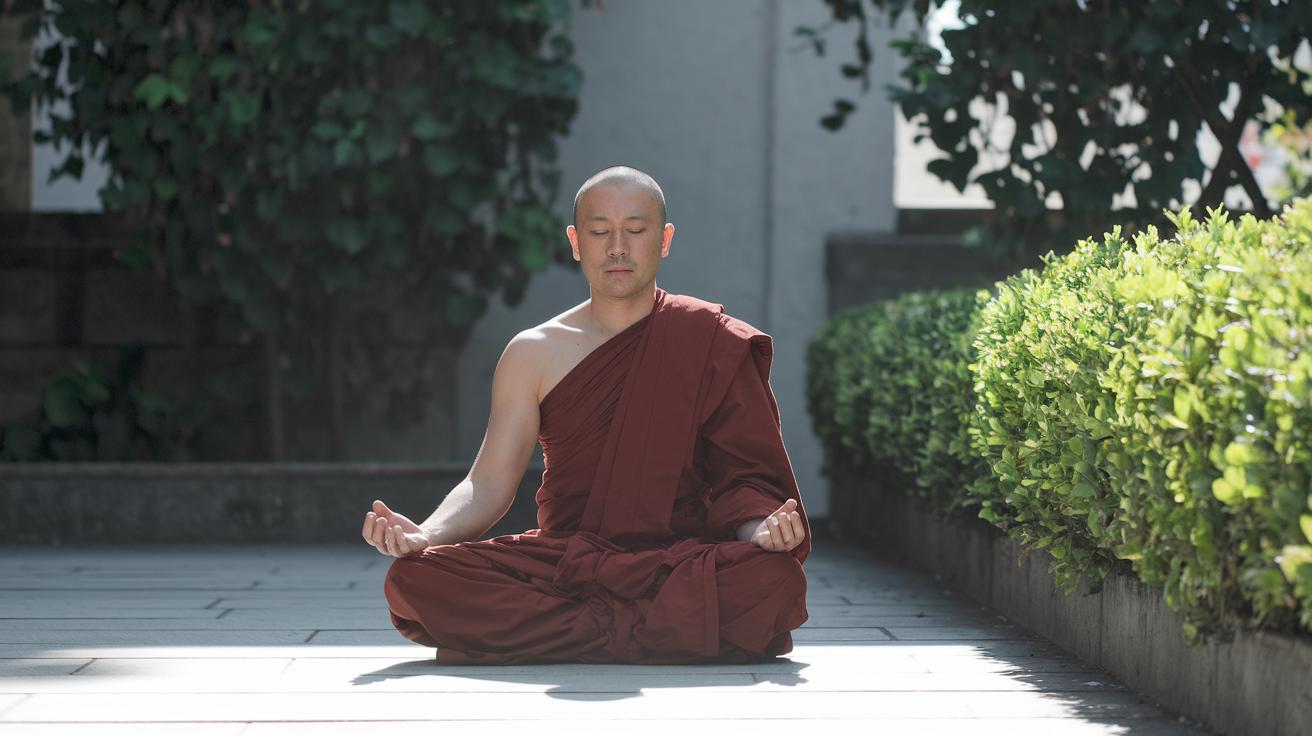
Mindfulness meditation started in ancient Buddhist traditions where being alert and caring wasn’t just a goal, it was a way of life. Back then, people spent long hours in quiet temples, focusing on each breath and noticing every little shift inside them. Imagine a peaceful monk in a sunny courtyard, taking life one breath at a time. Their daily practice helped them feel calm and clear, setting the stage for mindfulness to become a trusted tool for mental balance and emotional well-being.
In the 1970s, Western thinkers discovered mindfulness through programs like Mindfulness-Based Stress Reduction. This old practice was given new life, showing how being present can help with stress and everyday challenges. Today, mindfulness isn’t confined to the meditation cushion; it’s a simple way to bring more calm into daily moments, mixing the wisdom of the past with modern ideas for staying centered and healthy.
what is mindfulness meditation: Calm and Clear

Begin by settling into a comfortable seat. Grab a sturdy chair or soft cushion to sit on. Sit with your feet touching the floor or cross your legs in a relaxed way. This simple setup opens the door to deep, soothing breaths. Try this: breathe in slowly through your nose, feel the cool air fill your lungs, and then exhale gently through your mouth.
Next, try a guided awareness session. You can do this on your own or use an app, video, or a friendly teacher to help. Imagine a caring friend whispering, "Breathe in peace, breathe out stress." This guidance helps make focusing on the present moment feel much easier.
Then, you might enjoy the body scan. Start at the top of your head and slowly move down to your toes, checking in with each part of your body. Notice any tight spots and give them a little extra kindness. It’s like gently unwrapping layers of tension, one piece at a time.
You can also mix mindful movement, like a peaceful walk or soft stretching. Picture the rhythmic steps or the slow, deliberate stretch of your muscles. Whether it’s a quiet body scan or a mindful walk, these techniques help you find calm and clarity, making mindfulness meditation a simple and effective way to soothe your mind.
Step-by-Step Beginner’s Guide to Mindfulness Meditation
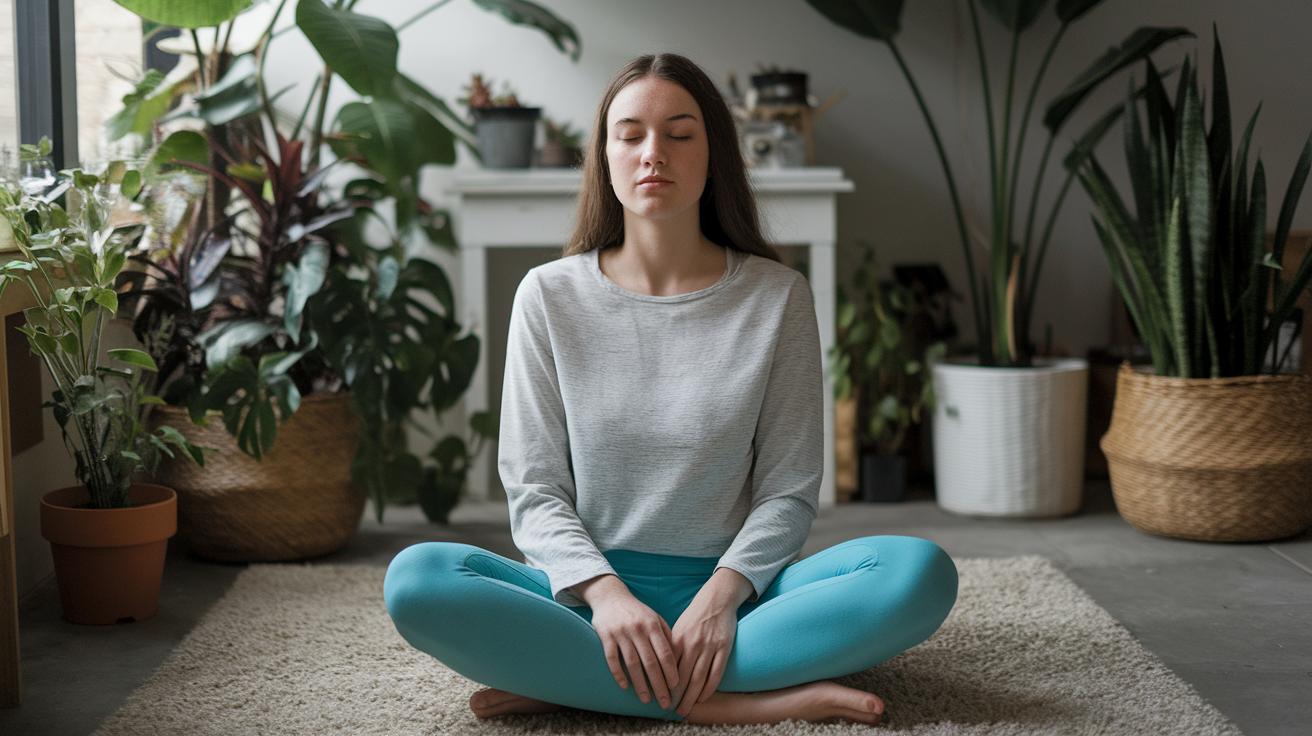
Start with just two minutes each day in a quiet, cozy space where you feel relaxed. Sit up straight, let your back relax, and allow your hands to rest gently in your lap. If you notice your thoughts wandering, try counting your breaths. For example, think “breathe in, one; breathe out, two.”
When distractions pop up, maybe a thought or a noise, simply say to yourself, “Noting this feeling,” and gently bring your focus back to your breathing. If sitting isn't comfortable, give mindful walking or even lying down a try. Focus on the steady beat of your heart to guide you. These small changes really help smooth out those early challenges.
Here are some easy tips to get started:
You might also enjoy trying a guided session from an app or local teacher. These can share fresh techniques, like tuning into your body’s sensations or doing a gentle body scan, helping keep your practice engaging and supportive.
Informal Mindful Practices for Everyday Life
You can bring mindfulness into your everyday life by trying small activities that help you stay in the moment. Imagine pausing for a minute between tasks to feel the sun's warmth on your skin or to enjoy the smell of your morning coffee. Kids can join in too, like on a playful listening walk where they close their eyes for a moment and listen to nature's sounds. When you are outside, focus on each step, notice the gentle breeze, feel the warmth on your face, or hear the crunch of gravel under your feet.
- Mindful pauses: Stop for a moment, take a deep breath, and look around at what is happening.
- Mindful walking: Pay attention to each step and the little details that make your walk unique.
- Mindful eating: Savor every bite, notice the textures, and enjoy the flavors slowly.
- Embodiment movement: Add mindfulness to activities like yoga, stretching, or even spontaneous movements during your day.
These simple tips show that mindfulness is not just for quiet rooms. It is about being present in everything you do, whether you are eating a meal, playing outside, or taking a peaceful walk. Next time you move from one task to the next, try a mindful pause and see how much calm it can bring.
Mental Health and Stress Relief through Mindfulness Meditation

Mindfulness meditation is a wonderful way to calm your busy mind. When you settle into the present moment, worries about the past or future start to fade. It gives you a chance to notice your feelings without getting lost in them. For instance, if a stressful thought shows up, you can let it pass by, just like watching a drifting cloud.
Making mindfulness a regular part of your day can help ease anxiety and boost your confidence. Think of it like exercising a muscle, the more you practice, the stronger your inner calm becomes. Studies have found that even a few minutes daily can help you feel more balanced, like giving your mind a gentle reset button during a hectic day.
Another great part of mindfulness is how it helps you handle your emotions better. When you take a pause and focus on your breath, you catch little shifts in your mood before they take charge. Imagine checking in with your feelings during tough moments; it’s a simple but powerful form of self-care. Research shows these techniques can reduce negative reactions and help you be kinder to yourself.
Mindfulness isn’t just for quiet moments on a cushion. It fits right into everyday life, whether you’re in traffic or taking a leisurely walk. Adding these mindful pauses can clear your thoughts, calm your spirit, and build up your strength to handle stress when it unexpectedly appears.
Physical and Cognitive Benefits of Mindfulness Meditation
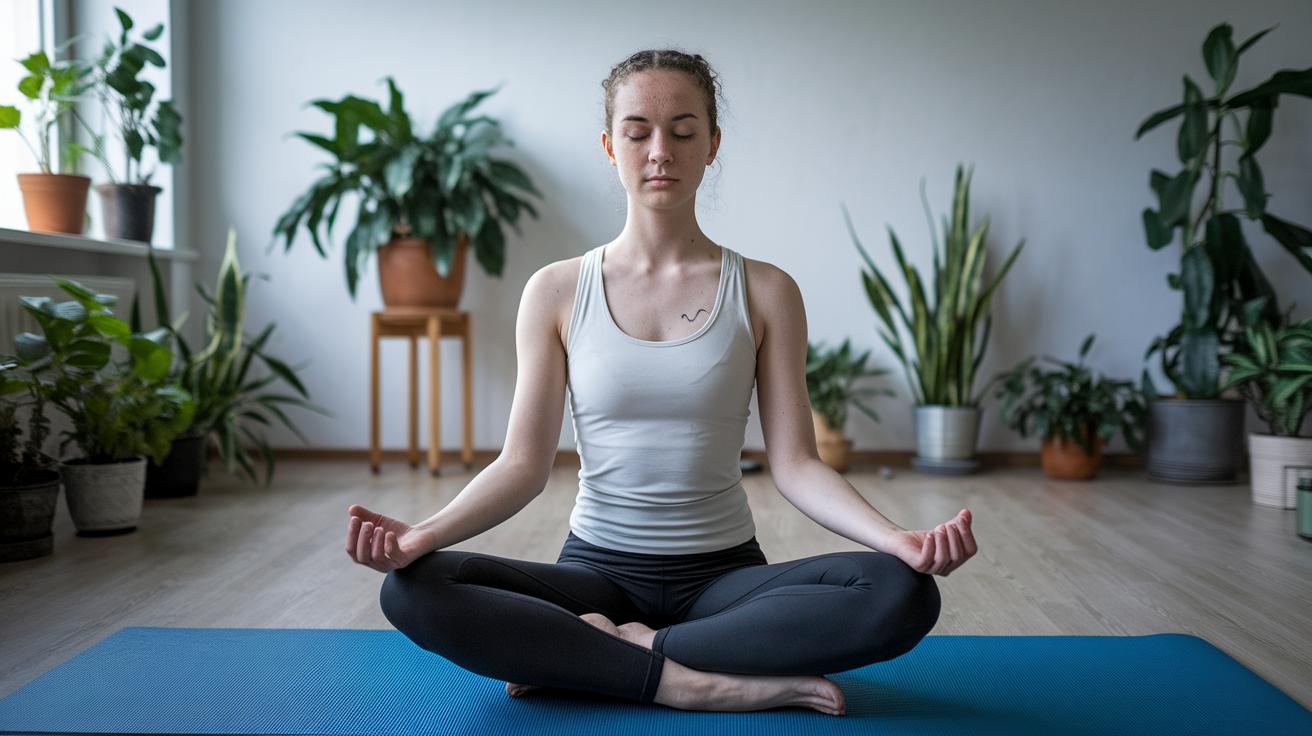
Mindfulness meditation is more than just a way to quiet your mind; it also helps your body and brain feel better. Studies have shown that it lowers stress hormones like cortisol, which can boost your immune system and ease physical tension. Picture ending a long day by taking a few mindful breaths and gently resetting your body.
Regular mindfulness practice has been found to change the parts of your brain involved in focus, mood, and memory. Brain scans show that meditating increases activity in areas such as the prefrontal cortex, a part of your brain that helps with decision-making and staying on track. This change often leads to sharper concentration and quicker reactions in everyday life.
Mindfulness also acts like an upgrade for your mental space. Think of it as a way to organize your thoughts so you can handle multiple tasks without feeling overloaded. Many studies agree that those who consistently meditate notice better mental clarity and reduced stress.
In the end, a regular mindfulness practice benefits your overall well-being. It boosts your focus, encourages faster, more adaptable thinking, and reduces everyday stress. Adding mindfulness to your routine can lead to real improvements in both your physical performance and quality of life.
Daily Routines and Habit Formation for Mindfulness Meditation

Establishing a mindfulness practice can feel like making a little appointment with yourself. Find a comfy spot, a sunny desk, a quiet corner, and stick with it. Setting a fixed time and space makes your practice a daily habit instead of a rare treat. Start small; even a two-minute mindful pause can set the tone. Imagine saying, "Right now, I choose calm," as you focus on your breath. These small, steady moments build habits that last.
Try to weave mini-sessions into your day. Maybe in between emails or while you wait for your tea to steep, take a quick pause to check in with yourself. This simple action not only reinforces your routine but also helps keep stress in check. You might even write down a few thoughts in a journal or use an app to track your progress, which can boost your motivation.
Here are some friendly tips to help you stay on track:
| Tip | Description |
|---|---|
| Daily Reminder | Set a reminder to make sure you never miss your mindful pause. |
| Guided Audio | Use simple guided sessions to gently steer your practice. |
| Mix It Up | Combine longer sessions with shorter mindful moments when you’re short on time. |
| Journal | Write down your experiences, even a sentence or two helps you discover patterns. |
These ideas can help turn quick mindful moments into a steady routine. Over time, this habit can ease stress and help you invite calm into every breath. Enjoy the journey, one mindful moment at a time!
Comparing Mindfulness Meditation with Other Meditation Methods
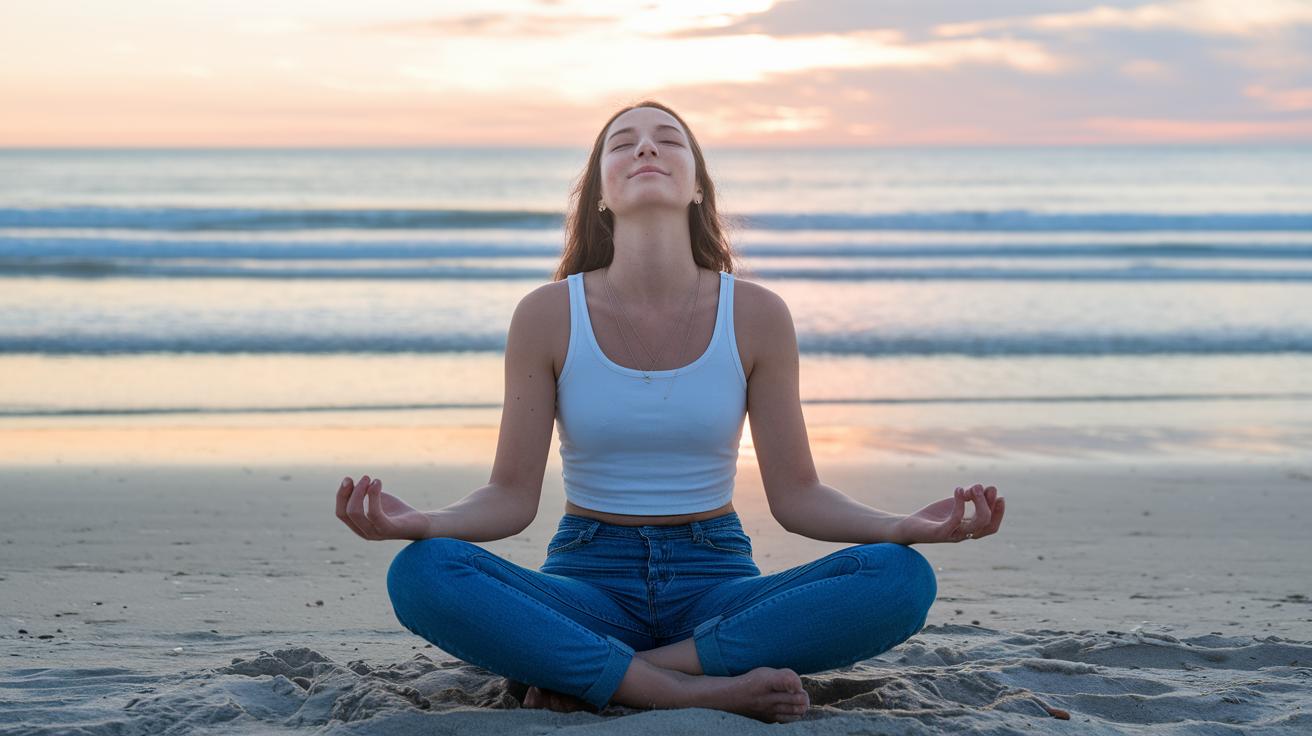
Mindfulness meditation is simply about being fully present. It asks you to tune into your body and mind right now without any judgment. Imagine sitting quietly and feeling each breath flow in and out like gentle waves on a calm sea.
On the other hand, Transcendental Meditation uses a repeated word or sound, known as a mantra, to help your mind let go of everyday thoughts. It’s like watching a movie where the background chatter slowly fades away.
Zen meditation has its own twist. It uses short, puzzling questions or statements called koans to spark deeper thinking. Practitioners also focus on sitting in a firm, balanced posture. In a similar way, mantra meditation uses repeated sounds to keep your mind engaged with the rhythm instead of getting caught up in each feeling.
Even though these methods use different tools, mindfulness is a common thread in many practices. It can stand alone or be blended into other techniques. Think of it like noticing the scent of a flower in a busy garden, it helps you stay grounded whether you practice it by itself or with another method.
Why not try each method for a day? You might find that sometimes, keeping things simple makes all the difference.
Advanced Mindfulness Meditation Techniques and Resources

If you feel ready to take your meditation deeper, there are many ways to explore new levels of calm and insight. You might try a short course or a quiet retreat that lets you focus without everyday distractions. Imagine joining a loving-kindness meditation session where you quietly send kind thoughts to yourself and those around you. After a session like that, writing down your thoughts in a journal can capture the soft shifts in your energy.
Audio guides can also be a great help as you extend your practice. You could listen to sessions that lead you through calming imagery or gentle body scans. These recordings are available on digital apps, podcasts, or even during live group gatherings. They offer a simple, structured way to relax and dive deeper into meditation.
Training programs often mix group support with guidance from experienced teachers, helping you build your skills step by step. They are designed with both encouragement and clear methods so you feel steady on your journey.
| Resource Type | Example |
|---|---|
| Workshop | Multi-week guided course |
| Retreat | Quiet, immersive sessions |
| Audio | Guided imagery and body scans |
| Digital Platform | Live group sessions and podcasts |
Each option is made to help you deepen your mindfulness practice with clear structure and sincere support. Enjoy finding the method that speaks to you and makes your meditation journey even more fulfilling.
Final Words
In the action, we covered mindfulness meditation basics, explored its origins, and looked at key techniques like breathing exercises, body scans, and mindful movements. We also talked about how to add these practices to everyday life, build routines, and even compared mindfulness meditation to other methods. All these tips offer a practical guide to better living and fitness. Remember, a little practice can really change your perspective on what is mindfulness meditation.
FAQ
What is mindfulness meditation?
Mindfulness meditation is paying attention purposely and without judgment to the present moment. It means staying aware of your thoughts, feelings, and sensations to foster calm and clarity.
What are the benefits of mindfulness meditation?
Mindfulness meditation benefits include reducing stress, boosting focus, and promoting emotional balance. Practicing it daily can lead to improved mental well-being and a greater sense of calm throughout your day.
How do you practice mindfulness meditation?
Practicing mindfulness meditation means sitting comfortably, focusing on your breath, and gently returning your attention when distractions occur. This simple process cultivates presence and helps lessen overwhelming thoughts.
What mindfulness techniques work well for beginners?
Mindfulness meditation for beginners often involves basic breathing exercises, short guided sessions, or a simple body scan. These techniques help you build awareness and a steady practice with minimal stress.
How does mindfulness meditation differ from other types of meditation?
Mindfulness meditation differs by focusing on present-moment awareness. While some methods use mantras or specific postures, mindfulness simply encourages being fully present without any extra rules.
What are the basics of a mindfulness practice?
The basics of mindfulness practice include paying attention to the present moment, approaching your thoughts with kindness, and gently accepting what arises. This helps create a foundation for improved focus and emotional balance.
Can you give an example of a mindfulness meditation exercise?
An example of mindfulness meditation is sitting quietly, noticing the flow of your breath, and gently returning your focus whenever your mind wanders. This practice builds awareness and steadiness in everyday life.