Have you ever wondered why some people seem to have endless energy when they eat mindfully? Clean eating is not just a passing trend. It is a simple, balanced way to enjoy food that works well for your body and the earth. When you pick fresh fruits, veggies, and whole grains, you choose foods grown with care. Each bite helps lower pollution and cuts long-term health risks. Keep reading to see how every meal can boost your energy and care for our planet.
Sustainable Clean Eating Practices Fuel Lasting Vitality
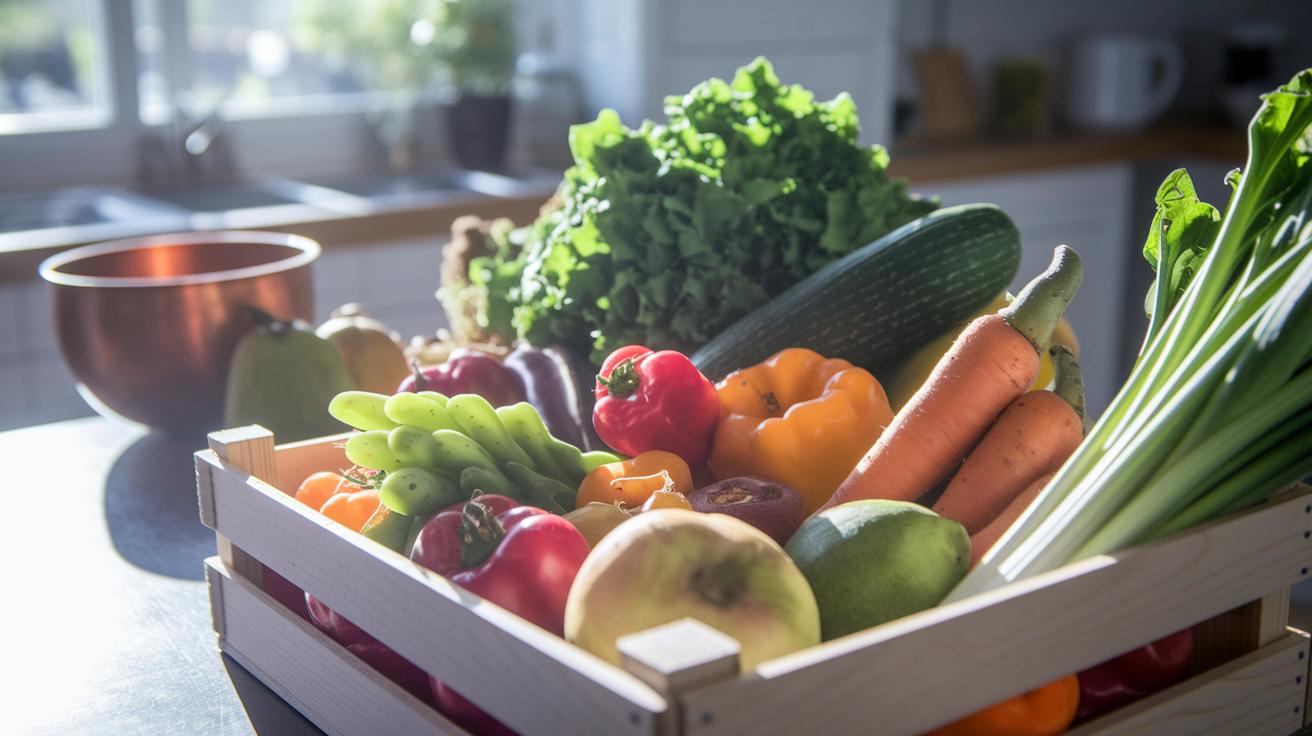
Sustainable clean eating is all about choosing foods that are good for you and gentle on our planet. It means filling your plate with plenty of fresh vegetables, fruits, whole grains, nuts, and beans, that is, foods packed with the nutrients your body needs. Sometimes, you might add a small portion of meat or fish that is raised in a way that respects nature. Cutting back on red meat and dairy not only boosts your health but also helps lower harmful gas emissions.
Adopting these habits can make a real difference in reducing the risk of long-term illnesses and even lower your grocery bill compared with a heavy meat diet. When you pick organic foods, you get a clear idea of how your meals are grown with minimal impact on the soil, water, and climate. Choosing certified organic, chemical-free produce helps keep our natural resources clean and safe.
Buying local and seasonal produce is another smart way to eat clean. When you shop for foods grown near you, you're supporting local farms and using less energy in transportation. Imagine biting into a fresh apple picked from a nearby orchard, it’s like a little gift for your body and the environment.
Every meal centered on eco-friendly planning is a step toward a healthier you and a greener world. Give sustainable clean eating a try, and notice how each bite can boost your vitality and contribute to a thriving planet.
Sourcing Organic and Local Produce for Clean Eating
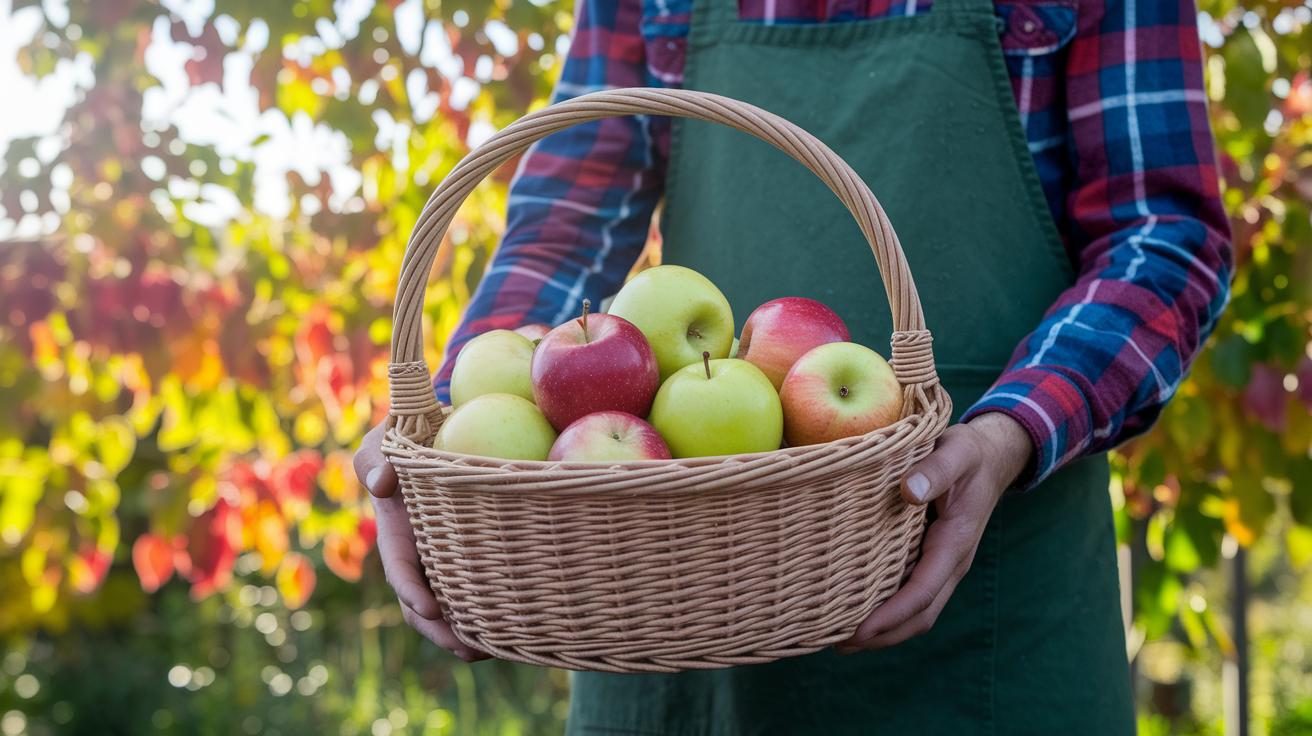
Choosing organic and local produce is a great way to eat clean. It means going for foods grown with real care by farms right in your community. When you pick seasonal ingredients, you lower the distance your food travels and give a boost to local farmers. Plus, local options often include heirloom varieties with flavors you won’t find in mass-produced food. Just think about biting into a crisp apple picked fresh during the fall, it's like tasting a little piece of autumn.
Community-Supported Agriculture programs let you connect directly with farmers. These programs offer fresh produce at fair prices and help reduce waste because local growers often use smart, efficient methods. With around 30% to 40% of U.S. food going to waste every year, every thoughtful choice you make counts. Also, since most of our food comes from just a few types of plants and animals, adding unique local whole foods can really boost both your health and the environment.
Adding whole grains like quinoa, buckwheat, and wild rice can complete your meals. These hearty options pack in important nutrients without the extra cost of importing foods like hothouse tomatoes or almonds. By choosing organic and local, you help cut down on harmful pesticides and reduce transportation emissions all at once.
Below is a quick guide to help with your shopping decisions:
| Ingredient Type | Local Season | Benefit |
|---|---|---|
| Vegetables | Spring/Summer | Fresh flavor, nutrient dense |
| Fruits | Fall | Rich in vitamins, naturally sweet |
| Grains | Year-round | Heart-healthy energy |
| Herbs | Summer | Enhance taste naturally |
| Farm Eggs | Spring | High-quality protein |
When you make these choices, every meal becomes a chance to feel better and help build a cleaner and more sustainable food system. Enjoy the journey to eating clean and feeling great!
Sustainable Meal Planning with Plant-Powered Nourishment
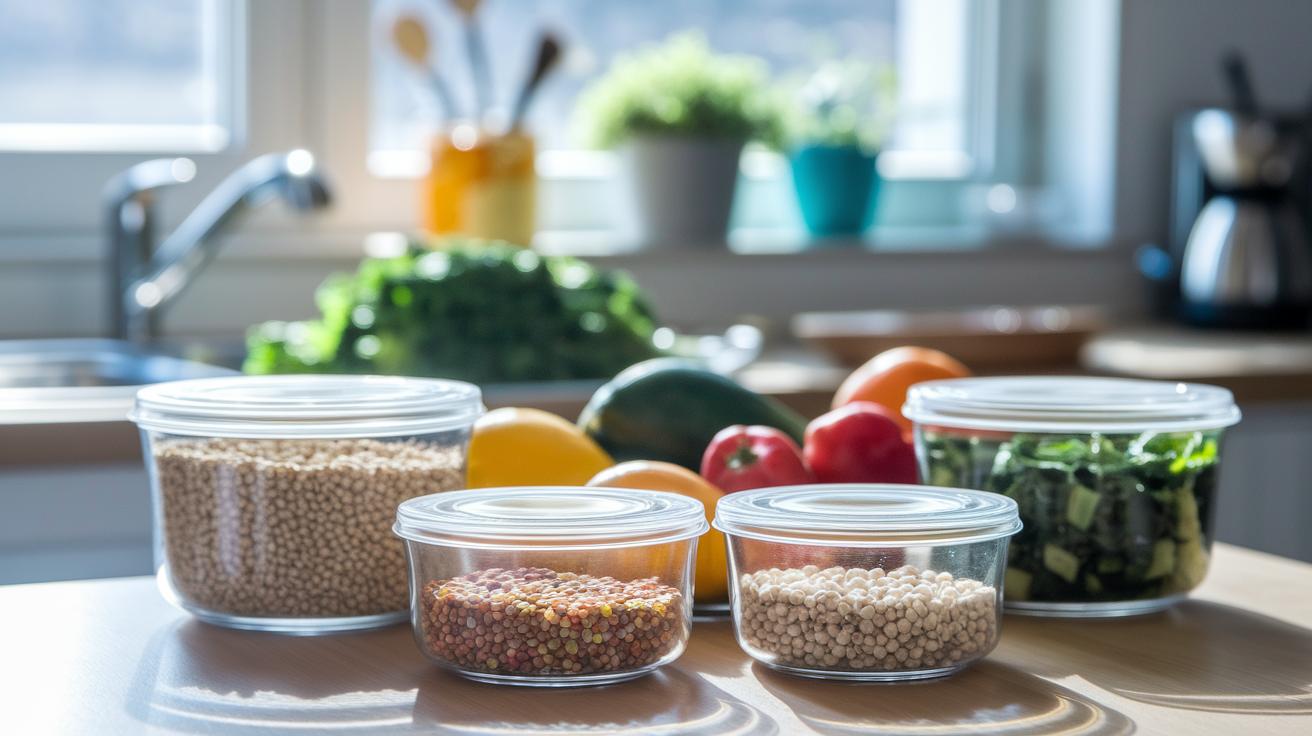
Planning your meals ahead of time really brightens your day. It helps you feel better and cuts down on wasted food. When you lay out a meal plan for the week, you get to enjoy healthy, plant-focused recipes while keeping things simple and organized. Try setting aside a little time every week to pick recipes that balance great taste with good nutrition. Using a slow cooker or multi-cooker means you can cook big batches of hearty soups and stews, which you can freeze for those busy days. Freezing your meals or key ingredients makes them last longer and saves you from last-minute shopping runs.
One easy way to begin is to plan one meatless dinner each week. Instead of red meat, swap in protein-rich beans, lentils, and nutrient-packed vegetables. Toss in some mushrooms, too, they add extra protein and a deep flavor to your dish. Over time, making room for these lighter, plant-powered options might even give you a noticeable boost in energy and overall well-being.
Making balanced meals and snacks (you can check out more details here: balanced meals and snacks) keeps your energy steady all day long. Also, use any leftovers to make a simple stock or broth. This little trick not only reduces waste but also provides a great base for your next meal.
Weekly Meal Planning Steps
- Pick recipes based on a fun theme to keep things interesting.
- Write down all the ingredients you need on one shopping list.
- Plan specific days for meal prep and cooking to structure your week.
Sample Plant-Forward Menu
- Monday: Overnight oats with fresh berries; a mixed salad with chickpeas for lunch; lentil soup with whole grain bread for dinner.
- Tuesday: A smoothie bowl with spinach and banana; quinoa salad with roasted veggies; veggie stir-fry with tofu.
- Wednesday: Whole grain toast with avocado; a hearty salad with black beans; a mushroom and vegetable stew.
- Thursday: Chia pudding; a wrap with hummus and greens; bean chili topped with a bit of yogurt.
- Friday: A fresh fruit salad; a bowl of rice and beans; zucchini noodles in a tomato sauce.
- Saturday: Muesli mixed with nuts; mixed greens with grilled veggies; quinoa and lentil patties.
- Sunday: Yogurt with granola; a wrap filled with falafel; stir-fried vegetables with a side of brown rice.
Enjoy planning each meal as a way to take care of both your body and your spirit.
Zero-Waste Cooking Techniques to Minimize Food Waste

Every time you cook, you have a chance to do something great by making sure nothing goes to waste. Did you know nearly 30% to 40% of food in the United States isn’t used? Instead of tossing away vegetable peels, stems, or even bones, try saving them to make a warm, hearty stock. When you plan your meals carefully, you can keep food from spoiling while still enjoying flavors that make you smile.
Shopping in bulk is a smart move that saves you money and cuts down on extra packaging waste. Using reusable storage containers is a simple way to help the planet by reducing the amount of trash that ends up in landfills. And if you have extra produce, think about pickling, fermenting, or dehydrating it. That way, you can enjoy tasty treats later without wasting a single bit.
Here are some easy ways to reduce waste in your kitchen:
- Keep a jar for vegetable scraps to make your own homemade stocks.
- Plan your portions so you don’t have too much leftover that might spoil.
- Buy ingredients in bulk and transfer them to containers you can use again.
- Preserve extra produce by pickling or fermenting small batches.
- Use food scraps to create nutrient-rich broths.
- Freeze extra ingredients for later recipes.
These simple tips can turn everyday cooking into a mindful practice that benefits your health and our planet. Isn't it wonderful how small changes can make a big difference?
Mindful Label Awareness and Ethical Sourcing Methods
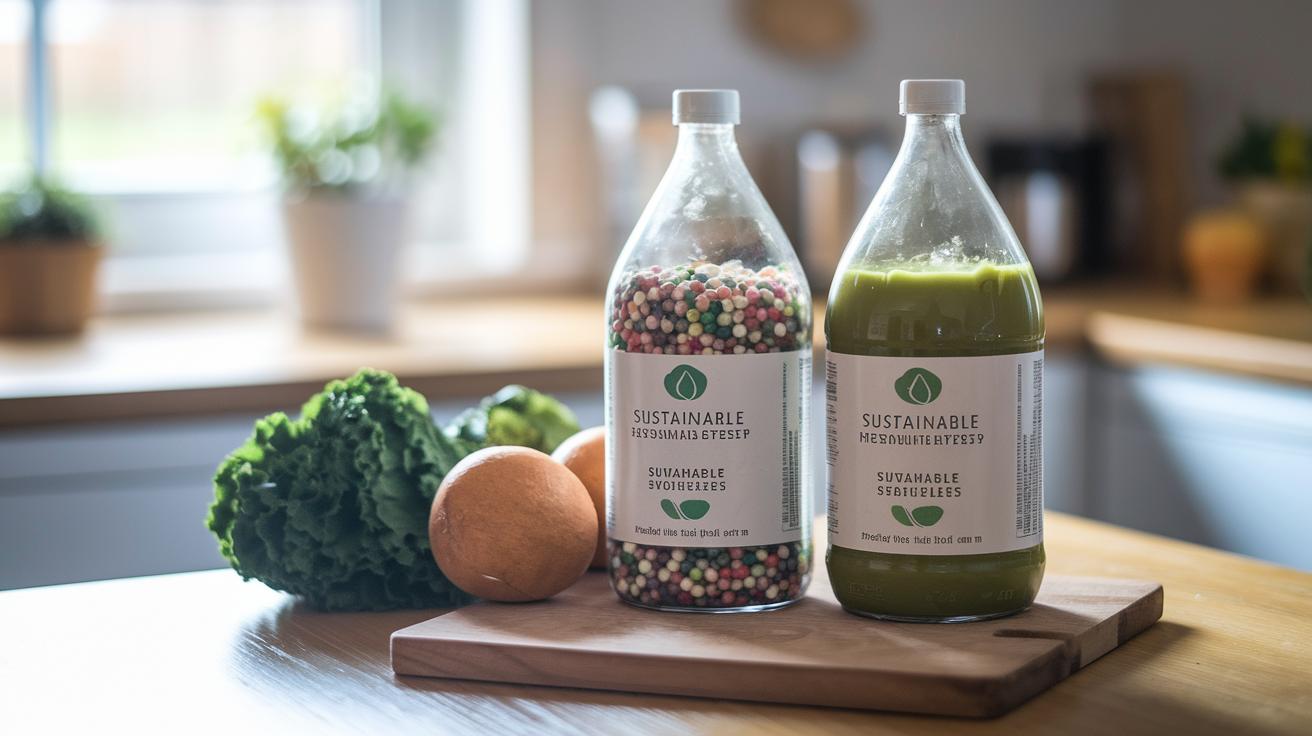
When you shop for food, it pays to take a close look at the labels. They tell you if your food is both good for you and kind to the planet. For example, labels like Non-GMO Project Verified, fair-trade, or chemical-free mean the food comes from farms that care about quality and the environment. Imagine seeing "organic, anti-pesticide" on a product, it tells you the ingredients were grown without harsh chemicals, which is better for your body and nature.
When labels are clear and honest, you can avoid getting products masked by confusing marketing. These labels help you pick foods made with pure ingredients and no extra additives. This is part of ethical sourcing that focuses on fair trade and Non-GMO ingredients. And if you see words like "regenerative," think of farms that promote long-term soil health.
Also, try to steer clear of packaging made from petroleum-based materials, like Styrofoam trays or plastic wrap. Instead, choose items in biodegradable, reusable, or recyclable containers. This small change helps cut down on waste and supports a healthier ecosystem.
Every detail on a product's label gives you a glimpse into how it was made. So take a moment to read up on those labels, ask questions, and pick choices that align with sustainable clean eating values. This mindful way of shopping not only nourishes your body but also supports a food system that respects our environment.
Case Studies and Cost Analysis of Sustainable Clean Eating

Sustainable clean eating brings big benefits for both your budget and the planet. When you join a community-supported farming program, many people find they spend 15-25% less on fruits and veggies and waste about 20% less food each week. Buying directly from local farms not only lowers your grocery bills but also brings you seasonal produce that helps keep our food system strong and nourishes the soil. Plus, many local farmers use natural growing methods that boost water retention and cut back on chemical fertilizers, which is great for the land and our communities.
Community-Supported Agriculture Impact
CSAs create a real bond between you and local farms. Members enjoy a steady flow of fresh produce at lower prices, thanks to simple supply chains and seasonal choices. Have you ever noticed how buying straight from the source cuts down extra costs? This approach not only helps reduce food waste but also supports honest growing practices, benefiting both the farmers and the local economy.
Budget Comparison of Meat vs Plant-Based Meals
| Meal | Cost Per Serving | Notes |
|---|---|---|
| Beef stir-fry | $4.00 | Higher fat and uses more resources |
| Lentil stew | $2.50 | Packed with protein and fiber |
| Mushroom tacos | $2.50 | Full of flavor and helpful nutrients |
Choosing just one meatless meal a week can save you around $150-$200 every month. These real-world examples show that clean, sustainable eating not only helps you stay healthy but also keeps more money in your pocket while promoting ethical food practices.
Final Words
In the action, we've explored eco-friendly meal planning, organic local produce, and mindful label awareness. We broke down plant-powered nourishment into practical, step-by-step strategies.
Every part of this guide supports sustainable clean eating practices, helping you balance nutrition with thoughtful sourcing and minimal waste.
These tips not only foster better living and fitness but also bring a sense of purpose and ease into the kitchen. Keep experimenting and enjoy the positive shift toward a healthier, happier lifestyle.