Ever wondered if a quick burst of exercise could lift your mood and get your heart pumping? HIIT workouts mix short, hard bursts with small rests, which help your brain release happy chemicals. Picture yourself powering through each burst, feeling your energy spike, then taking a quick break to catch your breath and clear your mind. This workout isn’t just about building physical stamina, it gives you a chance to feel refreshed and more confident. Give it a try and see how HIIT can boost both your body and your spirit.
HIIT Workouts and Mental Health Benefits: Feel Empowered!

HIIT is all about quick bursts of energy. For example, you might run or move fast for 30 seconds then slow down for 30 seconds to walk and catch your breath. This pattern, done over about 20 minutes, gives your body and heart a friendly challenge. If you're new to HIIT, start with these shorter intervals and build up your pace gradually. Imagine each fast burst unlocking a bit more of your inner strength while the walking period lets you relax and enjoy the moment.
Studies show that doing HIIT 2 to 3 times a week for at least seven weeks can boost your physical endurance and help you feel more emotionally balanced. By varying your routine and keeping your workouts lively, you let your body learn how to handle stress and recover well. It’s a simple way to take charge of both your body and your mood.
When you push through a HIIT session, your body releases feel-good chemicals like serotonin and endorphins. These natural boosters can lift your mood and help ease anxiety. Many people find that these short bursts of energy melt away stress and even lighten symptoms of depression. Picture finishing your workout feeling refreshed, balanced, and empowered, ready to take on the day with newfound strength.
Physiological Mechanisms Connecting HIIT and Brain Health

When you dive into HIIT, you're not just pushing your body hard, you're also setting off a series of brain-boosting reactions that leave you feeling calm and clear. In those fast, intense bursts, your body releases feel-good chemicals that lift your mood and melt away tension.
For example, your brain pumps out important messengers like serotonin and dopamine, which help you feel happier and more alert. Meanwhile, a burst of endorphins works like a natural pain reliever, soothing you after a tough workout. On top of that, keeping your stress hormone cortisol in check creates a more relaxed state, thanks to a balanced stress system.
There's also IGF-1 at work, a key factor that supports the growth of new brain cells for sharper thinking. And as your VO₂ max, or how well your body handles oxygen, improves, your blood flows more freely to your brain, delivering fresh nutrients that support overall brain health.
Overall, incorporating HIIT into your routine sets off a chain reaction that does much more than build muscle, it builds a stronger, clearer mind too.
Effective HIIT Workouts for Stress and Anxiety Relief
Bodyweight HIIT Routines
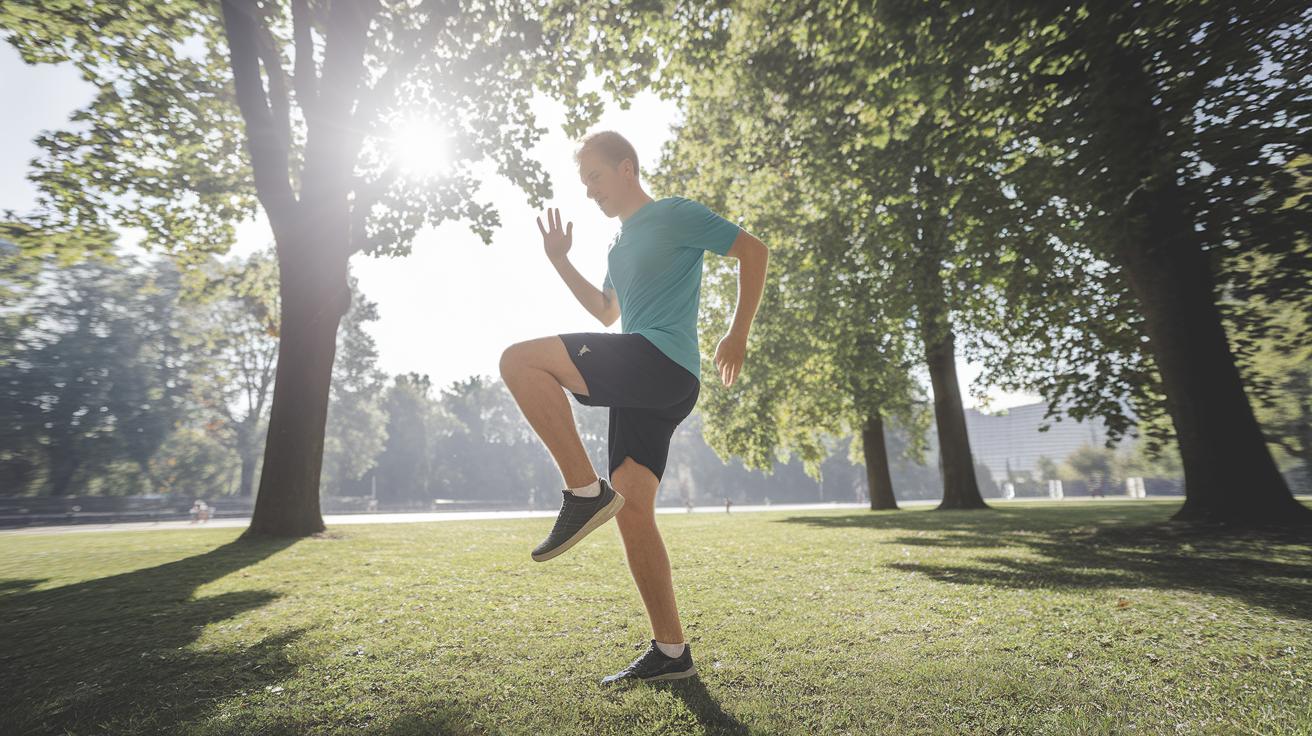
Try simple moves that use your own body. For example, do high knees for 30 seconds and then rest for 30 seconds. This easy routine needs no equipment so you can do it almost anywhere. The quick bursts help release feel-good chemicals in your brain that ease anxiety and lift your mood.
It is like a little escape during a busy day. The fast action gets your heart pumping while giving your mind a break from stress. Imagine the gentle release as your body moves with a steady rhythm.
Equipment-Based HIIT Sessions
You can also use simple equipment to add a challenge. One idea is to do kettlebell swings for 45 seconds and then rest for 15 seconds. Using equipment like a kettlebell can boost your workout by helping your blood vessels relax and encouraging more mood-enhancing responses.
These sessions are great for building strength and confidence at the same time. With a clear rhythm and controlled recovery, your body gets a powerful boost that keeps stress at bay while you enjoy the benefits of active, mindful movement.
Sample HIIT Workout Plans to Boost Mood
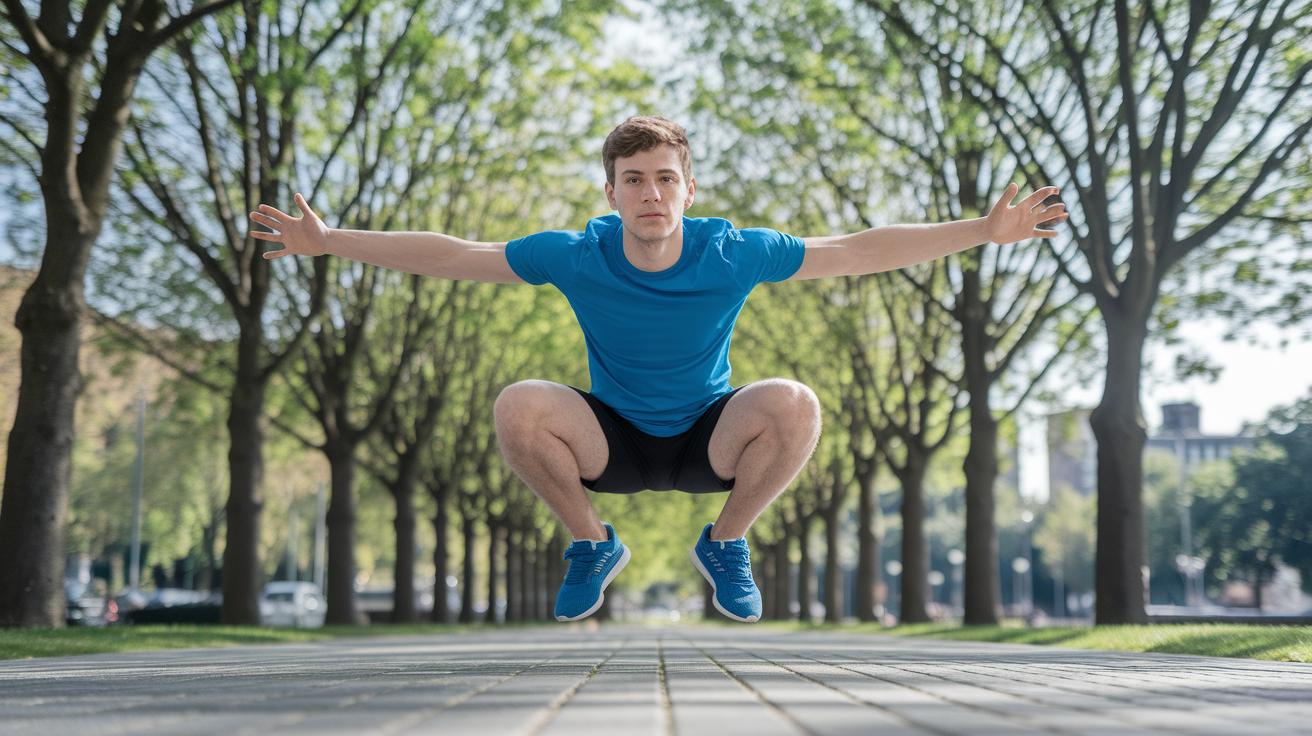
These HIIT routines are built to give you a quick energy boost while lifting your spirits. They mix fast intervals with short rests, helping your body release feel-good chemicals and ease stress. In just 20–25 minutes, you can get your heart pumping and your mind feeling light. By switching up the moves, you keep things fresh and fun. For example, sprint intervals help clear your mind, while exercises like jumping squats or dumbbell thrusters (a move that blends a squat with a weight press) spark your muscles and wake up your senses. Pick the routine that feels right, and feel free to change the pace to keep a steady, enjoyable rhythm.
| Exercise | Interval | Rest | Rounds |
|---|---|---|---|
| Sprint/Walk | 30s/30s | 20s | 8 |
| Jumping Squats | 40s | 20s | 5 |
| Dumbbell Thrusters | 45s | 15s | 4 |
| Burpees | 30s | 30s | 6 |
When you try these routines, remember you can fine-tune the intensity and breaks based on how you feel. If it seems too hard or a bit easy, adjust the work time or rest period to fit your needs. And if you're using weights with dumbbell thrusters, there are plenty of online tips on hiit workouts with weights to check out. It might even help to note how you feel before and after each session to see which move lifts your mood the most. Tweak your workout until each session leaves you feeling energized, balanced, and ready for whatever comes next.
Safety and Recovery Tips for Mental Health Focused HIIT

Begin with a gentle warm-up. Spend 5 to 10 minutes moving at a steady pace to get your muscles ready and your heart rate rising slowly. This simple start helps ease pressure on your joints. After your HIIT session, take a few minutes to stretch or enjoy a light walk. It’s a bit like cooling down after a fast run, protecting your body and soothing your mind.
Treat your recovery time as seriously as your workout. Allow at least 48 hours of rest between sessions so you don’t overdo it. Staying well-hydrated and eating balanced meals also supports your mood by helping to balance the chemicals in your brain. Give yourself time to recharge, and soon you’ll feel refreshed and ready for the next session.
Tracking Mental Wellbeing Progress with HIIT

Keeping track of how your HIIT sessions affect your mood can really help you see your progress. Try using a simple mood scale, like PANAS (a tool that helps measure your feelings) before and after your workouts. Write down details such as how long you exercised, the level of effort you felt (we call this RPE or Rate of Perceived Exertion, which tells you how hard you worked), and any stress you felt. Doing this a few times each week and looking it over after about seven weeks can show you how your workouts are helping to ease your mind. Imagine noticing a 15% drop in your stress after a session, a clear sign that the high-intensity intervals are working for you.
On top of the numbers, jotting down your feelings can give you extra insights. Sometimes the raw data might miss things that even a few heartfelt notes can capture. You might write something like, "I felt a burst of energy and a refreshing lift in my mood right after finishing my HIIT," which records not just the facts, but how you really feel. Combining these numbers with your personal notes paints a fuller picture of your progress.
- Mood apps for daily tracking
- RPE charts to rate exertion
- Workout logs for ongoing review
Final Words
In the action of getting active, this article reviews hiit workouts that boost mood and support mental health benefits. The post outlined short yet intense routines, simple workout ideas, and practical safety tips to make physical efforts fun and stress-relieving. Breaking down options like bodyweight moves and equipment sessions, each section reminds us to listen to our bodies and adjust as needed. Every small effort adds up to feeling better, both physically and emotionally. Stay motivated and keep moving forward.
FAQ
How can HIIT help with depression?
HIIT workouts may ease depression by triggering the release of serotonin and endorphins. These natural chemicals lift mood and decrease feelings of sadness over time through short, intense bursts of exercise.
How does HIIT affect mood?
HIIT training boosts mood by stimulating happy brain chemicals, which help reduce stress and increase energy. This consistent exercise pattern can lead to a noticeable lift in overall feelings of well-being.
Are HIIT workouts beneficial for PCOS?
HIIT workouts have shown promise for PCOS by helping regulate insulin and support weight management. These sessions can improve hormonal balance and energy levels, providing relief for those with PCOS.
In what ways does high intensity interval training relieve anxiety?
High intensity interval training may relieve anxiety by promoting an endorphin surge and reducing stress hormones. These quick bursts of exercise help calm the nervous system and ease anxious feelings.
Can HIIT improve mental health?
HIIT workouts can improve mental health by encouraging the release of mood-enhancing chemicals, such as serotonin and dopamine. Regular sessions contribute to better stress management and overall psychological well-being.
What impact does HIIT have on the brain?
HIIT workouts impact the brain by increasing blood flow and stimulating key neurotransmitters. This activity supports improved cognitive function and emotional balance, reinforcing both mental alertness and calm.
How does exercising benefit mental health?
Exercising, including HIIT, benefits mental health by lowering stress hormones and boosting endorphin production. This active practice enhances mood, sharpens focus, and contributes to a natural sense of relaxation.
Why does HIIT make me feel so good?
HIIT makes you feel good by sparking a release of natural chemicals like serotonin and endorphins during short, intense work bursts. This instant boost improves energy and promotes a calm, uplifted mood.