Have you ever wondered if vitamins might help ease your everyday worries? Many of us feel stressed sometimes, and a few simple vitamins could help quiet those uneasy thoughts.
Studies show that specific vitamins can help your brain relax by reducing nervous energy. When you mix these vitamins into a routine of healthy food and regular exercise, they become a supportive tool to ease life’s pressures.
In this post, we explore how these stress relief vitamins might make your day feel more balanced and calm. Isn't it great to think about a natural way to feel a little better each day?
Stress Relief Vitamins: Embrace a Calmer You
Every day, stress can weigh on both your mind and body. Adding a few key vitamins and supplements to your daily routine might help you feel more at ease. Researchers say that these natural stress vitamins support your brain and can help calm those anxious feelings while keeping your mood balanced.
These vitamins work best when you mix them with other healthy habits like eating well, regular exercise, and taking a moment for mindfulness. They don't do magic on their own, but they can become a helpful part of your routine if you're looking to ease everyday pressure and boost your overall well-being.
Here's a simple look at some of the vitamins and supplements that might help:
| Vitamin or Supplement | How It Helps |
|---|---|
| Vitamin B Complex | Helps your brain work well and can ease anxiety |
| Vitamin D | Linked to lower stress and better moods |
| Vitamin C | Works as an antioxidant to help control cortisol buildup |
| Omega-3 Fatty Acids | Might reduce anxiety and help with emotional balance |
| Magnesium | Supports many body processes and can ease tension when levels are low |
| Ashwagandha | Helps lower cortisol and promotes a calmer state |
| L-theanine | Encourages relaxation, especially in busy moments |
| Rhodiola Rosea | Offers support to reduce stress and recover from burnout |
| Melatonin | Helps improve sleep quality, which can lower stress |
Together, these vitamins build a natural toolkit to help your body manage stress. Picture them as helpful friends in your daily routine. When you combine these nutrients with a balanced diet, exercise, and a bit of mindfulness, you set up a strong foundation for a calmer and more resilient life.
Stress Relief Vitamins: Scientific Evidence for Key Nutrients

Research shows that certain vitamins and minerals help your body handle stress better. They work with your nerves, keep your mood steady, and can even ease anxiety when used in the right amounts.
Vitamin B Complex
Many studies suggest that a full range of B vitamins can boost brain function while easing anxiety and depression. When you add these vitamins to your diet, you may notice that your thoughts become clearer and your mood feels more balanced.
Vitamin C
Vitamin C is well known for its strong antioxidant powers. This vitamin helps fight off harmful substances called free radicals and may lower cortisol, the stress hormone. Many people take between 500 and 1,000 mg per day to support a calmer feeling during stressful times.
Vitamin D
Research with students shows that having enough vitamin D is linked to lower stress levels. It supports your immune system and helps keep your mood and energy steady. With the right dosage, vitamin D can help balance how your body reacts to stress, making your days a bit easier.
Magnesium
Magnesium plays a role in over 300 of your body's processes, many of which are key for managing stress. Experts often recommend about 310–320 mg per day for women and 400–420 mg for men, though some supplements are capped at 350 mg. Keeping a good magnesium level can be an important step in easing your daily stress.
Omega-3
Some new research hints that omega-3 fatty acids might help lower stress hormones and ease anxiety. While more studies are needed to set exact guidelines, adding omega-3s to your diet might be a helpful part of your stress management plan.
Herbal Stress Relief Vitamins and Adaptogens for Tension
Ashwagandha is a well-known herb that may help ease tension. One study with 30 people taking 240 mg a day found that many felt less stressed and slept better. In another trial with 60 adults, doses between 250 and 600 mg daily over eight weeks also led to more relaxed feelings and improved sleep. This herb pops up in lots of natural remedies, which is why you'll often see it mentioned on sites like this one.
L-Theanine is an amino acid found in tea that also appears promising. In one study, 30 adults took 200 mg each night for four weeks and reported feeling calmer. Keep in mind that a regular cup of tea only has about 12 to 30 mg, so if you're looking for the stronger, clinical effect, the doses are much higher.
Rhodiola Rosea recently caught some attention in a small study. Over just 14 days, eight people took it and many noticed a drop in stress levels along with quicker recovery from burnout. This makes it a popular pick in natural blends aimed at managing everyday tension.
Melatonin isn’t just for sleep, it’s also been used to help ease anxiety before surgery, with tested doses at 1 mg and 5 mg. While the results sound promising, it's a good idea to check labels closely since the amount can vary from one supplement to another.
Lemon Balm is another herb that shows potential. In a study with 80 people recovering from surgery, taking 500 mg three times a day led to nearly half the patients experiencing less anxiety and over half noticing better sleep. It might be a good natural option if you're looking to unwind, especially after stressful days.
Valerian can be a bit hit or miss when it comes to helping with anxiety and sleep. Some people report benefits while others may experience side effects like headaches or an upset stomach. On the other hand, Kava has been linked with liver problems, so many folks choose to avoid it altogether when seeking natural ways to relax.
Stress Relief Vitamin Dosage Guidelines and Safety
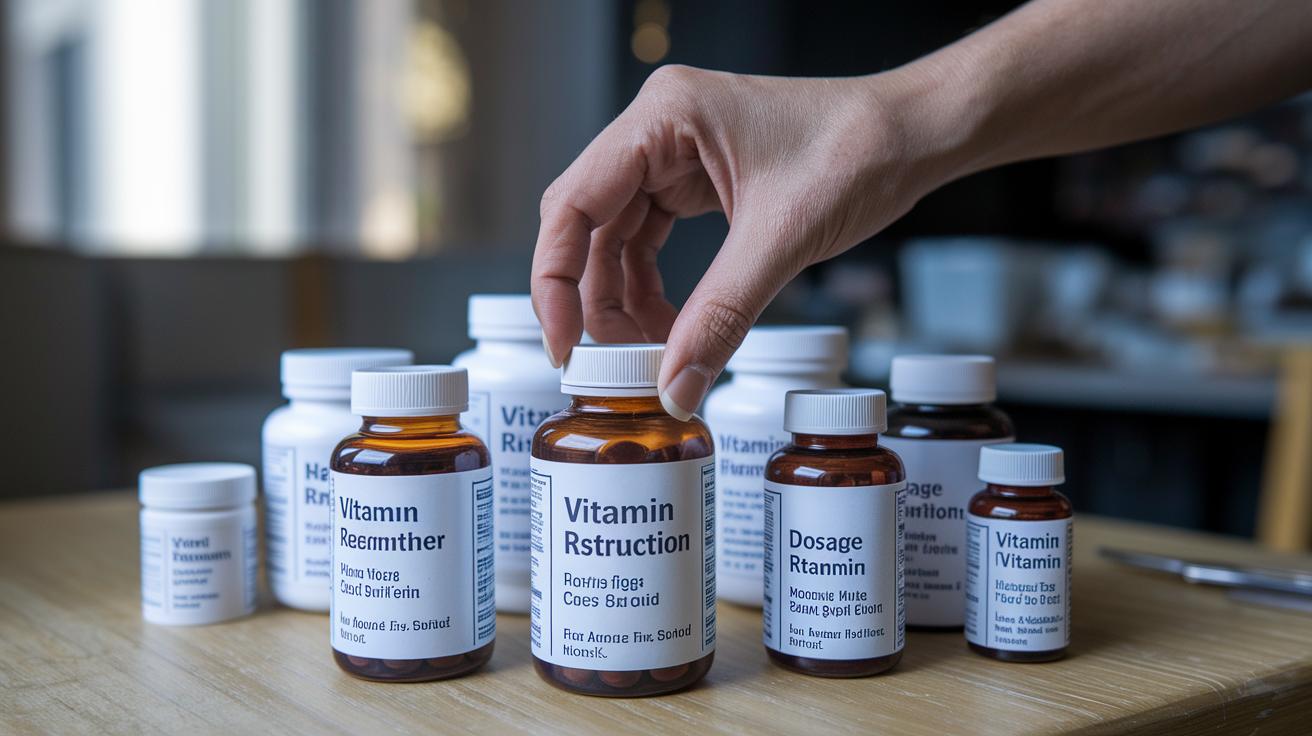
When using supplements to help ease stress, it's important to follow clear, research-backed advice on both the dose and safety. Check the labels to stay within the recommended amounts. For example, a B Complex vitamin usually provides 50 to 100 mg per vitamin, and Vitamin C should be taken in doses of 500 to 1,000 mg each day to help avoid an upset stomach.
Magnesium doses depend on gender. Women generally need about 310 to 320 mg, while men require about 400 to 420 mg daily. However, if you're using a supplement, it's best to keep it under 350 mg per day. When it comes to melatonin, you'll generally find 1 mg or 5 mg doses available. Because the labels can vary and melatonin can interact with some medications, it's wise to be cautious.
If you mix these nutrients with other drugs or have specific health concerns, you might want to talk to a healthcare professional for advice that's just right for you.
| Nutrient | Recommended Dose | Caution |
|---|---|---|
| B Complex | 50–100 mg per vitamin | Follow product guidelines; do not exceed recommended limits |
| Vitamin C | 500–1,000 mg per day | May cause stomach upset if taken in excess |
| Magnesium | 310–320 mg for women, 400–420 mg for men; supplement max 350 mg/day | Monitor total intake to avoid consuming too much |
| Melatonin | 1 mg or 5 mg doses | Check labels carefully for inconsistencies and potential drug interactions |
How to Choose Quality Stress Relief Vitamin Supplements
When picking vitamins to help manage stress, look for signs that the product is truly top-notch. Check for seals from trusted third parties and clear lists of ingredients. These markers mean experts have tested the product, so you can feel more at ease. Make sure the supplement is backed by clinical research too, with proper dosage guidelines verified by science. This extra care helps you find a supplement that not only calms your nerves but also fits nicely into your overall wellness plan.
As you build your stress-fighting toolkit, consider some trusted products. Here are a few options that many find helpful:
| Product | Servings | Key Benefit |
|---|---|---|
| Ritual Stress Relief | 30 | Three-ingredient capsule for a calming effect |
| HUM Nutrition Big Chill | Not specified | Adaptogen blend that is third-party tested |
| SFI Health Magnesium Glycinate | 100 | Helps support muscle and nerve function |
| Klaire Labs Ashwagandha Extract | 60 | Focused on reducing cortisol levels |
| Pure Encapsulations L-Theanine | 60 | Promotes a sense of calm |
| MegaFood Balanced B Complex | 30 | Provides essential B vitamins |
| Nature Made Vitamin D3 | 100 | Recognized for its verified purity |
Each of these supplements is designed to help support your calm and overall health. Remember, choosing the right product is like building a simple daily routine that works just for you.
Expert Advice and When to Consult a Professional on Stress Relief Vitamins

If you notice any unusual reactions or are thinking about taking more of a vitamin for stress relief than usual, it's a good idea to talk with a healthcare provider. For example, sometimes too much vitamin B6 can give you a tingling feeling in your hands. I once felt a little numb and mentioned it to my doctor, who helped adjust my intake.
Your vitamins should be part of a bigger plan that includes exercise, eating a balanced meal, and other ways to ease stress. A healthcare professional can help you see if there are any risks that might not be obvious from the general advice you read. I remember chatting with my pharmacist about my medications, and they explained that I might need to change how I use my supplements for the best help.
Keep in mind, this advice is just general information. It isn’t a substitute for personal medical advice. If you ever feel unsure or have conditions that need special care, ask a professional, like, "Can you help me figure out if the vitamins I'm taking are safe along with my other treatments?"
Final Words
In the action, we explored a range of stress relief vitamins that work to ease tension and promote calm. The blog highlighted key vitamins, herbal supplements, proper dosages, and tips on selecting quality products. We even shared practical advice on when to check with a professional for personalized care.
By pairing these insights with your daily routine, you can take a meaningful step toward better living, fitness, and overall wellness. Keep moving forward and nurture your body with effective stress relief vitamins.
FAQ
What is the best vitamin for stress and anxiety?
The best vitamin for stress and anxiety usually involves a mix of stress-relief nutrients like vitamin B complex, vitamin C, vitamin D, and magnesium. These help support brain function and promote a calm state.
Do stress vitamins and supplements really work for reducing anxiety, depression, and sleep issues?
Stress vitamins and supplements can work by aiding hormone balance and lowering cortisol levels. Using them alongside regular exercise, good sleep, and a healthy diet can enhance their calming effects.
How do vitamins help reduce stress and anxiety?
Vitamins help reduce stress by supporting mental clarity and emotional balance. They work best as part of a broader lifestyle plan that includes physical activity and mindful relaxation techniques.