Ever wondered if your breath has a secret to giving you more energy and calm? With Pranayama breathing, you can use simple steps to ease your tension and lift your vitality. Imagine using your everyday breaths to keep your mind clear and focused. This article walks you through easy exercises you can do at home. They help refresh your body and bring a gentle, peaceful feeling to your daily routine.
Essential Pranayama Practices for Beginners
Starting with these five easy breathing techniques can really help you relax and boost your energy. They use your breath as a tool to calm your mind and refresh your body. Sit comfortably with your spine straight, your shoulders loose, and your left palm on your knee to get the best results.
These beginner practices can lessen tension and help you focus. Each method trains you to control your breath, so you can slowly move on to more advanced exercises when you’re ready. Make sure you’re in a quiet, airy space, and if you ever feel light-headed, take a break right away.
- Ujjayi (Ocean Breath): Sit snugly and close your mouth. Tighten your throat just a bit to make a soft, ocean-like sound as you breathe in a steady rhythm.
- Kapalabhati (Skull Shining Breath): While sitting comfortably, breathe out forcefully and let your inhalations happen naturally. Stop if you feel dizzy.
- Simhasana (Lion’s Breath): Relax your face, then push out your breath hard while sticking your tongue out. This helps ease tension and clear your mind.
- Sama Vritti (Equal Breath): Try to make your breathing even by matching the length of your inhales and exhales. You might add a short pause between them.
- Nadi Shodhana (Alternate Nostril Breath): Use your fingers to gently close one nostril at a time, so air flows into one side and then the other. This helps balance your breathing.
Aim to practice these exercises for about 5–10 minutes each day. Start slowly and notice how your body reacts. Over time, as you get more comfortable, you can try longer sessions or small changes in your routine, always keeping the focus on mindful breathing.
Traditional Roots of Pranayama Breathing Techniques
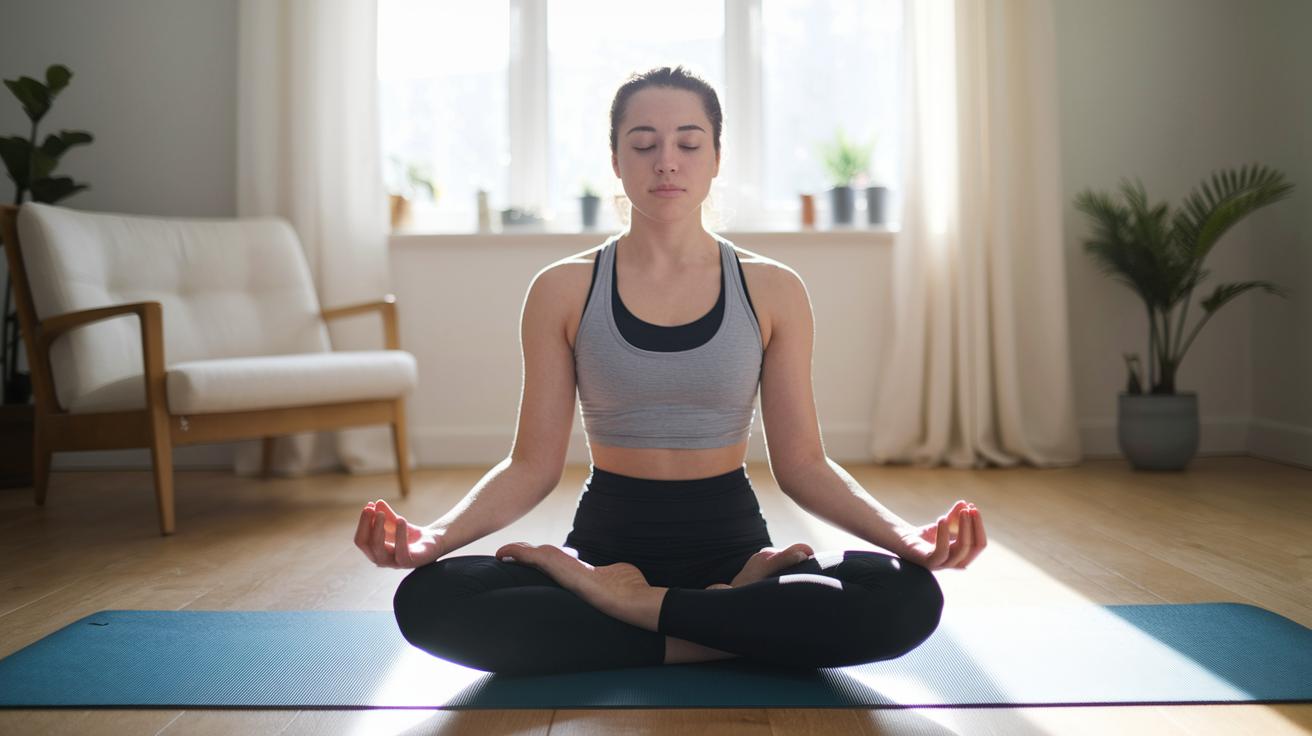
Prana stands for the life energy that flows in every living being. In ancient yoga writings, prana is seen as the basic power that helps both our bodies move and our minds stay clear. Ayama means control, or learning how to manage your breath to affect that energy. Early yogis used these practices as a way to get ready for meditation and to feel more connected inside.
These breathing techniques were a key part of classical Hatha Yoga. They not only helped cleanse the body’s subtle energy channels but also set the stage for a calm and balanced mind. Old manuals even list eight main breathing methods designed to balance our physical body with our inner self.
People practiced these techniques every day for both spiritual and physical care. They would take a few quiet moments, sitting with a straight back and relaxed shoulders, using slow breaths to center their thoughts and boost their well-being. Even today, modern wellness plans, like the holistic guide to wellness, continue to draw inspiration from these age-old practices.
Pranayama Breathing Techniques: Step-by-Step Instructions
Dirga Pranayama
Sit up straight and let your hands rest gently on your knees. Slowly fill your lower, middle, and upper lungs with air, as if you were stacking soft breaths one on top of the other. Breathe in with care and then let the air out just as gently.
Nadi Sodhana Pranayama
Sit comfortably with your back straight. Use your right thumb to cover your right nostril, and breathe in slowly through your left side. Hold for a moment, then close your left nostril with your ring finger and breathe out through the right. This simple switch helps keep your energy balanced.
Shitali Pranayama
Find a relaxed seat with a straight spine and roll your tongue into a tube shape if you can. Breathe in slowly through your tongue and feel the cool rush of air calm your body. Then, close your mouth and breathe out naturally. It’s a refreshing way to soothe your mind.
Ujjayi Pranayama
Sit in a comfy position with relaxed shoulders. Slightly tighten your throat while inhaling and exhaling quietly through your nose so you hear an ocean-like sound. Focus on keeping a steady, gentle rhythm that calms both your body and your mind.
Bhramari Pranayama
Keep your eyes closed and place your fingertips lightly on the soft part of your ears. Breathe in slowly, then exhale making a soft humming sound similar to a buzzing bee. This calming technique can help ease stress and bring a sense of peace.
Bhastrika Pranayama
Sit up straight with your hands resting on your thighs. Take quick, strong breaths out while letting the natural breath come in on its own. This active fire breath boosts your energy and warms up your body.
Viloma Pranayama
Sit upright with a calm back and relaxed hands. Now, break your breath into small segments with short pauses in between. This step-by-step breathing helps you become aware of the natural flow of air moving within you.
Kapalabhati Pranayama
Sit evenly with your back straight and place your hands gently on your knees in a peaceful mudra. Forcefully exhale while the inhalation happens automatically, keeping a clear, rhythmic motion. This Skull Shining Breath cleanses your system and fills you with energy.
Pranayama Breathing Techniques: Building a Daily Routine
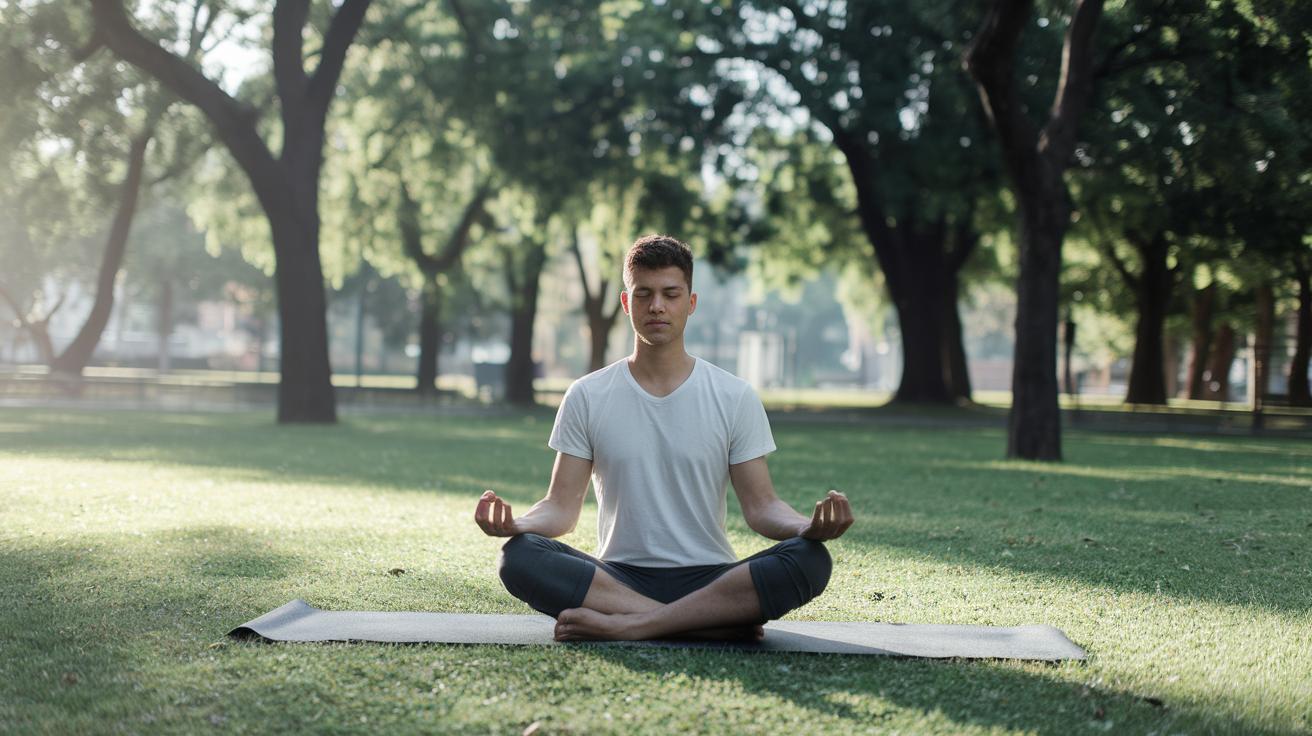
Making a habit of daily pranayama can bring a welcome structure to your day. It helps clear your mind and gives you more energy. A steady breathing routine creates a calm space for clear thoughts and balanced oxygen flow.
Start your practice with Sama Vritti, or Equal Breath. In this exercise, you breathe in, hold, breathe out, and pause for the same count, try counting 4 for each step. This simple method helps you control your breath and gets you ready to breathe deeper. Next, move on to Dirga Pranayama, also called the Three-Part Breath. As you do this, slowly fill your lower, middle, and upper lungs one after the other. Keep a steady pace and sit up straight so your breath can flow easily.
Now try Nadi Sodhana, which is the alternate nostril technique. This method gently shifts the air from one nostril to the other, helping to balance your energy. Finish your routine with Bhramari breathing. Known as the humming bee breath, it involves making a soft humming sound that soothes your mind and eases any tension.
Aim for a morning session of 10 to 15 minutes and an evening practice of 5 to 10 minutes. Over time, this daily air discipline can make both your body and mind feel more balanced and strong. Enjoy every breath and notice how even a few minutes can brighten your day.
Advanced Pranayama Breathing Techniques for Deep Practice
Breath retention, also known as kumbhaka, is a simple yet powerful way to help your lungs work better. Try a breathing cycle where you breathe in for one count, hold for four counts, and breathe out for two counts. This pause in between your breaths makes it easier to focus and builds up the strength of your breathing muscles. It’s a little like teaching your body a new dance move, one step at a time.
Balancing warm and cool breathing techniques is really important as you move deeper into your practice. You might use active breaths like Bhastrika and Kapalabhati during a slow, steady yoga flow to warm up your body gently. Then switch to cooling practices like Sheetali and Sitkari to help calm your system. Remember to listen to your body and take things at a pace that feels right for you.
Health Benefits of Pranayama Breathing Techniques
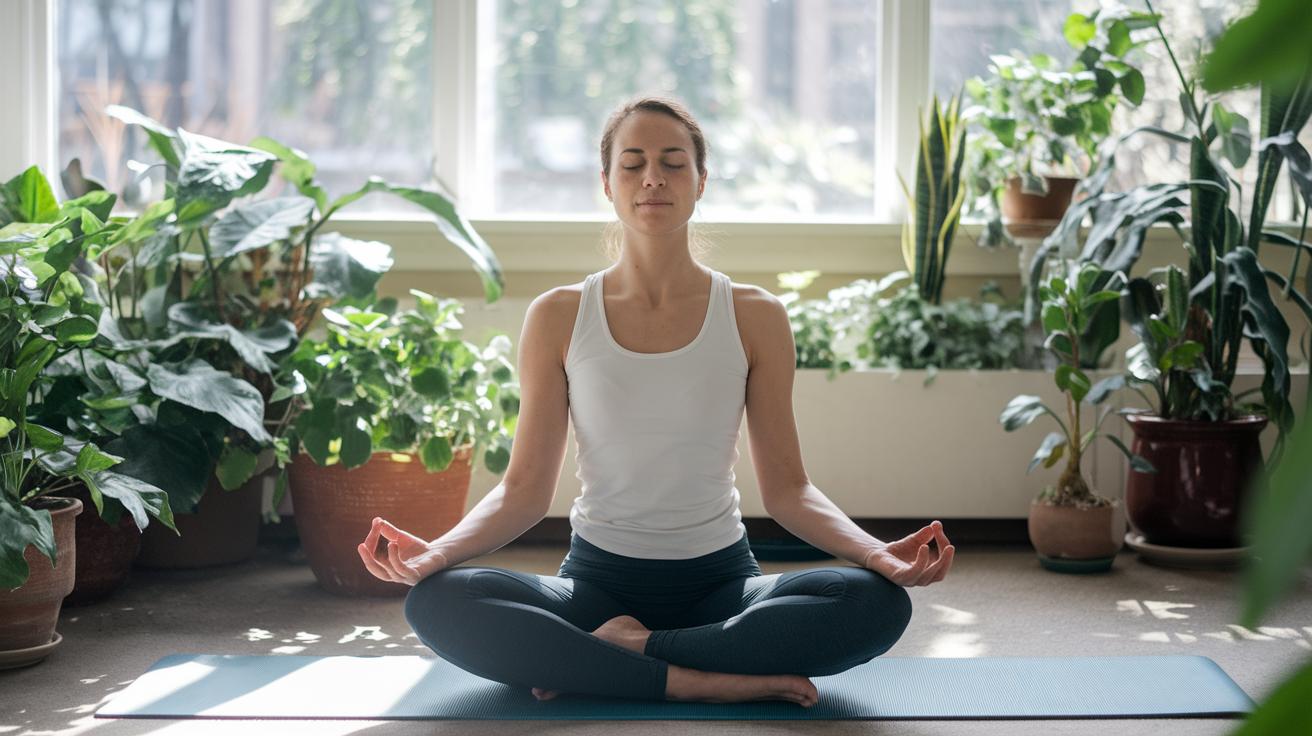
Recent research shows that pranayama, a set of breathing exercises, helps lower stress by reducing hormones like cortisol. Studies have found that regular practice can also boost lung capacity, which means your body gets more oxygen during daily activities.
The slow, careful exhalations help trigger the vagus nerve, a part of your body that helps calm your heart and relax your mind. In simple terms, these breathing techniques can lower blood pressure and ease anxiety, making them a handy tool for improving overall health.
- Pranayama helps keep stress hormones in check, leaving you more relaxed.
- It increases lung capacity to support better oxygen flow in your body.
- The gentle slow breath activates the vagus nerve, which can help lower blood pressure.
- Regular practice might improve your sleep and boost mental focus.
- It promotes emotional balance by reducing feelings of anxiety.
Try integrating these breathing techniques into your routine. Along with natural remedies, pranayama offers a science-backed way to nurture your physical, mental, and emotional well-being.
Safety Considerations for Pranayama Breathing Techniques
When doing pranayama, keeping a good posture is very important for boosting your energy safely. Sit in a quiet room where fresh air flows freely. Make sure your back is straight, your shoulders are relaxed, and your head is balanced. You might even let your left palm rest gently on your knee if it feels right. This simple position helps your breath flow easily and keeps your muscles from getting too tired.
Always pay close attention to how you feel during your practice. If you have any issues like pregnancy complications, high blood pressure (hypertension), eye problems like glaucoma, or heart conditions, it might be best to skip these techniques. And if you start to feel dizzy, have chest pain, or get too out of breath, stop right away and take a break. Start with short sessions and then slowly make them longer as your body gets used to it. In truth, listening to your body is the best way to enjoy the benefits while keeping yourself safe and sound.
Final Words
In the action, we explored simple practices like Ujjayi and Nadi Shodhana, touched on ancient roots, and gave step-by-step guides for daily routines and advanced exercises. It all shows that a mindful practice can boost physical and mental well-being.
We wrapped up safety tips and encouraged starting slow. With regular light sessions, you can embrace the benefits of pranayama breathing techniques and enjoy daily moments of calm and clarity.
FAQ
Frequently Asked Questions
What is Pranayama breathing techniques PDF?
The Pranayama breathing techniques PDF offers a handy file that outlines various breathing methods in clear steps, making it easy to start and follow proper practices safely.
What are Pranayama breathing techniques for beginners?
The Pranayama breathing techniques for beginners include simple methods like Ujjayi and Kapalabhati. They encourage a straight posture and mindful breath control to gradually enhance lung capacity.
How are Pranayama breathing techniques performed step by step?
The Pranayama breathing techniques step by step guide explains posture, hand placements, and specific patterns of breathing. This clear instruction helps practitioners execute each method correctly for better results.
What are the 7 types of Pranayama?
The 7 types of Pranayama typically refer to methods such as Ujjayi, Kapalabhati, Bhastrika, and others that promote oxygen flow, calmness, and energy balance through different breathing patterns.
What is Ujjayi Pranayama?
Ujjayi Pranayama involves a slight throat constriction to create a soft ocean-like sound. It helps improve breath control and calm the mind, making it a favored practice for meditation preparation.
What are the benefits of Pranayama?
Pranayama benefits include reduced stress, improved lung capacity, and better mental clarity. This practice also helps lower blood pressure and promotes a sense of calm by activating the parasympathetic system.
What are the types of Pranayama and their benefits?
Different types of Pranayama, like Nadi Shodhana and Bhastrika, offer benefits ranging from balancing energy and soothing anxiety to boosting circulation and increasing overall respiratory strength.
What is Bhastrika Pranayama?
Bhastrika Pranayama uses forceful, rhythmic breaths to energize the body. Its vigorous exhalations stimulate circulation and help sharpen focus, making it a dynamic addition to breath training.
What are the 5 basic Pranayamas?
The 5 basic Pranayamas often include techniques such as Ujjayi, Kapalabhati, Nadi Shodhana, Sama Vritti, and Simhasana. They each target specific areas of breath control that support overall well-being.
How do you do Pranayama breathing?
Pranayama breathing is done by sitting with a straight spine, placing the hand on your knee, and following a balanced pattern of deep inhalations and exhalations to promote calm and clear energy flow.
What are the 8 types of Pranayama?
The 8 types of Pranayama are Dirga, Nadi Shodhana, Shitali, Ujjayi, Bhramari, Bhastrika, Viloma, and Kapalabhati. Each technique targets different functions, from calming the mind to boosting vitality.
What is considered the most powerful Pranayama technique?
The most powerful Pranayama technique is often seen as Bhastrika due to its vigorous rhythm that energizes the body through forceful breath cycles, aiding both mental clarity and physical alertness.