Do you sometimes feel weighed down by lesson plans and a packed schedule? Teaching can really take the fun out of your day and leave you feeling tired. Research tells us that simple deep-breathing techniques and mindfulness can ease anxiety and sharpen your focus.
Imagine pausing for just a minute to catch your breath, feeling calm slowly fill your busy day. When you use these easy, proven methods to relax, you might turn stress into a burst of energy that lights up your classroom and lifts your spirit.
Managing Teacher Stress: Top Evidence-Based Strategies
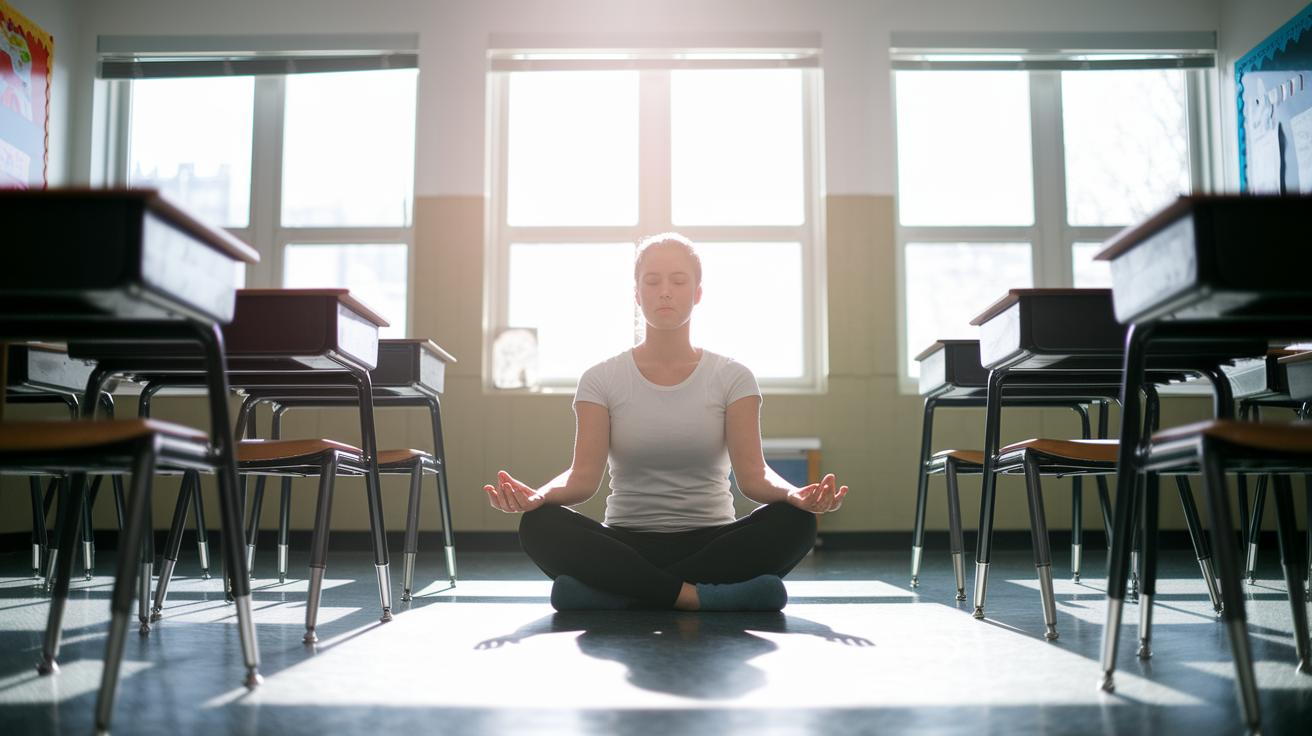
Teachers face many challenges every day. Using proven tools like mindfulness and deep breathing can help ease anxiety and sharpen your focus in the classroom. Research tells us that these simple methods can lift your energy and brighten your teaching experience.
When you build healthy habits based on solid evidence, you not only lower stress but also create long-lasting well-being. With 16 practical steps to choose from, teachers can find what works best to ease workload pressures and nurture a calmer learning space.
- Try mindfulness with deep breathing to clear your head.
- Set clear boundaries between work and home life.
- Learn to say "no" when you have too much on your plate.
- Team up with colleagues to share ideas and lean on each other.
- Add a bit of physical movement, like a brisk walk or a quick exercise break.
- Eat healthy foods to fuel your body and mind.
- Celebrate small wins and feel thankful for daily accomplishments.
Start your day with a few minutes of focused breathing or a short meditation. Then, list your main tasks and plan when to take breaks. During the day, pause to enjoy small successes, like a lesson that went well or a kind moment with a student. By mixing clear boundaries with a bit of movement, managing stress becomes a natural part of your school day, keeping anxiety low and your spirit high.
Recognizing Stress in Teaching: Signs and Triggers Educators Face

Noticing stress early on can really help you switch up your routine before things get too overwhelming. When you feel worn out or snappy, it might be a sign that something at work is weighing you down.
| Stress Sign | Source/Trigger |
|---|---|
| Fatigue | Heavy workload |
| Headaches | Performance pressure |
| Insomnia | Unrealistic expectations |
| Irritability | Classroom disruptions |
Using a quick self-check like this can help you zero in on the signs and understand what’s behind them. With this clear insight, you can adjust your daily habits, manage stress better, and create a more balanced, focused classroom vibe.
Mindfulness and Meditation for Teacher Stress Relief

Mindfulness in education offers a simple but strong way to sharpen awareness and keep emotions steady. It helps teachers stay in the moment during busy days and softens the stress of running a classroom. Even just a few minutes of mindful practice eases anxiety and creates a calmer, more focused teaching atmosphere.
Deep Breathing Techniques
Try these easy exercises that you can lead in class or enjoy during a break:
- Belly breathing: Breathe in slowly through your nose so your belly fills with air, then gently breathe out through your mouth.
- Box breathing: Inhale for 4 seconds, hold for 4 seconds, exhale for 4 seconds, and pause for 4 seconds before repeating.
- Alternate nostril breathing: Close one nostril gently, take a deep breath, then switch to exhale through the other nostril before reversing the process.
Short Classroom Meditation Routines
Think about inserting quick meditation sessions that work with your busy schedule. For instance, guide a 5-minute body scan where students quietly notice how each part of their body feels. Another idea is a mindful listening exercise with soft background sounds to help everyone reset between lessons.
Adding these mindfulness techniques into your daily routine can be as simple as taking a brief pause before a class or after a busy lesson. They make stress relief a natural part of your teaching day.
Classroom Tension Reduction Methods for Teachers

Teachers can make the classroom feel calm by setting clear rules and fair consequences that everyone knows. Using a simple signal like a raised hand or a color check reminds students of the rules in a friendly way. A seating chart can also help by placing students where distractions are low, which makes moving from one activity to the next feel smoother and keeps stress levels down.
Another simple idea is to pace lessons with planned time for breaks. Short pauses give both teachers and students a chance to catch their breath and refocus. Using online gradebooks and planning tools takes some of the busy work off the teacher’s plate, so more time goes to teaching. These easy steps create a more organized classroom where everyone can enjoy learning.
Teacher Coping Practices and Support Networks

When teachers feel connected, their day becomes a bit brighter. A solid support network lifts their spirits and helps them feel energized. They share their everyday challenges, swap creative lesson ideas, and even share a vent when needed. Real connections make a big difference.
Many schools hold weekly meetings where teachers chat about what worked and what didn’t. They discuss lesson outcomes, share classroom tips, and get real about their struggles. These sessions help everyone feel heard and understood, especially when mentoring pairs up seasoned educators with those just starting out.
Online hubs are a great backup too. They offer digital tools like ready-made lesson plans, simple stress relief techniques, and resources on social-emotional learning. These platforms make it easy to find help quickly during a busy day. Plus, connecting with educators from different places shows that sharing ideas lightens the load and makes teaching more rewarding.
Burnout Prevention Strategies and Long-Term Well-Being for Teachers

Teachers face a tough job with more stress and burnout than many other fields. Instead of quick fixes, they need a long-term plan that really cares for both the mind and body. When you focus on building steady habits, you create strength to handle all the daily pressures. It is much better to work toward changes that last than to look for an easy escape.
Teachers can use a simple framework called the Four A's: Avoid, Alter, Accept, and Adapt. First, try to avoid spending too much time on tasks by cutting down on extra work like needless paperwork. Next, alter how you do things by tweaking lesson plans or daily routines to ease the stress. Then, accept that some problems are simply part of teaching and see them as chances to build your coping skills. Finally, adapt by adjusting your plans when unexpected changes pop up. For example, you might use digital tools to reduce extra grading, switch up class activities to keep students engaged, be gentle with yourself when small mistakes happen, and update your lesson plans on the fly.
Creating a daily self-care routine is very important. Simple habits like regular exercise, eating healthy, and taking breaks can really change your whole school year. Think about taking a short walk between classes or enjoying a quiet moment during lunch. Sticking to these habits helps lower stress and makes it easier to stay balanced all year long.
Final Words
In the action, this article offered evidence-based strategies for teacher stress management, touching on mindfulness, classroom techniques, and self-care methods. We aimed to give you actionable insights to bring calm and focus into your workday.
• Deep breathing exercises
• Brief meditations
• Setting clear boundaries
• Scheduled breaks
• Peer support networks
• Physical activity
• Nutritious meal planning
Mixing these techniques into your daily routine can improve stress management for teachers and lead to a more balanced, positive work environment.
FAQ
Are there stress management resources for teachers in PDF or PPT formats?
The stress management for teachers PDF and PPT offer ready-to-use guides that provide clear techniques and visual tools to help educators reduce stress and improve classroom focus.
How can teachers manage stress in the workplace?
Managing stress in the workplace involves adopting practical techniques like mindfulness, setting boundaries, and using organized routines to lower pressure and boost overall well-being.
Why is stress management important for teachers?
The importance of stress management for teachers lies in lowering burnout, improving classroom focus, and supporting overall health by using proven, evidence-based strategies.
Is there a book on stress management for teachers?
The stress management for teachers book offers research-based methods and self-care tips designed to help educators tackle daily challenges and sustain a balanced lifestyle.
How do teachers handle stress, especially for interview scenarios?
Handling stress as a teacher, as seen in interviews, means using techniques like mindfulness, setting clear limits, and collaborating with peers to feel more confident and calm.
What does teacher stress research show?
Teacher stress research shows that high workload and classroom disruptions are common triggers, and that using focused, evidence-based strategies can help reduce these stress levels.
How do you actively manage stress as a teacher?
Managing stress as a teacher means regularly practicing mindful breathing, maintaining healthy routines, and seeking support, all of which help keep stress manageable.
What are the 5 R’s of stress management?
The 5 R’s of stress management—recognize, respond, reflect, relax, and rejuvenate—offer a framework for identifying stress signals and taking quick action to feel better.
What are the 3 C’s of stress management?
The 3 C’s of stress management—control, cope, and calm—highlight key strategies that help educators maintain balance and address stress through practical, focused methods.
What are the 5 A’s of stress management?
The 5 A’s of stress management—avoid, alter, accept, adapt, and act—provide a clear approach for dealing with stress factors and creating a healthier teaching environment.