Ever notice how stress can steal your sleep at night? When your mind is racing and your body feels tense, stress releases hormones that mess up your natural sleep rhythm. This is a common problem many of us face when pressures from work, school, or home start to pile up.
The trick is to see how stress fools your body and then try small, calming habits to set the stage for a good night's rest. Think of it like winding down after a busy day, a few simple changes can ease your mind and help you drift off peacefully. Soon, you'll find yourself reclaiming your nights and waking up feeling refreshed, ready to take on whatever comes next.
stress induced insomnia: Embrace Peaceful Nights

Stress induced insomnia happens when stress makes it hard to fall asleep or stay asleep. It’s common when you’re dealing with ongoing pressure at work, school, or home. When your mind races and your body stays tense at bedtime, falling asleep can feel almost impossible.
Your body reacts by releasing hormones like cortisol and adrenaline (these help you respond to threats). When stress kicks in, these hormones spike and keep you alert, making it tough for melatonin, the hormone that tells your body it’s time to sleep, to do its job. Constant high cortisol levels can confuse your internal clock, disrupting your sleep cycle and lowering sleep quality.
Over time, this creates a loop. Poor sleep adds to your stress, which makes it even harder to rest well later. It’s a cycle that can feel overwhelming.
The key is breaking that cycle. Try calming activities like deep breathing or a quiet, gentle walk before bed. Even small changes in your routine can help ease your mind and lead to more peaceful nights.
Recognizing Symptoms of Stress-Related Sleeplessness

Ever notice that stress can sneak into your night and mess with your sleep? It might show up as a racing mind that just won’t settle down. When you catch these early hints, it's easier to make small changes that help quiet your thoughts and ease that nighttime anxiety. Knowing about these signs also helps you see how stress might be draining your energy and changing your mood.
- Hard time falling asleep because your mind refuses to quiet down.
- Waking up several times during the night and breaking your sleep rhythm.
- Sleep that doesn't refresh you, leaving you tired come morning.
- Daytime fatigue and headaches that hint your body is worn out.
- A busy, racing mind that stops you from calming down at bedtime.
- Mood swings or pulling away from friends when stress feels too heavy.
Catching these signs early can really tip the scales in your favor. When you see that stress is causing a racing mind at night or making you wake up too often, it’s a signal to try some easy fixes, like a calm bedtime ritual or a few relaxation techniques. Even setting aside a few moments of quiet before you sleep can help reduce that anxious feeling. Noticing these signs not only tells you where your sleep struggles are coming from but also opens up a path to simple, practical solutions for more peaceful nights and brighter, more energetic mornings.
Medical and Psychological Causes Behind Insomnia from Stress

Stress can kick off a series of changes in our body that make it hard to sleep. When you're under stress for a long time, your body messes with hormone production and throws off your sleep cycle. This constant strain can lead to trouble falling asleep and staying cozy all night.
How Stress Affects Your Hormones and Sleep
When you're stressed, your body releases extra cortisol and adrenaline. These hormones try to keep you alert and awake, making it tough for sleep signals to come through. High cortisol levels can push back your bedtime and break up the deep, refreshing sleep your body needs. Imagine trying to enjoy a quiet movie while someone keeps turning the lights on, that’s a bit like how stress interrupts your sleep.
Your Overactive Mind at Night
Sometimes your mind just won’t wind down after a busy day. Stress can leave your thoughts racing, making every little worry seem louder. It’s much like trying to silence a buzzing radio when you need a moment of quiet. Even when you’re ready to sleep, that stream of thoughts can keep you awake, holding onto the stress long after the day is over.
Both the hormonal changes and the busy mind can create a cycle that makes catching a good night’s sleep seem impossible. Remember, each part of this cycle feeds the other and makes breaking free from it even harder.
Effective Strategies to Ease Stress-Induced Sleeplessness

Sometimes, mixing a few simple habits can really help you unwind at night. When you combine different techniques, you give both your body and your mind a chance to shake off the stress of the day. Imagine settling into a calm evening that leads you right into a deep, refreshing sleep.
- Stick to a bedtime routine, maybe read a chapter or do a few gentle stretches.
- Keep your screens out of the bedroom by practicing a Digital detox to cut down on blue-light.
- Write in a journal to let go of those anxious thoughts and clear your mind.
- Try progressive muscle relaxation: tense one muscle group and then relax it, moving through your body step by step.
- Give the 4-7-8 breathing technique a shot: breathe in for 4 seconds, hold for 7, and exhale for 8 to calm your body.
- Spend a few minutes with a guided meditation for anxiety to quiet an overactive mind.
- Create a sleep-friendly space by keeping your room cool, dark, and quiet, so your body knows it's time to rest.
Over time, as you build these habits into your nightly routine, your brain will start to associate the evening with winding down. Soon enough, even on stress-filled days, your mind and body will settle into a natural rhythm that helps you sleep soundly.
Treatment Options for Chronic Stress Sleep Issues

During the day, moving your body can really help ease sleep troubles caused by stress. Try taking a brisk morning walk to boost your deep, refreshing slow-wave sleep and let feel-good endorphins do their job. Imagine stepping outside and feeling the cool air wake you up. Keeping a steady sleep schedule and a relaxing bedtime routine, like reading a book or sitting quietly, can help your body get ready to rest. Writing down your thoughts before bed also lets you set aside worries and lower stress levels.
Other non-medication tips can support your daytime habits. Simple techniques such as slowly relaxing your muscles or taking guided deep breaths work wonders. For example, tense your feet for a few seconds and then let go while you focus on your breathing. These easy steps help your body relax naturally and unwind after a busy day.
If these basic methods aren’t enough, you might find help in structured approaches like Cognitive Behavioral Therapy for Insomnia (CBT-I). This method changes the way you think about sleep and eases anxiety when it's time for bed. Sometimes, a short-term sleep aid under a doctor's guidance can also be useful. And if your insomnia sticks around for more than a month, it’s a good idea to seek professional advice for support and a more tailored treatment plan.
Lifestyle Changes to Prevent Stress-Triggered Night Tension
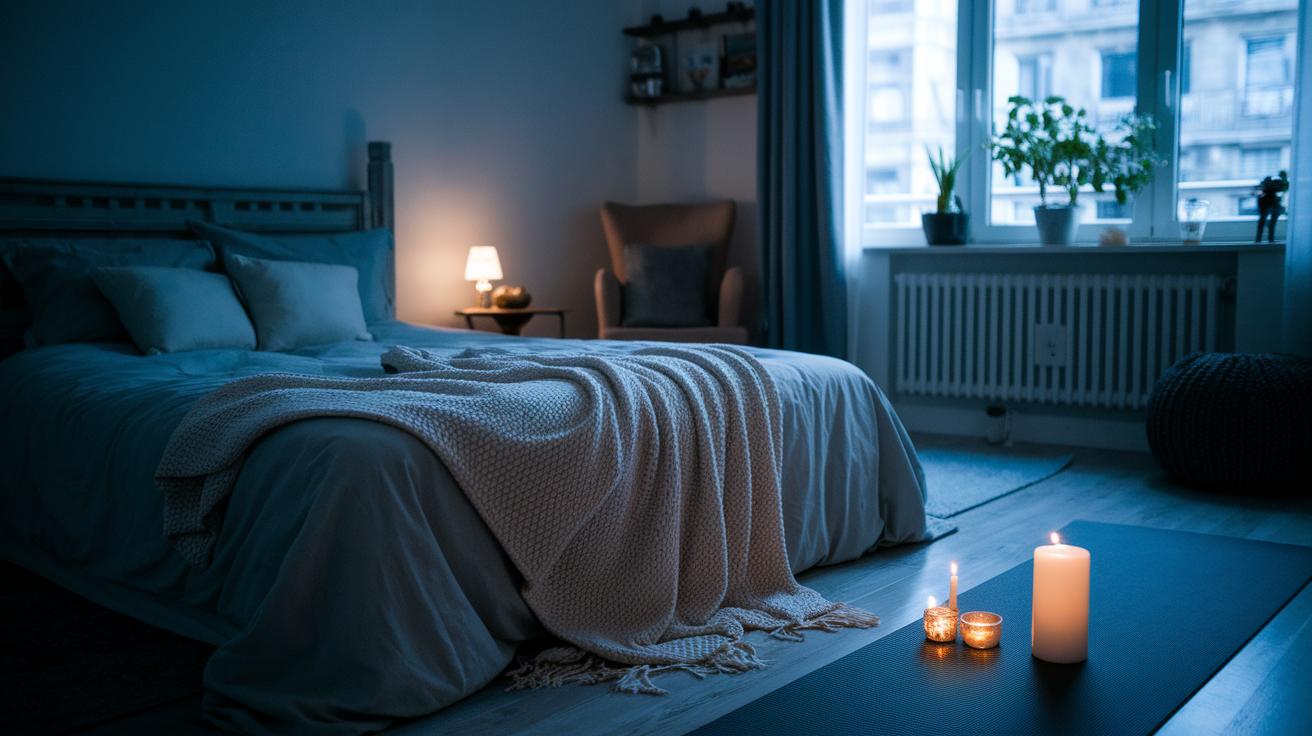
Stick to a regular sleep routine every day, even on weekends. Pair your schedule with an early dinner and cut back on caffeine to help calm your mind before bed. Imagine your body as having its own natural alarm clock, ending your day with a light meal gently tells it to slow down.
Keep your bedroom cool, dark, and quiet to boost melatonin production, the hormone that helps you sleep. Think of your room as a quiet signal for rest, where limited distractions invite your mind to settle down.
Wind down with simple, calming activities before sleep. You might try a short session of light yoga or a few gentle stretches. These easy movements help tell your brain it’s time to relax, easing the tension that can keep you awake.
Final Words
In the action, we explored how stress puts sleep patterns in disarray, highlighting everything from hormone-driven disruptions to the feedback loop that keeps the body awake. We also shared easy tips like streamlined bedtime routines and natural ways to let go of tension. Small changes like journaling or light yoga can pave the way for improved sleep habits. Tackle challenges like stress induced insomnia with these straightforward ideas, and feel the difference as you reclaim peaceful nights and energized mornings.
FAQ
What are the stress-induced insomnia symptoms?
The stress-induced insomnia symptoms include difficulty falling asleep, frequent awakenings during the night, and feeling tired the next day. These signs often come with irritability and daytime fatigue.
How do you fix stress-induced insomnia and sleep when stressed and anxious?
Fixing stress-induced insomnia involves setting a calming bedtime routine, limiting screen time, journaling thoughts, and practicing deep breathing or gentle stretching to ease anxiety and signal your body it’s time to rest.
What insights does Reddit offer about stress-induced insomnia?
Reddit discussions share personal tips like unplugging devices, trying progressive muscle relaxation, and modifying daily routines. These real-life strategies emphasize simple changes to help manage stress at bedtime.
How do claims of curing insomnia in 12 minutes work?
Claims about a 12-minute cure often point to quick relaxation techniques, such as focused breathing exercises, which can momentarily lower anxiety. However, lasting sleep improvements usually come from consistent, long-term habits.
What causes insomnia in females, particularly related to stress hormones?
In females, insomnia can result from stress hormones combined with hormonal fluctuations. The release of cortisol and adrenaline disrupts sleep patterns, making it harder to fall and stay asleep.
How do you treat insomnia in children when stress is involved?
Treating children’s stress-related insomnia starts with a soothing bedtime routine and a regular sleep schedule. Parents can help ease pre-sleep anxiety, and consulting a pediatric health professional can guide safe methods.
What should you do when you can’t sleep because of stress?
When stress keeps you awake, try deep breathing, light stretching, or jotting down your thoughts. These calming activities help clear your mind, and if issues persist, professional advice is a wise next step.
What defines chronic insomnia related to stress?
Chronic insomnia is a persistent sleep problem where stress repeatedly disrupts the sleep cycle. Long-term sleep loss from ongoing stress can lower overall well-being and requires changes in sleep habits and stress management strategies.