Have you ever noticed how one slow, deep breath can change your day? For many older adults, taking a moment to breathe mindfully transforms stress into calm. It might seem simple, but a few gentle, deliberate breaths provide a warm, quiet reset for both your mind and body.
Each soft inhale and exhale helps ease tension, support a good night's sleep, and bring a subtle joy to your routine. Keep reading to discover how this easy practice can add calm and happiness to your everyday life.
Key Benefits of Mindful Breathing for Seniors
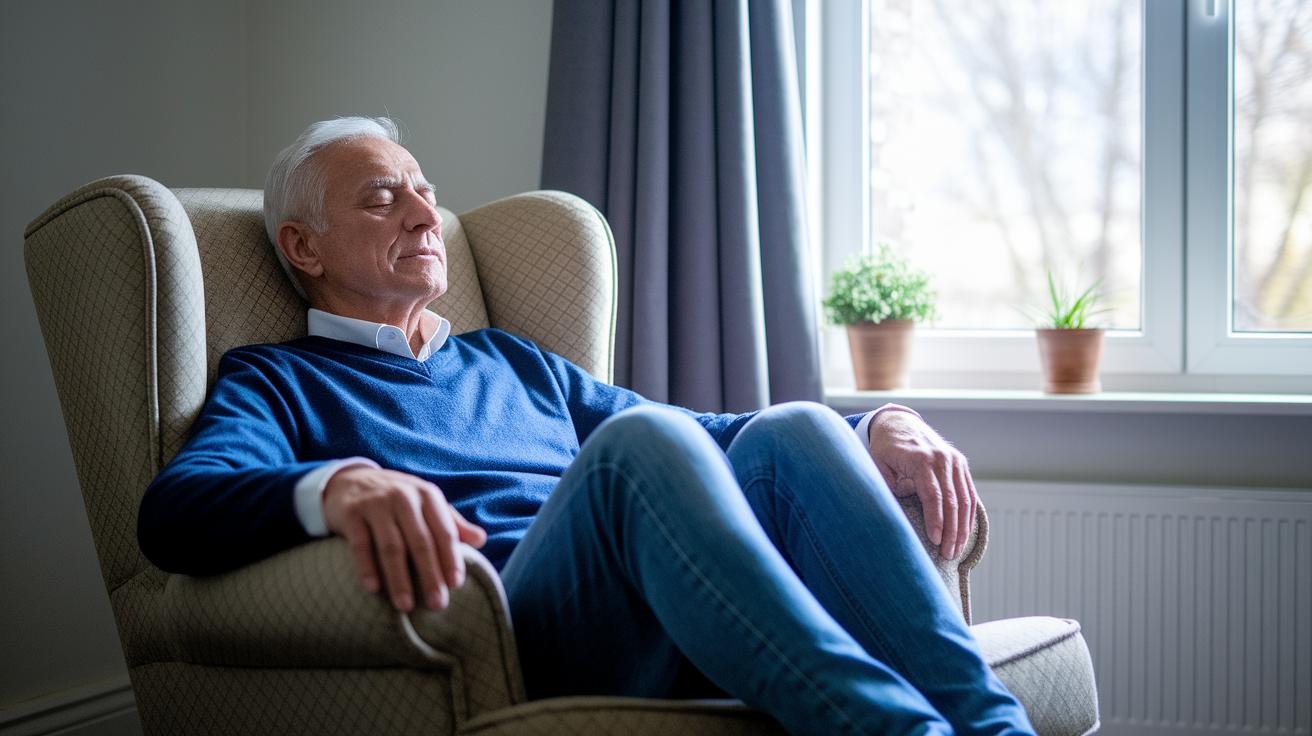
Mindful breathing for seniors is a gentle way to bring calm into your day. It's about really noticing each breath as it comes in and goes out. Picture yourself in your favorite chair, feeling every soft inhale and exhale, like a quiet reminder that peace is always within reach. This little practice helps settle your mind and keeps busy thoughts at bay.
When you take a few deep breaths regularly, you might notice less stress, lower blood pressure, and even better sleep at night. Many seniors share that these calming breathing exercises make their days feel more manageable. I sometimes start my morning with slow, steady breaths; it feels like my body is being told to relax.
Focusing on your breath works like an anchor, gently pulling your mind back to the present. Over time, even the simplest breathing routine becomes a trusted friend against restless nights and everyday discomfort. Each mindful moment can add up to a lasting sense of calm and improved wellbeing.
How Seniors Can Begin Mindful Breathing Practices
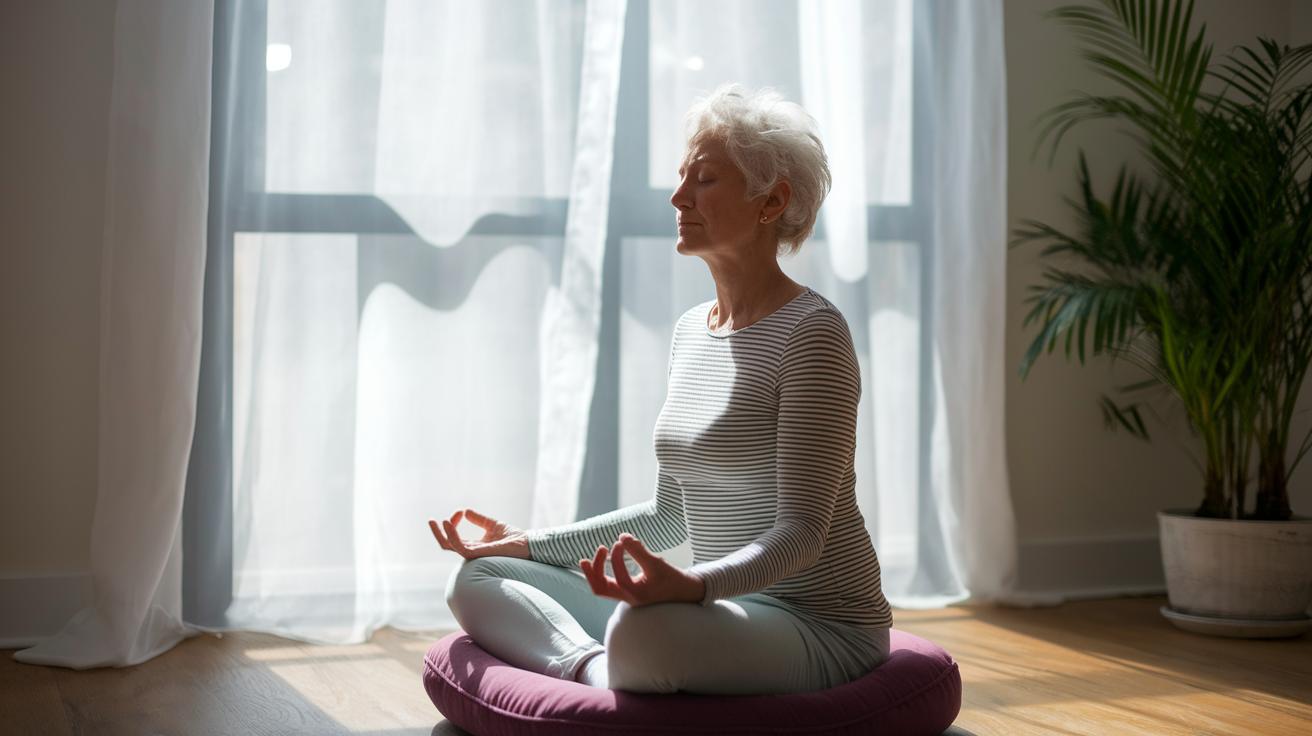
Before you start any breathing exercises, it’s a good idea to check in with your doctor to be sure it’s right for you. Set up in a quiet corner with a comfy chair or cushion where you can feel at ease. This calm space makes it much simpler to enjoy gentle meditation and stress-relieving breathing techniques that are made just for seniors.
Pick a time when you can relax without distractions. A peaceful setting helps you focus on slow, deep breaths and learn to notice your breathing. Soon, as you get more comfortable, you can slowly add a little more time to each session.
- Choose a supportive chair or cushion.
- Set a gentle timer for 5 minutes.
- Relax your shoulders and let your spine be at ease.
- Place one hand on your belly and the other on your chest.
- Start with three slow, deep breaths from your diaphragm (the muscle beneath your lungs).
Step by step, these small changes build a strong foundation for mindful breathing. With every session, you might find more moments of calm and clarity, helping you enjoy the simple pleasure of being in the present.
Essential Mindful Breathing Exercises Tailored to Seniors
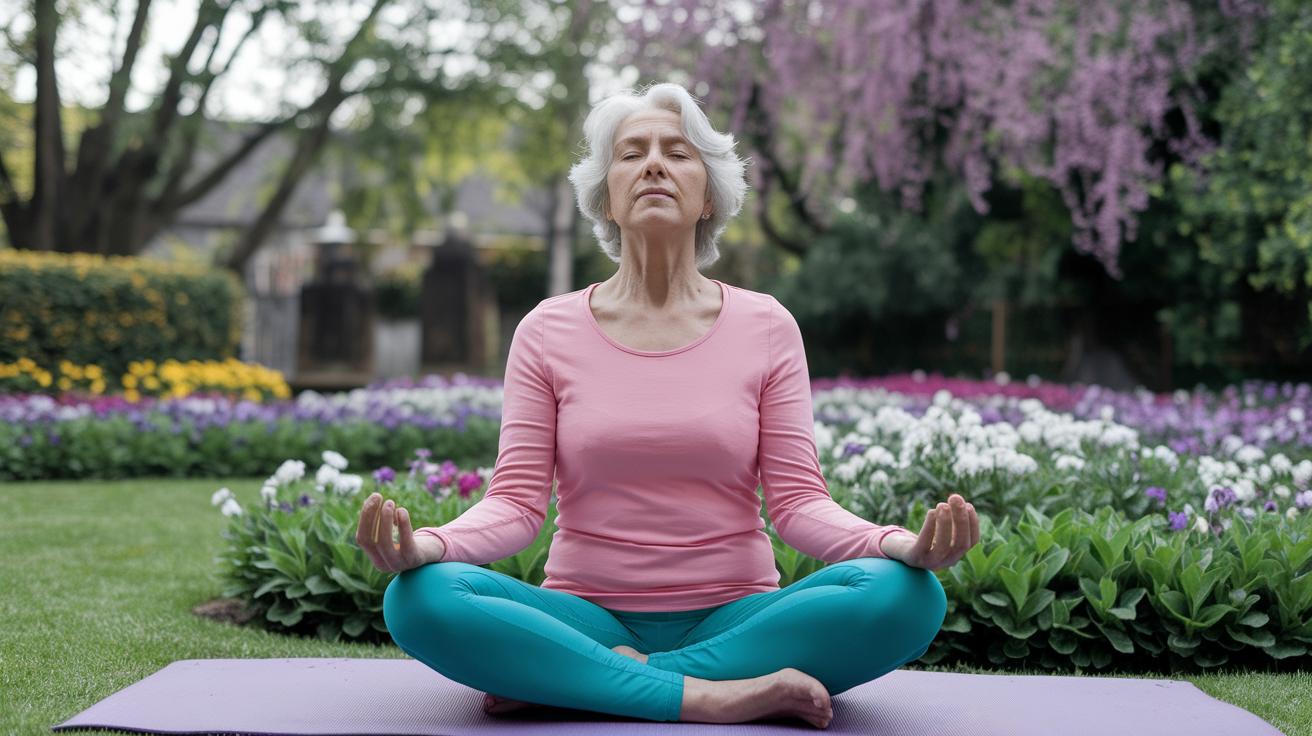
Mindful breathing can help you feel calm and give your lungs a good workout. These simple exercises are created especially for seniors. They mix slow movements with a focus on your breath to create small moments of peace and well-being.
| Technique | Steps | Primary Benefit |
|---|---|---|
| Complete Breathing | Breathe in slowly into your belly, then your chest, and finally let the upper chest fill, then breathe out gently. | Boosts oxygen flow and helps you relax. |
| Pursed-Lip Breathing | Breathe in normally. When you breathe out, purse your lips and exhale slowly. | Regulates your breath and supports lung strength. |
| Humming Breathing | Take a full breath in and then exhale while softly humming. | Creates gentle vibrations that calm your mind. |
| Chinese Breathing | Follow a steady pattern of breathing in and out, much like the slow movements in Tai Chi. | Helps balance your energy and brings calm. |
| Diaphragmatic Breathing | Focus on drawing air deep into your belly to let your diaphragm work. | Strengthens the muscles that help you breathe and eases tension. |
| Feet Breathing | Breathe deeply while gently applying pressure on the feet. | Improves body awareness and makes you feel grounded. |
| Buteyko Breathing | Breathe shallow and slow through your nose, avoiding deep forceful breaths. | Helps manage breathing issues, like those seen in asthma. |
| Breathing While In Pain | Keep your breath slow and measured, even when you feel discomfort. | Reduces stress and eases pain. |
Practice these techniques regularly. Over time, you'll notice that your lungs get stronger and you feel more relaxed. Each little breath brings balance and a sprinkle of joy to your everyday life.
Safety Tips and Modifications for Senior Mindful Breathing
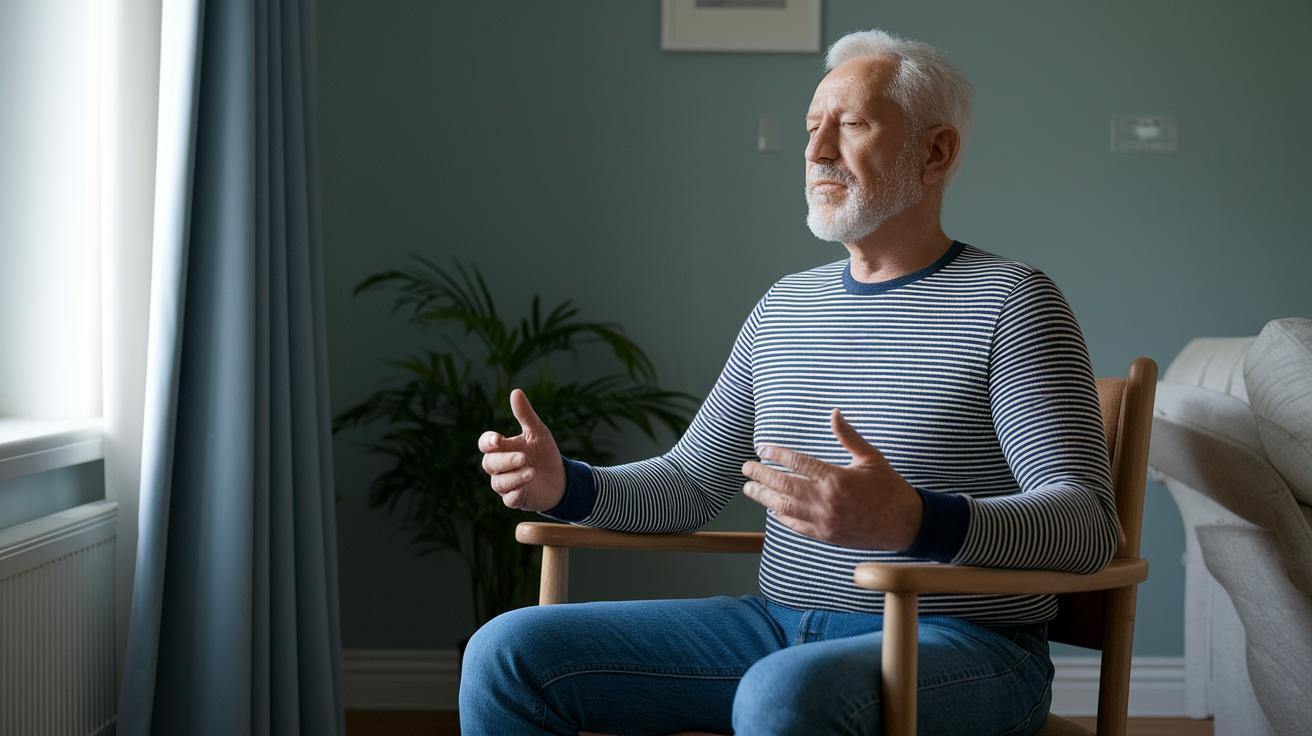
If you're a senior practicing mindful breathing, it's best to sit on a sturdy chair or position yourself near a wall. This gives you extra support and keeps you feeling secure. Instead of using quick, shallow chest breaths, try gentle diaphragmatic breathing. This means letting your belly softly rise as you breathe in, which helps reduce strain while keeping the movements light and natural.
Keep your sessions short, about 5 to 15 minutes, based on how you feel, and consider doing it twice a day. If you ever feel dizzy or overly tired, it's okay to take a break. Listen to your body; if you notice signs like lightheadedness or discomfort, pause your deep breaths. Taking a mindful, careful pace helps keep your lung exercises steady and just right for your needs.
Incorporating Guided Relaxation and Digital Tools for Seniors
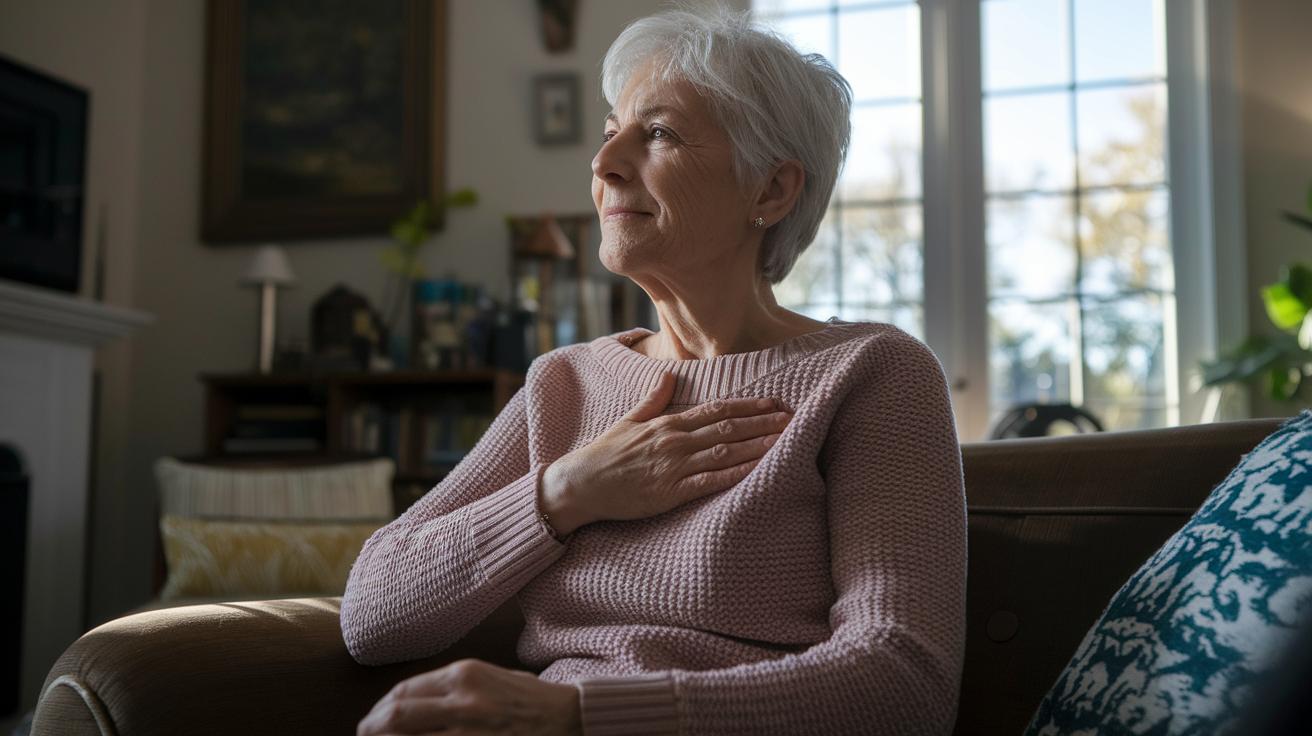
Visual aids like video lessons and clear pictures can really help older learners. They guide you step-by-step through a breathing exercise, helping your mind catch the easy flow of each breath. Many seniors say it feels like a caring friend is gently showing them how to relax. For instance, imagine a picture demonstrating how to softly press your hand on your chest while you breathe, a simple trick that might bring a smile to your face.
Smartphone apps can be a great helper too. Look for ones with friendly voice cues, gentle timers, and big, easy-to-read buttons made just for seniors. These apps can remind you when to begin and end your breathing exercise, making the routine even more stress-free. They are designed to be simple, so even if you’re new to using digital devices, you’ll find them easy to navigate.
Joining community classes or sessions led by a caregiver can also be fun. When you join a small group where everyone practices guided relaxation, it can lift your mood and make the exercise feel more enjoyable. Whether you attend a local class or an online session with experienced instructors, you can enjoy a warm, supportive space that helps you stay on track with your calming routine.
Common Questions About Mindful Breathing for Seniors
Q: How often should I practice to see results?
A: Experts say a few minutes each day can slowly build calm and clear thinking.
Q: Can breathing exercises replace medication for stress?
A: No, they work best when used with your current treatment plan, not as a stand-alone fix.
Q: What if I feel dizzy while practicing?
A: If you feel dizzy, slow down, take short breaks, and check with your doctor before continuing.
It might help to jot down how you feel before and after each session. This way, you can notice small improvements over time. And every now and then, it’s a good idea to touch base with a healthcare professional. This check-in can help fine-tune your practice so you stay safe and comfortable as you enjoy each mindful breath.
Final Words
In the action of exploring mindful breathing for seniors, this article showed how simple breathing practices can bring more calm each day. We covered step-by-step tips to craft a safe space, practical exercises, and even ways to use digital tools to guide your practice.
The advice shared clear benefits for easing stress, helping sleep, and keeping focus. A little daily practice can uplift your well-being, one deep, mindful breath at a time. Embrace these ideas, and watch how your daily calm grows.
FAQ
Q: Where can seniors find guided mindful breathing videos on YouTube?
A: Guided mindful breathing videos for seniors on YouTube offer step-by-step practice and visual demonstrations designed to help older adults improve breath control and daily calm.
Q: Where can seniors find downloadable PDF guides for mindful breathing and breathing exercises?
A: Many websites offer free PDF guides for seniors with clear, step-by-step instructions for mindful breathing and related exercises, making it simple to practice at home.
Q: What are the benefits of mindful breathing?
A: Mindful breathing benefits seniors by lowering stress, reducing blood pressure, and improving sleep. Regular practice can help calm the mind and support overall well-being.
Q: Which mindful breathing exercises work best for seniors?
A: Mindful breathing exercises for seniors often include slow, deep diaphragmatic breaths that help anchor focus, reduce stress, and foster clear, steady mental awareness.
Q: How do mindfulness breathing exercises help older adults?
A: Mindfulness breathing exercises encourage older adults to focus on each breath, easing stress while promoting improved sleep and greater respiratory comfort.
Q: What is a mindful breathing script?
A: A mindful breathing script offers clear, step-by-step verbal prompts to guide seniors through slow, intentional breaths, making it easier to stay relaxed and focused.
Q: How can seniors improve their breathing?
A: Seniors can improve breathing by practicing slow, deep diaphragmatic breaths regularly, which enhances lung function and helps reduce daily stress in a calm, controlled way.
Q: What is the 5-5-5 breathing rule?
A: The 5-5-5 breathing rule involves inhaling for 5 seconds, holding for 5 seconds, and exhaling for 5 seconds. This method helps regulate breath and soothe the mind.
Q: What is the best breathing exercise for mindfulness?
A: Deep diaphragmatic breathing is often considered the best breathing exercise for mindfulness, as it anchors attention and supports relaxation through slow, controlled inhaling and exhaling.
Q: What is the 4-7-8 breathing rule?
A: The 4-7-8 breathing rule involves inhaling for 4 seconds, holding for 7 seconds, and exhaling for 8 seconds, helping to calm the nervous system and promote deep relaxation.