Have you ever felt your heart beat faster or your muscles tighten when something unexpected happens?
Sometimes, stress sneaks in when you least expect it, turning calm moments into little hints that something is off.
Our body gives us signals, both loud and soft, to help remind us to pause and catch our breath.
In this article, we go over everyday signs that stress might be affecting how you feel, and we share simple tips to help bring more calm into your day.
Let's start noticing these signals and work together to build a stronger, more peaceful tomorrow.
Comprehensive Overview Of Stress Signs
Stress is your body’s natural way of reacting to tough moments. It kicks you into fight or flight mode, making your heart beat faster, your breathing quicker, and your senses sharper. This can help in emergencies, but when it happens too often, it can leave you feeling drained. Have you ever felt your muscles tighten and your heart race during a stressful work moment? That’s your body’s way of saying it’s on high alert.
Stress shows itself in many ways that affect your body, your thoughts, and even your daily habits. Physically, it might show up as tight muscles in your neck, shoulders, or lower back, a headache that feels like constant pressure, stomach aches, or even a pounding heart. Emotionally, you might feel more tearful, irritable, or anxious, where even small tasks feel overwhelming. Mentally, stress can make it hard to focus or remember things clearly. Behavior changes, such as unusual eating patterns or withdrawing from friends, can also signal that your body is trying to cope.
Recognizing these early signs is key to slowing things down before stress takes over. When you notice constant tension, shifting moods, or ongoing fatigue, it's a good time to try out some stress-relief steps. Keeping an eye on how stress affects your daily life allows you to adjust your routines and try strategies that bring you calm and strength, helping you stay balanced even during the hard days.
Visible Physical Signs Of Stress
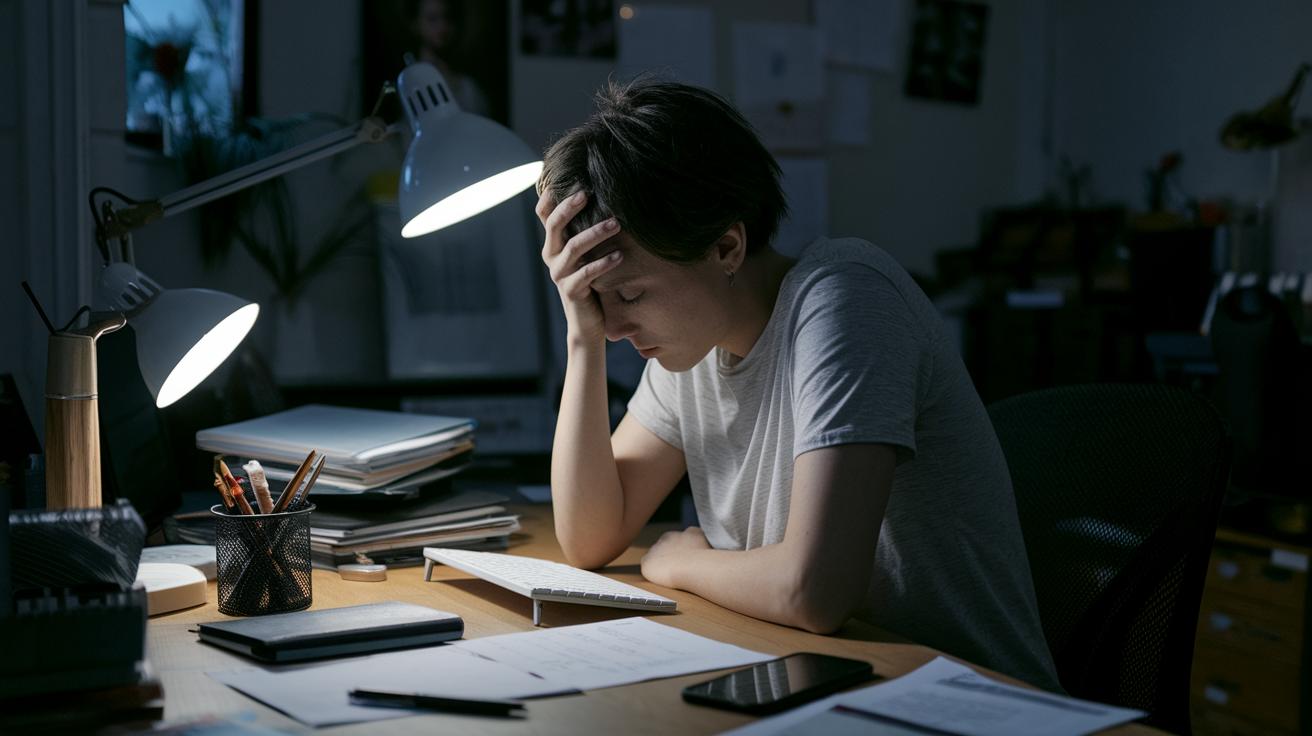
When life gets overwhelming, your body tries to tell you something important. Stress can show up as tight muscles, headaches that feel like a heavy band around your head, cramps in your stomach, or even changes in your heartbeat. Think of it as your body’s way of saying, “Hey, I need a break!”
It’s really common to notice signs like tension headaches that feel like a constant grip or muscle tension in your neck, shoulders, and back. You might also feel digestive issues or a rapid heartbeat when you’re under too much pressure. And yes, sometimes you might even experience sweaty palms or trouble sleeping.
| Symptom | Description | Common Area |
|---|---|---|
| Tension Headaches | A steady pressure in the head that can last from minutes to hours | Head |
| Muscle Tension | Stiff, tight muscles from prolonged stress | Neck, Shoulders, Back |
| Digestive Issues | Cramping, acid reflux, or IBS flare-ups | Stomach/Abdomen |
| Rapid Heartbeat | A quickened pulse when the body is stressed | Chest |
| Sweating & Tremors | Excessive sweat and shaky hands or body | Whole Body |
| Sleep Disturbances | Difficulty falling asleep or staying asleep | Nervous System |
Emotional And Behavioral Stress Indicators
Stress can make you feel upset, anxious, and overloaded. When it builds up, you might find yourself having sudden mood swings or feeling tearful without really knowing why. It can seem like little problems trigger a big wave of feelings, as if your emotions are speeding up and you can’t catch your breath.
At the same time, stress can change the way you act. Maybe you start grinding your teeth without realizing it, whether you’re asleep or awake. Even hanging out with friends may feel like too much, so you might begin to pull away. Your eating habits might shift too, some days you might overeat for comfort and other days you might not feel like eating at all. These are small signals from your body asking you to take a pause.
Some signs stress might be coloring your day are:
| Indicator | Description |
|---|---|
| Increased irritability | Feeling snappy or frustrated over minor things |
| Frequent mood swings | Emotions change quickly and unexpectedly |
| Persistent tearfulness | Getting teary often without a clear reason |
| Noticeable impatience | Small setbacks feel much harder to handle |
| Teeth grinding | Unconscious clenching of teeth, especially at night |
| Social withdrawal | Pulling away from friends and family, feeling isolated |
| Fluctuating appetite | Eating too much for comfort or losing the desire to eat |
| Loss of libido | A drop in your sexual drive due to stress |
Noticing these changes is important. They’re little hints from your body that it’s time to take a break and care for yourself. Try to pause, breathe, and give yourself a moment to regain balance.
Cognitive Symptoms And Mental Stress Cues
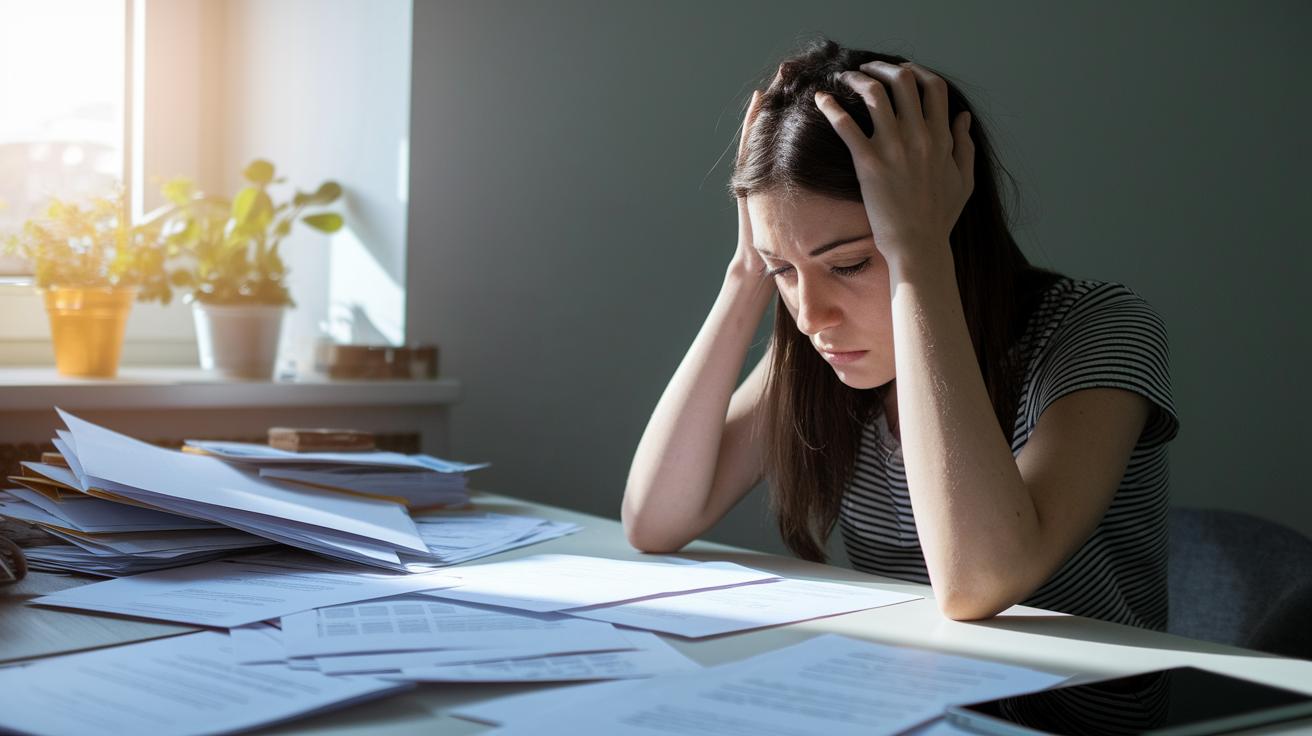
When stress hits, it can change how your brain works, making it tough to think clearly. When stress hormones fill your body, your brain's prefrontal cortex (the part that helps you focus and make decisions) might not work at its best. Imagine trying to solve a puzzle when the pieces keep moving; that's a bit like what your mind can feel like during a bout of high stress.
You may notice simple things like having trouble staying focused or forgetting small details when you're overwhelmed. Sometimes, you might even feel stuck on tiny decisions or feel confused even though the answer seems clear. Ever had your thoughts race during a quiet moment? That rush is your body's way of saying it's on high alert.
Over time, the mental toll of stress can lead to problems like poor judgment and chronic indecision. It can become hard to concentrate at work or in daily life, leaving you feeling drained. Spotting these signs early can be a gentle reminder to slow down and give your brain a chance to catch its breath.
Subtle And Chronic Stress Warning Signals
Stress can sneak up on you. You might feel tired even after a good night's sleep, or notice small aches that just won't go away. Your skin might break out unexpectedly, or you may even see a little hair loss. It all whispers that your body is under extra pressure, even when everything else seems okay.
You may also feel weak or low on energy, making everyday tasks feel like a big challenge. Your body gives you gentle hints to slow down before the stress turns into something more serious. It’s like a quiet reminder to take care of yourself.
If you keep ignoring these signals, bigger problems can start to show up. Long-term stress may lead to feeling completely burnt out, deep sadness, constant pain, and a weaker immune system, which means you might get sick more often. Think of it as your body’s alarm, telling you the stress isn’t just a brief moment anymore.
Constant stress can also cause troubles like not being able to sleep well and a slow drop in your overall well-being. Catching these clues early can help you prevent harder health issues later on.
Stress Manifestation In Daily Roles And Settings
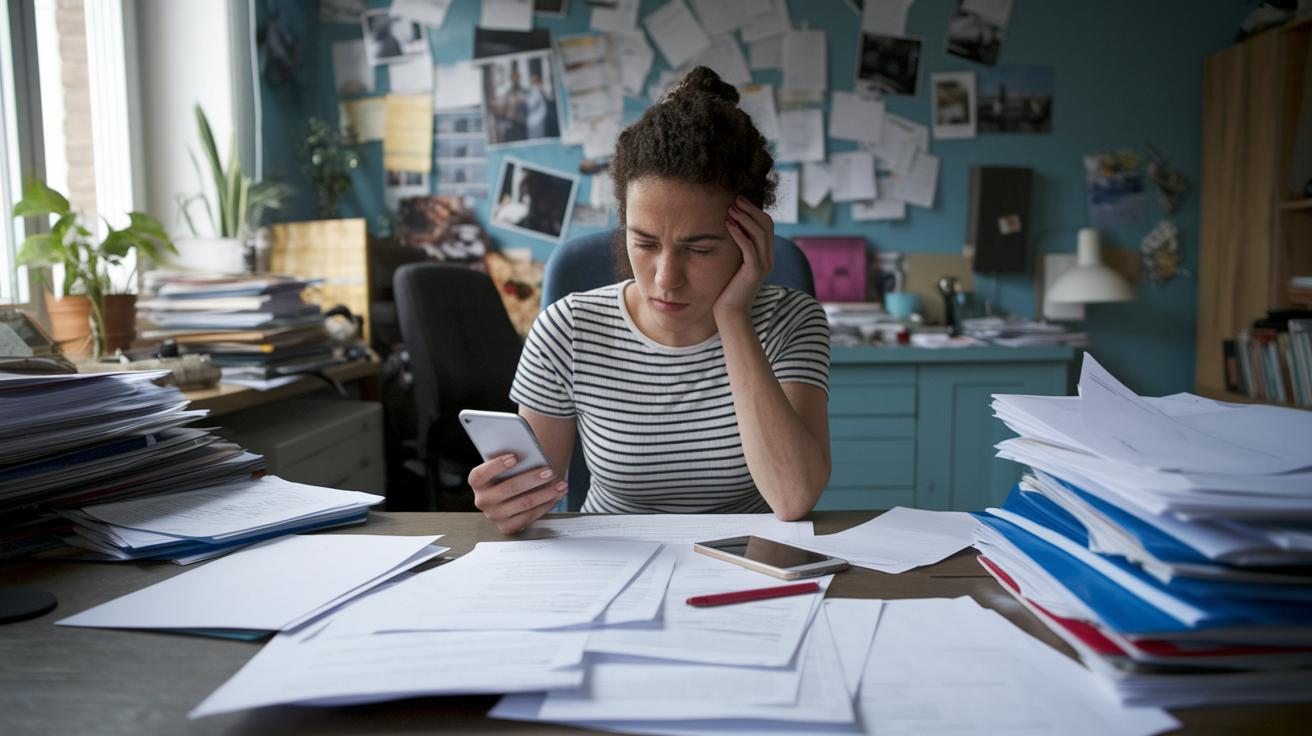
At work, you might feel stressed when tight deadlines pile up. Picture yourself at your desk with a mountain of tasks and a phone that buzzes constantly. That rush of work can leave you feeling worn out and struggling to decide what to do next.
In school or college, stress can sneak in during exam time and heavy assignments. Imagine trying hard to focus during a big test or staying up late because sleep just won’t come. It’s like your brain is stuck in a loop, making everything seem more overwhelming than it is.
If you're a caregiver, stress might show up as deep emotional tiredness. Think about a day spent caring for others that leaves you neglecting your own needs. This imbalance can drain you, both physically and emotionally, and makes it hard to keep up the caring spirit.
Social settings can also feel heavy when stress takes over. You might find yourself skipping group events or getting overly caught up in what people might think. When the idea of being around others feels too much, it’s a sign that your mind is carrying an extra load.
Hormonal Response And Physiological Stress Signals
When life gets a bit overwhelming, your body jumps into gear by triggering the HPA axis. This system sends out hormones like cortisol and adrenaline to boost your energy and sharpness quickly. Think of it like your body gearing up for a sudden sprint, it revs up your breathing and quickens your heartbeat.
You might notice some clear signs when these hormones kick in. High cortisol may bring about changes in your weight and even make your immune system a bit slower. And those bursts of adrenaline? They can make your heart feel like it's racing, leave you with a flutter in your chest, or even cause odd breathing patterns. Ever felt that sudden quick beat in your chest that makes you sweat or tightens your stomach? That’s your body reacting in a fast "fight or flight" moment.
But if stress sticks around for too long, keeping those hormones high, it can really take a toll. Over time, this steady stream of stress hormones can leave you feeling constantly tired, lead to weight swings, or even cause longer-term health issues. Noticing these signs early on means you can take steps to slow things down and find some balance.
Monitoring And Managing Stress Signs Effectively

Keeping track of your stress can really help you understand when pressure is building up in your everyday life. When you check in with yourself often, you might notice little hints like feeling more worn out or behaving a bit differently. This simple self-check can guide you to make small tweaks before things get too heavy, so you feel more in control and clear about what needs to change.
A good idea is to create a basic checklist to track how you're feeling. Each day, jot down your moods, any physical shifts, and little changes you see in yourself. For instance, you might note if you felt more tearful than usual or had a rough night with sleep. In tough moments, try the 4-7-8 breathing method: breathe in for 4 seconds, hold it for 7, and slowly exhale for 8. This technique can help calm your mind and body quickly. Also, spending some time outside and tuning into one of your senses can ease tension and brighten your day.
You might find it easier to track these signs with a digital app or a trusty journal on paper. Check out tools that compare different methods, like the Symptom Tracker Comparison: Apps vs Journals, to see which one fits you best.
If you start to notice that your stress signs stick around or get worse, it might be a sign to talk with a professional. When stress starts to get in the way of your daily life or makes you feel really drained, consider reaching out to a health care provider or calling 988 if you need help right away.
Final Words
In the action, this article breaks down various signs of stress. It shows you how physical symptoms, like muscle tension or headaches, mix with emotional triggers such as irritability and fatigue. We also discussed how these signals impact your thoughts and daily life. Keeping an eye on subtle signs of stress can guide you toward practical strategies that help restore balance. Remember, each step you take toward recognizing and managing these signs leads to a calmer, healthier life.
FAQ
What are the physical signs of stress and can stress make you physically unwell?
The physical signs of stress include tension headaches, muscle stiffness, rapid heartbeat, digestive discomfort, and sleep problems. These signals show the body may be under strain from stress.
What emotional and mental indicators show that I am stressed?
Emotional and mental indicators of stress include feeling irritable, anxious, and overwhelmed, with racing thoughts and trouble focusing. These signs signal that stress is affecting your mood.
What are chronic stress symptoms?
Chronic stress symptoms may include ongoing fatigue, emotional exhaustion, frequent headaches, and persistent digestive issues. Over time, these warning signs suggest the need for stress management and self-care.
What symptoms of stress are specific to women?
In women, stress can show through hormonal shifts that lead to mood swings, increased anxiety, and changes in appetite, along with physical discomfort, highlighting stress’s varied impact.
What are common causes of stress?
Common causes of stress include work pressures, relationship challenges, and daily life uncertainties. These stressors activate your body’s fight-or-flight response, leading to both physical and emotional strain.
How can I recover from stress?
Recovering from stress involves using relaxation techniques like deep breathing, getting enough sleep, and embracing activities that ease tension. Regular self-care helps bring back balance.
What happens when you are under stress for too long?
Long-term stress can weaken your immune system, disrupt sleep, and lead to ongoing physical and emotional challenges. Prolonged stress may eventually contribute to more serious health issues.