Ever wondered if simply taking a deep breath could help you sleep soundly instead of tossing all night? Many of us struggle with an overactive mind that keeps us awake. Imagine each breath like a gentle wave washing away your worries, filling you with calm.
When you add mindful breathing to your nightly routine, you give yourself the chance to relax and ease into a restful sleep. It might just be the simple trick you need to wake up feeling refreshed.
Key Benefits of Mindful Breathing for Better Sleep
Mindful breathing is a gentle way to ease stress and calm anxiety. When you take slow, deep breaths, it helps lower your heart rate and relax your muscles. This simple method shifts your focus away from racing thoughts and brings a soothing calm to both your body and mind. Try this: take a deep inhale, then slowly exhale while counting in your head. You might feel your worries begin to melt away.
Adding mindful breathing to your nightly routine can help you fall asleep faster and sleep more soundly. It sets a natural pace that tells your body it’s time to wind down. This means you could spend less time tossing and turning and more time enjoying deep, restorative sleep. With regular practice, you may find yourself waking up feeling refreshed and ready for the day.
Core Mindful Breathing Exercises for Sleep Induction
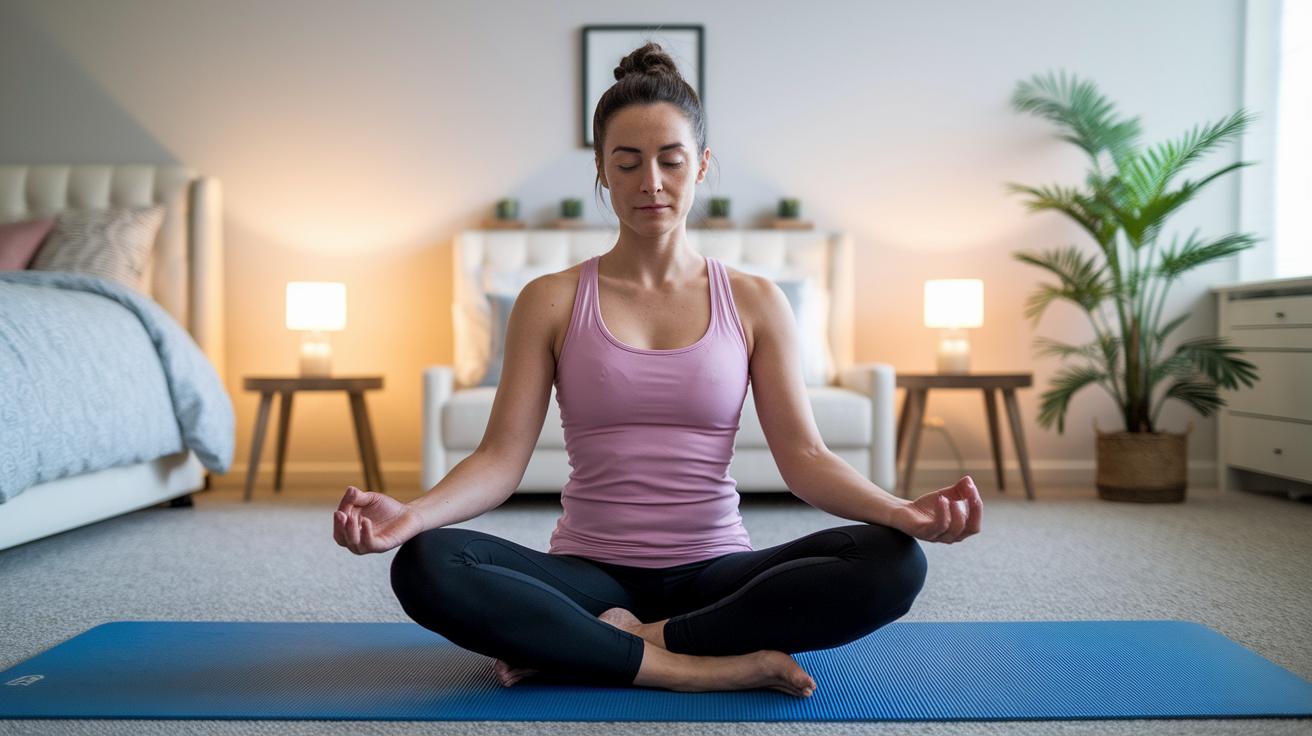
Give mindful breathing a try as part of your bedtime routine. It can help slow down your breath and bring on a calm state that guides you gently into sleep.
Sometimes it's nice to start with belly breathing. Sit or lie down comfortably and place your hand on your lower belly. Breathe in slowly through your nose so your belly rises rather than your chest. Then, let the air out softly through pursed lips, feeling your belly fall. Imagine each breath as a smooth, rhythmic wave.
Next, try the 4-7-8 breathing technique. Find a quiet spot and relax your whole body. Inhale deeply through your nose for 4 seconds. Hold your breath for 7 seconds, allowing the air to settle. Exhale all the air through your mouth for 8 seconds. Keep repeating this simple pattern until you feel more relaxed.
Another option is box breathing. Sit comfortably and focus on your breath. Breathe in slowly through your nose for a count of 4, hold for 4, then exhale gently through your mouth for 4. Pause for another 4 before taking your next breath. Picture drawing a box with each of these steps.
Finally, there is alternate nostril breathing. While sitting upright, gently close your right nostril with your thumb. Slowly breathe in through your left nostril. Then use your ring finger to gently shut the left nostril, release the right, and breathe out calmly. Now, take a slow breath in through the right nostril, close it, and exhale through the left.
Feel free to mix these techniques up each night to add variety to your practice and keep it engaging for your mind and body.
Advanced Mindful Breathwork Practices for Nighttime Calm
Bhramari Pranayama
Close your eyes and ears while you let out a gentle humming exhale. This simple breath practice creates a quiet space in your mind and helps ease your worries before bed.
Buteyko Breathing
Focus on taking smaller, slower breaths so you breathe less air overall. This method gently retrains how your body reacts to carbon dioxide, helping you relax and enjoy a deeper, more restful sleep.
Papworth Method
Breathe slowly and deeply, letting your belly rise and fall in a natural rhythm. This calming practice helps your body unwind by matching your breath to a smooth, guided pace, easing both your mind and body before sleep.
Adding these techniques to your bedtime routine can help you feel more peaceful as you wind down. Try each one and see which fits your sleep routine best. You might even mix them up to keep your nighttime relaxation fresh and enjoyable. Each mindful breath is a step toward a calm and worry-free night.
Creating a Nightly Mindful Breathing Routine
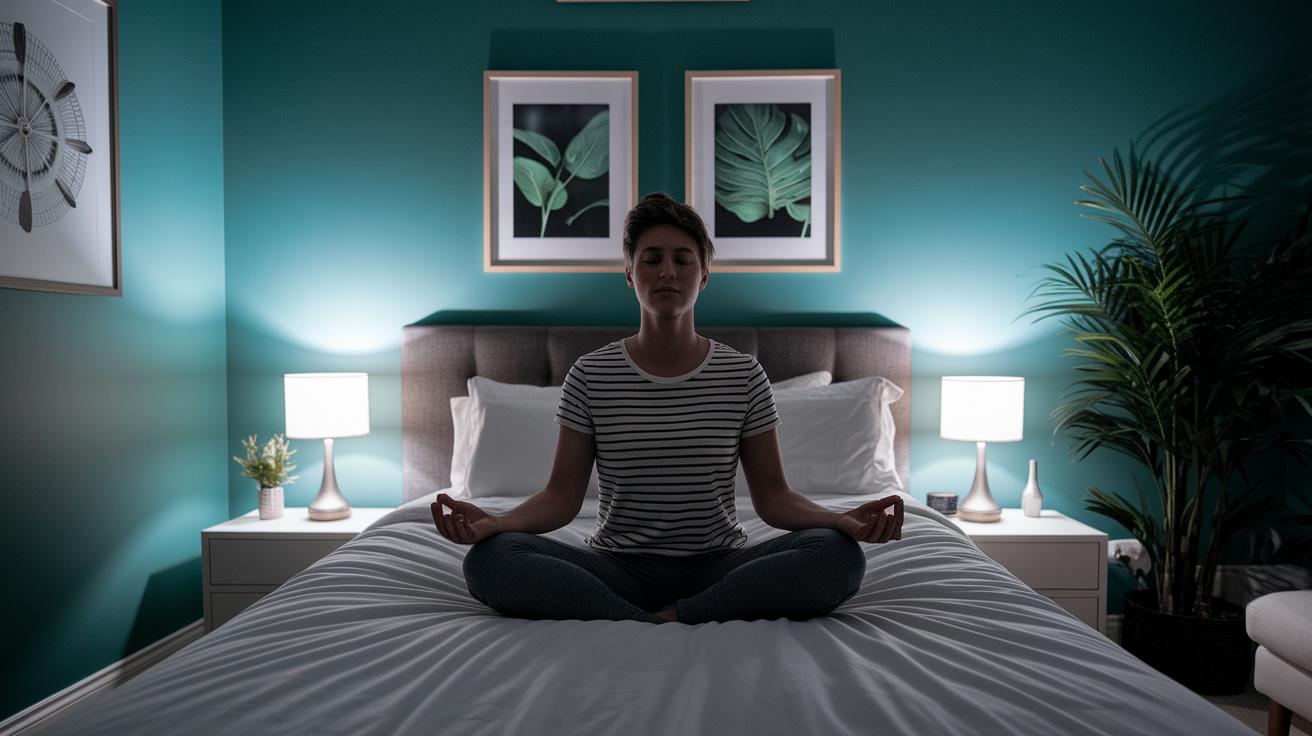
Start by setting up a quiet spot where you feel at ease. Dim the lights and remove distractions so you can unwind. Try to spend between 10 and 19 minutes each night getting into a calm rhythm. You might even add some soft music or nature sounds, think of it as creating your own little peace corner before bed.
Begin with a few slow, mindful breaths to let go of any tension. Then, follow a simple, steady breathing pattern that helps you relax. For instance, you could gently remind yourself, "With each breath, I feel more at ease." This gentle routine naturally guides you toward a calm state as you prepare for sleep.
Finally, jot down a few notes about your practice. Write how long you practiced and describe your thoughts or feelings. Over time, you can tweak your routine to fit your personal sleep wind-down ritual perfectly.
Scientific Evidence Supporting Mindful Breathing for Sleep
Recent studies show that taking a few deep, mindful breaths can really boost your sleep. Researchers have looked into methods like 4-7-8 breathing, box breathing, and Bhramari pranayama (a calming breathing exercise) to see how they help you drift off faster and sleep more soundly. Clinical trials found that slowing down your breathing can help you fall asleep quicker and reduce those annoying wake-ups in the middle of the night.
| Study | Technique | Outcome |
|---|---|---|
| 2015 Sleep Medicine trial | 4-7-8 Breathing | Reduced time to fall asleep by 20% |
| 2017 Applied Psychophysiology and Biofeedback study | Box Breathing | Fewer nighttime awakenings by 15% |
| 2019 Journal of Alternative and Complementary Medicine paper | Bhramari Pranayama | Improved sleep quality scores by 25% |
These results back up what many of us have felt: intentional breathing can be a real game changer for your sleep. With noticeable benefits like falling asleep faster and waking up less often during the night, it makes sense to add some breathing exercises to your bedtime routine. So why not try out these simple methods? You might just find yourself enjoying a more peaceful, restful night.
Troubleshooting Common Challenges in Mindful Breathing for Sleep
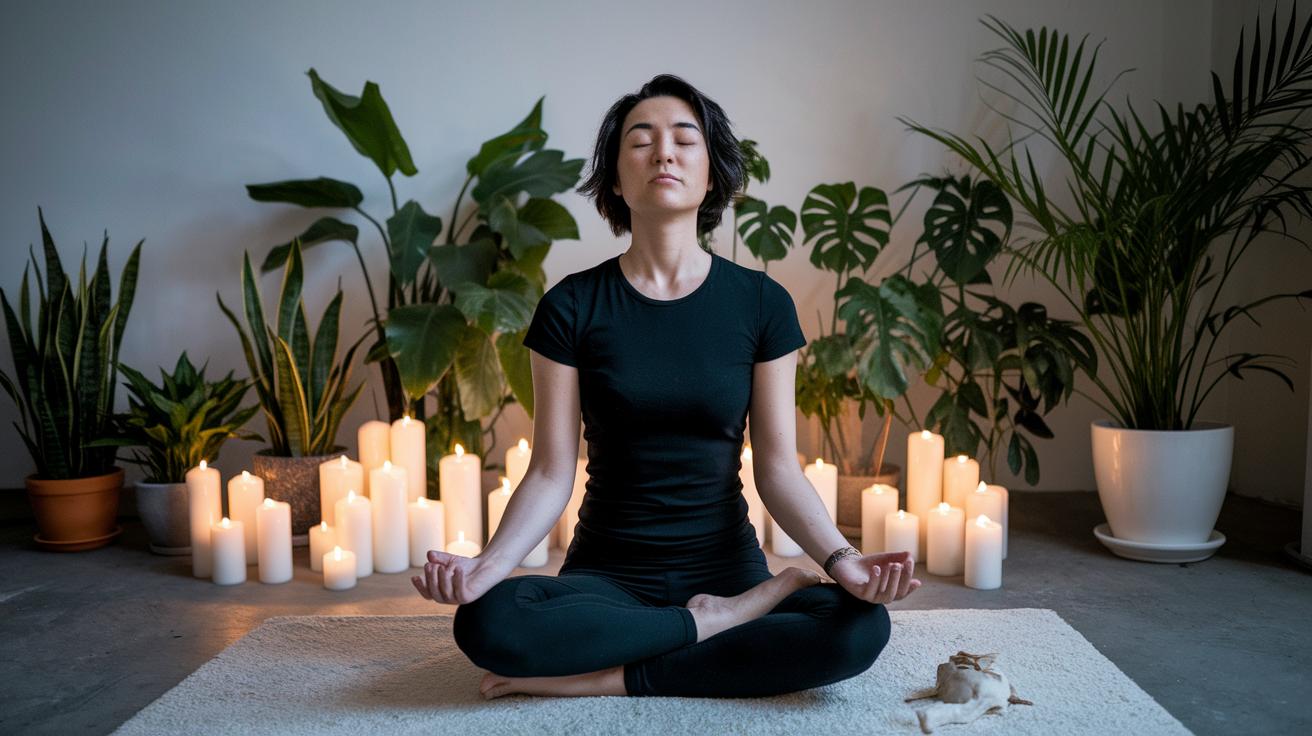
Many folks find that focusing on mindful breathing can get tricky sometimes. It’s common for your thoughts to wander, or for you to try too hard, which can make your body tense up instead of relaxing naturally. You might also be distracted by noises or the wrong pace, and suddenly your calm feels far away. Try shifting your attention to the simple feeling of air moving in and out of your body, it might help you settle back into a gentle rhythm.
Here are some friendly tips to help you regain your focus and ease your practice:
- Remind yourself softly to come back to the feeling of your breath.
- Experiment with your pace until it feels just right, whether it feels too fast or too slow.
- Create a cozy space around you so you feel safe and supported.
- Use a quiet phrase like “I am calm” to help anchor your thoughts.
- Count gently with each breath to keep a steady beat.
- If you start feeling tense, take a brief break, then return with a fresh mindset.
If you often feel frustrated or anxious during your breathing sessions, it might be helpful to chat with a sleep support expert. They can share more personalized advice to help you use mindful breathing as a tool for a peaceful night of rest.
Mindful Breathing for Sleep: Calm Night Bliss
Listening to audio meditations before bed can be a simple way to relax and prepare for sleep. These sessions, which usually last 10 to 19 minutes, gently guide you to take slow, deep breaths. You'll hear clear cues telling you when to breathe in and out, all while soft nature sounds or calm ambient music play in the background. Imagine a soothing voice walking you through every breath, helping you shake off the stress of the day.
Video guides offer a similar kind of support, pairing beautiful, calming images with voice prompts that match your breathing. These visuals, along with clear instructions, help your body settle into a comfortable rhythm. Many trusted apps and online libraries provide these videos, so you can try out different approaches to see what makes you feel most at peace.
Why not experiment with both audio and video? Each method can offer a unique, calming path to sleep, letting you choose the one that best fits your night-time routine.
Final Words
In the action of this post, we broke down ways to reduce stress with simple breath exercises and shared ideas to improve sleep quality. We explored practical routines, from belly breathing to advanced mindful practices, that support a calm mind, better sleep, and a more relaxed body.
Stepping through each section, we saw that mixing science-backed techniques with everyday steps creates real benefits. Keep experimenting with these exercises to experience a peaceful night using mindful breathing for sleep.
FAQ
What does mindful breathing for sleep on YouTube involve?
Mindful breathing on YouTube involves video guides that show you slow, calming breathing techniques. These practices help reduce stress and create a quiet mind, making it easier to settle into sleep at night.
What is the 4-7-8 sleep trick and how does it work for sleep improvement?
The 4-7-8 sleep trick means you breathe in for 4 seconds, hold your breath for 7, and exhale for 8. This technique calms your body and quiets your mind, making sleep come easier.
Can 4-7-8 breathing help me fall asleep faster?
Yes, 4-7-8 breathing helps you fall asleep faster by slowing your heart rate and reducing anxiety. This focused breathing creates a peaceful state, paving the way for a smoother transition to sleep.
What is the military or Navy Seal breathing technique for sleep?
The military or Navy Seal breathing technique uses controlled, slow-paced breaths to lower stress and promote calm. This method is known to help quiet the mind and relax the body before sleep.
How does mindful breathing help with sleep apnea?
Mindful breathing for sleep apnea involves practicing steady, relaxed breathing to support better airway control. This focused approach may ease breathing difficulties at night when used along with professional medical advice.
How do breathing exercises reduce sleep anxiety?
Breathing exercises reduce sleep anxiety by helping you focus on slow, steady breaths. This shifting of focus away from stress and worry calms your body, making it easier to settle into sleep.
What breathing exercise can help me fall asleep in 60 seconds?
A fast-acting breathing exercise combines slow, deliberate breaths with quiet focus. This method shifts attention from stressful thoughts, easing your mind into relaxation and allowing sleep to come quickly.