Have you ever wondered if your everyday choices show respect for all living things? The buzz of a bee or watching a tree grow reminds us to treat nature with care. Inspired by Albert Schweitzer's kind views, caring for every part of life means treating people, animals, and the earth kindly.
Every little act counts. Small gestures add up to build a friendlier place and a healthier community. When we make thoughtful choices every day, we create a caring world for everyone.
Defining Reverence for Life: Origins, Meaning, and Modern Significance
Reverence for life is about treating every living thing with care and respect. It reminds us to pause and admire the everyday wonders, like the soft hum of a bee as it visits a flower or the slow, steady growth of a tree. In short, it calls on us to act with kindness, whether we are with people, animals, or all of nature.
Albert Schweitzer was one of the first to share this idea. As a physician and thinker, he showed us that every life deserves compassion. Think about it: every small decision you make can shine with a deep respect for the world around you. Schweitzer believed that when we choose care and thoughtfulness in our actions, we pave the way to a kinder, more humane life.
Today, this way of thinking still matters a lot. Many of us apply these ideas when picking what to eat, when recycling, or when simply treating others well. It helps us balance our own wellness with a broader respect for our planet. Even simple acts, like saving a little energy or lending a hand, add up to a healthier community and a more caring world.
Albert Schweitzer’s Humanitarian Vision and Philosophical Impact

Albert Schweitzer wore many hats in his life. He was a doctor and also dived into theology, showing us that caring isn’t just about treating illness, it’s about nurturing the spirit, too. He believed everyone, and every living thing, deserves respect. His ideas grew from both his scientific background and his deep spiritual insights. Did you know that before he built his famous hospital in Africa, he already showed how healing the body and the soul could go hand in hand?
Schweitzer had a heart for humanitarian work. He devoted himself to helping others and believed that every kind act fits into a bigger picture of ethical living. Every small gesture can lift the human spirit, creating a community that feels safe and warm. Think of it like a kind word on a difficult day, it can really make a difference.
His writings on philosophy still guide us on how to lead a meaningful life. Schweitzer argued that respecting life is something we should all share. He encouraged us to see every choice as a chance to honor another living being. So, when you help a stranger or treat nature with care, you’re carrying on his timeless message. His work continues to inspire people to live with thoughtful, genuine compassion every day.
Evolution of Reverence for Life in Ethical Thought
Back in the 19th century, smart thinkers began to ask big questions about our roles in caring for others. They realized that every life is connected and that looking after each other goes beyond personal gain. They even noticed that nature, with all its balance and beauty, can guide us to be kinder in our daily lives. This early thinking set the stage for a way of looking at life that asks us all to care as one community.
Later on, Albert Schweitzer took these ideas and turned them into practical advice. He saw the simple beauty in nature and the deep ties between all living things, making them work together in a clear plan. By mixing scientific ideas with heartfelt compassion, he taught that caring for every living being means honoring both people and the natural world. His work still inspires many to live with thoughtfulness and care.
Today, many in the vegan community follow in these footsteps. They build on the timeless ideas of care and respect, drawing from the rich history of thinkers like Schweitzer. Every day, they put these values into practice with their food choices and how they treat the environment, celebrating a life that respects and honors all creatures.
Community Activism and Environmental Applications of Reverence for Life
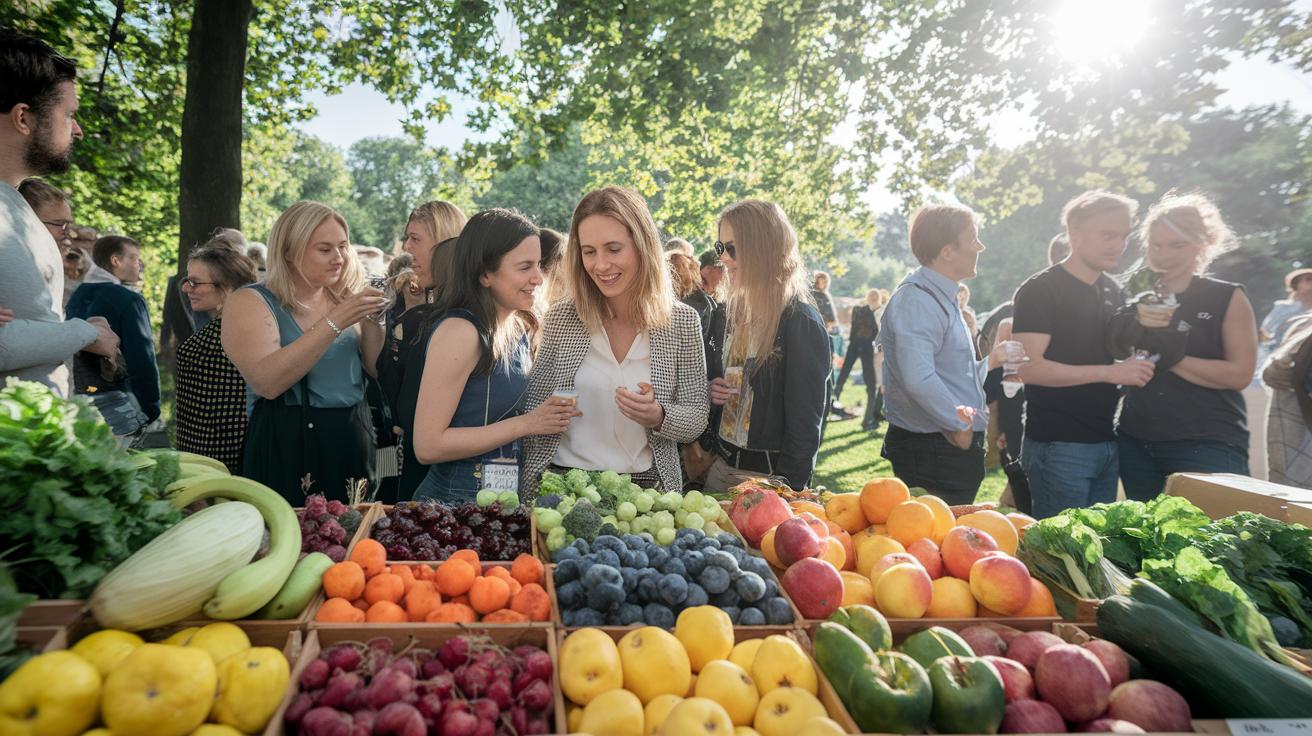
Reverence for life inspires us to care deeply about our world. It reminds us that every living creature is important, inviting us to treat nature kindly. When we show respect for the natural world, we move beyond simple conservation to live in a truly eco-friendly way. Communities come together, creating projects that brighten both city and country spaces, all while taking care of our shared home.
- National vegan events
- Speakers' events
- Information points
Think of national vegan events as gatherings that spread the word about healthy, sustainable eating. Speakers' events encourage chats about how our daily choices make a big difference in nature's health. And information points offer easy tips on living a green life. Each step we take builds a caring community focused on protecting our environment, turning our respect for life into real action that benefits us all.
Humanitarian Practices Rooted in Reverence for Life
Many community projects are built on the idea that every living thing deserves care and respect. Volunteers and local groups come together to help with food drives, shelter support, and community health workshops. Every small act of kindness shows that we all matter.
Spreading these values is easy. Groups share newsletters, run membership programs, and even post videos of past events. You can sign up for updates, join local discussions, or watch heartfelt talks that remind us why caring matters. If you're interested, check out the link for more daily tips on wellness and kindness.
Practical actions really bring these ideas to life. Community centers host free health check-ups and offer fun wellness classes. Volunteers visit nursing homes to share conversation and care. Local groups also organize community meals and fitness events so everyone can feel welcome. Every act of kindness builds a community where respect and care are everyday experiences.
Cultural and Historical Expressions of Reverence for Life

Writers and artists show us how our daily moments connect deeply with nature. Books and stories like "Time After Time: A Memoir" and "Flying Point: One Writer’s Journey Into Solitude" blend personal stories with creative art. They remind us that every living thing matters and that beauty can be found in even the simplest moments. It makes you wonder: could caring for life be as vital as the air we breathe?
Digital archives and blog series keep this conversation alive online. They share stories from around the world about the respect we owe to nature and each other. These sites are friendly spaces where we can learn, share ideas, and feel connected by a common care for all life.
| Community Channel | Description |
|---|---|
| E-Newsletter | Sign up to receive regular, friendly ethical tips |
| Membership | Join our events and heartfelt discussions |
| Recorded Events | Watch past talks on kindness and respectful living |
Contemporary Debates and Challenges in Practicing Reverence for Life
Some people say that the idea of caring for all life is too simple for our complicated modern world. They worry it sounds a bit too hopeful when facing tough, everyday choices. Critics feel this one-idea approach might miss real trade-offs and ignore problems that need quick, practical solutions.
There's also a push and pull between making money and respecting every living creature. In many areas, decisions that boost profits often clash with the call to treat nature with care. As our cities grow and industries expand, it becomes harder to keep a balance between progress and a heartfelt respect for the natural world. Many voices in these debates stress that focusing only on short-term gains can overlook the need for long-lasting care for all life.
We all have a role to play in making our world kinder and more thoughtful. Whether it’s joining community talks, writing down your reflections, or even supporting fair policies, every little bit helps. Small actions, like choosing what to buy mindfully, remind us that every decision is a chance for a fresh start in taking care of our shared home.
Final Words
In the action, we explored the rich layers behind reverence for life, from its origins and unique ethical core to its fresh impact on daily choices. We saw how a compassionate outlook nurtures physical well-being, mindful exercise, balanced meals, and stress relief. Each section painted a clear picture that helps simplify living with care. This reflection leaves us feeling hopeful about making choices that celebrate every moment and every life. Here's to a future filled with greater health and kindness.
FAQ
What does “Reverence for Life” mean and why is it important?
“Reverence for Life” means holding a deep respect for all living beings and making choices that honor their worth. It guides ethical decisions that nurture both people and nature.
How can I access resources like PDFs, books, essays, or summaries on “Reverence for Life”?
Resources on “Reverence for Life” come in many forms such as PDFs, books, essays, and summaries. They explain the principle in clear language to help you understand its core message.
Who is associated with the concept “Reverence for Life,” including any references to Nelson, and what was his philosophy?
The concept is chiefly linked to Albert Schweitzer, whose philosophy centers on compassion and respect for all life. There is no well-known connection between Nelson and “Reverence for Life.”
What do “Reverence for Life” quotes express?
“Reverence for Life” quotes express the idea that every living being deserves respect and care. They inspire mindful actions and a compassionate attitude toward both nature and human life.
What was Albert Schweitzer’s philosophy regarding life?
Albert Schweitzer’s philosophy emphasized caring for all living things, inspiring a commitment to compassion and ethical behavior. His words continue to encourage mindful actions that honor the value of life.