Have you ever wondered if short bursts of energy could do more than endless treadmill miles? HIIT workouts give you quick, powerful moves followed by brief rests. They boost your speed and help build endurance and strength for your sport. Picture your body catching its breath just long enough to spring into action again. By mixing tough effort with recovery, HIIT shows you how to push your limits and bounce back faster. In this chat, we'll explore how this smart way of training can lift your game on the field or court.
Maximizing Athletic Performance with HIIT Workouts
High-intensity interval training, or HIIT, is all about giving your all in short bursts and then taking time to recover. It pushes your body to work hard for a few seconds before letting it catch its breath. This simple method boosts both your endurance (aerobic system) and your quick-burst energy (anaerobic system). Interested in learning more? Check out this link: what is hiit workout.
HIIT offers a handful of benefits that can make a big difference, especially if you’re aiming to shine in sports that need power and quick recovery. Here are six ways HIIT can help you perform at your best:
- It can keep your heart strong and reduce the risk of long-term heart problems.
- It helps increase the size and definition of your fast-twitch muscle fibers so you can move quickly.
- It boosts fat metabolism by activating muscles that use fat for energy even after you finish exercising.
- It improves the way your cells produce energy, making you more efficient.
- It helps your heart pump more blood with each beat.
- It can increase key hormones like GH, testosterone, IGF-1, and BDNF, which support muscle strength and brain health.
When you work both your upper and lower body during HIIT, you start burning more calories, about 5 extra kcals for each liter of oxygen you use. Every burst of effort not only builds strength and stamina but also strengthens your whole body. It’s a smart, efficient way for athletes to reach their peak performance.
hiit workouts for athletes: Boosting Peak Performance
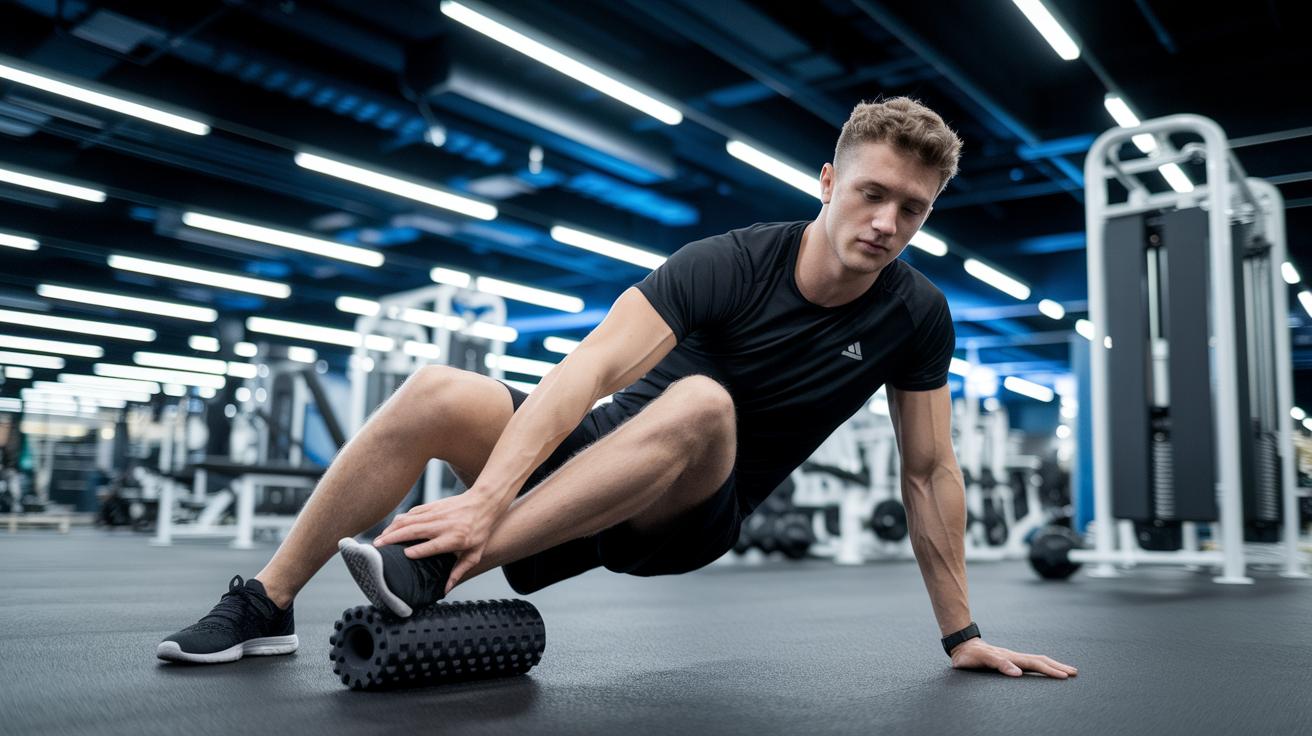
When creating your hiit training plan, think of it as a gradual journey toward peak performance. Start by scheduling your workouts with a steady increase in challenge, mixed with planned rest. Aim for two or three sessions each week and give your muscles at least 48 hours to recover. This simple plan helps you keep making progress without hitting a wall.
Before you jump into a workout, take time to warm up well. Begin with a few minutes of self-myofascial release, like foam rolling, to ease out any tight spots. Then, add two to four core-activation drills along with some balance exercises. This quick warm-up gets your body ready and lowers the risk of injuries as you gear up for high-intensity intervals.
Here are three tried-and-true interval models you can choose from:
- Tabata Model: Give maximum effort for 20 seconds, then rest for 10 seconds, and repeat for eight cycles.
- 30/30 Interval Model: Work hard for 30 seconds, then take 30 seconds to recover, for a total of ten cycles.
- 60/60 Interval Model: Push yourself for 60 seconds, followed by 60 seconds of rest, and complete six cycles.
These models are a handy way to boost both your endurance and strength. When you follow a plan that builds intensity gradually while giving your body the recovery it needs, you're setting yourself up to reach new performance heights, safely and sustainably.
Sport-Specific HIIT Circuits & Treadmill Workouts for Athletes
Athletes can get a real boost by choosing HIIT circuits that fit their sport. Track runners, for example, might do 8 rounds of 200-meter sprints at about 90% effort, followed by a 60-second slow jog. This helps build speed and endurance.
Soccer players enjoy drills that push them to change direction quickly. Try doing 10 shuttle sprints, each for 15 seconds with a 30-second rest in between. These short, quick bursts mimic the fast moves needed on the field, improving balance and speed.
Basketball athletes can benefit from a mix of side-to-side and explosive moves. Do 6 rounds of 40 seconds of lateral slides, then 20 seconds of high-knee runs. This routine boosts agility and feels like the quick movements you need during a game.
Treadmill workouts are another great option. Follow a plan of 10 sets where you run for 30 seconds at 12 mph and then walk for 30 seconds. This routine helps you maintain a steady speed with clear breaks.
Also, try a plyometric circuit with 30 seconds each of jump squats, box jumps, and burpees. Remember to rest for 30 seconds between exercises so you can keep your energy up and build strong muscles.
Designing Home vs Gym HIIT Regimens for Athlete Conditioning
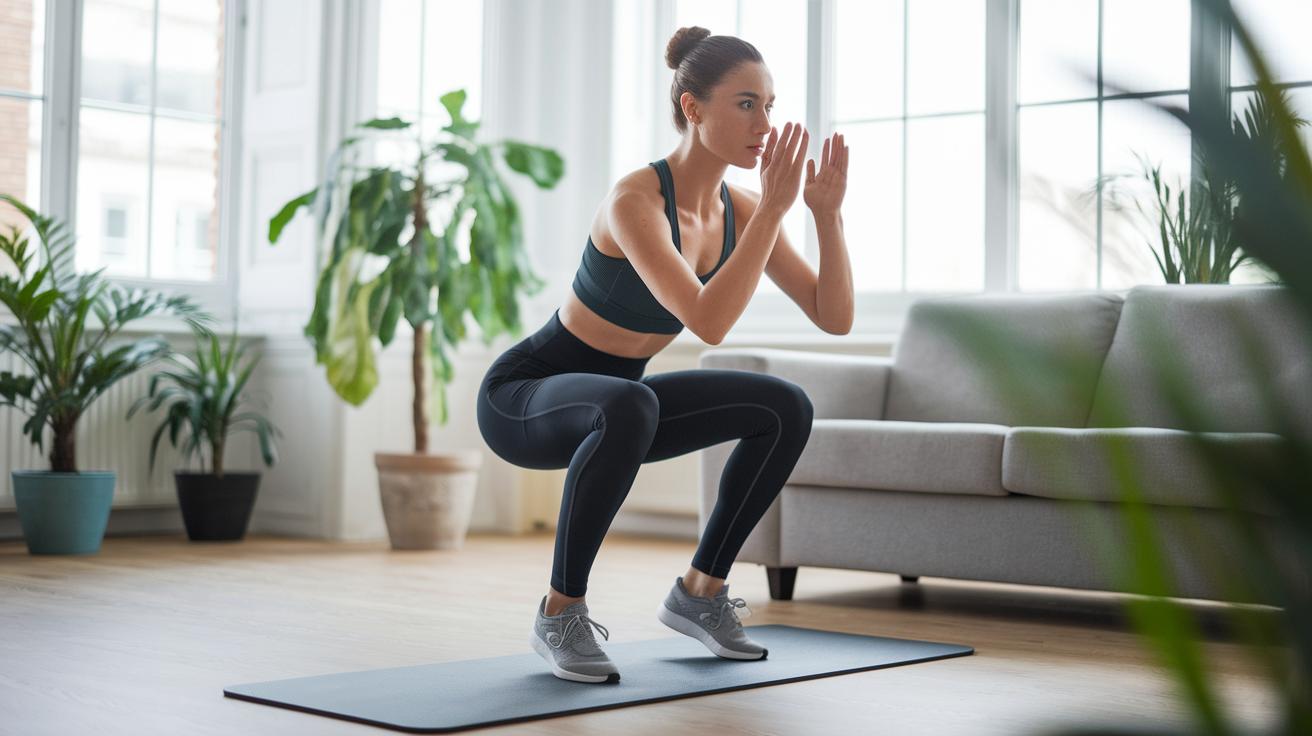
Working out at home is easier than you might think. You can start a HIIT session without heavy equipment. For example, try a circuit that has you moving for 40 seconds and resting for 20 seconds, repeating for eight rounds. Moves like squat jumps, push-ups, mountain climbers, and plank jacks are great choices that work both your strength and endurance. If you want a complete 30-minute home workout, have a look at this resource: hiit 30 minute workout.
At the gym, your routine can be even more varied thanks to specialized machines and tools. A common gym routine involves 30 seconds of intense work followed by 30 seconds of rest, repeated over ten cycles. Exercises such as kettlebell swings, battle ropes, sled pushes, and dumbbell thrusters pack a powerful punch by boosting both your power and stamina during each crisp interval.
If you're looking to mix free weights into your routine, try incorporating moves like dumbbell snatches or barbell thrusters. Resistance bands are also a fun option and work well for exercises like lateral walks or resisted sprints. This mix lets you tailor your workout to whatever equipment is on hand while still challenging your body to reach new levels of performance.
Essential Warm-Up and Cooldown Strategies in HIIT Workouts for Athletes
Before you dive into a high-intensity workout, take about five minutes for some gentle cardio like jogging or cycling. This light movement wakes up your heart and warms your muscles. Then, do a few dynamic stretches, such as leg swings and arm circles, to get your joints ready for quick moves. After that, try two to four core exercises like dead bugs or bird dogs to activate your middle. Finish this warm-up with a balance exercise, like standing on one leg, to help boost your stability.
| Activity | Description |
|---|---|
| Light Cardio | 5 minutes of jogging or cycling |
| Dynamic Stretching | Leg swings and arm circles |
| Core Drills | 2–4 exercises like dead bugs or bird dogs |
| Balance Exercise | Single-leg stands |
After your HIIT session, allow your body to cool down. Start with another five minutes of light cardio to help your heartbeat slow down gradually. Then, spend time doing static stretches that target your quads, hamstrings, chest, and shoulders. Adding a session with a foam roller on major muscle groups can ease soreness and help your recovery.
Remember, planning some low-impact cardio on your active recovery days keeps your blood flowing without overloading your tired muscles.
Tracking Progress and Safe Modifications in Athlete HIIT Training

Using a heart-rate monitor keeps your workout in the sweet spot. It shows you when you're pushing hard and when it's time to rest so you avoid overdoing it. You can track things like how long it takes before you feel tired, how well you complete each interval, and your average heart rate. For instance, after a HIIT workout today, I noticed I got tired sooner than last week, which tells me I might need a bit more recovery time.
If your joints start to hurt, try swapping jump squats for step-ups. This move gives your muscles a good challenge while taking some pressure off your joints. You can also adjust your work-to-rest times, especially if you're new to training or need more rest. Changing the drills by using a lighter load or simpler movements can help avoid injury. For example, if plyometric exercises seem too intense after an injury, you might switch to low-impact cycling intervals.
Key details to keep track of are:
| Detail | Description |
|---|---|
| Work/Rest Times and RPE | How long you work and rest, plus how hard you feel you worked |
| Time-to-Fatigue and Interval Completion Rate | How quickly you feel tired and how well you finish each interval |
| Average Heart Rate | The mean heart rate during your session |
Also, remember to rest at least 48 hours between HIIT workouts. On off days, opt for active recovery or simple mobility exercises, like gentle stretching, to keep your muscles moving without overstraining.
Final Words
In the action, we explored boosting athletic performance through engaging HIIT workouts for athletes. We broke down how short, intense sessions can benefit heart strength, muscle tone, and recovery. We also looked at various session setups, including home and gym routines, along with proper warm-up and cooldown tips.
We wrapped up by discussing simple ways to track progress and modify sessions safely.
Keep moving, keep smiling, and enjoy the energy that comes from a well-rounded workout routine.
FAQ
Q: What is HIIT and is it good for athletes?
A: The HIIT workout uses short bursts of maximum effort followed by recovery. It builds strength and endurance while enhancing heart health, making it a smart training choice for athletes.
Q: Where can I find HIIT workout plans in PDF format?
A: PDF guides outline clear HIIT routines with detailed exercise instructions, intervals, and rest periods, making them handy for athletes training at home or in a gym.
Q: What are some full-body HIIT workouts for athletes?
A: Full-body HIIT workouts combine moves like jump squats, push-ups, and burpees. They work multiple muscle groups simultaneously to increase strength and burn calories.
Q: How can athletes perform HIIT workouts at home?
A: At-home HIIT routines use body-weight exercises such as squat jumps, mountain climbers, and push-ups. They provide structured, effective sessions without needing special equipment.
Q: What should a typical HIIT exercises list include?
A: A typical HIIT list features moves like burpees, tabata drills, and circuit exercises. These exercises boost heart rate and engage different muscle groups for a balanced workout.
Q: How effective are 30-minute HIIT workouts for athletes?
A: Thirty-minute HIIT sessions combine intense intervals with short breaks, efficiently boosting cardiovascular fitness and muscle tone while fitting a busy athletic schedule.
Q: Are free HIIT workout plans available for athletes?
A: Yes, many resources offer free HIIT workout plans in PDF formats that provide structured routines. Athletes can use these plans to guide their training both at home and in the gym.
Q: Is 20 minutes of HIIT per day enough for athletes?
A: Twenty minutes of HIIT can boost metabolism and heart function. Athletes may adjust the time based on overall training needs while still gaining significant performance benefits.
Q: What types of athletes use HIIT training?
A: Many athletes, from track sprinters to soccer players, use HIIT to improve speed, endurance, and agility. Its versatile nature allows adaptation to various sports and training needs.
Q: Do athletes do HIIT every day?
A: Athletes usually schedule HIIT sessions 2–3 times per week with rest in between. This approach helps avoid overtraining while still boosting fitness and performance.
Q: What HIIT protocols are popular in athletes’ training?
A: Popular protocols include Tabata, 30/30 intervals, and 60/60 intervals. They offer structured periods of high-intensity exertion that help athletes maximize their training efficiency.