Ever notice how a few calm moments can change your day? Meditation isn't just about sitting still. It helps clear your mind and soothe your spirit. Many people choose this practice when life feels overwhelming, using it to ease stress and boost focus.
Whether you want to sleep better or just feel a bit calmer, meditation gives you a simple way to find balance. In these quiet moments, you can reconnect with the real you. It opens up new paths for smart choices and inner peace.
Meditation’s Core Intentions Explained
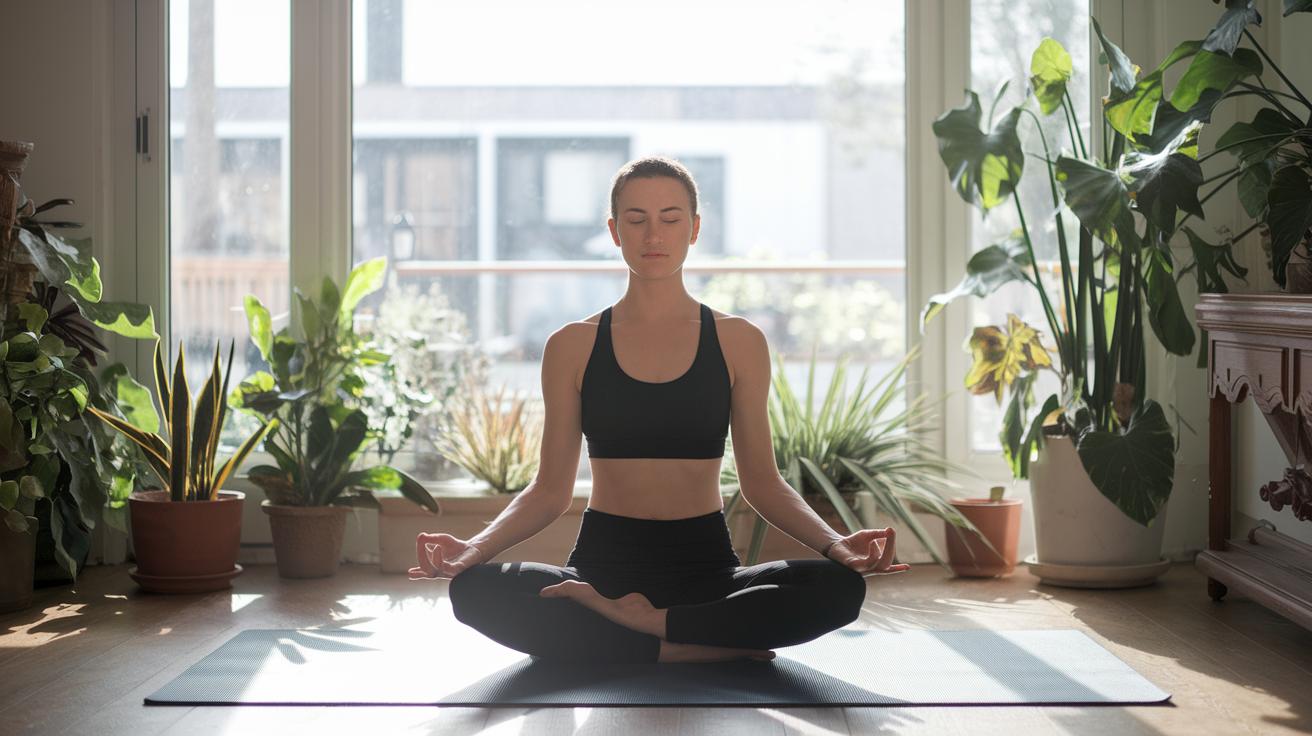
People turn to meditation when life feels busy and they need a moment of calm. They set aside time to be quiet, connecting with who they truly are. This practice helps the mind relax by gently watching thoughts instead of trying to shush them completely.
Regular meditation can ease stress, help you sleep better, boost your health, and sharpen your focus. Many find that it brings a deep sense of balance and inner peace. In time, these quiet moments help guide smart decisions and steady emotions by letting you notice both clear and subtle thoughts. It’s all about returning to your natural state of being, just as described in the “goal of meditation” here: goal of meditation.
- Return to your true nature by embracing self-reflection.
- Train your mind to observe rather than react on impulse.
- Cultivate mindful awareness to keep yourself in the moment.
- Reduce stress and encourage better sleep.
- Enhance decision-making by fostering mental clarity.
By weaving these simple steps into your daily routine, you might notice real changes in your life. A regular practice not only clears your mind and soothes your spirit but also lifts your overall well-being. Whether you try this during a gentle morning stretch or a quiet pause in the evening, you'll find that stress begins to melt away, opening up fresh chances for growth and happiness.
Historical and Philosophical Roots of Meditation
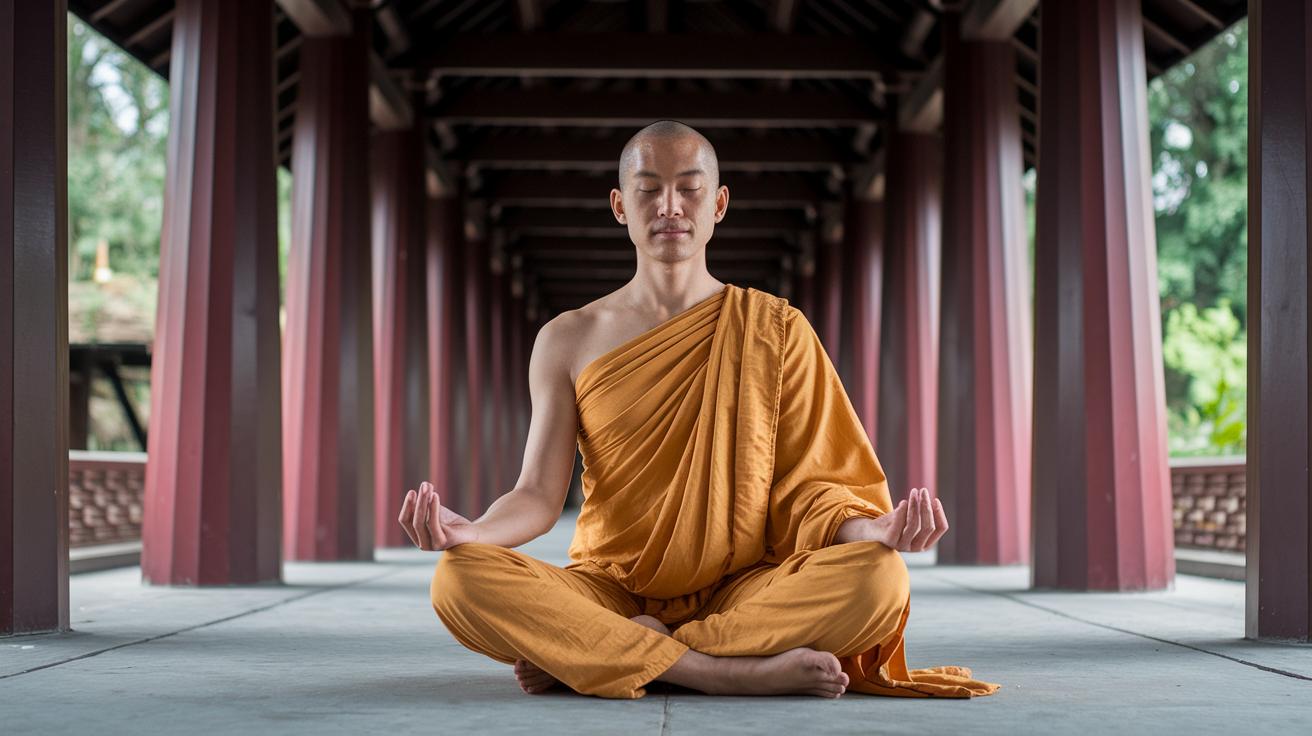
Over 3,500 years ago, people in places like India and China began a practice we now call meditation. They recorded their early experiences in texts like the Vedas and other ancient writings. Back then, meditation was a way for folks to feel more connected to a deeper part of themselves. They would chant or repeat mantras in calm, quiet settings, which helped set the stage for a mindful way of living. Imagine spending a few hours in silence, letting the peaceful words center your mind.
In Hindu and Buddhist traditions, meditation grew into a trusted tool for spiritual growth and staying present. In Hindu practice, guided chanting helps uncover one’s true self, while in Buddhism, simply following the breath and noticing the moment is what counts. Both traditions show how meditation can bring balance inside us and nurture kindness and self-awareness.
Early meditation also meant embracing silence. Sitting quietly and watching your thoughts was a key part of these ancient practices. Even a brief pause in your day can clear your mind and pave the way to a calmer spirit. Have you ever taken a moment just to sit and breathe?
Cognitive Clarity and Mental Strength Through Meditation
Research shows that taking a few minutes for mindfulness meditation can actually change how your brain works. It boosts grey matter, which is the part of your brain that helps with memory and staying focused. When you sit quietly and focus on your breathing or a simple mantra, you're gently reshaping your brain's pathways. Over time, this light workout can improve your memory and make your mind sharper. Have you ever noticed how a calm mind helps you remember small details better?
Regular meditation can also help you hone your focus and make smarter decisions. When you catch yourself getting lost in emotional thoughts and then bring your attention back to the moment, you're practicing a skill that gradually becomes second nature. It's a bit like training for a race. The more you practice, the more resilient your mind gets against everyday challenges. Each session teaches you to pick clear thoughts over quick, reactive feelings. In truth, this steady practice builds a more balanced approach to your day-to-day tasks. Research on meditation and mental strength backs these benefits (https://nobrainertrends.com?p=1363).
Stress Relief and Emotional Healing with Meditation
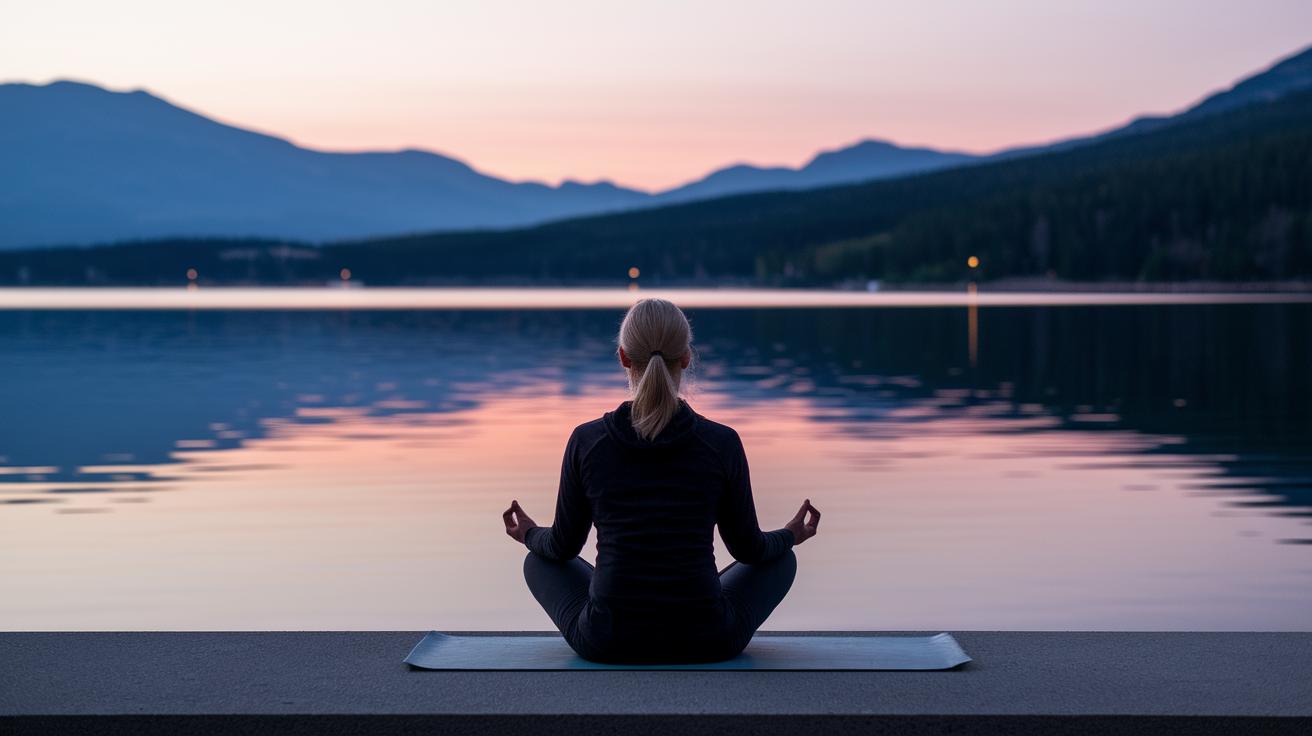
Meditation can help lower your stress by easing your body and mind. When you sit in a quiet spot and focus on your breath, your muscle tension relaxes and your heartbeat slows down. It’s like giving yourself a refreshing pause in the middle of a busy day. Did you know that a simple 10-minute meditation can lower your cortisol levels, a stress hormone, and create a calmness similar to watching a quiet lake at dusk? This practice helps your body shift from the rush of fight-or-flight into a state of rest and recovery.
With time, meditation gently clears old emotional patterns and builds your strength to handle daily challenges. By watching your thoughts without judging them, you let go of stored stress and find balance. Every deep, mindful breath acts like a soft brush, slowly sweeping away stress and tiring emotions. As you continue this practice, you might notice heavy feelings start to lift, leaving you feeling lighter and more ready to face the day with a steady spirit.
Physical Well-Being Benefits of Meditation
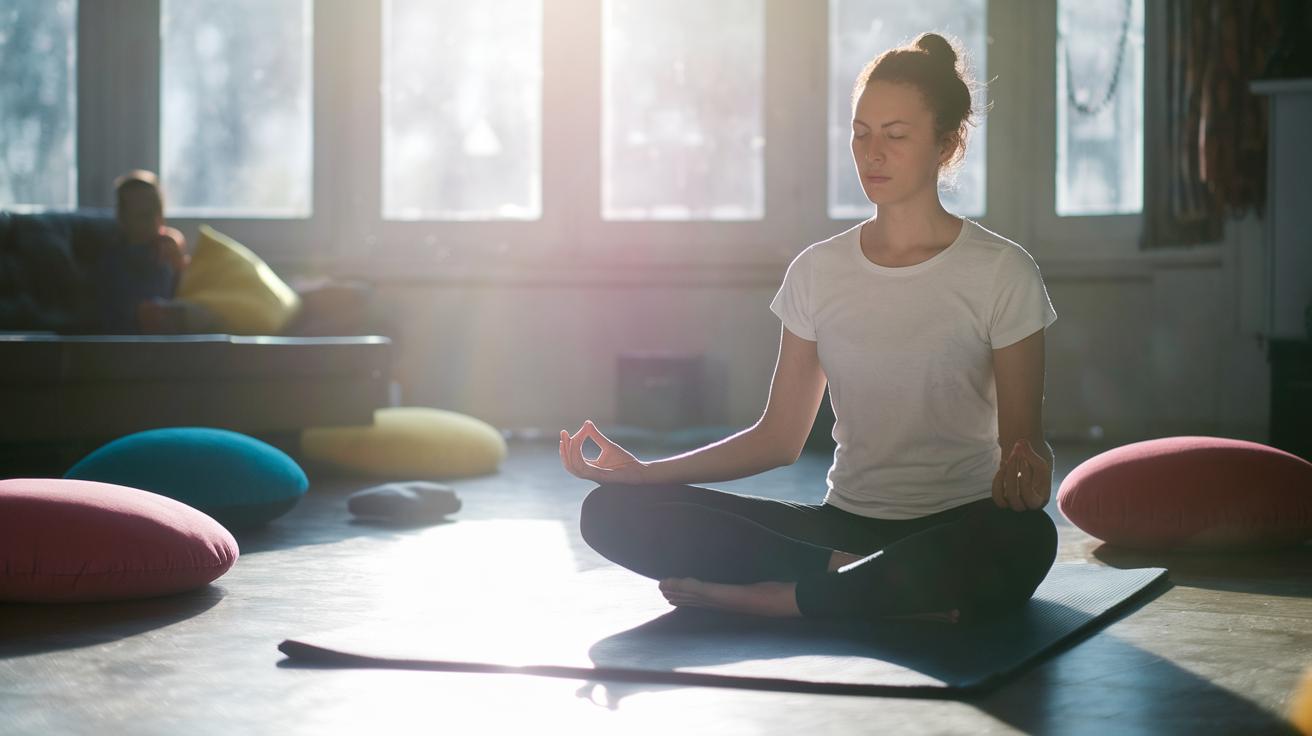
Meditation is a gentle way to care for your body that offers simple, everyday benefits. Even if you only take a few quiet minutes each day, you can ease physical pain and boost how your body functions. It calms your mind and melts away tension, letting you relax more deeply and enjoy a better night’s sleep.
| Benefit | Description |
|---|---|
| Less Pain Sensation | Focusing quietly and breathing gently can help ease ongoing discomfort. |
| Better Body Function | Regular practice lifts your energy and keeps your body working well. |
| Improved Sleep | Simple relaxation techniques can help you sleep more deeply and soundly. |
Adding meditation into your daily routine can work hand in hand with medical treatments. Many people notice that it helps lower stress, making other therapies work even better. This self-care practice not only boosts your sleep and stress management, it also leaves you feeling more balanced and energized every day.
Deepening Self-Discovery and Focus via Meditation
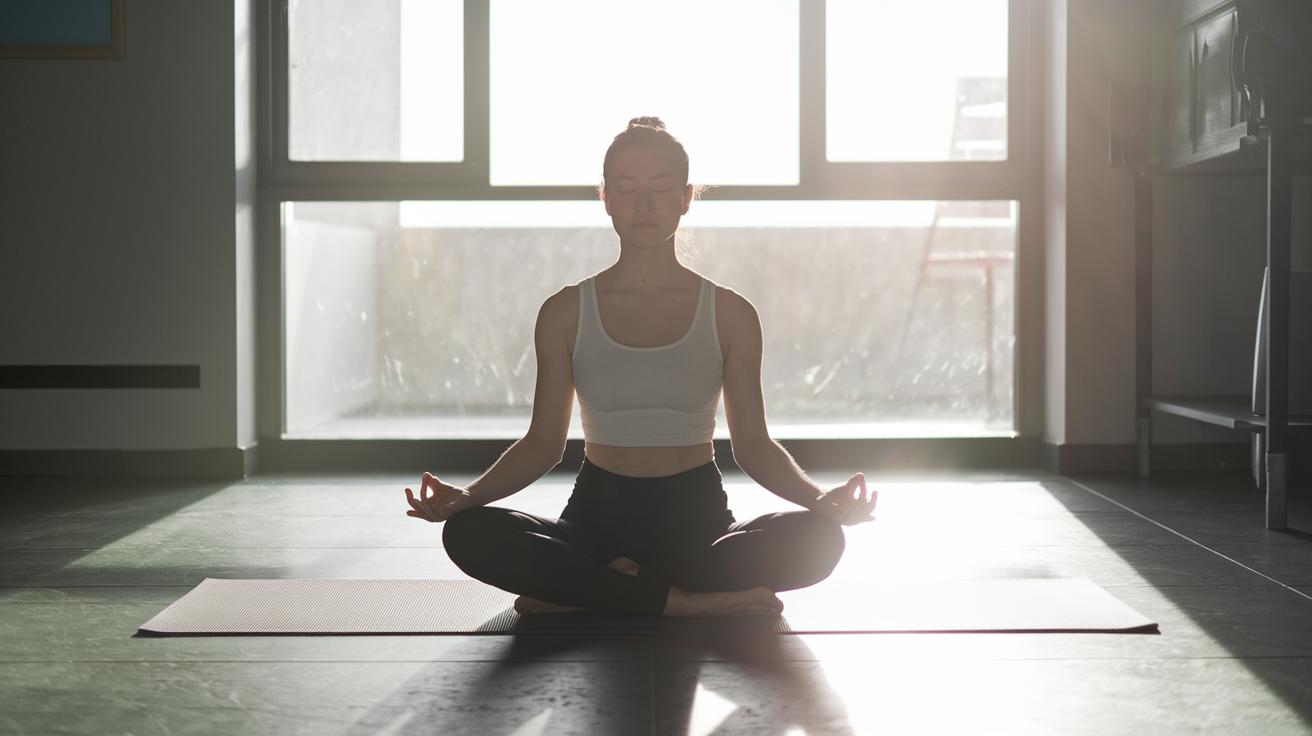
Meditation lets you quietly watch what’s happening inside your mind. It helps you notice thoughts and feelings you see over and over, like that sudden tight feeling when you least expect it. Sometimes, you might catch yourself thinking, "I feel a burst of worry during my busy moments." This simple act of noticing gives you clues about your hidden emotions.
When you practice meditation, something special can happen. It clears away old, unhelpful thoughts so new, creative ideas can emerge, sometimes out of the blue! Picture sitting quietly and suddenly feeling a spark that reminds you of what truly matters. That little moment can help guide your choices and bring a calm balance to your day.
Building a Consistent Meditation Routine for Intentional Calm
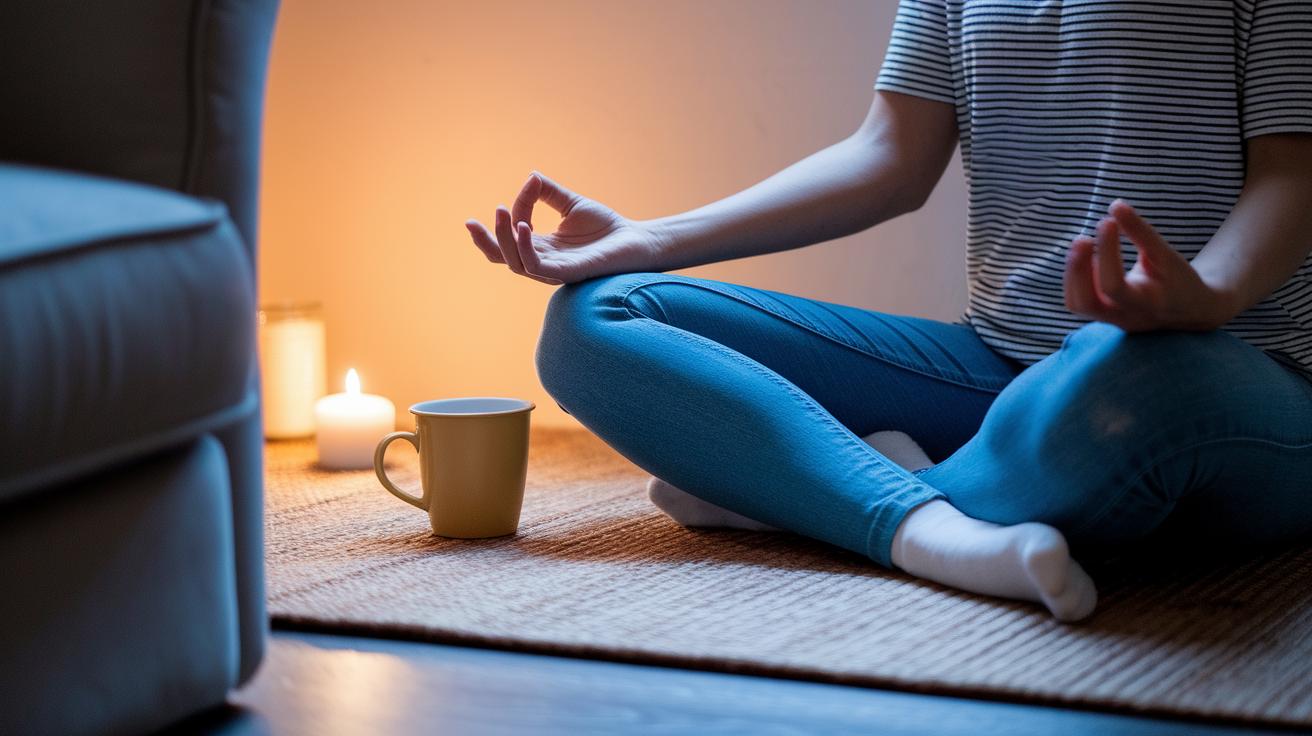
Start by finding a quiet, cozy corner in your home where you feel relaxed. Pick out a soft cushion or a little mat, and maybe add a warm light or a tiny candle if that feels right. Picture a small, inviting space that hugs you with calm every time you sit down.
Next, try a simple daily plan that fits your routine. Experts say beginning with 5 or 10 minutes of meditation works well. As your mind grows more comfortable, you might expand that time to 15 or 20 minutes. For example, you can say, "I’ll spend ten minutes meditating each morning while I sip my coffee." Before long, that little quiet moment can bring balance and ease to your day.
To keep the practice alive, make meditation a regular part of your self-care. Set a reminder or blend it with another daily activity, like reading or stretching. With time, these morning or evening sessions build clear, steady focus and emotional calm. And if you jot down your thoughts after each session, you might discover small insights that inspire you to keep going.
Final Words
In the action, our post highlights the essence of meditation, from gaining mindful awareness to reducing stress. The discussion ties meditation’s ancient origins and modern benefits together, showing how it supports clear thinking, balanced nutrition, and effective exercise routines.
We reviewed meditation’s main aims with a focus on its purpose of meditation to help nurture body and mind. Every simple practice guides you toward improved overall wellness and a brighter, calmer day ahead.
FAQ
What is the purpose of meditation in Hinduism?
The purpose of meditation in Hinduism is to reconnect with one’s true nature, train the mind, and foster self-awareness for spiritual growth.
How to meditate?
How to meditate involves sitting in a quiet space, focusing on your breath or a simple mantra, and gently observing thoughts without judgment when they arise.
What is the purpose of meditation in Buddhism?
The purpose of meditation in Buddhism is to cultivate mindfulness, ease mental tension, and gain insights into reality that encourage compassion and inner calm.
What are the benefits of meditation?
The benefits of meditation include reduced stress, improved sleep, better focus, enhanced emotional balance, and overall health support.
What is the spiritual purpose of meditation?
The spiritual purpose of meditation is to nurture a deep inner connection, promote self-discovery, and align daily living with personal values and inner peace.
What are the types of meditation?
The types of meditation include mindfulness, mantra-based, guided visualization, body scanning, and loving-kindness practices that help develop calm and clarity.
What are some key benefits of meditation, like the 10 or 5 benefits often mentioned?
Key benefits of meditation include lower stress levels, improved concentration, emotional balance, better sleep quality, and overall physical well-being support.
What is the purpose of meditation according to quizlet?
The purpose of meditation as defined by quizlet is to train the mind, build self-awareness, and create inner peace by calmly observing thoughts and emotions.
What is the overall purpose of meditation?
The overall purpose of meditation is to promote mindfulness, boost mental clarity, and support personal well-being by gently observing thoughts without forcing them away.
What are the three golden rules of meditation?
The three golden rules of meditation are to stay present, allow thoughts to pass without judgment, and kindly return your focus to your practice each time it wanders.
What are the 5 R’s of meditation?
The 5 R’s of meditation involve Recognizing distractions, Releasing tension, Relaxing deeply, Returning to focus, and Repeating these steps regularly to build a strong practice.