Ever wonder if tiny needles might help calm a busy mind? Acupuncture gently taps special points on your body to ease stress and relax your muscles. Think of it as a soft reset button for your nervous system. It works to balance the chemicals that make you feel good and those that fuel stress. Many have noticed that it can ease both body tension and anxious thoughts. Give this natural approach a try and see if it brings you the relief you need.
Acupuncture for Anxiety Disorder: How It Calms the Nervous System
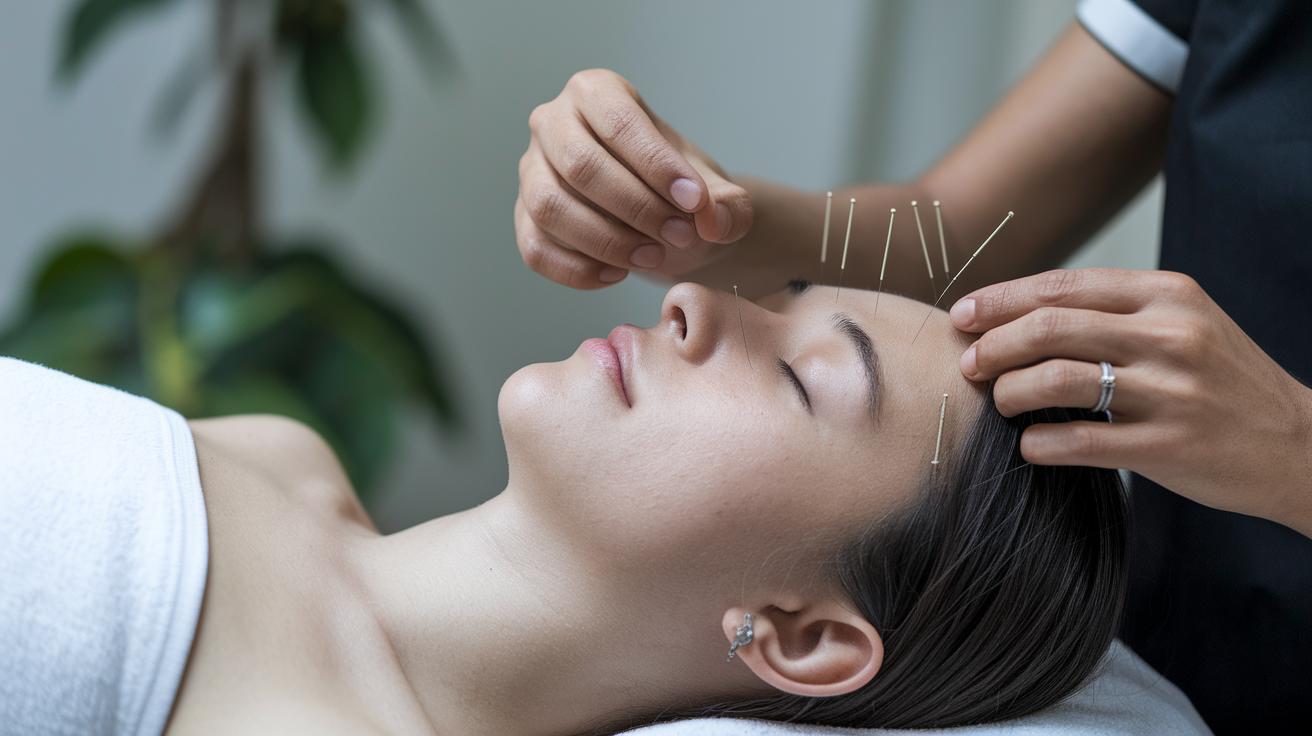
Acupuncture uses tiny needles placed at special spots on your body. This helps balance qi, which is your body's natural energy. Sometimes, the needles get a soft electrical pulse, gentle heat, or even a small wiggle to send signals that help relax your nervous system.
When these spots are activated, your body lowers stress hormones and releases natural feel-good chemicals. It can feel a bit like a soft touch quieting a busy mind. This method not only eases physical tension but also helps your brain handle your feelings better – kind of like resetting a misaligned circuit so everything flows nicely.
Research shows that acupuncture may help ease anxiety by reducing symptoms like a fast heartbeat, constant worry, and overall tension. By balancing your hormone levels and energy, it helps your body find its natural calm. Imagine resetting your watch so each tick falls into place, leaving you with a more peaceful feeling.
Acupuncture and Anxiety Disorder: What Research Reveals
Scientists have studied acupuncture and found that it can ease both body and mind signs of anxiety. Research shows that certain needle techniques help lower feelings like constant worry, fear, tight muscles, pain, trouble relaxing, and even a fast heartbeat. For example, one study found that targeting specific points with needles helped lower stress, making people feel calmer during hard times. It's like tuning a guitar – small tweaks make all the strings play better together.
Studies from different parts of the world tell a similar story. When acupuncture is done on special points, the body seems to balance its hormones and ease the grip of stress. In the US, nearly 1 in 5 adults and 1 in 4 teenagers suffer from anxiety, which highlights the need for treatments that really work.
Experts agree that acupuncture can help reduce both emotional and physical anxiety. One study mentioned that when needle therapy matches the body's natural rhythm, it helps lower stress hormones and brings on a gentle state of relaxation. All this research makes acupuncture a hopeful option for those looking to manage anxiety symptoms.
Benefits and Safety of Acupuncture in Anxiety Disorder

Acupuncture helps ease anxiety by reducing stress and balancing hormones. Many patients say it makes them feel calmer, like their body slowly unwinding. When you see a trusted acupuncturist, this safe needle treatment comes with very little risk. One patient even mentioned feeling a soft tingle during the session, almost like a gentle whisper soothing their racing thoughts.
Most people notice only small side effects. Some feel a bit sore or get a tiny bruise where the needle goes in, but these feelings pass quickly, similar to the light discomfort after a good stretch. Over time, regular acupuncture can help make the body feel more relaxed and reduce symptoms such as a fast heartbeat and constant worry.
Before you start any treatment, it's a smart idea to talk to your healthcare provider. This simple check helps make sure acupuncture is a safe choice that fits your personal health needs. The natural approach not only eases physical stress but also helps your brain handle anxiety better. With regular sessions, many folks enjoy lasting benefits without harsh side effects, making acupuncture a practical way to achieve a calmer, more balanced life.
Acupuncture Treatment Process and Scheduling for Anxiety Disorder
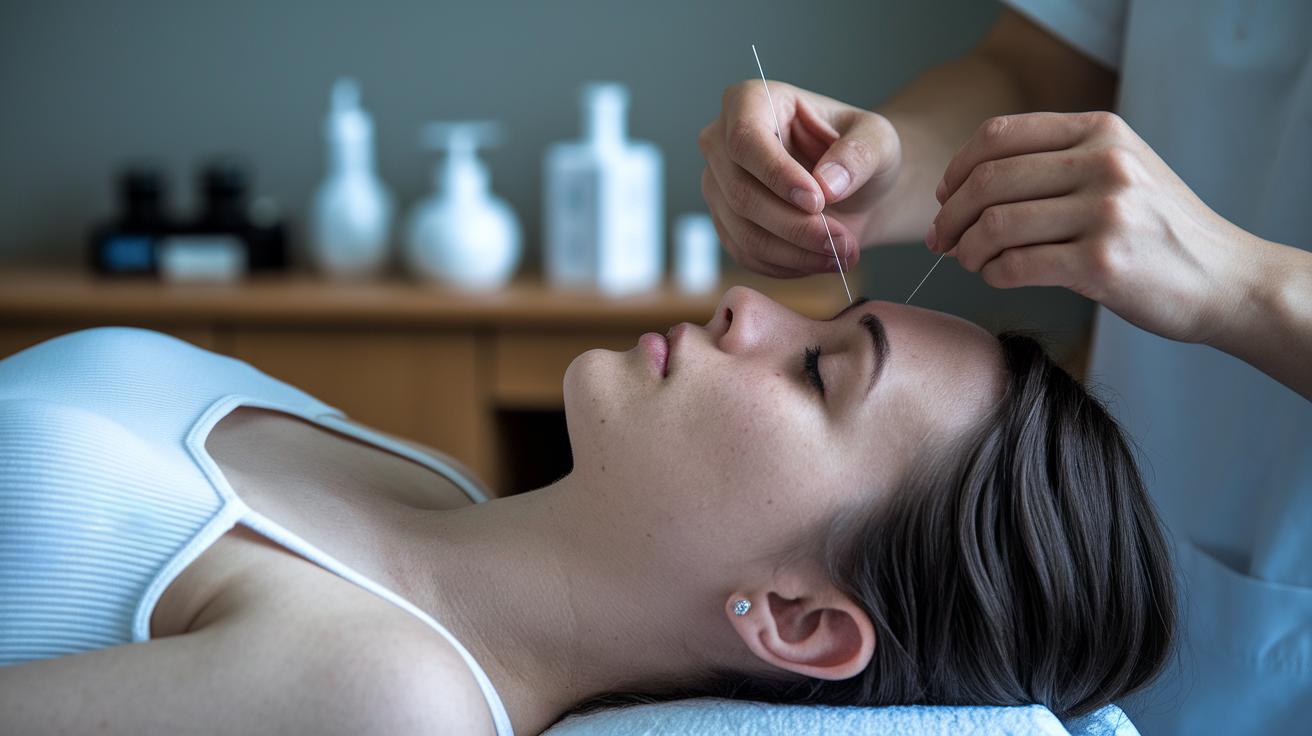
When working on easing anxiety, you might schedule acupuncture once or twice a week. The length and number of sessions change based on your overall health, your current anxiety levels, and your daily routines. Imagine each session as a little reset for your body, much like setting your alarm clock to kick off a great day.
A session usually starts with a friendly check-in. This helps your acupuncturist learn about you and decide which spots on your body need care. Next, small needles are gently placed into specific points. Sometimes, a soft electrical pulse or a brief warm sensation is added to help boost the calming effect. After this, you relax for a few minutes, giving your body time to take in the soothing treatment before the needles are carefully removed.
Here are some simple tips to follow before you head in for your appointment:
| Tip | Why It Helps |
|---|---|
| Avoid heavy meals for at least two hours | Makes you feel lighter and more relaxed |
| Cut down on caffeine | Keeps your body calm and open to relaxation |
| Wear comfortable clothing | Allows easy access to treatment areas |
After your visit, here are a few easy things to do to keep that calm feeling going:
- Try some light stretching to encourage the flow of energy.
- Drink plenty of water to stay well-hydrated.
- Take it easy for a while, letting your body enjoy some quiet time.
Think of the entire process as giving your body a little pause, like hitting the pause button on your favorite movie so the scene can really breathe. Each step is designed to help reduce anxiety and bring more balance to both your body and mind.
Acupuncture versus Conventional Anxiety Disorder Treatments

Acupuncture gives you a natural way to ease anxiety. It works well with options like medications or talk therapy. Many people say that adding needle therapy to their routine helps lower worry and relaxes muscle tension by balancing the body’s energy and hormones.
Unlike some treatments that only adjust chemicals inside, acupuncture targets special points to calm your nerves. This method can be a real game changer for those times when regular treatments aren’t enough.
Research also backs up this approach. For instance, one study found that acupuncture cuts down on stress hormones much like settling into a familiar, relaxing routine after a busy day. It can nicely round out a treatment plan, working hand-in-hand with medications or calming exercises. While drugs might focus on chemical imbalances, acupuncture offers a more hands-on touch by easing physical tension and smoothing out the energy flow.
Imagine tuning a guitar, each little adjustment helps create a perfect tune.
Patient Success Stories with Acupuncture for Anxiety Disorder

Many people tell us that acupuncture has made a big difference in their everyday lives. One patient said her first session felt like a gentle breakthrough. Her racing thoughts slowed down into a calm, manageable rhythm, a feeling she hadn't experienced in years. Another person explained that regular sessions acted like a quiet reset button, easing his constant tension and lightening his mood.
Many have shared their experiences online, noting that even small changes in worry levels can greatly improve overall well-being. One testimonial said, "Each session helped me breathe easier and enjoy moments of peace." This simple comment shows how acupuncture can create a balanced flow of energy and calm.
These shared stories remind us that each journey is unique. Still, many have found that acupuncture helps soothe the mind and relax the body.
Finding Qualified Acupuncture Practitioners for Anxiety Disorder Relief

When you're looking for an acupuncturist to help with anxiety, first check that they are licensed and have proper credentials. Call a local integrative medicine center or clinic and ask if they offer an introductory session. You might say, "Can you share your certifications and training details?" That simple question can tell you a lot about their expertise.
It also helps to speak directly with clinics to see if they have experience with needle therapy for anxiety. Reading reviews from other patients can give you a clear picture of what to expect during your appointments. Licensed professionals usually guide you on setting up sessions that work best for you.
Here's a little checklist to keep in mind:
| What to Check | Details |
|---|---|
| Credentials | Valid license and proper training records |
| Experience | Specific experience with anxiety disorder treatments |
| Consultations | Availability of introductory sessions to discuss your treatment plan |
Giving them a quick call at 1-800-436-7936 can also help confirm their credibility. Taking a little extra time to verify credentials ensures you receive safe, effective acupuncture care designed to ease your anxiety.
Final Words
In the action, this article explained how needling and meridian stimulation can calm your nervous system and reduce stress. We walked through the science behind needle insertion, shared patient stories, and compared this method with other treatments.
You now have clear insight into planning safe sessions and creating balanced routines. Remember, acupuncture and anxiety disorder are tackled naturally here. Keep moving forward, feeling supported, and celebrating every small win on your path to healthier living.
FAQ
How often should I get acupuncture for anxiety?
The frequency of acupuncture treatments for anxiety is generally one to two sessions per week. This schedule may vary based on each person’s symptoms and overall health needs.
Where do acupuncture needles go for anxiety?
Acupuncture needles are placed at specific points along the body’s energy pathways to balance the flow of qi. This targeted needling aims to calm the nervous system and ease anxiety.
Can acupuncture help with anxiety and depression?
Acupuncture can help with both anxiety and depression by stimulating points that lower stress hormones and promote relaxation, which may result in improved mood and reduced emotional tension.
What is the cost of acupuncture for anxiety?
The cost of acupuncture for anxiety varies by location and practitioner. Many clinics offer consultation sessions or packages, so checking local providers for current pricing is a practical option.
What are some acupuncture success stories for anxiety?
Many patients share success stories highlighting reduced anxiety and enhanced relaxation after regular acupuncture sessions. These testimonials suggest that needling can be a soothing and effective complementary treatment.
How can I find acupuncture for anxiety near me?
Finding acupuncture near you involves searching for certified practitioners or clinics in your area. Utilizing online directories or contacting integrative medicine centers can provide helpful local recommendations.
What do acupuncture reviews say about its effectiveness for anxiety?
Reviews often note that acupuncture offers a natural approach to lowering anxiety symptoms. Many users report feeling more relaxed and less overwhelmed after treatments that complement other care methods.
Which acupuncture points are used for anxiety and depression?
Specific acupuncture points are chosen based on Traditional Chinese Medicine to target emotional imbalances. These points help regulate energy flow and calm the nervous system, addressing symptoms of anxiety and depression.
Is acupuncture good for anxiety disorders?
Acupuncture is seen by many as a beneficial approach for anxiety disorders. By calming the nervous system and balancing hormones, it can support overall mental ease when used alone or with conventional treatments.
What is the best treatment for anxiety?
The best treatment for anxiety depends on an individual’s situation. Acupuncture can be a valuable addition to other strategies like therapy and medication, offering a balanced approach to symptom relief.
How long does it take for acupuncture to help with anxiety?
Some people notice improvements after a few acupuncture sessions, while others may require several weeks. The timeline depends on the severity of symptoms and the individual’s unique response to treatment.
What is the 3-3-3 anxiety rule?
The 3-3-3 anxiety rule involves taking three deep breaths, counting to three, and identifying three things around you. This quick mental reset can help shift focus and ease acute anxiety.