Ever feel your shoulders tight and wonder if there's an easy fix? Progressive muscle relaxation is a simple way to ease stress. It means tensing your muscles for a few seconds and then letting go to calm both your body and mind. Even just a few minutes of this practice can help reduce built-up tension. Give it a try and take a mindful break, you might find that a small change brings more focus and a brighter mood.
progressive muscle relaxation for stress relief: Renew Today
Progressive muscle relaxation is a simple method to help ease stress by working with your body. First, you tense specific muscle groups for a few seconds and then gently let go. Developed by Dr. Edmund Jacobson in the 1920s, this practice shows us that relaxing your body can quiet your mind. Imagine a gentle wave softly rubbing away the tension in your muscles.
This calming routine takes about 15 minutes in a quiet, cozy space. All you need is some loose clothes and a comfy spot to sit or lie down. Many people find that even a short session like this can clear a busy mind and lower stress levels.
Start by taking five slow, deep breaths, allowing yourself to settle into the moment. Then, move through your body starting with your feet. Tighten each muscle group for about 5 seconds, then relax them for 10 to 15 seconds. This step-by-step approach helps you notice where you hold tension and lets you experience true relaxation.
This practice is a great reminder that our body and mind are closely connected. Taking a moment to release built-up tension can feel like a reset for your whole day. It shows that even a small, mindful break can make a real difference.
With regular practice, progressive muscle relaxation becomes a powerful tool in managing stress. Try it out, and notice how those small, caring moments can help bring calm and balance back into your life.
Step-by-Step Progressive Muscle Relaxation Method for Stress Relief
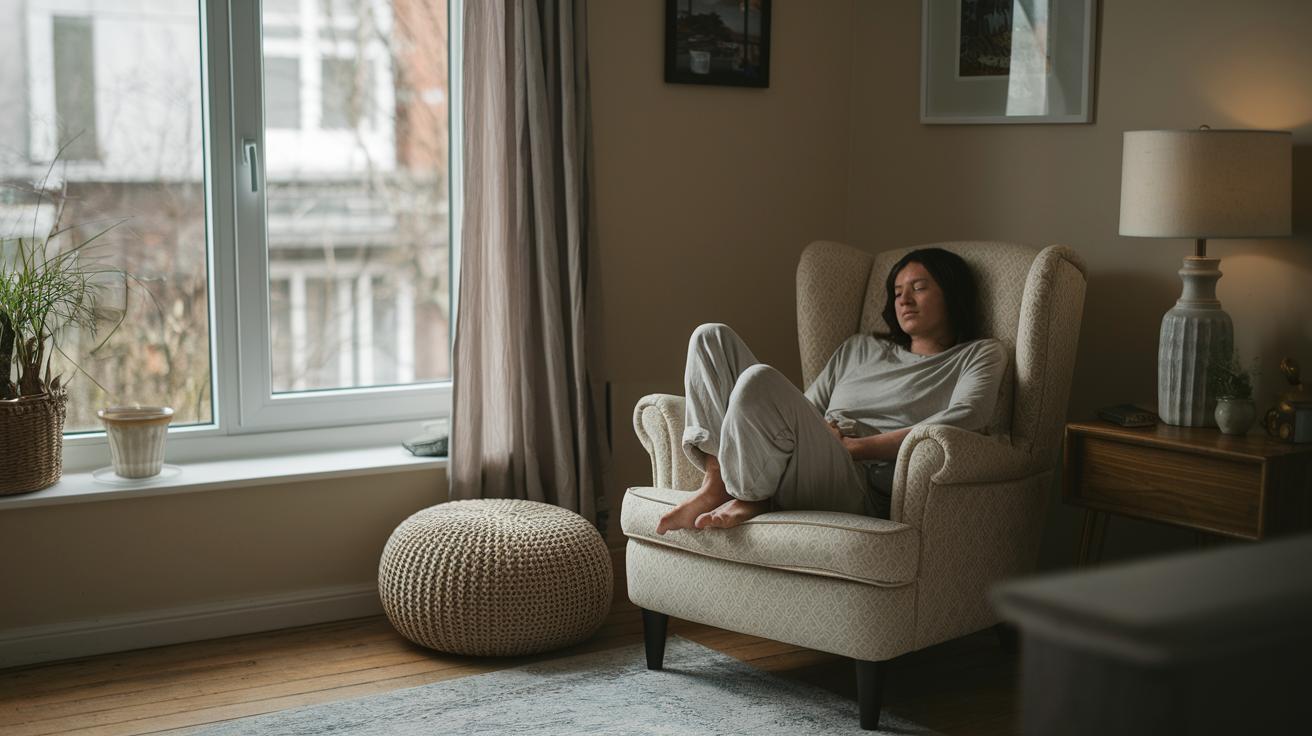
Find a quiet space where you can sit or lie down comfortably wearing loose clothes. Think of it like settling into your favorite comfy chair after a long day.
Begin by taking five slow and deep breaths. Breathe in through your nose and let the air out gently through your mouth. This helps you push away the stress of the day.
Now, start tensing your muscles. You can begin with your feet and move upward, or start from your head and go downward, whichever feels right to you. Tighten the muscles for about five seconds, as if you are giving them a little squeeze.
After holding the tension, let your muscles relax completely for 10 to 15 seconds. Enjoy that feeling of calmness, like watching winter ice melt slowly on a sunny day.
Keep going by working on your next muscle groups. Move through your calves, thighs, stomach, chest, arms, and end with your face. Stick to the same routine: squeeze for five seconds, then relax for 10 to 15 seconds. Remind yourself to focus on the comfortable warmth of letting go.
Once you've mastered this full routine, you can try it in shorter bursts. Maybe focus just on the relaxing part or combine a few muscle groups when you need a quick break. Enjoy the process as you find what works best for you.
Key Benefits of Progressive Muscle Relaxation for Stress Relief
Research has shown that progressive muscle relaxation (PMR) can really ease physical tension and help lessen feelings of anxiety. By tensing and then relaxing different groups of muscles, you give your mind a natural break. It’s a simple method you can do at home with no extra tools. Many people find that PMR helps them sleep better. Imagine ending your day with a session that loosens up all those tight knots and gently guides you to a peaceful sleep.
Practicing PMR often can help you feel more connected to your body and mind. Over time, you may even notice it becomes easier to spot stress and let go of it. This approach also builds a kind of muscle memory so that when stressful moments come, you can use PMR to find calm quickly. Try adding a few minutes of PMR to your daily routine, and soon those small moments of release might become a key part of how you manage stress.
Preparing Your Environment for Progressive Muscle Relaxation for Stress Relief

Set aside around 15 minutes in a quiet, neat space just for yourself. Pick a comfy reclined chair or a floor mat where you can sit upright enough to stay alert while you relax your muscles. Changing into loose, comfortable clothing and taking off your shoes really helps clear away distractions.
Next, make your space feel even more calm. Soften the lights and lower any background noise. You might choose to use a gentle timer or a soft chime to mark each cycle of tension and release. Picture your little retreat as a haven where every detail helps your body and mind unwind.
Here are a few quick tips:
- Find a neat, quiet spot and set aside about 15 minutes.
- Sit comfortably in a reclined chair or on a mat.
- Take off your shoes and change into loose clothing.
- Dim the lights and minimize any noise.
- Use a gentle timer or chime to guide your cycles.
Integrating Progressive Muscle Relaxation for Stress Relief into Daily Routines
Have you ever taken a moment just for yourself with progressive muscle relaxation? It’s a simple way to ease stress that fits perfectly into a busy day. Even if your stress levels seem low, spending a few minutes practicing can help your body remember how to relax when tension starts to build.
Imagine starting your day with a quiet five-minute break. You might set aside time during a peaceful morning or right before a hectic work period. Begin by taking a few slow, deep breaths, then focus on gently releasing the tightness in your arms and shoulders. Once you feel that calming shift, move on to other parts of your body, one step at a time.
Many people find that scheduling these little breaks helps them handle stress better. You could set an alarm on your phone or jot a note in your planner to remind yourself. If you’re new to this, try a session where all you do is let go of tension. That way, you can gradually build up to the full routine without feeling overwhelmed.
Think of each session as a small time-out, a chance to reset and prepare your body for whatever comes next. Even a brief, self-guided moment of stress relief can help create a sense of calm that carries through your day. Enjoy the process and notice how these simple steps can lead to lasting relaxation.
Guided Progressive Muscle Relaxation Sessions and Tools for Stress Relief
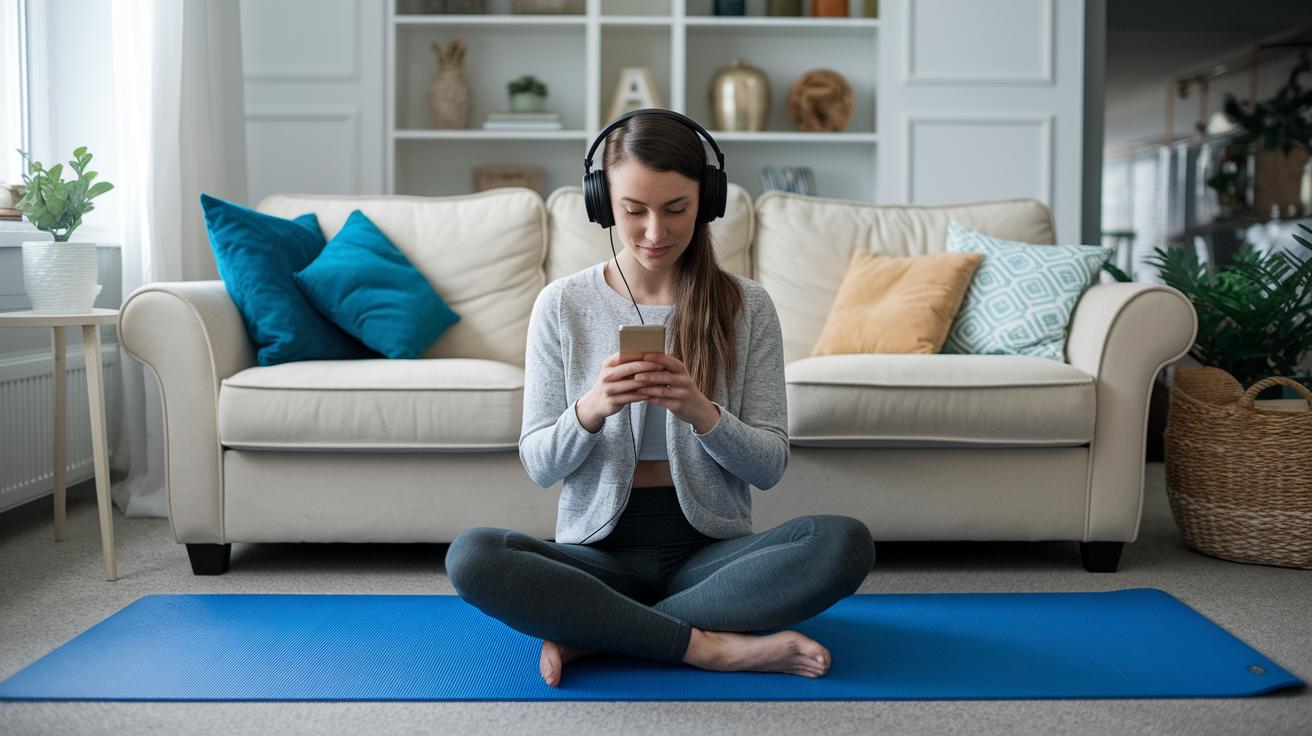
Many people enjoy using audio guides for PMR sessions. It’s like having a friendly voice gently remind you to tense and relax your muscles for a smooth 10- to 20-minute workout. Imagine feeling that little nudge as you follow along, turning your tension into a wave of calm.
A relaxation video can do the same trick. Picture a clear demo where someone shows you how to slowly tighten and then let go of each muscle group. You might hear something like, "Squeeze your shoulders for a few seconds and then let go," as the voice helps you melt away stress.
Digital guides bring simple, step-by-step instructions right to your screen. They let you go at your own pace and even encourage you to picture your muscles letting go of their tightness. And with mobile apps, you often get a mix of narrated sessions and visual cues, plus downloadable scripts to keep things on track.
These multimedia tools make it easy and fun to add PMR to your daily routine, whether you’re chilling at home or taking a break on the go.
Final Words
In the action, we explored how to use progressive muscle relaxation for stress relief to ease tension and calm the mind. We broke down the steps, from tensing and releasing muscle groups to creating the perfect spot for quiet reflection. The benefits shine through in improved sleep and reduced worries. Even guided sessions add a fun twist. Keep your routine simple and regular, and enjoy the rewarding calm that follows. Stay motivated as you keep embracing these practical techniques for positive change.
FAQ
What is a progressive muscle relaxation worksheet for stress relief?
The progressive muscle relaxation worksheet for stress relief serves as a step-by-step guide that helps you systematically tense and release your muscles. It provides clear instructions designed to reduce stress.
What does a progressive muscle relaxation PDF include?
The progressive muscle relaxation PDF offers a downloadable, easy-to-follow guide that outlines the timing and order for tensing and relaxing muscles, making it simple to practice stress relief at home.
What can I expect from a progressive muscle relaxation YouTube video?
Progressive muscle relaxation YouTube videos demonstrate guided sessions with audio cues and visual instructions, helping you understand when to tense and release muscle groups to ease stress effectively.
What do progressive muscle relaxation exercises involve?
Progressive muscle relaxation exercises involve systematically tensing and then releasing various muscle groups. This process works to ease physical tension and encourage a state of calm, reducing stress overall.
How does a progressive muscle relaxation script work?
A progressive muscle relaxation script works by providing written cues that guide you through each stage of muscle tension and release. It helps maintain focus during your practice to achieve stress relief.
What role does progressive muscle relaxation audio play in stress relief?
Progressive muscle relaxation audio offers narrated guidance that cues you on when to tense and relax your muscles. Using audio resources can make it easier to follow a consistent and calming stress reduction routine.
Does progressive muscle relaxation help with stress?
Progressive muscle relaxation helps with stress by reducing muscle tension and anxiety. This method creates a calming effect through a consistent routine of tensing and releasing muscle groups.
Can muscle relaxers help with stress?
Muscle relaxers work differently from progressive muscle relaxation. While they may ease muscle tension chemically, progressive muscle relaxation provides a natural, guided method to reduce stress and promote overall calm.
What are some examples of progressive relaxation techniques to relieve stress?
Examples of progressive relaxation techniques include tensing and releasing groups like your feet, legs, hands, and face. Each is held briefly and then relaxed, which helps alleviate physical tension and promote calm.
How can I ease muscle tension caused by stress?
Easing muscle tension caused by stress can be achieved with progressive muscle relaxation by guiding you through deliberate tensing and relaxing sequences. This exercise helps release tight muscles and encourages a relaxed state.