Ever feel like your worries take over before you can catch a break? Try mindful breathing. It's a little pause in your busy day that helps melt away stress. When you slow your breath, you can find a calm spot where the tension fades and your spirit feels lighter.
This simple, natural exercise eases your body and clears your mind, almost like a reset button. With each soft, gentle breath, it feels like anxiety loses its grip, leaving you with a spark of hope to brighten even the toughest moments.
How Mindful Breathing Provides Quick Anxiety Relief
Mindful breathing is a simple way to help you shift your attention away from worries and focus on your natural rhythm. When you pay attention to slow, gentle breaths, your mind finds a calm spot where anxiety fades. It gives you little pauses that break the cycle of stress.
When you practice mindful breathing regularly, you can feel a quick drop in stress. Taking slow breaths not only lowers stress chemicals like cortisol (a hormone linked to stress) but also slows your heartbeat and boosts oxygen flow. This natural method can help stop feelings like dizziness, giving you a safe path to relax.
| Benefit | Description |
|---|---|
| Present Focus | Shifts your mind to the now |
| Stress Reduction | Helps lower cortisol levels |
| Calming Heart | Slows down your heartbeat |
| Oxygen Boost | Improves oxygen flow in your body |
| Dizziness Prevention | Helps you avoid feeling lightheaded |
After just a few mindful breaths, you might notice your body softening and your thoughts clearing up. It works like a reset button to pull you away from anxiety and into a state of calm. Whether you try it during a busy workday, while waiting for a meeting, or before bed, this method can give you fast relief and help ease both physical tension and emotional stress.
The Science Behind Mindful Breathing for Anxiety Control
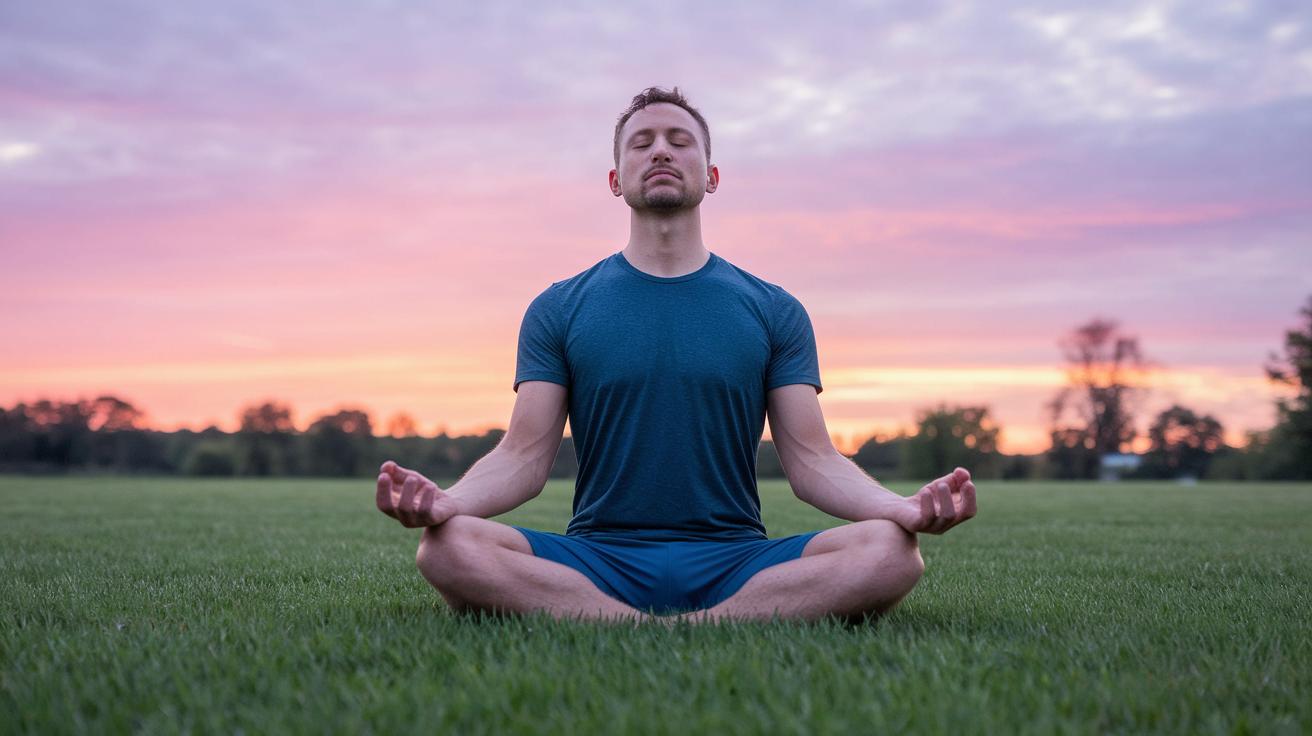
When you slow down your breathing, you gently nudge your body away from feeling on high alert. This simple act tells your body it's time to relax and recover. Slowing your breath helps move you from that quick "fight or flight" mode to a calmer state where your heart beats steadily and your mind finds a peaceful rhythm. Imagine it like turning off a switch that halves a racing heartbeat.
Research shows that deep breathing can lower cortisol, a hormone that builds up tension in your body, and also boosts how well your lungs work. When you practice mindful breathing regularly, it helps send a clear message to your whole system that it's time to chill, often easing anxiety almost immediately.
Effective Mindful Breathing Techniques to Ease Anxiety
4-7-8 Breathing
Try softly breathing in for 4 seconds, holding your breath for 7 seconds, and then letting it all go for 8 seconds. This helps by gently switching your focus to the way your body breathes, like hitting a tiny reset button when worry creeps in.
Diaphragmatic (2-to-1) Breathing
Breathe in so your belly expands over 4 seconds, hold for 2 seconds, then slowly breathe out for 8 seconds. Think of your stomach as a friendly balloon that fills up and slowly deflates. This method uses the diaphragm (the muscle below your lungs that helps you breathe) to bring in more oxygen and quiet your busy mind.
Box Breathing
Imagine drawing a square with your breath. Inhale for 4 seconds, hold the breath for 4 seconds, exhale for 4 seconds, and then hold again for 4 seconds. This steady, square-like rhythm can help keep your thoughts balanced, bringing a simple calmness into your day.
Resonant Breathing
Breathe in steadily for 6 seconds and then exhale for 6 seconds, aiming for about five full breaths in a minute. This even rhythm sets up a soothing beat that can help your body feel more balanced over a longer stretch, like during a 10-minute practice session.
Alternate Nostril Breathing
Slowly breathe in through one nostril, hold for 1 second, and then gently switch to exhale through the other nostril. This easy switch helps balance the airways and can calm your mind, almost like tuning your body into a natural flow.
Mindful Natural Breathing
Just watch your breath as it comes in and goes out without trying to control it. By noticing your natural rhythm, you can quietly let go of racing thoughts and stay right here in the moment.
| Technique | Inhale (s) | Hold (s) | Exhale (s) | Duration |
|---|---|---|---|---|
| 4-7-8 Breathing | 4 | 7 | 8 | ~19 s/cycle |
| Diaphragmatic Breathing | 4 | 2 | 8 | ~14 s/cycle |
| Box Breathing | 4 | 4 | 4 | ~16 s/cycle |
| Resonant Breathing | 6 | 0 | 6 | ~12 s/cycle |
| Alternate Nostril Breathing | 4 | 1 | 4 | ~9 s/cycle |
| Mindful Natural Breathing | , | , | , | Variable |
Integrating Mindful Breathing into Your Daily Routine
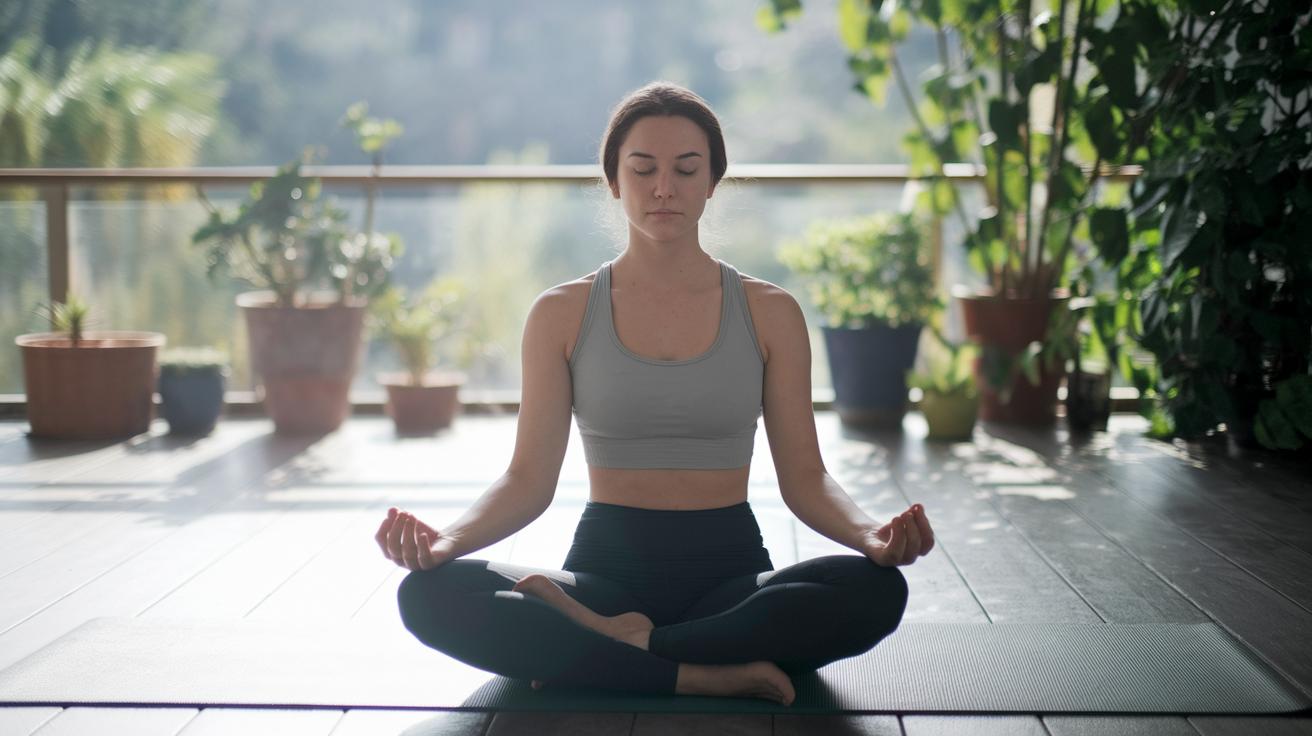
Mindful breathing can brighten your day and help ease anxiety. Imagine standing in line at the grocery store or taking a quick work break, and using that time to focus on your breath. Try spending two or three sessions of about three minutes each day, maybe before a meeting, between tasks, or before you go to sleep. This little pause helps you be in the moment and feel more balanced.
Just a few deep breaths can calm your nerves and lower stress over time. Think of it like doing a mini stretch for your brain. For example, before starting something new, breathe in slowly for four seconds, hold for a moment, and then breathe out for about six seconds. This easy trick can help melt away tension.
These short breathing sessions aren’t just quick fixes, they build resilience gradually. Treat them like little refreshers during busy days, a bit like stretching after sitting too long. With practice, these mindful breaths become a natural part of your routine, keeping you centered even when life gets hectic.
Expert Advice on Best Mindful Breathing Practices
A simple 3-minute guided session can calm the noise outside and in your head. Try taking a few minutes with a trusted meditation app that uses clear audio cues to bring you a sense of peace. Picture it: three minutes where you focus only on your breath, each inhale gently reminding you of calm.
Good resources mix clear voice instructions with soft background sounds, making it easier to unwind. These sessions boost self-awareness, help you manage your emotions, and ease physical tension.
Experts say pairing these short sessions with a regular practice can build lasting calm and focus. Imagine starting your day with a guided session that feels like a quick reset for both body and spirit. As you listen to that gentle voice guiding each slow breath, you might notice muscle tension softening and your mind drifting to a quiet space. Regular practice can lift your mood and make handling stress easier. Many professionals even suggest trying this method before big tasks or using it as a break during busy times to stay centered and strong.
Overcoming Common Challenges in Mindful Breathing
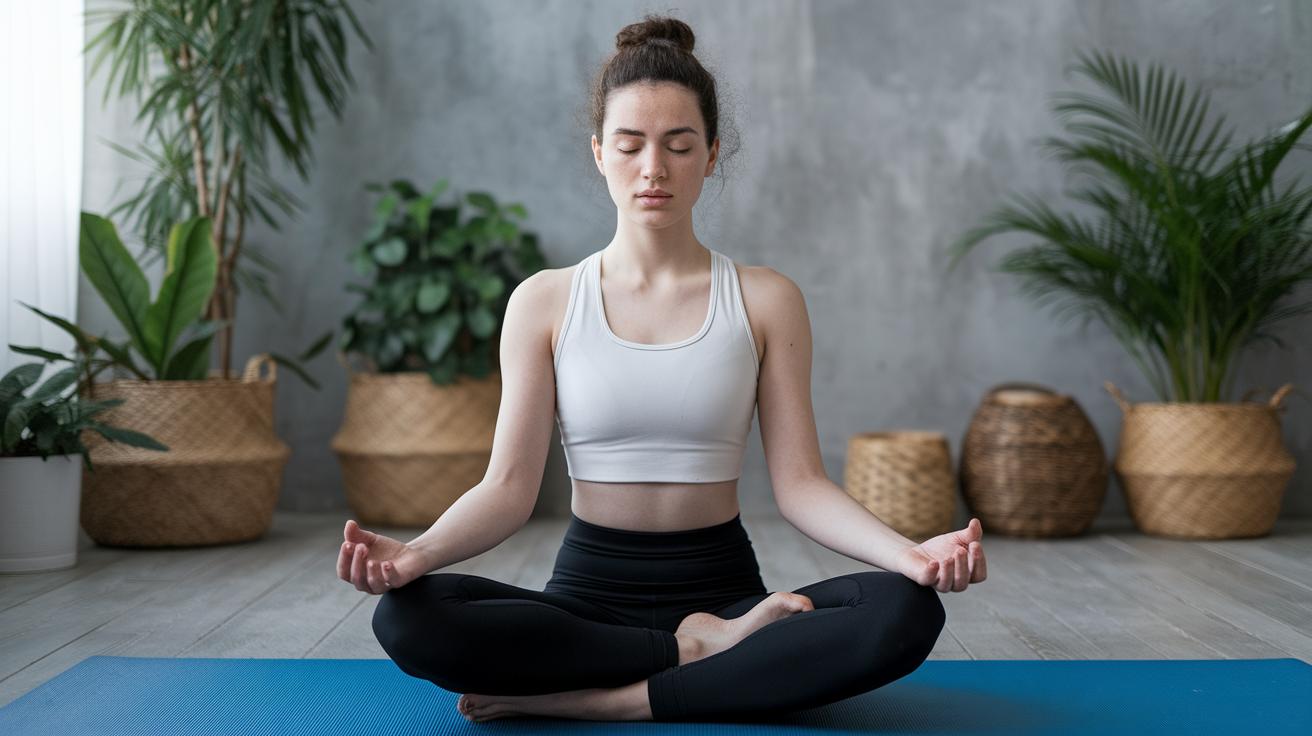
When you start mindful breathing, you might notice that your breath speeds up quickly. This fast breathing can make you feel lightheaded or even dizzy. It might seem scary and stop you from feeling calm.
Try slowing down your breathing. Sit or stand up straight and relax your shoulders. Inhale slowly for a few seconds, hold your breath for a moment, and then exhale in a smooth, steady way. You could try box breathing, which means you count evenly while breathing in, holding, and breathing out. Start with short sessions and slowly work up to longer ones. If your breath becomes too fast or you feel off balance, take a break and reset your rhythm.
If you still feel dizzy or uncomfortable, it might be time to take a longer break or ask a health professional for advice. Adjusting your breath little by little can help you find that steady, calm rhythm that makes you feel good.
FAQs on Mindful Breathing Techniques to Reduce Anxiety
How can the length of a mindful breathing session influence its effectiveness?
Sometimes a quick 3-minute session is all you need to ease mild tension. Other times, a 10-minute practice might help calm strong feelings. Think of it like taking a longer break during a busy day when you really need to relax.
What if my daily stress levels change, how often should I practice mindful breathing?
A good rule is to do it 2 or 3 times a day. But if you feel extra stressed, adding another session can really help. This way, you let your practice adjust to how you feel on any given day.
What precautions should I take when I have breathing challenges?
If you have trouble breathing, chat with your doctor before starting these exercises. They can guide you so you can use breathing techniques safely and comfortably.
How can I regain my focus if my thoughts begin to wander during the exercise?
When you notice your mind drifting, try counting your breaths or focus on how your chest moves. This simple trick can gently bring your attention back to your breathing and help you build focus over time.
How does mindful breathing complement other professional treatments?
Mindful breathing works well alongside other treatments. It can boost the calming effects of professional advice and help you handle daily stress more easily.
Final Words
In the action, we learned how simple, slow breaths help center our thoughts and calm our body. The guide explored how mindful breathing reduces stress by lowering cortisol levels and slowing the heart rate. Techniques like 4-7-8 and diaphragmatic breathing showed us clear ways to practice. It also shared tips to fit these exercises into daily life and expert advice to boost effectiveness.
By keeping mindful breathing for anxiety at the forefront, you can find calm moments whenever you need them. Stay well and keep breathing easy.
FAQ
Where can I find mindful breathing resources for anxiety like YouTube videos and PDFs?
Mindful breathing resources for anxiety appear in various formats, such as YouTube videos and online PDF guides. These help visually explain techniques and offer clear, step-by-step instructions for calming anxious moments.
What is the 4-7-8 breathing technique for anxiety?
The 4-7-8 breathing technique for anxiety involves inhaling for four seconds, holding your breath for seven seconds, then exhaling for eight seconds. This pattern helps slow your heart rate and ease stress swiftly.
What kind of breathing exercises work best during an anxiety attack?
Breathing exercises like mindful deep breathing, box breathing, and CBT-based techniques work best during an anxiety attack by shifting focus to your breath and promoting a calm, steady rhythm.
How do CBT breathing techniques help manage anxiety?
CBT breathing techniques for anxiety combine structured breathing patterns with cognitive strategies, guiding your focus away from anxious thoughts while stabilizing your breathing to calm your body.
Does deep breathing ever make anxiety worse?
Deep breathing usually soothes anxiety, though some may initially feel discomfort. If it seems to worsen your feelings, try a slower pace or consult a healthcare provider to adjust your technique safely.
What is the 5-5-5 method for anxiety?
The 5-5-5 method for anxiety means inhaling for five seconds, holding your breath for five seconds, and then exhaling for five seconds. This deliberate pattern helps refocus your mind and stabilize your body.
What does 3-3-3 breathing for anxiety involve?
The 3-3-3 breathing technique for anxiety consists of breathing in for three seconds, pausing briefly, and then exhaling for three seconds. It offers a simple, effective way to bring quick calm during stressful moments.