Have you ever felt like your body is trying to tell you something? Maybe you notice some tight muscles, a few aches, or even your heartbeat racing before you realize stress is building up.
In this post, we'll chat about these little hints your body gives you. Think of them as early signals that it’s time to slow down and take care of yourself. When you spot these clues, you get a great chance to adjust your day-to-day routine and start feeling better sooner.
Stick with us as we break down what these signs mean and share simple ways to help keep your body and mind in balance.
Key Bodily Effects from Stress: Recognizing Major Physical Symptoms
Stress kicks your body into fight-or-flight mode. It quickly sends out hormones like cortisol (a stress hormone that helps you deal with challenges) and adrenaline (which boosts your energy). This response makes you feel alert and tense. Catching these early signs can help you manage stress before it builds up.
Noticing these physical hints is a key part of looking after yourself. If you feel unusual aches or discomfort, it's your body’s way of saying, "Slow down a bit." Paying attention to these early signals gives you a chance to adjust your day and keep your health in check.
- Headaches or migraines brought on by tension
- Sore muscles in your neck, back, and shoulders from tightening up
- Stomach troubles like heartburn, nausea, or irregular bowel movements
- A fast or uneven heartbeat because of extra adrenaline
- Trouble sleeping, including bouts of insomnia or fitful nights
- Dizziness or lightheaded feelings from changes in your circulation
- A dry mouth and jaw pain from holding tension too long
Keeping track of these signs can help you see how stress impacts your body over days and weeks. You might find a simple symptom tracker useful for noting what you feel. With that info, you can try adding extra relaxation, taking more breaks, or even reaching out for professional advice if things seem to be getting worse.
Muscle Tension Due to Stress: Chronic Tension Buildup in Major Muscle Groups
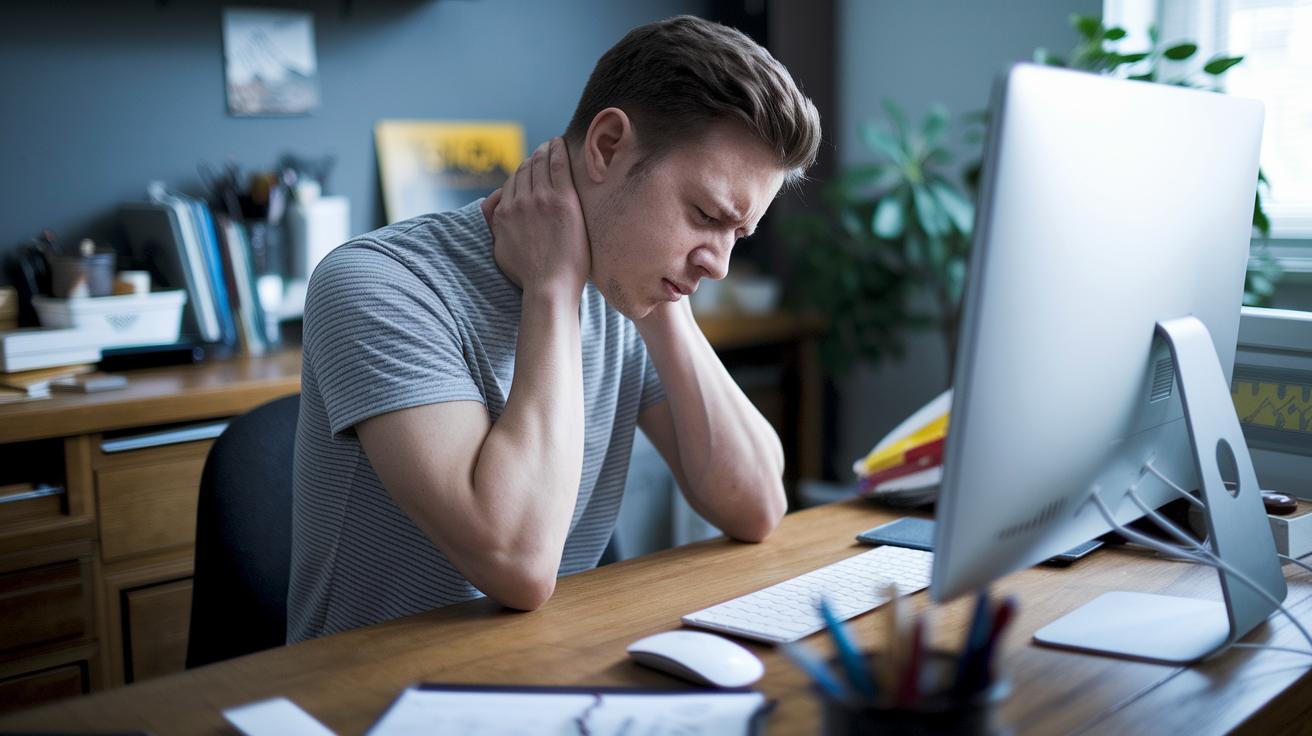
When stress lingers, your muscles can stay tight longer than they need to. Over time, that extra tightness can make you feel sore, stiff, and even cause little spasms that turn easy movements into a challenge.
Neck and Shoulder Tension
Have you ever felt a pinch in your shoulders? That might be your muscles around your neck and shoulders holding onto too much stress. Sitting at a desk for long hours can make this even worse. Imagine feeling a heavy, tight neck after a long, tiring day, it’s your body’s way of showing you that it's overloaded.
Jaw Clenching and TMJ Stress
Stress sometimes shows up in unexpected places, like your jaw. You might find yourself clenching or grinding your teeth when you’re feeling overwhelmed. This can lead to a sore jaw or even a mild headache. If your jaw starts to ache or you notice some ear pain, it might be time to relax a bit and let your muscles unwind.
Lower Back Tightness
Your lower back might also feel the strain from constant tension. When those muscles stay tight for too long, you could start feeling stiffness or even painful spasms. If bending or twisting becomes hard, it’s a good sign to take a break and ease off the tension.
Noticing these signals early can help you find ways to relax and adjust your routine. Sometimes, small changes and a bit of mindful movement can make a big difference in how you feel.
Gastrointestinal Disturbances from Stress: Digestive Upset and Appetite Changes
When you're feeling stressed, your stomach might start acting up. Stress hormones can make your stomach produce extra acid, which may lead to discomfort and upset your normal digestion.
Abdominal Pain and Heartburn
Sometimes stress makes your stomach produce too much acid. This extra acid can give you a burning feeling in your chest or upper belly, kind of like eating something very spicy and still feeling the heat afterward. That burn might show up as sharp pain around your middle or upper tummy.
Diarrhea, Constipation, and Bowel Changes
Stress can also change how your gut works. At times, your digestive system might speed up, which may lead to diarrhea. Other times, it could slow down, resulting in constipation. These changes can come with a sudden urge or a feeling of bloating that can really throw off your day.
Appetite and Weight Fluctuations
Stress can also send your hunger in two very different directions. Sometimes, you might not feel like eating at all, and even a meal can seem like a chore. Other times, you might find yourself reaching for extra snacks or larger portions. Understanding these signs can help you adjust your eating habits before discomfort sets in.
Cardiovascular and Respiratory Responses to Stress: Heart Rate, Breathing, and Chest Symptoms
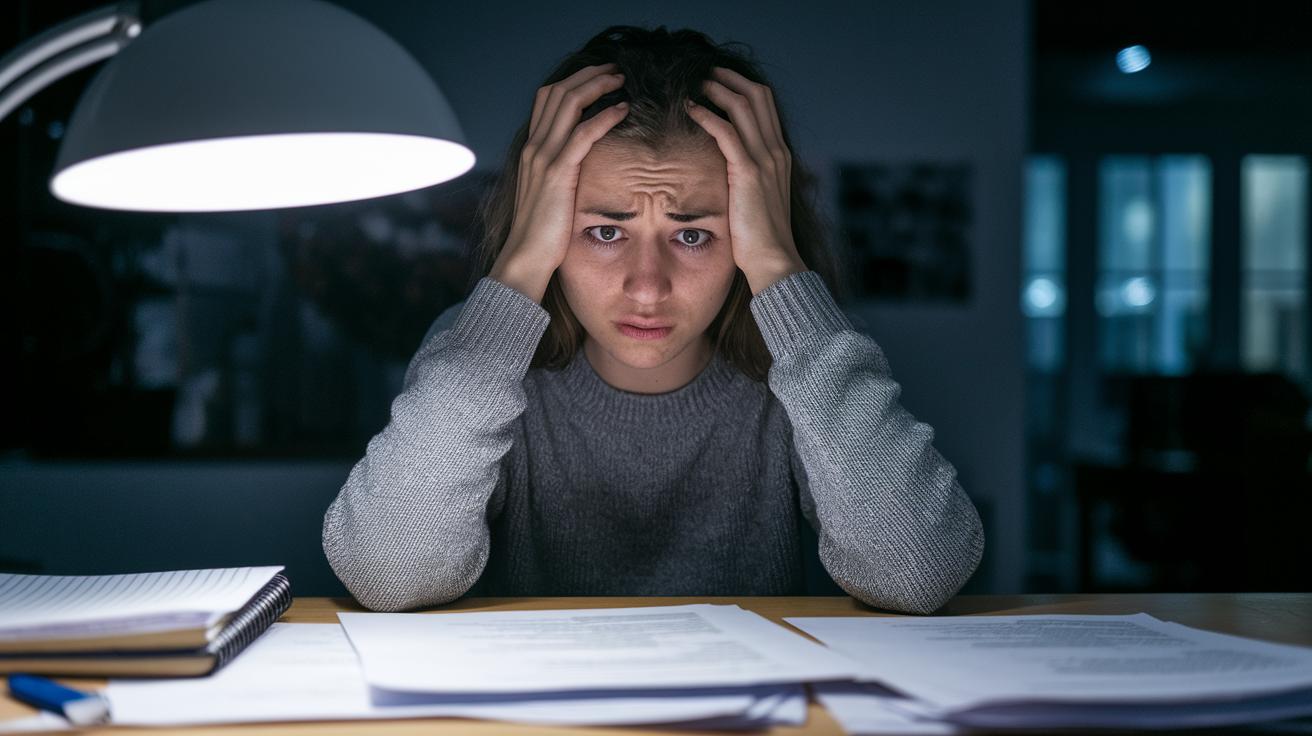
When you're stressed, your body quickly goes into alert mode. Your nerves send out a burst of adrenaline, and suddenly your heart starts beating faster. You might even feel like it skips a beat or pounds hard in your chest. At the same time, your breathing might pick up speed or become shallow, which can leave you feeling winded even if you're just sitting.
Heart Rate Elevation and Palpitations
When stress floods in, you might notice your heart racing or fluttering, much like a drum roll. This is your body trying to push extra blood to your muscles so you’re ready to act at a moment’s notice.
Breathing Irregularities
Stress can leave you gasping for air by making your breathing quick and shallow. Imagine the feeling after a short burst of running. Your lungs work hard to catch up, and you might even feel a little lightheaded as you struggle to take in enough air.
Blood Pressure Swings and Sweating
Sometimes stress can send your blood pressure on a wild ride, it spikes and then drops suddenly. This might lead to cold sweats and a heavy, uncomfortable feeling in your chest. It’s a clear sign that your body is feeling the pressure.
Neurological and Sensory Symptoms of Stress: Headaches, Dizziness, and Vision Changes
Stress can lead to tension headaches and even migraines. Your muscles tighten and your blood vessels change, making it feel like someone is gently squeezing your head. This pressure can make it hard to focus, and you might feel like you need to take a break.
In moments of stress, your vision might also get a little off. You could feel dizzy and notice that things seem blurry, as if you're peering through a foggy window. Recognizing these signs can be a reminder to slow down and try some calming techniques to ease the strain on your senses.
Skin and Hair Changes Under Stress: Perspiration, Breakouts, and Hair Loss

When you're stressed, your body makes more cortisol. This little hormone can cause your skin to go a bit oily and even break out with pimples. On days when stress is high, you might notice your skin feels greasy or more sensitive than usual.
Stress also changes how you sweat. Sometimes you feel a warm, steady sweat when you're under pressure, and other times a burst of cold sweat hits when panic takes over. It can feel really off-balance.
Even your hair feels the effects of stress. More hair follicles go into a resting stage, which can lead to extra hair falling out. This kind of hair loss happens slowly but can stick around as a constant reminder to take a breather. By watching these signs, you can start to use self-care tips or even talk to a health professional if you need extra help.
Immune and Hormonal Disruption: How Stress Alters Body Defenses and Hormones
When stress hits, your body jumps into fight-or-flight mode and stays there longer than you might expect. If you’re under constant stress, your body keeps releasing hormones like adrenaline and cortisol, which can wear down your immune system over time. Imagine a car engine that never gets a chance to cool off; eventually, even small cuts or scrapes take longer to heal.
Over time, having too many stress hormones in your body can mess up your metabolism, too. When you stay in that high-alert state, your body might not soak up nutrients or keep your energy balanced, which can change how you use energy or store fat.
After long bouts of stress, you might feel like your body is shutting down a little. Your muscles could feel heavy, your energy might drop, and even your digestion can slow down. Some people notice extra tiredness or even changes in their reproductive health. When you catch these signs early, you have a chance to try new habits and help your body feel better again.
When Physical Stress Symptoms Point to Serious Conditions: Warning Signs and Medical Evaluation

Sometimes stress sends signals that feel a bit different from everyday tension. If you notice a tight feeling in your chest, a heart that keeps racing or skipping beats, even while you’re resting, or if you experience dizziness for more than two weeks, these are signs to pay attention to. Even extreme tiredness or ongoing discomfort, which might look like stress at first, could mean something more serious. It might feel weird, like your heart is doing a little dance when it shouldn’t be. Catching these hints early means you can get the help you truly deserve.
If these symptoms stick around for two weeks or longer, having a chat with your doctor is a smart idea. A simple check-up can help see if your heart, brain, or hormone levels (the chemicals that help your body work right) are having a hard time. Keeping a small diary or tracker of when things happen and how long they last can give your doctor useful clues. Listening to your body when it gives these little warnings is a caring way to take care of your health.
Remember, taking care of yourself just might mean catching and addressing these signals early on. A friendly talk with a healthcare professional can clear up any concerns and help guide you toward feeling your best.
Managing Physical Symptoms of Stress: Self-Care Techniques and Professional Tips
Stress can leave you feeling worn out and tired. Taking small, proven steps to care for your body can help ease that fatigue and improve your sleep. By adding these habits into your day, you can feel more steady and in control, even when things get tough.
-
Try eating healthy by cutting back on sugar and caffeine and drinking lots of water. Look for ideas that focus on whole foods and staying hydrated to keep your body running well.
-
Get moving with about 20 to 30 minutes of moderate exercise like walking fast or riding your bike. This can help ease muscle tension and lift your mood with natural feel-good boosts.
-
Spend some time outside for 20 to 30 minutes. Enjoy fresh air and natural light while taking a break from screens. This little pause can help lower stress and clear your mind.
-
Find a quiet spot to sit and focus on your breath for a few minutes. Mindfulness can slow down racing thoughts and ease physical tension, making it simpler to relax.
-
Chat with a friend or family member about how you feel. Connecting with loved ones can give you emotional support and make you feel less alone.
-
Try to steer clear of habits that might make stress worse, like drinking too much, overeating, or smoking. Setting small, steady goals for your well-being can make a big difference over time.
Remember that everyone is unique. If you still feel very tired or have trouble sleeping, it might help to talk to a health professional for advice that fits your needs.
Final Words
In the action, we explored how stress shows itself in the body. We discussed muscle tension, upset stomach, rapid heartbeat, headaches, skin changes, and shifts in hormones. Tracking these physical symptoms of stress can help catch issues early and guide you toward simple self-care.
Keep an eye on these signals and try techniques like regular movement, mindful breathing, and balanced eating. Each positive step supports a healthier body and a brighter outlook.
FAQ
What are common physical symptoms of stress in women?
The physical symptoms of stress in women include headaches, muscle aches, sleep disruptions, rapid heartbeat, and stomach discomfort. Recognizing these early can help guide self-care efforts.
What are the emotional and behavioral symptoms of stress?
Emotional signs of stress often include anxiety, irritability, and feeling overwhelmed, while behavioral symptoms can be changes in appetite or withdrawal from normal activities. Both need attention for overall well-being.
What are five symptoms of physical stress?
Five physical stress symptoms include headaches, muscle tension, digestive issues, irregular heart rate, and sleep problems. These signs show your body is in a heightened state of alert.
What does chronic stress do to the body?
Chronic stress can lead to sustained muscle tension, altered heart rhythms, weakened immunity, and hormone imbalances, which put extra pressure on different body systems over time.
Can being stressed make you sick?
Being stressed can make you sick by reducing your immune response, fueling digestive troubles, and increasing heart stress. This underlines the importance of managing stress effectively.
What are the effects of extreme stress?
Extreme stress has effects like significant muscle tension, severe digestive discomfort, heart irregularities, and intense emotional strain. Recognizing these effects encourages timely action and support.