Have you ever thought about how your breath might do more than just keep you alive? Mindful breathing is all about paying attention to your every inhale and exhale so your body can naturally settle into relaxation. Deep breathing fills your lungs with oxygen and helps ease tension, while mindful breathing calms your mind gently. Each method works in its own special way to lower stress and boost your mood. In this post, we'll walk through these techniques and look at how each one can help you feel more balanced and well. Stick around and see which style might become a great part of your daily routine.
Core Definitions: Mindful Breathing vs Deep Breathing
Mindful breathing is about simply noticing your breath as it naturally comes in and goes out. It’s like sitting with a friend and just watching each inhale and exhale without trying to change them. This gentle attention helps calm your body by turning on the part of your nervous system that relaxes you, which can lower your heart rate and ease your mind. For instance, you might say, "Feel the cool air tickle your nostrils as you breathe in and the soft warmth as you breathe out. Let your breath lead you to a peaceful place."
Deep breathing, sometimes called belly breathing or diaphragmatic breathing, means taking full, intentional breaths that fill your lungs completely, from your chest down to your belly. You might try patterns like 4 seconds in, 7 seconds holding, and 8 seconds out, or aim for about five full breaths each minute. These techniques help increase the oxygen your body takes in, make your lungs stronger, and relax your body more deeply.
The main difference is that mindful breathing is all about being aware and letting your natural rhythm flow, which is great for calming your thoughts and easing stress. Deep breathing, on the other hand, uses a set pattern to boost your breathing power and physical relaxation. Both methods bring unique benefits, letting you choose a style that best supports your journey to feeling better and more balanced.
Techniques for Practicing Mindful Breathing and Deep Breathing
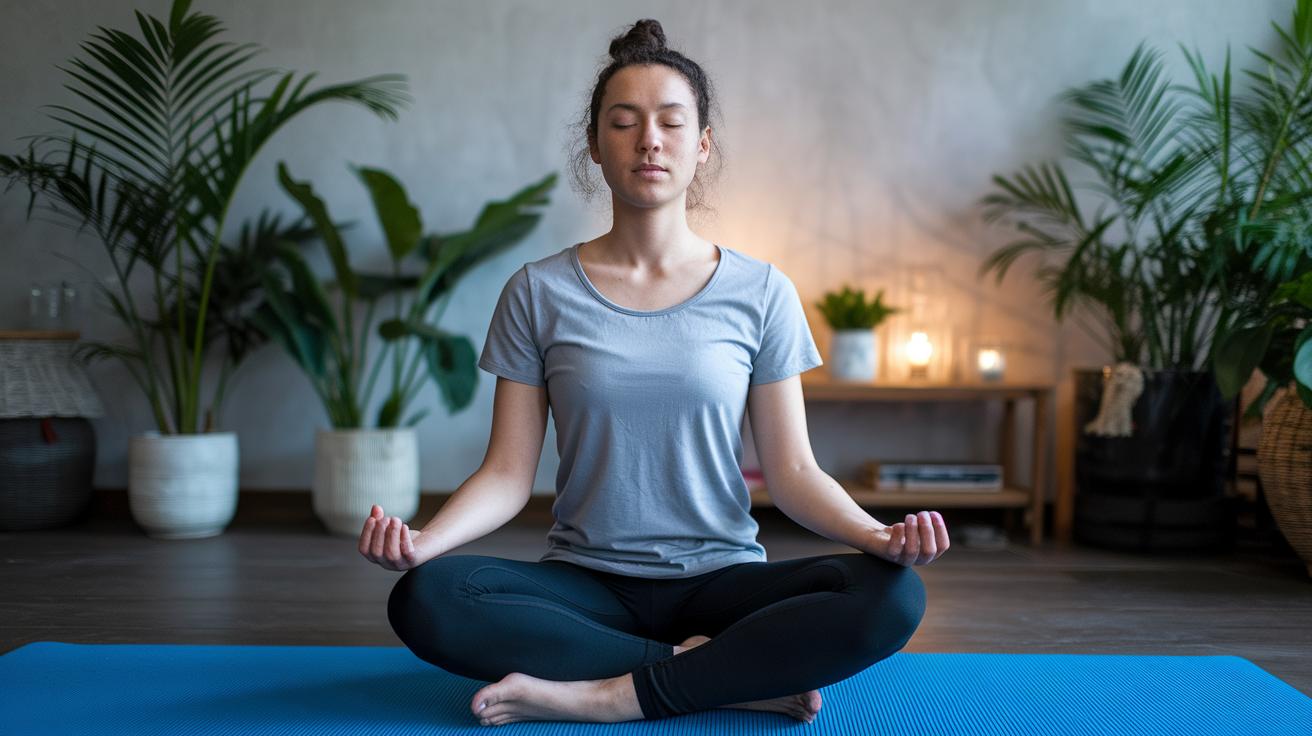
Mindful breathing means gently focusing on how your breath moves naturally. One easy method is anchor breathing. Simply pay attention to your breath as it comes in and goes out. For example, notice how the cool air brushes your nostrils when you breathe in and feels a bit warmer as you breathe out. Another tip is triangle breathing, where you breathe in for 4 seconds, hold for 4 seconds, and breathe out for 4 seconds. Many find that a guided script of 5 to 10 minutes can help when starting out.
Deep breathing, on the other hand, uses a more deliberate approach with clear timing and posture. A common way is diaphragmatic breathing. Place one hand on your belly so you can feel it rise with a deep breath in and fall as you breathe out. You can also try pursed-lip breathing by gently pressing your lips together to slow your airflow, which feels very calming. For a structured exercise, try the 4-7-8 method: breathe in for 4 seconds, hold for 7 seconds, and slowly exhale for 8 seconds. Coherent breathing is another option, where you aim for about 5 full breaths a minute, making each one slow and measured.
Mindful breathing lets your body find its own rhythm, while deep breathing guides you into relaxation with set steps. You can adjust both methods to fit your needs, whether it’s a longer session or just a few quick deep breaths to help you unwind.
Physiological and Respiratory Effects: Mindful vs Deep Breathing
Mindful breathing helps your brain slow down and feel more at ease by tapping into the part of your nervous system that tells you to relax. This shift can lower stress hormone levels and even settle your heart into a gentle rhythm. Imagine your pulse softening with each quiet, attentive breath.
Deep breathing, on the other hand, gets your diaphragm moving more actively. It means your lungs pull in a bigger gulp of air each time you breathe. More air gives your body extra oxygen and can improve how well your lungs work. Just place your hand over your belly and notice how it lifts and falls, it shows your breathing muscles working harder.
Both of these techniques help lower blood pressure, but they do it in their own ways. Mindful breathing calms your mind by focusing on every breath, while deep breathing makes the exchange of oxygen in your lungs more efficient. Over time, deep breathing can boost your lung strength and overall circulation.
- Mindful breathing relaxes your brain and heart.
- Deep breathing strengthens your lungs with bigger breaths.
- Each approach helps reduce blood pressure, just by working in different ways.
Mental and Emotional Benefits of Mindful and Deep Breathing
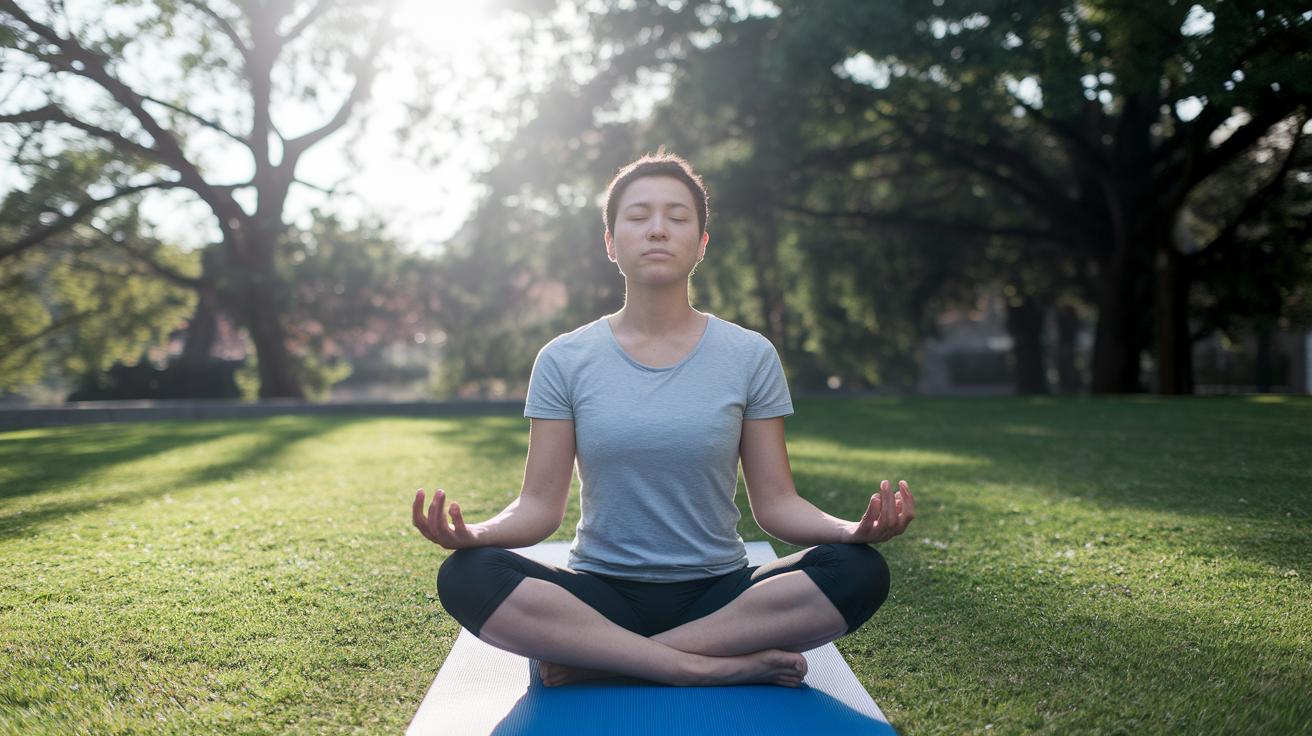
Mindful breathing helps your emotions feel steadier by easing away negative thoughts and even reducing pain from issues like fibromyalgia and migraines. When you take a moment to settle into your breath, it feels like letting your busy mind relax. Try this: close your eyes and whisper to yourself, "Let my breath wash away the tension." Notice your inhale and exhale, and just be present. This simple act brings you into the now and over time helps manage your feelings better. With a little regular practice, you might find that your mind stays as clear and calm as a quiet stream in a peaceful forest.
Deep breathing works as a quick reset for your body and mind. By slowly and deliberately taking longer breaths, you can ease muscle tightness and lower anxiety almost right away. Imagine taking one long, steady breath before a difficult meeting and feeling your body relax in the blink of an eye. This practice helps stop stress in its tracks and lets you feel centered and in control. Both mindful and deep breathing can work well together to reduce stress and clear up your focus. They even pair nicely with simple nutritional ideas for stress management when you are working to balance your body and mind.
Situational Applications: When to Choose Mindful or Deep Breathing
Mindful breathing is great when you're building long-term resilience and getting to know yourself better. It easily fits into your daily meditation or mindfulness practice, letting you slow down during everyday tasks. For example, you might spend 5 to 10 minutes after you wake up just watching your breath, feeling how each inhale and exhale brings a little more calm into your morning. Over time, this simple practice helps you stay relaxed day after day.
Deep breathing works best when you need a quick fix of calm. It really comes in handy before a big presentation, during a run, or anytime you're pushing your body hard. A few deep breaths can instantly boost your oxygen levels and help you feel centered and strong.
- Mindful breathing: Perfect for daily routines that build inner calm.
- Deep breathing: Best for short, quick moments to reset your stress levels.
Using these techniques in the right moments means you can mix long-term balance with fast relief to create a recovery approach that suits you.
Combining Mindful and Deep Breathing for Optimal Well-Being
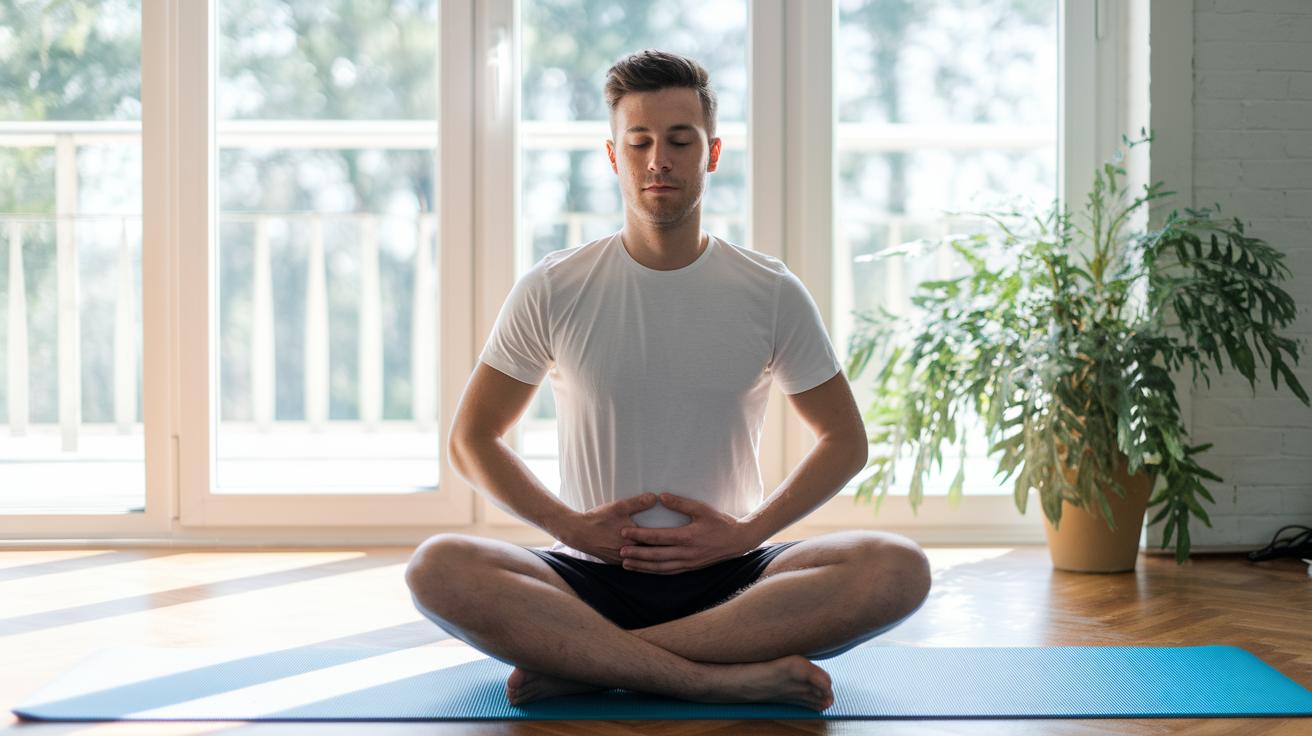
Start with a few deep breaths to help calm your body. Try diaphragmatic breathing (this means breathing by letting your belly expand as you breathe in) for about three minutes. Put one hand on your belly and feel it gently rise and fall. This simple step can help steady your heart rate and make you feel grounded.
Next, spend around seven minutes just observing your natural breath. Simply notice each breath as it flows in and out, without trying to change it. Let your attention rest on the feeling of air moving in and out of your body. This mindful focus not only soothes your mind but also helps lower stress.
This two-step approach brings many benefits. It can lower stress hormones, improve your concentration, and even help balance your feelings. By first using deep breaths to stabilize and then shifting to a calm, observing state, you create a friendly routine that supports both body and mind.
Final Words
In the action, the post explored how each breathing method works to help calm the mind and body. It highlighted practical exercises and detailed benefits from reducing stress to improving lung capacity.
Key points showed how mindful breathing builds present-moment awareness, while deep breathing focuses on physical relief. The content clearly breaks down the difference between mindful breathing and deep breathing for everyday use.
Every tip blends into a simple routine that keeps you feeling upbeat and ready for more healthy habits.