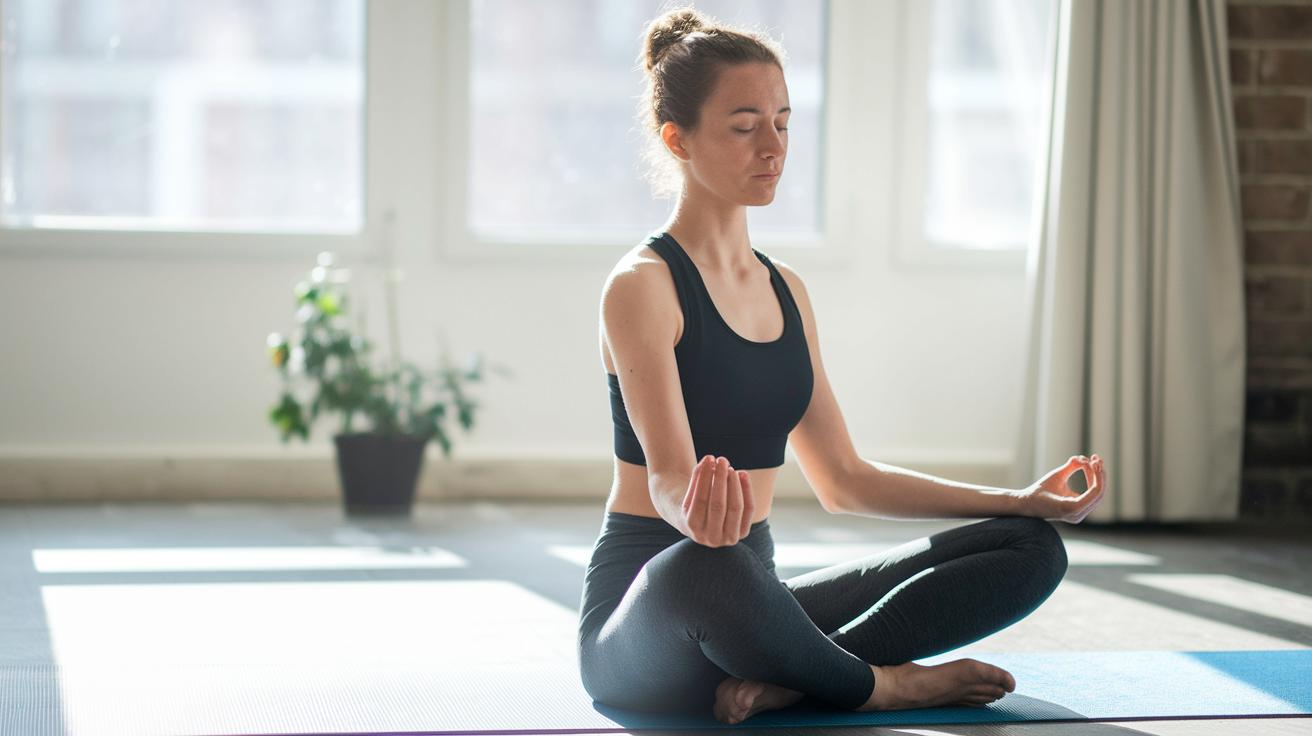
Have you ever noticed how one slow breath can change your whole day? Picture feeling stress fade away with every gentle inhale and exhale.
Focusing on your breath and tuning into your body is an easy way to find calm, even when the morning feels hectic or the afternoon gets tense. As you listen to the soft rhythm of your breathing and feel your belly rise and fall, your worries seem to shrink, and a peaceful feeling takes over.
This simple habit brings inner calm, leaving you feeling refreshed and ready for whatever comes next.
Mindful Breathing and Body Awareness for Immediate Stress Relief
Mindful breathing means simply noticing each breath as it comes and goes without trying to change it. When you breathe in and out, you can gently bring your attention back to the present. Imagine this: over 23,000 breaths every day, each one a little chance to leave your worries behind.
Sit in a comfy spot, maybe on a cushion or a chair, with your back straight and your shoulders relaxed. This easy posture lets your breath flow naturally. Even just 5 to 10 minutes can clear your head and soothe your body, leaving you calm and ready for the day ahead.
As you breathe, pay attention to the soft rise and fall of your belly. Notice the cool air as it enters your nostrils and the warm flow when you exhale. This simple focus can ease anxiety and cut down negative thoughts. Research shows that this breathing trick helps activate the part of your body that calms you down. It might even help ease a headache or a bit of back pain.
Picture starting your morning with a little pause: sit down, take a deep breath, and feel your body relax bit by bit. Every mindful breath is a small step toward a more relaxed and happier you.
mindful breathing and body awareness spark inner calm
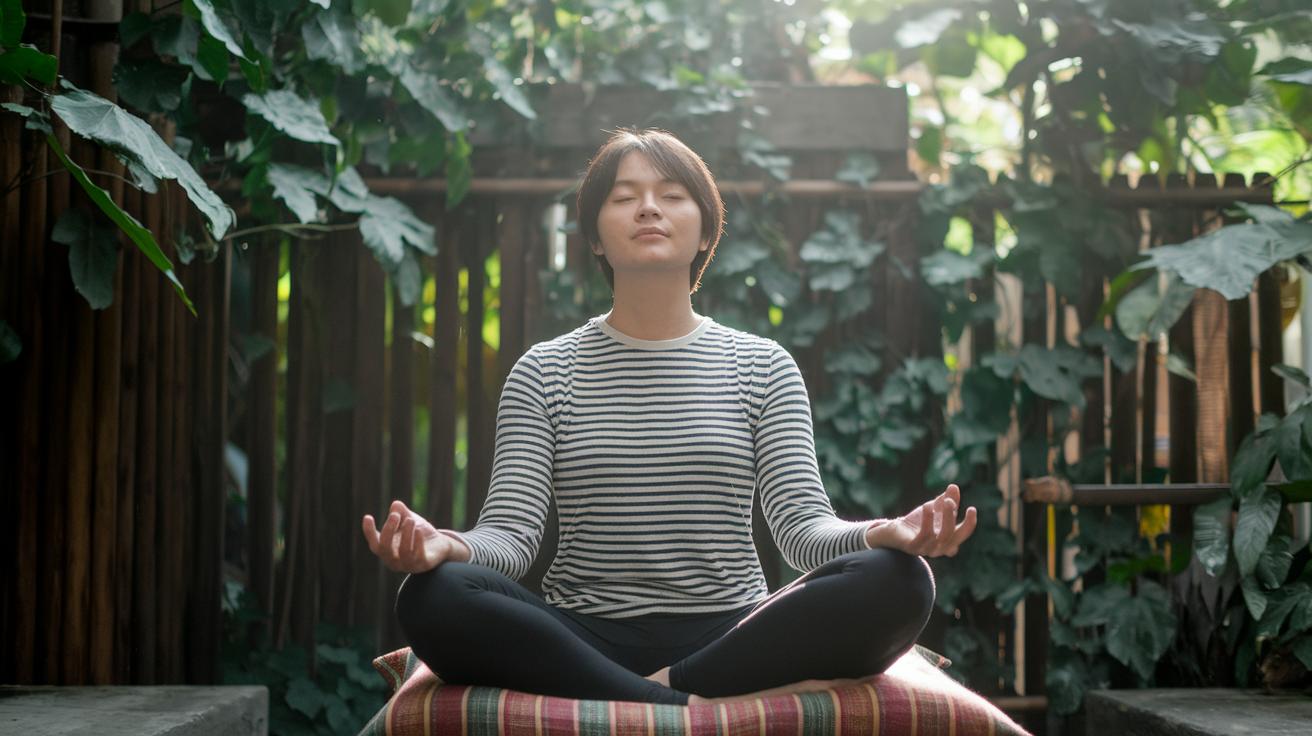
Find a comfy spot, whether it's a cushion on the floor or a sturdy chair. Sit up with a straight back, let your shoulders relax, and ease your jaw. You can gently close your eyes or keep a soft gaze, whatever feels natural.
Start by breathing in slowly. Count to four in your mind as you feel your belly expand like a soft balloon. Hold that breath for two calm counts and then let it go slowly over six counts, noticing your belly gently contract. This steady rhythm helps relax your body and quiet your thoughts.
To keep your focus, count each complete breath cycle from one to ten. If your mind wanders, that's okay, just start your count over with "one, two, three, four…" It's a simple way to bring your attention back.
As you breathe, pay attention to the feeling of air moving in and out. Let yourself notice every little sensation without trying to push or change it. Just be present with your breath.
If you want more help, you can download a free PDF that features three easy mindfulness exercises. These tips are designed to support stress relief and to help you embrace the calm of being in the moment.
Integrating Body Scanning with Breath Awareness for Enhanced Corporeal Perception
Find a calm spot and settle into a comfy seat. Close your eyes or keep a soft gaze, and start by focusing on your breath. Begin your scan at your toes, slowly moving upward. Spend about one or two minutes on each body part. Notice any feelings, changes in temperature, pressure, or little tingles in your muscles and joints. As you move along, ask yourself, "What do I feel here?" This helps you connect with your body in a deeper, more personal way.
With every exhale, gently let go of any tension you find. Feel how your body relaxes a bit more each time you breathe out. If your toes feel numb or your legs are tight, imagine that stress melting away as you exhale. Keep this pace as you work through your midsection, chest, and shoulders. Notice the way your breath travels and supports every part of you. As you reach your neck and head, pause to see if there's any lingering tightness. This practice not only highlights small physical changes but can also ease everyday discomforts like lower back tension or other chronic aches.
Taking just a few minutes to engage in this mindful body scan can boost your ability to sense your body and improve your overall well-being. Each steady breath is a gentle reminder to check in with yourself, turning simple moments into helpful rituals for reducing stress and inviting calm.
Proven Benefits of Mindful Breathing and Body Awareness
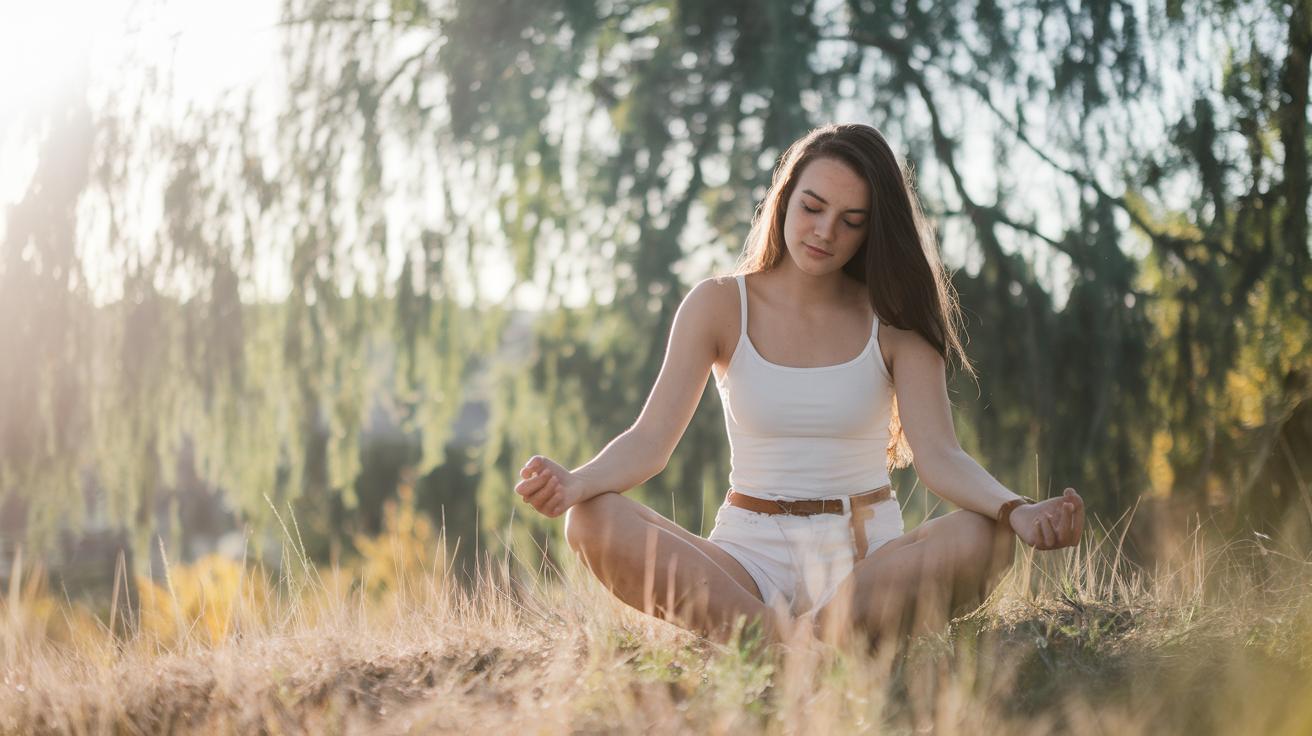
Mindful breathing and body awareness help your body relax. They slow your heartbeat and lower stress chemicals like cortisol (a hormone that rises when you're stressed). This simple habit can lower anxiety by almost 30%, making your worries feel much easier to handle. For example, I often say, "Before a busy day, I take a few deep breaths, and the tension just melts away." It’s like giving your mind a moment of clear focus that eases stress and sharpens your thinking.
When you practice this, it’s like hitting a reset button for your brain. Negative thoughts start to fade, and suddenly, decision-making feels smoother and your focus gets sharper. Imagine a foggy window that clears bit by bit with every slow breath. It’s that natural clearing away of mental clutter that opens the door to better thinking.
Many people also find that mindful breathing provides relief from pain. Folks dealing with migraines, fibromyalgia, or lower back pain often notice a calming effect that eases discomfort. Plus, regular mindful sessions can lead to deeper, more refreshing sleep, helping you wake up feeling renewed and ready to take on the day.
By turning mindful breathing into a daily ritual, you set up a little oasis of calm to help manage everyday stress. Whether you’re looking to balance your emotions or ease physical tension, these simple breathing techniques offer a gentle path toward a peaceful mind and body.
So, why not give it a try? Embrace each mindful breath and notice how it can help steady your mood and ease tension. It’s a small step towards boosting your overall wellness every day.
Practical Exercises, Scripts, and Multimedia Resources for Breath and Body Awareness
Explore a mix of simple exercises that blend guided imagery with easy body scans. These routines help you breathe with awareness and tune into your body every day. They are made to lower stress and help you relax, turning short pauses into moments of calm. Imagine taking just a few minutes to reset your mind with a quick lung exercise. For instance, you can try a free PDF that offers three simple exercises. It combines focused breathing with a gentle body scan to help slow your pace and center your thoughts.
If you're just starting with mindful breathing, a basic script can gently guide you in noticing the refreshing feeling of a slow, steady inhale. Over time, you might find your practice deepening into more refined techniques. There are also five helpful YouTube videos that show you, step by step, how to practice mindful breathing and perform a body scan. These videos let you see each move in real life. Plus, the Positive Psychology Toolkit© offers over 500 exercises, including ones that mix breath and body awareness in a fun way. And for young minds, there are 25 mindful breathing activities to help set up good habits early on.
Whether you try a gentle movement meditation or a focused lung exercise, each script is designed to ease stress and boost your focus. Feel free to explore different exercises until you find what works best for you. Remember, every mindful breath brings you closer to a calm, clear state of being.
Core Breathing and Body Awareness Scripts
| Script Name | Details |
|---|---|
| Triangle Breathing | 3 minutes – Balances your breath to bring steady calm and clarity. |
| Anchor Breathing | 2 minutes – Focuses on one point to help reduce scattered thoughts. |
| 5-Minute Breath Practice | 5 minutes – Uses controlled breathing to enhance relaxation. |
| Kamalashila Meditation | 20 minutes – Dives deep into breath and body awareness to boost insight. |
| 2-Minute Anxiety Relief | 2 minutes – Quickly calms your nerves for fast stress relief. |
| Mindful Body Scan | 5 minutes – Checks in with your body to release tension. |
| Guided Imagery Session | 10 minutes – Uses visualization to
Overcoming Common Challenges in Mindful Breathing and Body Awareness
Sometimes your mind wanders during practice. When you catch it drifting, try counting each full breath cycle from one to ten. If you get sidetracked, gently restart your count. This little exercise helps you get back in control without any stress. If you feel uncomfortable sitting, you might want to try different seating options. Maybe change your chair's height or add a cushion. Finding a comfy spot can make your body relax, so you can focus more easily on your breathing. If you start to feel restless, begin with quick 2-minute sessions. Once you feel more at ease and notice a calming effect, gradually add a few extra minutes. Even a couple of quiet minutes can really brighten your day. At times, physical distractions might pop up. When you hear a sound or sense a shift in your body, just notice it without judging and then gently return your focus to your breath. Practicing this can help strengthen your daily routine.
Making a habit of this practice every day can help keep you calm and build your strength over time. Advanced Mindful Breathing and Body Awareness Techniques for Mind-Body SynergyImagine a calm stream of energy flowing gently through your body as you breathe in. With every deep breath, picture a warm current traveling along your arms and chest. And when you breathe out, feel this energy trail back to you, refreshing your entire self. Try syncing your breathing with small head or arm movements. For instance, inhale slowly while letting your arms shift a bit, then exhale and gently bring them back. This simple motion helps you notice the quiet energy paths that run through your body and deepens your connection with yourself. While practicing, see the energy as a soft, flowing current that steadies both your emotions and your body. Begin with a routine of ten minutes in the morning and ten in the evening. You might experiment with minor changes in your posture, maybe a slight tilt of your head or a relaxed shoulder. Each session helps match your breath with your thoughts, strengthening your inner calm. This way, you build a steady link between body and mind. Over time, this practice eases stress and creates a true sense of balance. Enjoy the gentle renewal with every breath. Final WordsIn the action, the blog post illuminated simple steps for using mindful breathing and body awareness to ease stress. The detailed guide on breath focus, body scans, and practical routines offers clear ways to improve physical and mental well-being. Each section provided easy tips that remind us to pause, feel each breath, and reconnect with our body. The techniques shared can make a real difference in managing daily stress. Stay positive and keep practicing these mindful breathing and body awareness exercises for a calmer, happier outlook. FAQMindfulnessThe mindfulness practice means staying fully aware of your present moment and accepting your feelings without judgment. It helps ease stress and boosts clarity in everyday life. Mindfulness exercises PDFThe mindfulness exercises PDF is a downloadable resource offering simple, step-by-step instructions for mindful breathing and body scans, making it easier to relax and reduce stress. How to practice mindfulness in daily lifeThe practice of mindfulness in daily life involves using gentle breathing techniques, body scans, or paying attention to simple daily tasks, which helps keep you centered and calm. Mindfulness exercises for adultsThe mindfulness exercises for adults often include guided meditations, slow breathing sessions, and full-body scans designed to ease stress and improve focus throughout the day. Quick mindfulness activities for adultsThe quick mindfulness activities for adults involve short breathing pauses or two-minute body scans that reconnect you with the present, offering rapid relief from stress during busy days. Mindfulness meditationThe mindfulness meditation practice consists of sitting quietly while focusing on your breath and bodily sensations, letting thoughts pass by without judgment to promote inner calm. Mindfulness activities for studentsThe mindfulness activities for students include brief breathing exercises or quick body scans between classes, which help relieve anxiety and sharpen focus during study time. How to practice mindfulness for anxietyThe method to practice mindfulness for anxiety involves slow, deep breaths and gentle body awareness techniques that shift attention away from anxious thoughts and toward the present moment. What are the 3 C’s of mindfulness?The 3 C’s of mindfulness refer to concepts like clarity, calmness, and connection, which help you view your thoughts and feelings in a balanced way to support well-being. How do you practice breathing for awareness?The practice of breathing for awareness means taking slow, counted breaths, noticing each inhale and exhale carefully, and gently returning focus to the breath whenever your mind wanders. What is the use of breath and body awareness?The use of breath and body awareness centers on linking your focus to physical sensations, reducing stress by creating a calming connection between your mind and body. How can I improve my body awareness?The way to improve body awareness involves practicing full-body scans and mindful breathing regularly, which helps you notice and release tension while sharpening your sensory connection. |