Ever thought that a few simple changes might lift some of that heavy stress? Chronic stress can drag you down mentally and physically, leaving you feeling off balance. Studies show that even a quick stroll or a few deep breaths can clear your mind and soothe your nerves.
I remember taking a calm twenty-minute walk that left me feeling relaxed and ready for whatever came next. In this piece, we'll look at natural ways to ease tension and build inner calm so you can start enjoying a more balanced and peaceful life.
Effective Chronic Stress Remedies: A Comprehensive Overview
Sometimes our body just can't handle all the daily pressures we face. When stress sticks around for too long, it can lead to feeling anxious or depressed, and even cause physical issues like heart troubles or upset stomachs. Research shows that even simple steps, such as doing aerobic exercise twice a week, can make a big difference. In one study with 185 students, those who did moderate workouts saw their stress levels drop noticeably. I once took a brisk 20-minute walk in the evening and was amazed at how clear my mind was the next morning, leading to a really good night's sleep.
One of the best natural ways to beat long-lasting stress is by making a few lifestyle changes. Adding regular exercise, eating a balanced diet, and ensuring you get enough sleep can really change how your body handles stress over time. For example, cutting down on processed sugars might lower stress markers, according to studies from 2022. When you eat more fruits and vegetables, it supports your brain chemicals and helps keep those tired feelings at bay.
Mind and body techniques play an important role too. Simple practices like deep breathing, guided imagery, or a gentle yoga flow can ease tension in both your mind and body. Some people also turn to herbal supports like ashwagandha, a plant known to help balance stress, or improve sleep habits to support recovery. And if stress feels like too much to handle on your own, speaking with a professional through counseling or cognitive methods can really equip you with the tools to cope better.
Each of these small changes builds up to a whole picture of balanced well-being. If you want to dive deeper into a holistic approach to health, check out more about "Holistic health and wellness" at https://medsfax.com?p=1331.
Chronic Stress Remedies Bring Inner Calm

You can calm your mind and ease physical tension with simple home practices. Taking a little time each day for yourself is like a mini-break from a busy life. For example, a quick 10-minute break outside not only clears your head but also fills your lungs with fresh air. You might even try a casual stroll around your neighborhood. Check out this link (https://factcheckx.com?p=1051) to learn how a short walk can really boost your well-being.
Writing in a journal is another great way to relax. Putting your thoughts on paper can help lower stress hormones. Jotting down your feelings in the evening might just make it easier to shake off the day's built-up stress. Also, avoiding screens for an hour before bed can clear your mind and help you sleep better. And spending a little extra time with your pet, like a gentle cuddle, naturally boosts your feel-good hormones.
Here are a few habits that might work for you:
- Daily 10-minute nature walks
- Evening journal prompts to sort through your feelings
- No-device time an hour before bed
- A weekly digital detox day
- Short, fun play sessions with your pet
Each of these small actions helps bring balance to your body and mind, making it easier to feel calm day by day.
Nutritional Strategies to Support Chronic Stress Remedies
Eating thoughtfully can help your body handle stress better. Instead of using alcohol or comfort foods too much, try to enjoy them in small amounts. Fill your plate with bright fruits, crisp vegetables, whole grains, lean proteins, and healthy fats. This mix helps your body make chemicals that lift your mood and boost your energy. For example, you might have steamed broccoli, brown rice, and grilled chicken with a little olive oil. Every bite works to keep your stress in check.
Making little changes to your everyday eating can also bring a sense of calm. Cutting back on caffeine and sugary treats may help improve your sleep, which can lower feelings of anxiety. A warm cup of herbal tea, like chamomile or lavender, is a great way to wind down before sleep. Sip on one of these calming drinks in the evening and feel your body relax.
Remember, important vitamins like B, magnesium, and L-theanine (a natural calming compound) help your body manage stress. Staying well-hydrated with water also supports your body's balance. Check out a balanced meals plan for ideas on how to prepare meals for better stress control. By choosing foods rich in nutrients, you set the stage for less stress and a healthier life.
Mind-Body Techniques for Chronic Stress Relief
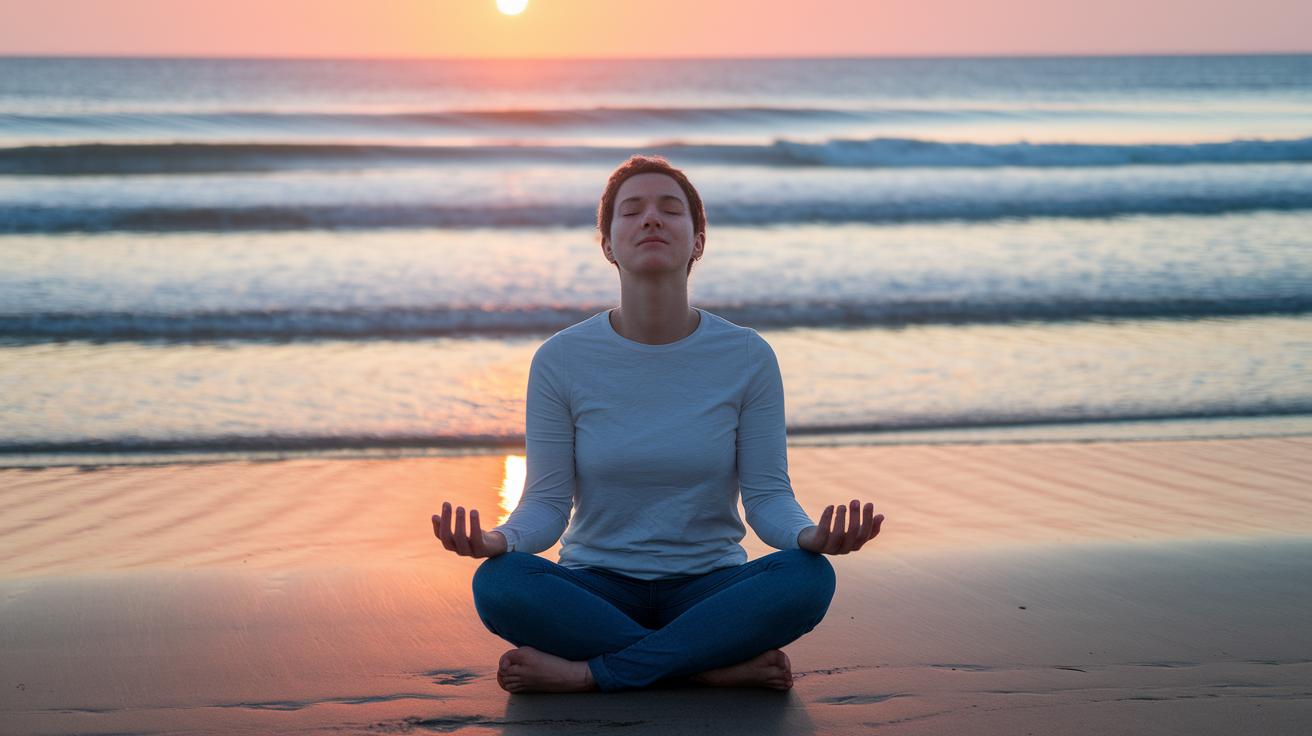
Deep breathing can be a simple and powerful start to feeling more relaxed. Try taking a slow, deep breath in through your nose while letting your belly fill with air. Then, exhale gently through your mouth. It’s like giving your body a quick reset that helps lower your heart rate and calms your nerves.
Next, find a quiet moment to use guided imagery. Close your eyes and picture a peaceful scene, like a quiet beach at sunset. Imagine listening to the soft sound of waves and feeling a cool breeze on your skin. Just a few minutes of this can help lower stress hormones and make you feel at ease.
Now, give progressive muscle relaxation a try. Slowly work through your body by tensing a muscle group for a few seconds, like clenching your fists, then letting it relax completely. This technique helps you notice where you hold tension and lets you release it, leaving you feeling lighter.
A daily meditation practice can also be a great way to stay calm. Spend 10 to 20 minutes in a quiet spot, focusing on your breath and letting thoughts pass by without judgment. If your mind wanders, gently guide it back to your breath. For beginners, a short morning meditation can be a handy way to start building your routine.
Don’t forget about gentle movement, too. Beginner yoga, Tai Chi, or even a mindful, brisk walk can blend movement and deep breathing, reducing stress and easing tension.
| Practice | Description |
|---|---|
| Deep Breathing | Take slow, deep breaths to help calm your body. |
| Guided Imagery | Visualize a peaceful scene to ease stress and soothe your mind. |
| Muscle Relaxation | Tense and then relax muscles to notice and release tension. |
| Meditation | Focus on your breath for 10–20 minutes to find balance. |
| Yoga or Tai Chi | Use gentle movements combined with mindful breathing to calm down. |
Try these techniques and see what helps you feel relaxed and centered. Everyone's a bit different, so feel free to experiment and find the perfect fit for your journey to calm. Enjoy the process and take good care of yourself!
Adaptogens and Herbal Remedies as Chronic Stress Treatments
Ashwagandha and rhodiola are herbs that help your body cope with stress. Research shows they can lower stress hormones and help you feel more resilient. Imagine ending a rough day with a warm cup of herbal tea that gently soothes your mind. Other natural supplements like magnesium, melatonin, L-theanine, and B vitamins also work to calm your nervous system and aid in recovery after stress.
Herbal teas, especially chamomile, are a simple way to relax. Chamomile contains a natural compound called apigenin that connects with parts of your brain to bring on a gentle, calming effect. Adding a few drops of lavender or lemon essential oil during aromatherapy can also lessen anxiety by soothing brain signals and helping clear your mind.
Together, these herbs and supplements work to keep your mood steady and boost your body’s natural stress response. They offer a gentle yet effective way to manage ongoing stress. And remember, it’s always smart to talk with a healthcare provider before starting any new remedy to make sure it fits safely into your health plan.
Behavioral and Environmental Modifications for Chronic Stress Relief
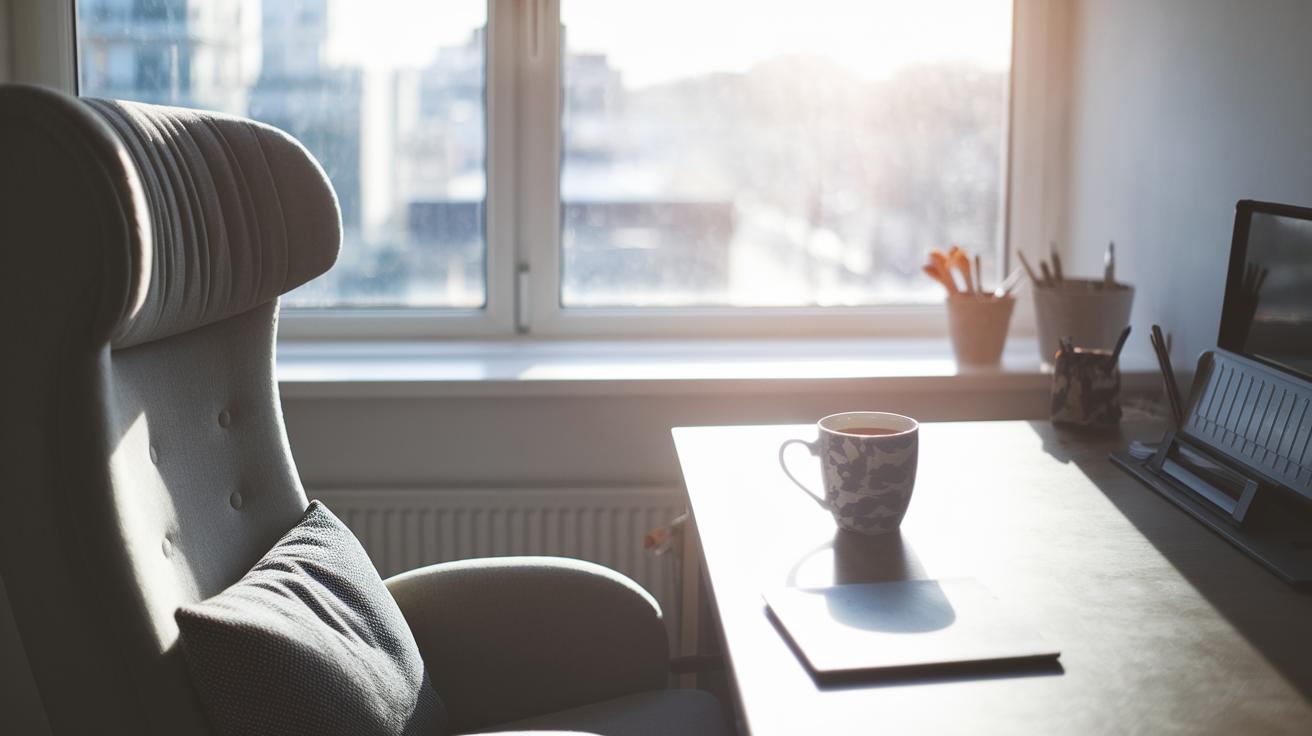
Sometimes, switching up your surroundings and routines can really help melt away stress. When you adjust both your space and the way you act, you cut down on unnecessary stress triggers. For example, consider setting aside a tech-free interval. Try taking a 15-minute break from your devices every couple of hours. This little pause can clear your mind and ease the overload of constant notifications.
Another easy step is rearranging your workspace. A comfy chair, a desk at the right height, and bright lighting can lessen the aches and tension that build up during long hours. Imagine working in a neat, welcoming space that lets you focus without bothersome discomfort.
It also helps to figure out what makes you feel overwhelmed. Maybe you have too many tasks or your area is too cluttered. Pick one source of stress and try making one small change. Simple time-management ideas, like setting clear goals and planning breaks, can help keep burnout at bay.
Here are a few simple tips to try:
- Take regular tech-free breaks during your day.
- Choose comfortable furniture and brighten your workspace.
- Notice what exactly stresses you out, like too many tasks or a cluttered room.
- Schedule short breaks and set realistic goals to help manage your time.
These small tweaks can ease your stress and help you enjoy a calmer, more focused day.
Monitoring Progress and Professional Support for Chronic Stress Management
Keeping track of how you're doing is really important when you're trying to ease long-term stress. Working with a therapist through talk therapy, like cognitive behavioral therapy or stress-focused counseling, can help you see old habits in a new light and learn better ways to manage stress. Using biofeedback tools lets you check your muscle tightness, heartbeat, and breathing so you can see right away if your relaxation techniques are working. Regular self-checks, like noticing if you're feeling more irritable than usual or having trouble sleeping, can signal when it's time to adjust your approach.
For example, someone discovered that watching their breathing and muscle relaxation during guided exercises helped them figure out the best way to calm down.
Here are a few ideas to try:
- Keep a daily record of your mood and how well you sleep.
- Use a biofeedback device to notice how your body reacts.
- Try turning negative thoughts around with techniques learned in therapy.
- Talk with a mental health expert if your own efforts aren’t enough.
Remember that checking in with yourself while also seeking help from a professional can lead to long-lasting peace of mind.
Final Words
In the action, we've seen practical ways to ease everyday tension. You learned how exercise, mindful practices, and nutritious meal plans combine to lower stress. Simple home-based fixes, adaptogens, and smart changes in your surroundings come together as chronic stress remedies that work. The tips are easy to follow, and small tweaks can make your days more relaxed and uplifting. Keep trying new practices and enjoy feeling calmer every day.