Ever feel like planning meals is more than you can handle? You’re not alone. A few simple steps, like glancing at your calendar and checking your pantry, can turn things around. This blog post breaks meal planning into small, manageable tips to help you fix up healthy meals without any fuss.
It’s like following a simple recipe that saves you time and money while keeping your cooking stress-free. Ready to set up a week of easy, nutritious meals?
6-Step Kickoff with Meal Planning Tips for Beginners

Start by taking a quick look at your calendar for the week ahead. It helps you see when you have time for meals and makes planning a breeze. This small step can really save you a lot of stress later.
Next, check your pantry and freezer. It’s a good idea to know what you already have, so you don’t spend extra money or let food go to waste. After that, pick out some recipes that are simple to follow. You might choose a few for quick weekday dinners and save some for meal prep when you have more time.
Once you’ve picked your recipes, fill in a weekly planner with them. This makes it clear what you’ll be cooking each day. Finally, turn your meal plan into a grocery list and set aside a specific day to do your shopping. Following your list can help your shopping trip go smoothly.
Here’s a quick checklist to guide your process:
- Check your calendar for the week to spot free meal times.
- Look in your pantry and freezer so you don’t buy duplicates.
- Choose easy recipes, noting which ones are for quick meals and which for meal prep.
- Write your chosen recipes into a weekly planner.
- Make a grocery list based on your planned meals.
- Shop by sticking closely to your list.
This simple six-step plan breaks meal planning into bite-sized actions. It helps you build a routine that keeps your meals healthy and easy to manage.
Meal Planning Tips for Smart Grocery List Synchronization
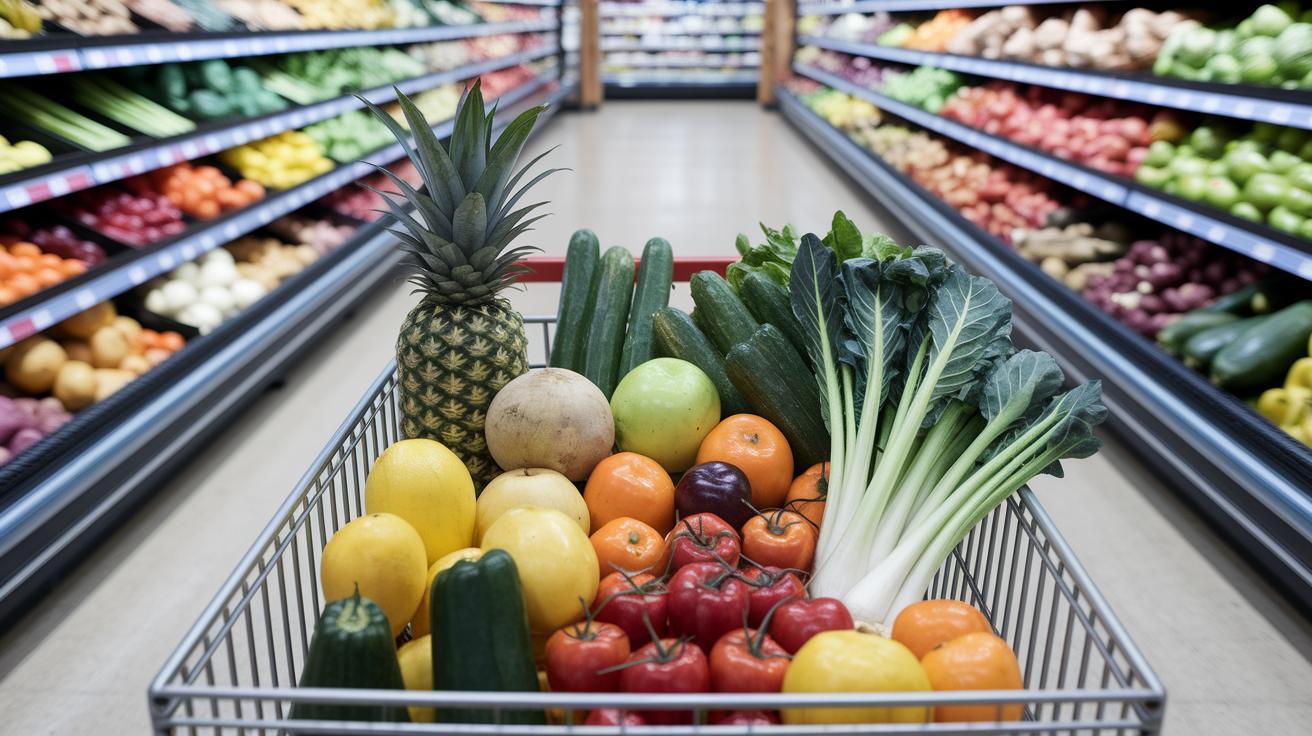
After you choose your recipes, start grouping the items by where you’ll find them in the store. It works best when you organize things into parts like produce, dairy, and canned goods. Picture all your fresh fruits and vegetables together so you can easily grab them at the produce counter.
Next, take a quick look in your pantry and freezer. This small check helps you avoid buying things you already have, saving money and preventing waste. If you see extra rice or beans, you can even adjust your recipes, making your shopping trip smoother.
If budgeting feels tricky or if you sometimes get overwhelmed, set little reminders for each store section. This way, you can keep track of your spending step by step. It’s like checking off parts of the store one at a time, which makes the whole process feel more manageable and stress-free.
Meal Planning Tips for Weekly Menu Organization
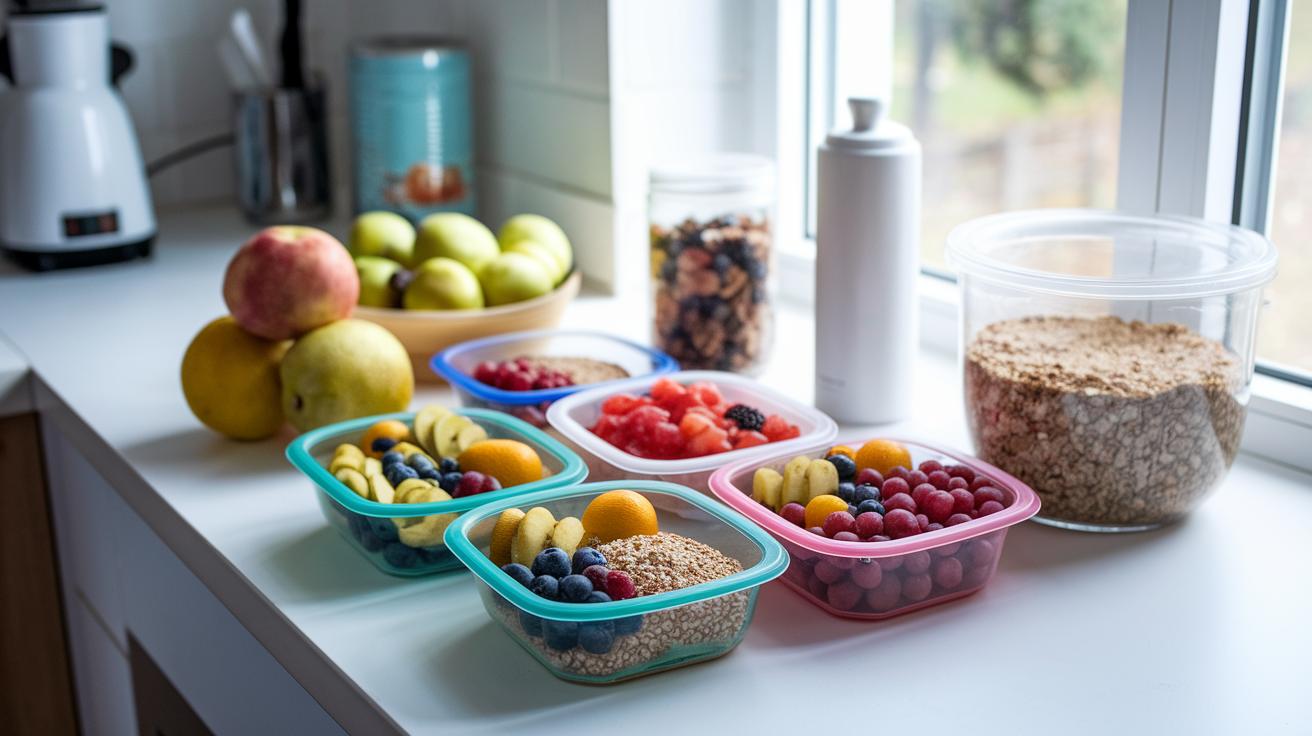
When you're setting up your menu for the week, keeping things balanced really makes a difference. Every meal should have a good mix of proteins, fats, and carbohydrates (those are the proteins, fats, and carbs that give your body the energy it needs). Think of each meal as a building block that keeps your energy steady all day. For instance, adding whole grains, fresh fruits, and lean proteins can help fuel a strong, active day. And don't forget about portions, using a smaller plate or planning a light snack between meals can help you manage hunger without overeating.
Here's a simple five-day menu grid that you can use to plan your meals. It covers breakfast, lunch, and dinner, while letting you easily add in snacks or plan for leftovers. This template helps you see your nutrition balance throughout each day:
| Day | Breakfast | Lunch | Dinner |
|---|---|---|---|
| Monday | Oatmeal with fruits | Turkey sandwich & salad | Grilled chicken with veggies |
| Tuesday | Smoothie bowl | Quinoa salad | Stir-fried tofu and rice |
| Wednesday | Yogurt with granola | Veggie wrap | Salmon with sweet potato |
| Thursday | Whole grain toast & eggs | Chicken and avocado salad | Pasta with lean meat sauce |
| Friday | Fruit salad & nuts | Bean chili bowl | Fish tacos with slaw |
Budget-Friendly Meal Planning Tips: Save Money on Your Menu
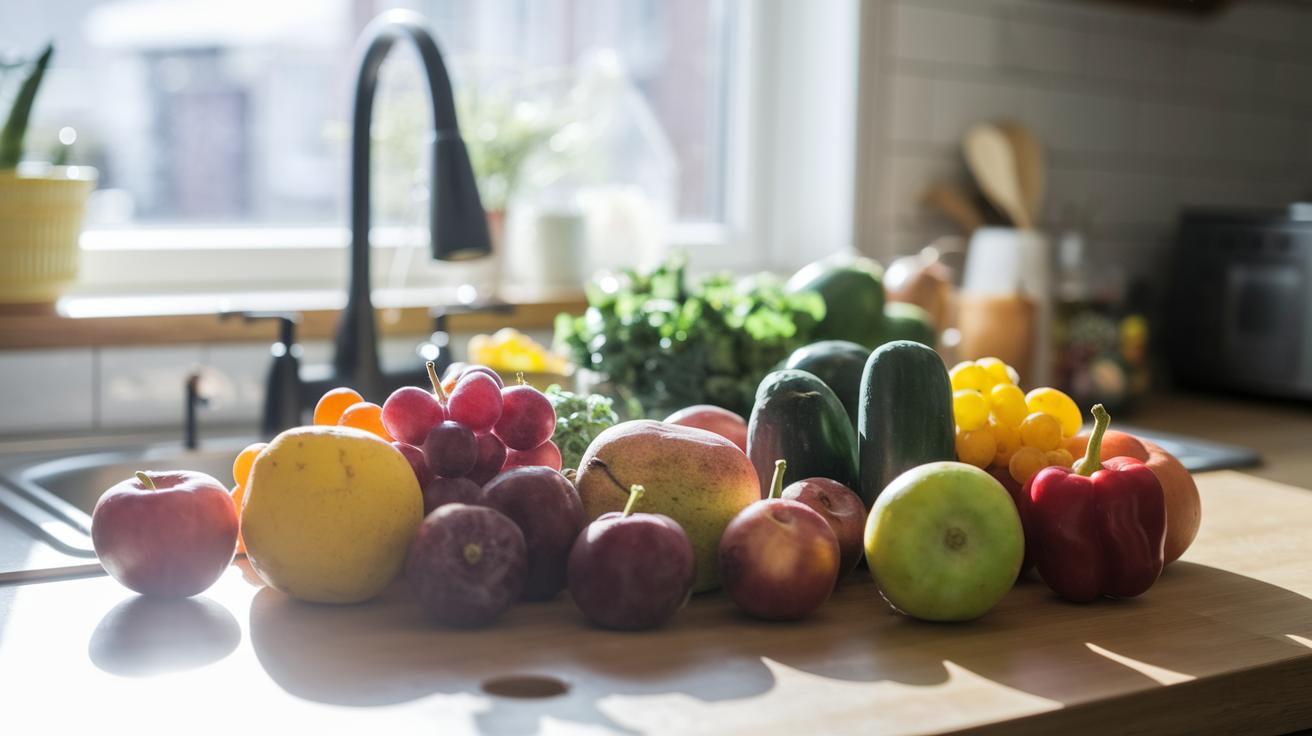
When you plan meals on a budget, thinking about seasonal fruits and vegetables and stocking up on bulk staples can really help. Buying produce when it's in season makes your food taste great and usually costs less. And simple items like rice and beans offer great value that fits nicely into a meal plan that is both healthy and affordable.
Using coupons and hunting for sales can make a big difference too. Many local stores have weekly deals on best-selling items, and clipping coupons for your favorite foods can add up fast. It feels good knowing that each meal you plan lines up with the best available deals, making the whole process more fun and budget-friendly.
Try planning freezer-friendly meals to keep food waste low and keep variety on the menu. Freezing cooked meals or ingredients means you can buy in bulk and use them before they spoil. This way, you enjoy a range of tasty and nutritious dishes without stretching your budget too thin.
Meal Planning Tips for Time-Saving Cooking Plans
Batch Cooking Techniques
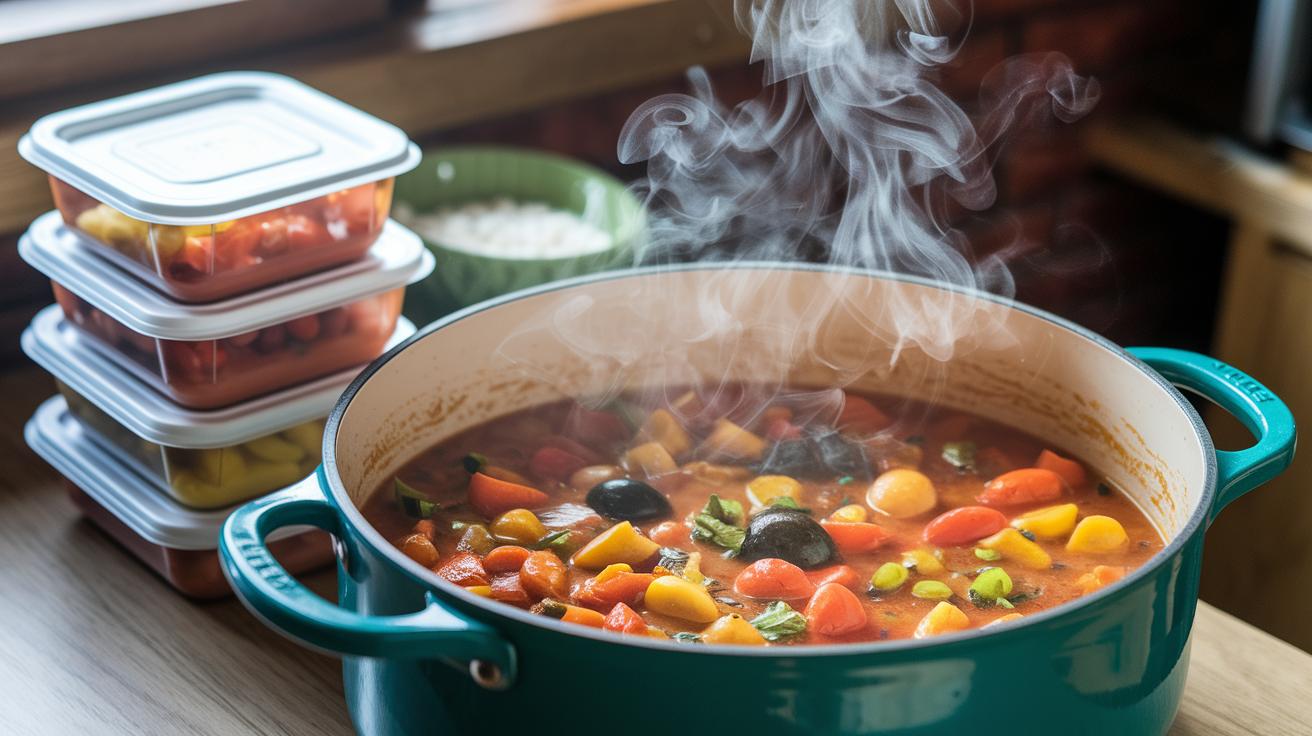
When planning your week, try cooking one big, flexible meal that works for several dinners. Think about making a warm soup, hearty stew, or rich sauce, and then dividing it into grab-and-go containers. This trick helps you save time each day because warming up is much quicker than starting from scratch. Plus, you’ll have fewer pots to clean up later. You can even add different sides afterwards to mix things up. Imagine a vegetable stew that later serves as a tasty pasta topping or jazzes up a rice bowl, all created in one go.
One-Pot and Sheet-Pan Meals
Another great idea is to pick recipes that need just one dish. One-pot meals and sheet-pan dinners mix proteins, veggies, and grains in a single cooking session, cutting both prep time and cleanup. Picture a dinner with roasted chicken, a variety of veggies, and potatoes all baked together so the flavors blend beautifully. This approach makes cooking on busy days easier, giving you more time to relax and enjoy a nutritious, stress-free meal.
Digital Meal Planning Tips: Tools and Templates
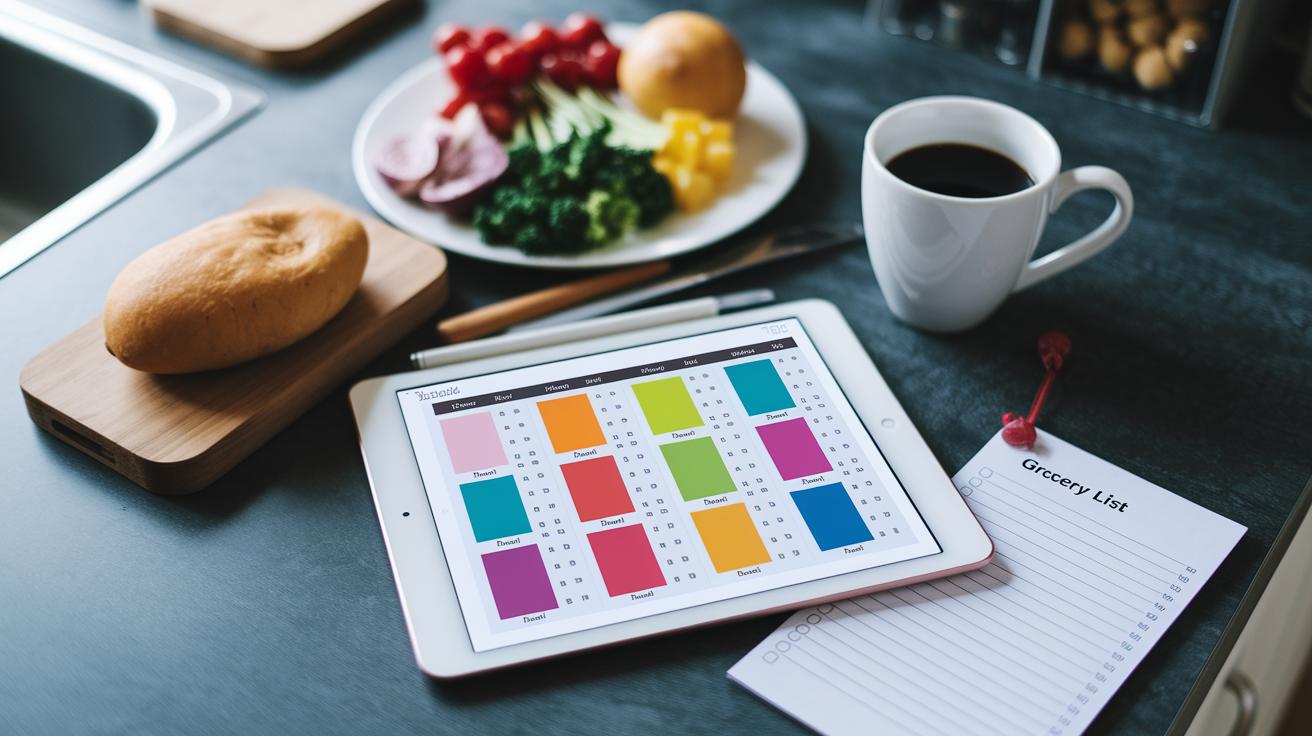
Meal planning becomes a breeze with digital tools that work like having a friendly helper on your side. Many of these tools offer free weekly templates along with grocery list features so you can easily organize your meals and shopping trips. Picture a digital calendar with each meal neatly planned and a matching grocery list ready to print. It’s like scanning your week, adding your favorite recipes, and letting the tool do the rest.
If you enjoy adding your own personal touch, online menu creators and simple spreadsheet templates offer a great option. They let you quickly adjust serving sizes, swap out ingredients, and customize your plan with just a few clicks. With these digital approaches, planning your daily meals turns from a chore into a fun and organized task, making your journey toward healthy eating even more enjoyable.
Final Words
In the action, this post walks you through checking your calendar, reviewing your pantry, and picking recipes to create a solid meal plan. We touched on crafting a smart grocery list, organizing a weekly menu, and saving money with budgeting strategies.
Remember, meal planning tips like these make cooking feel simpler and build a routine that works for you. Keep experimenting with time-saving techniques and digital tools to enjoy a refreshed, healthier lifestyle every day.
FAQ
What meal planning tips are popular on Reddit?
The meal planning tips popular on Reddit include using free templates, breaking down your meals for the week, and sharing simple, budget-friendly ideas that help simplify grocery shopping and recipe preparation.
What weekly meal planning tips can beginners use?
The weekly meal planning tips for beginners focus on checking your schedule, reviewing your pantry, selecting recipes, and grouping grocery items smartly to create a balanced menu without added stress.
What healthy meal planning tips should I follow?
The healthy meal planning tips suggest balancing macronutrients, including fresh produce, and prepping meals in advance so you can enjoy nutritious dishes while saving time and money.
What does a 7-day family meal plan include?
A 7-day family meal plan includes diverse meals for breakfast, lunch, and dinner, combining kid-friendly recipes with nutritious options for adults, all organized to simplify grocery shopping and daily cooking.
How can I use meal planning templates or beginner PDFs?
The meal planning templates and beginner PDFs provide clear layouts to schedule meals, create grocery lists, and track your weekly recipes, making it easier to manage healthy eating habits.
What are the basic steps of meal planning?
The basic steps of meal planning involve reviewing your schedule, checking your pantry, choosing recipes, scheduling meals on a planner, and creating a grocery list to guide your shopping.
What are the 7 principles in planning a meal?
The 7 principles in planning a meal cover balance, variety, portion control, simplicity, seasonality, budget awareness, and flexibility—all designed to help you prepare nutritious and satisfying meals.
What is the 80 20 rule for meals?
The 80 20 rule for meals means that 80% of your meals come from nutrient-rich whole foods, while the remaining 20% allow for occasional indulgences without affecting your overall health.
What is the 3-2-1 meal plan?
The 3-2-1 meal plan outlines three main meals, two healthy snacks, and one dessert each day, offering a structured yet flexible outline to maintain steady energy and balanced nutrition.