Ever feel weighed down by the everyday hustle? Imagine a gentle massage working wonders on your tight muscles and calming your racing heart. Research shows these simple techniques help slow your pulse and boost your mood by releasing natural, feel-good chemicals. It feels like a soft wave washing over you after a long day, quietly nudging you to take a moment for yourself. In this post, we'll chat about how massage can turn daily stress into peaceful moments and help you truly unwind.
How Massage for Stress Relief Works: Science-Backed Mechanisms
Massage therapy helps your body ease into a calm state and relax both your mind and heart. When you relax under a caring therapist's hands, your heartbeat and blood pressure start to slow down. This simple change helps your heart work less hard, giving you a break when you feel overwhelmed. Imagine your heartbeat gradually slowing after a long day, it’s like a gentle reminder that you can finally relax.
Another great benefit of massage is that it helps release natural chemicals in your brain, such as endorphins, serotonin, and dopamine. These are the body’s own mood-boosters that make you feel happier and more at ease. It’s a bit like experiencing a little moment of unexpected kindness that reminds you you are cared for.
Massage also helps loosen tight muscles and improves your sleep. When your muscles relax, headaches and pain become less of a bother, making it easier for you to get a good night’s rest. Better blood flow also helps your body remove toxins and waste, which supports your overall health. All these little changes come together to help you handle both short bursts of stress and ongoing stressful days.
Top Massage Techniques for Stress Relief
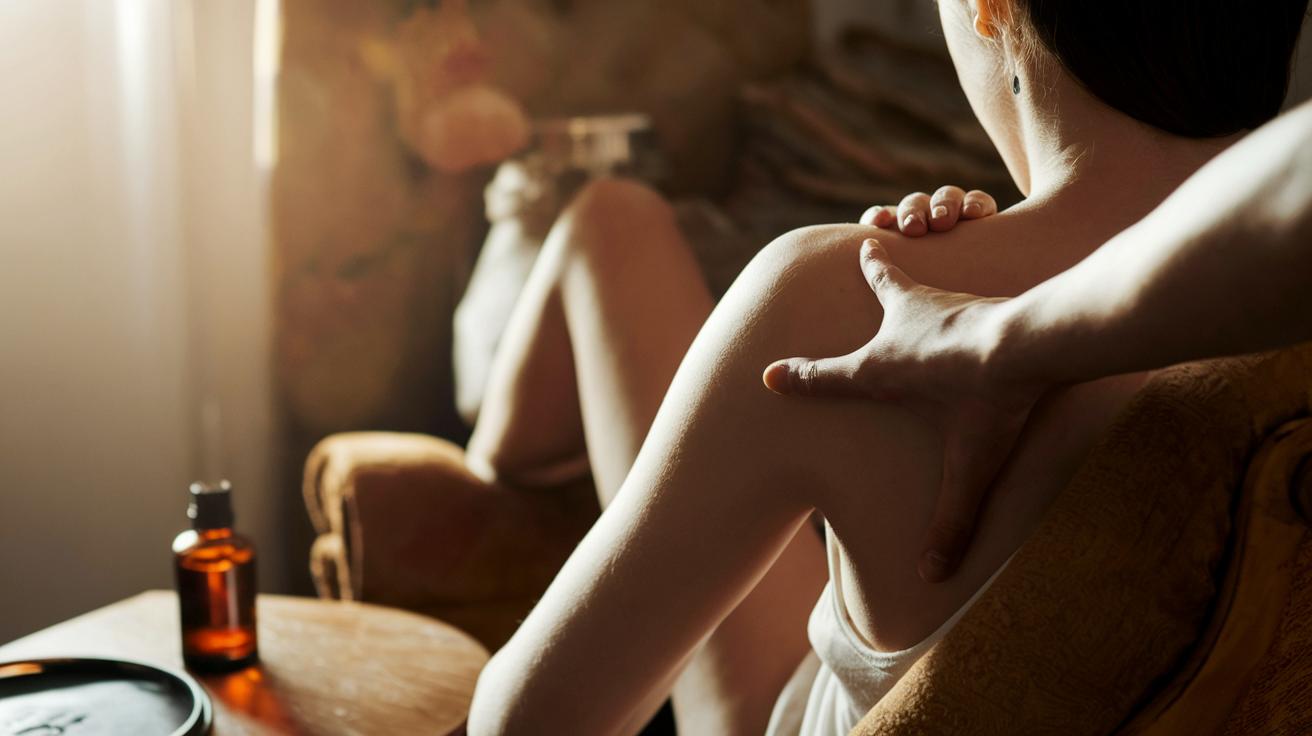
Swedish massage uses long, smooth strokes and gentle pressure to slowly help your body relax and let go of built-up tension. It feels like a soft, warm wave easing away the stress of a long day. When your therapist moves their hands over your muscles in a smooth, steady rhythm, you might notice your tight muscles loosening and even feel fewer headaches.
Deep tissue massage goes a little deeper into your muscles. It works to free those stubborn knots that come from everyday stress. Thai massage, on the other hand, is a mix of gentle stretching and firm pressure on key spots. This not only boosts your blood flow but also helps your body feel calm and full of energy. Picture your muscles being gently stretched while careful pressure eases out hidden tension.
Pressure point and acupressure massage focus on pressing firm on certain points of your body. This can help ease discomfort and signal your nervous system to relax. It’s almost like hitting a reset button, smoothing out the stress that builds up in your body. Each of these techniques offers its own way to help you feel more relaxed and refreshed.
| Technique | Key Stress Relief Benefit |
|---|---|
| Swedish | Helps relax muscles, lowers blood pressure, reduces tension headaches |
| Deep Tissue | Releases deep-set muscle tension and knots |
| Thai | Boosts circulation and refreshes energy levels |
| Pressure Point/Acupressure | Targets key spots to calm and relieve stress |
DIY At-Home Massage Methods to Ease Daily Stress
Start by giving your shoulders some love. Sit in a cozy chair and use your opposite hand to rub your shoulder muscles. Use small, gentle circles to help ease the tension in your upper back. A handy tip: press firmly along the top of your shoulder and then slowly work your way downward to help loosen those tight muscles.
Next, shift your focus to your head and neck. With your fingertips, make soft, circular motions on your temples, behind your ears, and along your neck. Picture each little circle as if you're smoothing out a wrinkled shirt. This simple head massage can help relieve stress headaches and ease neck tightness.
Finally, consider using a home massage device for broader relief. For instance, the MedMassager Foot Massager Classic uses gentle vibrations to soothe your feet, while the MedMassager Body Massager Classic targets your shoulders, back, arms, and legs. Just flip it on and let it work its magic, helping your muscles relax into a state of calm.
Selecting the Best Oils and Tools for Stress-Relief Massage at Home
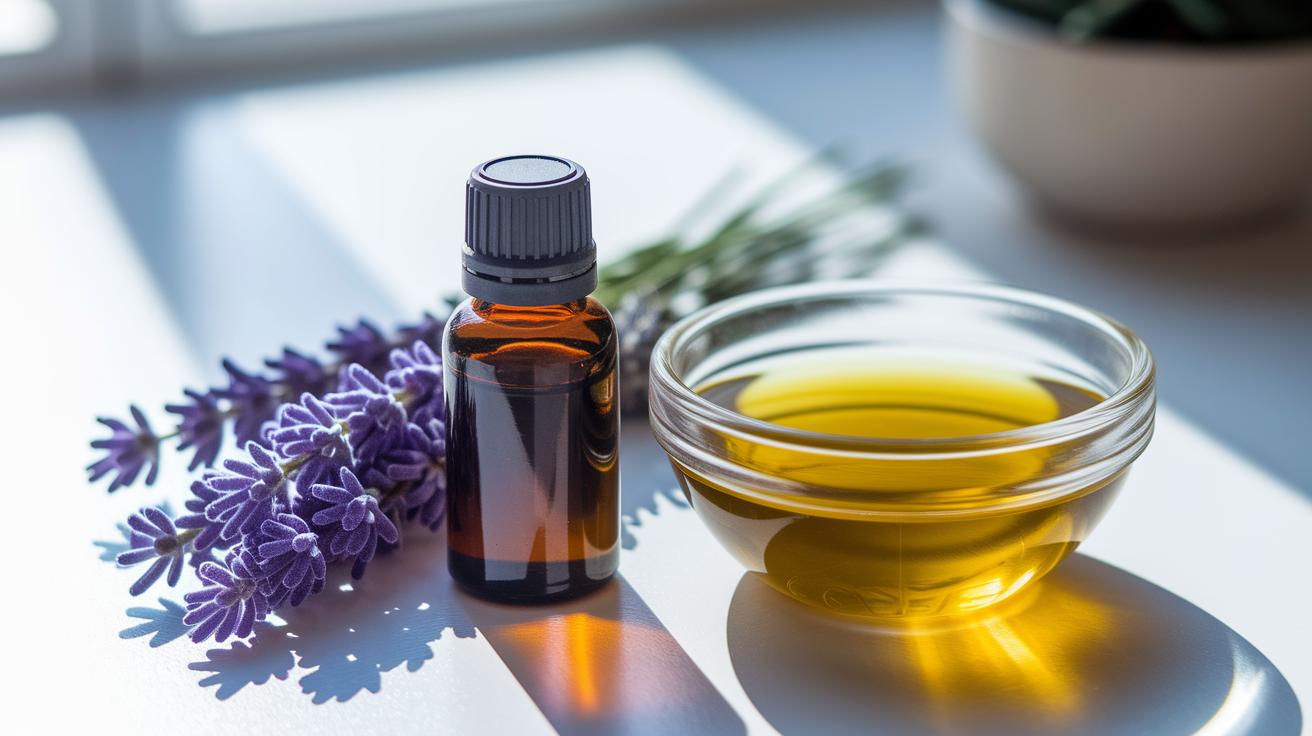
When you're setting up your own self-massage routine, start with the right oils. Pick ones that help you feel calm. Lavender and chamomile oils are favorites because their soft scents can ease your mind after a busy day. Just mix a few drops of one with a carrier oil like almond or jojoba to make it easy to spread on your skin without any irritation. For example, try adding two drops of lavender to a tablespoon of almond oil and massage it into areas where you feel tense. It's like wrapping your skin in a warm, gentle hug.
Next, think about using simple tools to work on tight muscles. Tools like foam rollers and massage balls can really help with stubborn knots in your shoulders, back, and legs. Imagine sitting on a foam roller and slowly moving it along your back. The gentle pressure can release the built-up tension after a long day.
If you’d rather take a hands-off approach, there are home devices you can try. Products like the MedMassager Foot Massager Classic and Body Massager Classic use soft, oscillating movements to soothe sore spots quickly. They help relax your muscles so you feel refreshed and ready to take on whatever comes next.
When and Why to Book Professional Massage for Chronic Stress Management
If you’ve been dealing with a stubborn headache, tight muscles, or mood swings, it might be time to let a professional massage work its magic. Regular massage therapy isn’t just a treat; it’s a way to bring balance back when everyday stress starts to pile up on your shoulders.
When you feel your body tighten up or your thoughts begin to race, consider reaching out to a licensed massage therapist. Imagine coming home after a long day at work, feeling that knot in your neck finally loosen as the skilled hands of a therapist ease the tension away.
Professional massage services often offer fast relief for stubborn tight spots. They might include techniques like hydrowave custom massage or even full-body LED light therapy, both designed to quickly ease tension and promote relaxation. And if you’re pressed for time, mobile massage services can bring that calming relief right into your home.
For a more structured setting, day spas offer stress relief massages in a peaceful environment. These spas often provide membership packages or gift cards, making scheduled treatments easy to fit into your routine. Instead of thinking of it as a luxury, see it as essential self-care when stress shows up as headaches or restless nights.
Ultimately, booking a professional massage is a simple, caring step to help you manage stress and feel more at ease in your daily life.
Final Words
In the action: This article shows how helpful massage can be in easing tension and boosting your overall well-being. It explains the science behind stress relief, highlights top massage techniques, and offers simple ways to try self-massage at home. You learned about choosing the right oils and tools, plus when it’s smart to get professional guidance. Using massage for stress relief might just add that extra bit of calm you need to feel balanced and healthy. Keep these tips in mind and let easy, thoughtful self-care brighten your days.
FAQ
What is the best massage for stress and anxiety?
The best massage for stress and anxiety typically involves Swedish or deep tissue techniques. These treatments ease muscle tension, help lower blood pressure, and trigger calming endorphins for both physical and emotional relief.
How can self-massage relieve stress and anxiety?
Self-massage relieves stress and anxiety by gently easing muscle tightness in the neck, shoulders, and hands. It encourages blood flow and helps the body release built-up tension for a more relaxed feeling.
Where can I find professional massage for stress relief near me?
Professional massage therapists and local spas frequently offer stress relief treatments. A quick online search or referral check can help you find nearby services tailored to ease tension and promote overall calm.
What does stress relief massage mean?
Stress relief massage means using techniques like gentle strokes and deeper pressure to ease muscle tension. It helps improve blood circulation and releases natural chemicals in the body that foster relaxation and well-being.
What type of massage is best for stress relief?
The best massage for stress relief often includes Swedish massage for gentle relaxation or deep tissue massage to target chronic muscle tightness. Both methods help soothe the body and encourage a calming effect.
Do massages really relieve stress?
Massages truly relieve stress by lowering heart rate and blood pressure while stimulating the release of endorphins. They help ease muscle tightness and can boost sleep quality, leaving you feeling more balanced.
How do you release stress from your body?
Releasing stress from your body can involve massage therapy to ease tension and promote relaxation. Complementary techniques like deep breathing or gentle stretching also help dissipate built-up stress effectively.
Where is the best massage point for stress?
Key pressure points for stress relief include the neck, shoulders, and lower back. Massaging these areas can help reduce tightness and promote a deeper sense of relaxation throughout the body.