Ever wonder if one deep breath might help ease your stress? Picture this: you take a slow, steady breath in, feeling a bit lighter as you do so, and then let it out gently, releasing some of the tension. It’s like giving yourself a tiny break in the middle of a busy day.
Deep breathing is a simple way to add a moment of calm into your routine. Even when life feels hectic, pausing to focus on your breath can help you feel more balanced. Have you ever tried it? Give a few mindful breaths a go and notice how they can brighten your day.
Step-by-Step Deep Breath Meditation Practice
Deep breath meditation is a simple way to connect with your body and find calm. It combines slow, deep breathing with quiet focus. When you pay attention to each breath, you make room for peace in both your mind and body.
This technique works by using your diaphragm to draw full breaths from your belly. It’s an easy and effective way to relax, no matter if you sit, stand, or lie down. The trick is to be comfortable and truly present in the moment.
- Find a quiet place and settle into a comfortable position.
- Close your eyes and take in your natural breathing rhythm.
- Breathe in slowly through your nose and notice your belly rising.
- Pause for a moment and feel the fullness of your breath.
- Breathe out gently through your mouth, letting any stress slip away.
- Repeat these steps several times, focusing only on the feeling of the air moving in and out.
After a few minutes, check in with yourself. Notice if your muscles are relaxing and if your mind feels a little lighter. With regular practice, this simple routine can help lessen stress and make everyday challenges feel easier to manage.
Benefits of Deep Breath Meditation for Mind and Body
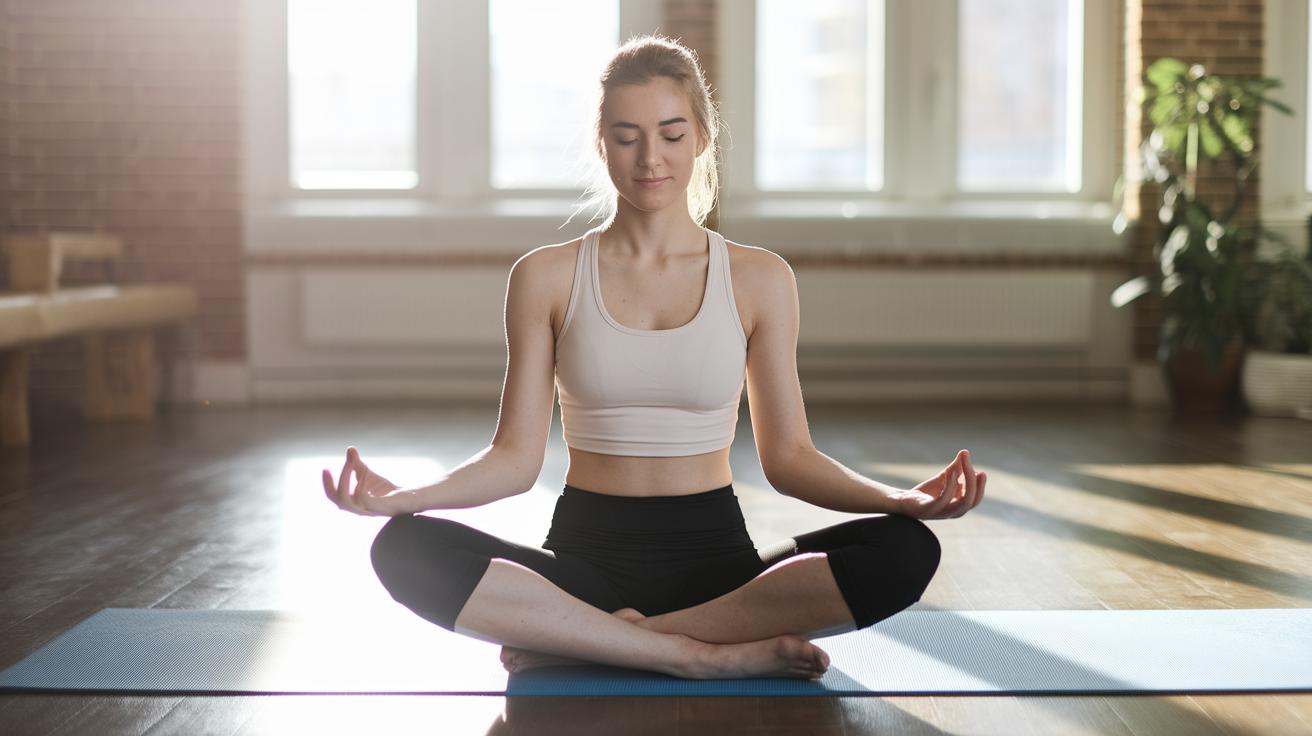
Deep breath meditation is a simple way to calm your mind and relax your body. It's a practice anyone can use when they need a break from the day's stress. When you take slow, deep breaths, you send a gentle signal to your body that it's time to unwind.
This technique can help in many small but meaningful ways:
- It eases muscle tension so you feel less stressed.
- It softens anxious feelings, helping you feel more balanced.
- It sharpens your focus, letting you stay on track during busy moments.
- It prepares your mind for a peaceful night's sleep.
- It lifts negative emotions, bringing a steady, gentle mood.
With just a few minutes of deep breath meditation each day, you may start noticing lasting changes. Each session gives your body and mind a little break that slowly builds up to a calmer, clearer outlook. And the best part is that this easy, low-cost practice can be done almost anywhere you feel comfortable.
Popular Deep Breath Meditation Techniques and Variations
Finding the right breathing method means choosing one that feels natural for you. Every approach has its own beat and benefits, whether you like to count each breath or follow a simple visual guide. Try a few to see which one brings you the most calm.
4-7-8 Breathing Method
This simple technique asks you to breathe in for 4 seconds, hold for 7 seconds, and then exhale for 8 seconds. It creates a smooth and steady rhythm that helps relax both your mind and body. Picture yourself settling into a quiet evening with each breath, feeling more balanced and ready to relax.
Box Breathing Method
Box breathing guides you to breathe as if you were drawing a square. You spend 4 seconds inhaling, hold for 4 seconds, then 4 seconds exhaling, and finally, hold again for 4 seconds. Each phase acts like one side of a box, keeping your thoughts clear and focused. It can be a really neat trick to calm your mind.
Diaphragmatic (Abdominal) Breathing
Also known as belly breathing, this practice helps you take deep breaths by using your diaphragm. As you breathe, imagine your belly rising and falling like gentle waves. This technique is great for relaxing tight muscles and bringing a sense of warmth and ease to your whole body.
Guided Calm Respiration
This method uses a visual tool or a smartphone app to help you pace your breathing. It's like having a friendly coach right with you, showing you when to breathe in and out. With clear, on-screen cues, it makes it easy to focus and enjoy the soothing benefits of mindful breathing.
Tips for Beginners in Deep Breath Meditation
Start by carving out a little space all your own, a quiet corner in your room or even a peaceful spot in your yard where you feel relaxed. Think of it as your personal retreat, like your favorite reading nook, where you set the scene for calm and focus.
Pick a simple phrase to repeat that keeps stray thoughts at bay. You might say, "breathe in peace" slowly as you take deep belly breaths (belly breathing means using your stomach area to pull air in, giving you a fuller, calming breath). This gentle mantra helps guide your mind back to your breath every time it starts to wander.
Begin with short sessions of around three to five minutes. Over time, as you grow more comfortable, you can slowly extend these sessions. It’s a bit like stretching before exercise, easy steps that get your mind and body ready without feeling overwhelmed.
Finally, blend your practice into everyday moments. You might try deep breathing while you shower, brush your teeth, or sit quietly after a meal. Attaching your meditation to daily routines can help create a steady, calming rhythm that eases anxiety and builds a lasting habit.
Scientific Evidence Behind Deep Breath Meditation
Lab and clinical studies show that deep breath meditation is more than just a way to relax. Scientists have found that adjusting your breathing on purpose can help your body handle stress better. Simple techniques like diaphragmatic relaxation (using your belly muscles to breathe deeply) or the 4-7-8 method (inhaling for 4 seconds, holding for 7, and exhaling for 8) give us a glimpse into how controlled breathing works.
Recent studies also show these breathing practices lower cortisol levels, which is a stress hormone that our body makes when we feel pressured. They also help turn on the vagus nerve, a key player in calming you down. This means your body can shift from a stressed state to a more relaxed one, and some research even points to better sleep and clearer thinking during the day.
These techniques are low in both cost and risk, making them a friendly option for almost anyone. With regular practice, you could feel less tension, enjoy a brighter mood, and sleep more soundly. It's a simple and effective way to take care of your well-being.
Integrating Deep Breath Meditation into Your Daily Routine
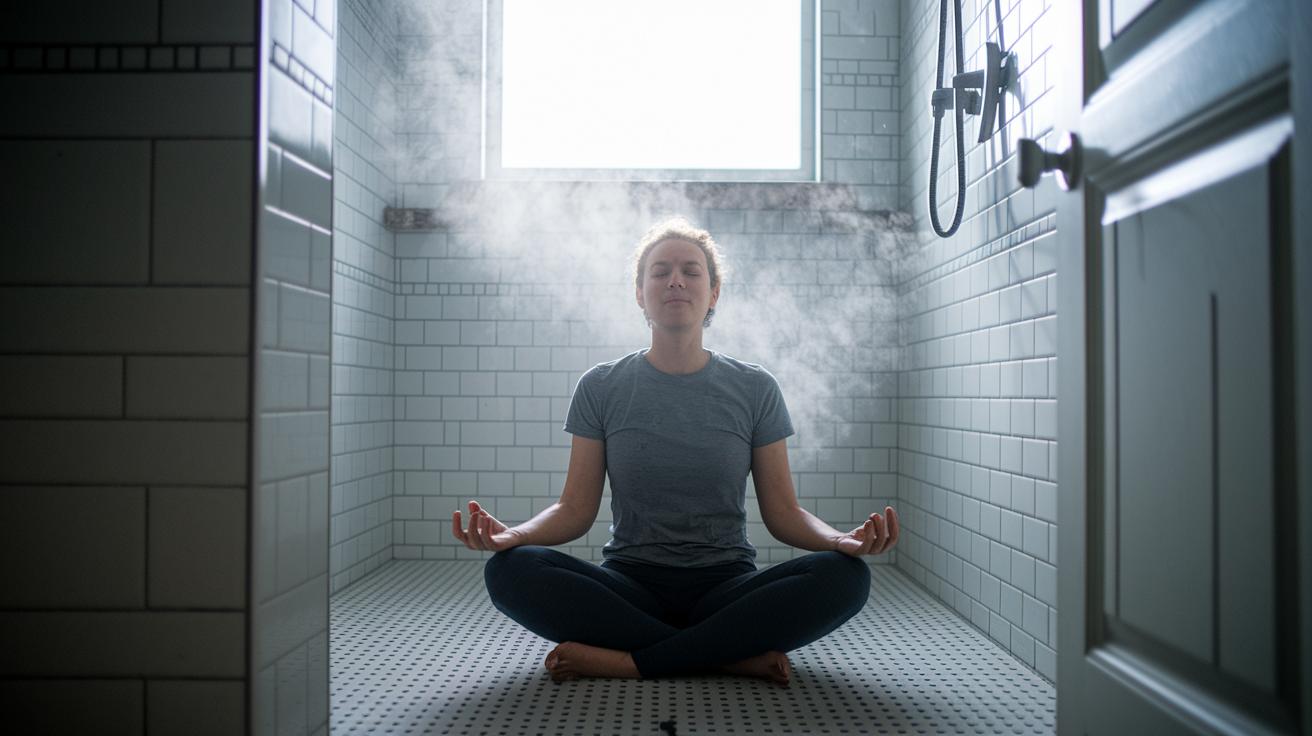
Deep breath meditation can easily blend into the everyday routine you already have. You can use simple moments, like brushing your teeth or winding down after a workout, to focus on your breathing. There are plenty of smartphone apps and video guides that walk you through a quick, five-minute session of mindful breathing. For instance, while you're in the shower, try syncing your breath with the sound of the water to help bring on a sense of calm.
You might also set aside special times just to relax even more. Think about starting your day with a five-minute session, taking a 15-minute guided break after lunch, or even trying a 30-minute routine before bed to help you sleep better. After your shower, pause for a few seconds and breathe deeply. Imagine the warm, steamy air waking up your senses as each breath clears your mind.
- 5-minute mindful breathing session
- 15-minute guided breathing session for relaxation
- 30-minute breathing routine to enhance sleep
- Best times: morning, after a workout, or before bed
Precautions and Common Mistakes to Avoid in Deep Breath Meditation
If you push your breath too hard, you might end up feeling uncomfortable. For example, holding your breath for too long or breathing too quickly can make you lightheaded and knock you out of your calm state.
If you have breathing problems like asthma or chronic lung issues, it's best to be extra careful. Talk to your doctor before you start any new breathing exercises.
Start slow and listen to your body. Begin with short sessions in a quiet place and only add more time or intensity when you really feel at ease. If you ever feel dizzy or uneasy, stop right away.
Stick to calm, steady breaths instead of forcing changes, and let your natural rhythm take over. This gentle approach helps you stay safe and builds a solid foundation for a lasting sense of calm. Every mindful moment you take adds to your overall wellbeing.
Final Words
In the action, we covered the step-by-step guide to deep breath meditation, from simple techniques to mindful routines. We highlighted methods like diaphragmatic breathing and useful hints for building a calming daily practice.
This chat also uncovered scientific findings and easy tips for managing stress. Every mindful inhalation adds a little boost to your health, making it easier to enjoy a calmer, happier day.
FAQ
Q: What are some breathing meditation techniques for beginners?
A: Breathing meditation techniques for beginners include simple mindful inhalations, easy diaphragmatic breathing, and guided calm practices. These methods help establish focus and improve relaxation with minimal effort.
Q: What benefits come from breathing meditation?
A: Breathing meditation benefits include lowering anxiety, easing stress, improving sleep quality, and boosting concentration. Regular practice nurtures both a calm mind and a relaxed body.
Q: How is breathing meditation practiced in Buddhism?
A: Breathing meditation in Buddhism is used to build mindfulness and inner calm. Practitioners focus on their breath as a way to cultivate insight and remain present in each moment.
Q: Where can I find a breathing meditation script or a 10 minute breathing meditation script?
A: Breathing meditation scripts and 10-minute versions are often available as downloadable PDFs online. These guides provide clear steps that help maintain consistent focus and soothing rhythm.
Q: How can breathing meditation help with anxiety?
A: Breathing meditation for anxiety calms the nervous system by promoting slow, deep inhalations. This practice eases tension and helps replace anxious thoughts with a steadier, more grounded feeling.
Q: What is breathing meditation called in simple terms?
A: Breathing meditation is often called mindful breathing or focused respiration. It centers on paying attention to the natural rhythm of breath to foster inner peace and clarity.
Q: How do you perform deep breathing meditation?
A: Deep breathing meditation is done by finding a quiet space, sitting or lying comfortably, closing your eyes, and slowly inhaling deeply through the nose and exhaling fully to relax the body and mind.
Q: What is the 4-7-8 breathing technique?
A: The 4-7-8 breathing technique requires inhaling for 4 seconds, holding the breath for 7 seconds, and exhaling slowly for 8 seconds. This method helps induce a state of calm and reduce stress.
Q: What is the 3-3-3 breathing technique?
A: The 3-3-3 breathing technique involves inhaling for 3 seconds, holding for 3 seconds, and exhaling for 3 seconds. This balanced rhythm can help center your mind and improve focus.
Q: Should you breathe deeply during meditation?
A: Breathing deeply during meditation provides full oxygenation and relaxation. It is best to keep the practice gentle and natural, allowing the breath to flow comfortably without forcing it.