Have you ever noticed that changing when you eat can boost your overall health? Intermittent fasting means giving your body a break by limiting food to set times, and letting it rest in between. Add in clean eating, enjoying fresh fruits, vegetables, lean meat, and whole grains, and you create a routine that naturally lifts your energy. This smart combo not only helps you manage weight but also supports a healthy heart and steady blood sugar. Doesn't it sound great to see how timing, along with quality foods, can refresh your everyday life?
Intermittent fasting with clean eating: Overview and health benefits
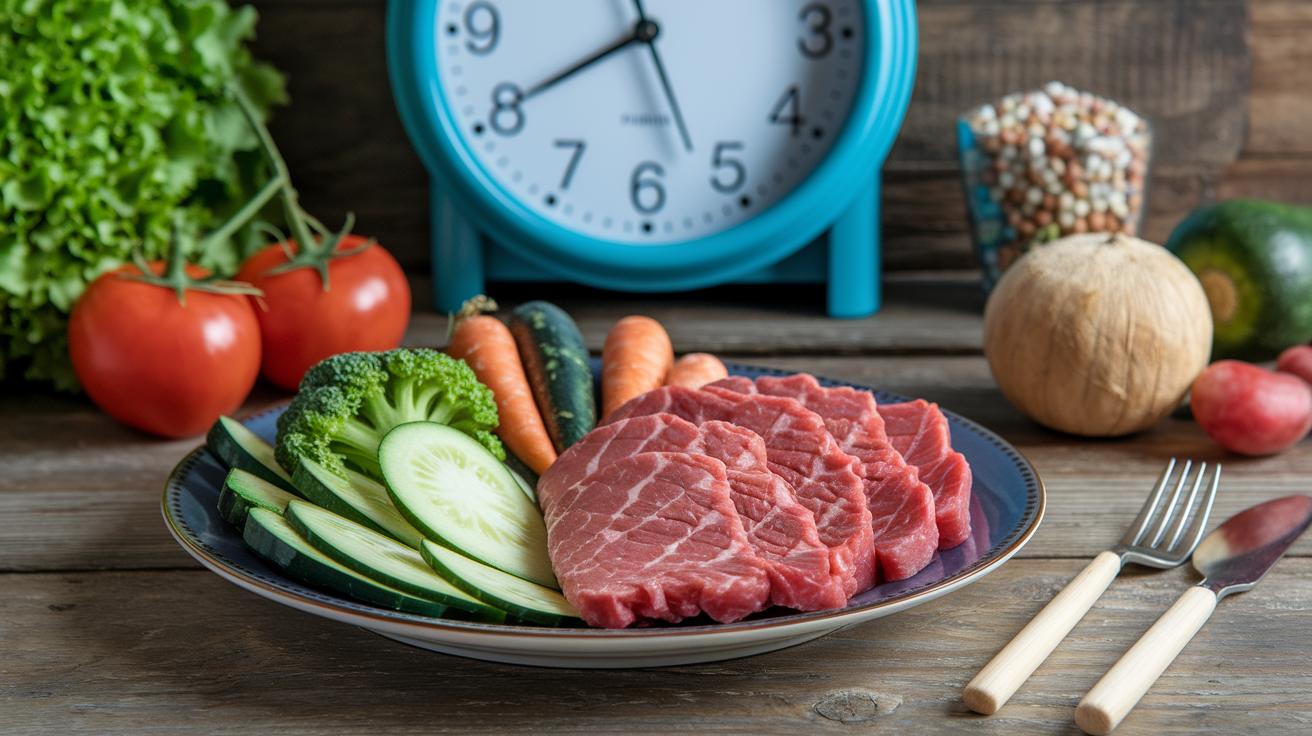
Intermittent fasting is a simple idea that focuses on when you eat rather than what you eat. It means alternating between times of eating and not eating, which helps your body use up stored energy and even boosts your natural growth hormone by up to 1,300%. In other words, your body gets a natural boost that can improve how it handles food, lower insulin, and keep your blood sugar steady. Even athletes enjoy these benefits as it helps their bodies fix and recover after a hard workout.
Pairing intermittent fasting with clean eating makes these benefits even stronger. Clean eating means choosing whole, unprocessed foods, like fresh fruits, crisp vegetables, lean meats, and whole grains. With each meal, you fuel your body with nutrients that support brain health and help repair cells. Studies have found that this combination can lower signs of heart issues, type 2 diabetes, Alzheimer’s, and even cancer. Basically, you're setting up a smart routine that not only aids in healthy weight loss but might even help you live longer.
And remember, clean eating isn’t about skipping meals. It’s about planning balanced meals that keep you energized throughout your eating window. Think of your meal times as a chance to really enjoy high-quality foods that power you through the day.
Top intermittent fasting methods paired with clean eating strategies
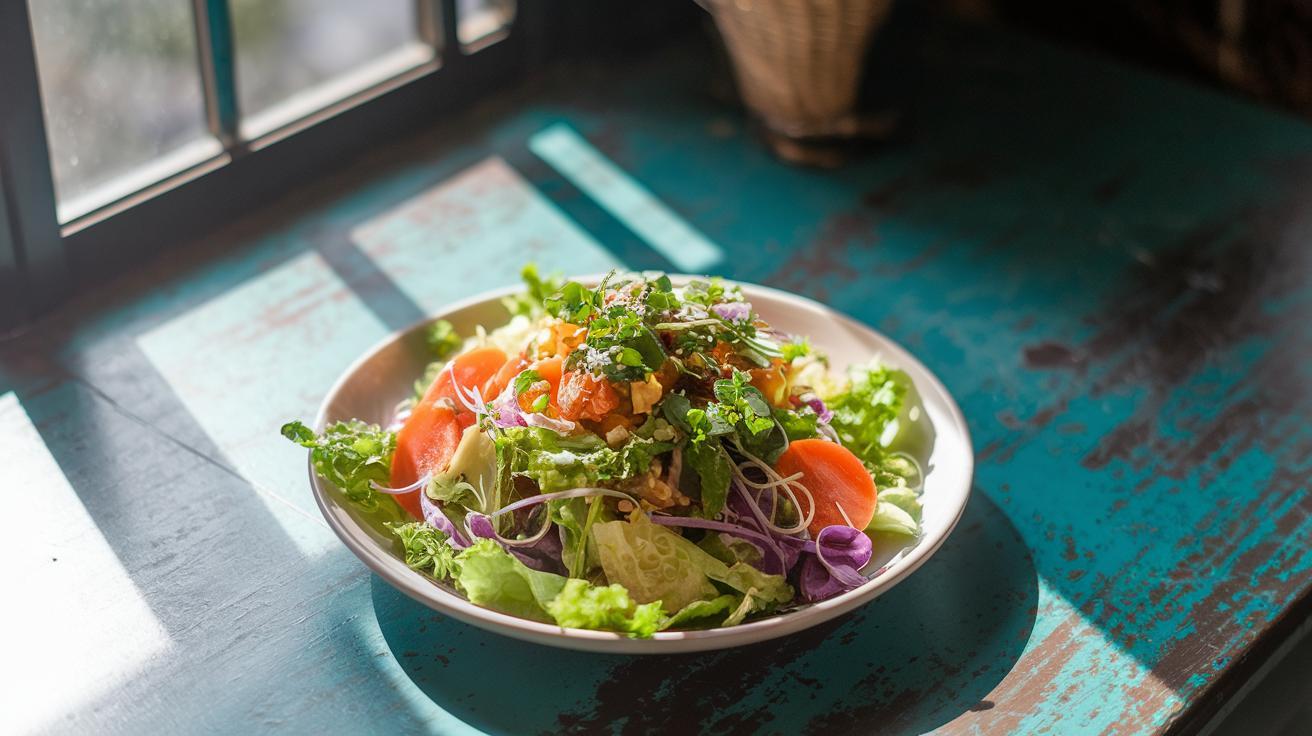
16/8 Method
This method means you fast for 16 hours and then enjoy all your meals within an 8-hour window. Most people like to skip breakfast and start eating around noon. Imagine breaking your fast with a fresh salad full of colorful veggies or a warm bowl of steel-cut oatmeal topped with fruit. During your eating window, choose foods that are as fresh as they are natural, like crisp vegetables, lean meats, and whole grains. For instance, a light dinner featuring grilled fish, steamed vegetables, and quinoa can be both filling and friendly to your body.
5:2 Method
With the 5:2 plan, you eat as usual for five days of the week, then on two non-consecutive days you limit yourself to 500–600 calories. On those lighter days, focus on whole, unprocessed foods. Picture starting your day with a mix of fresh greens, enjoying a clear vegetable broth, or nibbling on a bit of fruit with a few nuts. Spreading your small meals throughout the day can help you keep your energy steady and your hunger at bay.
Alternate-Day Fasting
Alternate-day fasting mixes days of regular eating with days when you only have 500–600 calories. On low-calorie days, choose meals that are both clean and packed with nutrients, think of a hearty vegetable soup or a light stir-fry loaded with greens. On regular days, stick with foods that are close to nature, like lean meats, crisp vegetables, and whole grains. This back-and-forth eating style can help you maintain a stable energy level and boost your overall well-being.
Ayurvedic 12/12 Clean Program
This approach involves a 12-hour fasting period that gently supports your body’s natural detox process. Typically, you start fasting about eight hours after your last meal and continue for another four hours. During the eating window, enjoy light and natural foods. For example, a warm bowl of steel-cut oatmeal with berries in the morning or a vibrant vegetable bowl with legumes at midday can be very soothing. This method offers a balanced and less intense rhythm while still giving you the benefits of timed eating alongside clean, whole foods.
Clean eating essentials to support your fasting windows
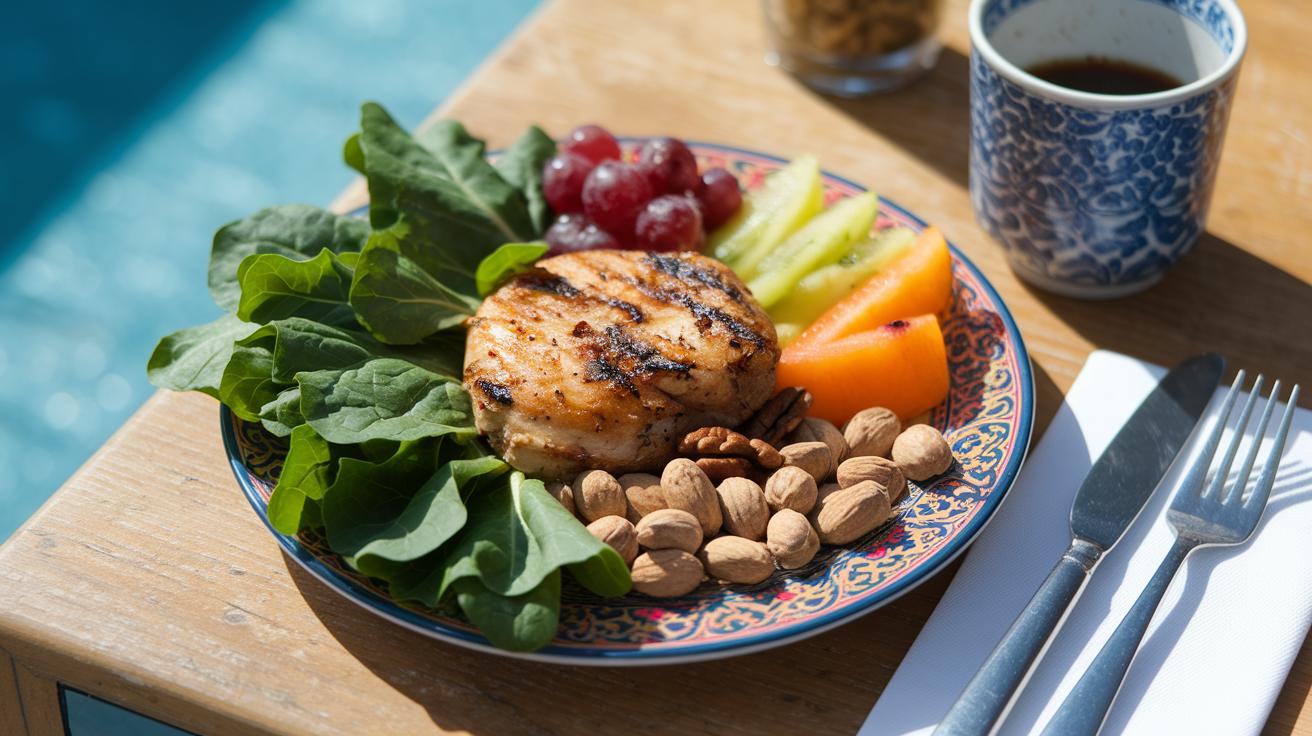
Clean eating is all about choosing whole, unprocessed foods that naturally help your body during intermittent fasting. These foods are great for your stomach, boost your energy, and keep your hunger steady. Think of it like filling your plate with colorful veggies, lean proteins, and whole grains – foods that work together to help your body repair itself and clean out toxins. Drinking plenty of water or herbal teas adds a refreshing boost that helps keep your appetite in check.
When you plan your meals, choose ingredients that are both nourishing and tasty. A little bit of preparation goes a long way in making sure you have your favorite healthy foods ready when you break your fast. This makes it easy to put together a meal that is as satisfying as it is good for you.
Here are six clean-eating staples to consider adding to your routine:
- Leafy greens
- Wild-caught fish
- Steel-cut oats
- Lean poultry
- Nuts and seeds
- Fresh fruits
| Day | Breakfast | Lunch | Dinner |
|---|---|---|---|
| Day 1 | Steel-cut oats with berries | Spinach salad with grilled chicken and walnuts | Wild-caught fish, quinoa, steamed broccoli |
| Day 2 | Smoothie bowl with greens and fruit | Mediterranean salad with lean turkey | Stir-fried veggies with tofu and brown rice |
| Day 3 | Egg white omelette with herbs | Lentil soup with mixed greens | Grilled lean beef, sweet potato, roasted asparagus |
Planning your meals ahead means you'll always have healthy, nourishing food ready when it's time to eat. This makes it easier to keep your energy balanced throughout your day.
Structuring eating windows for intermittent fasting with clean eating
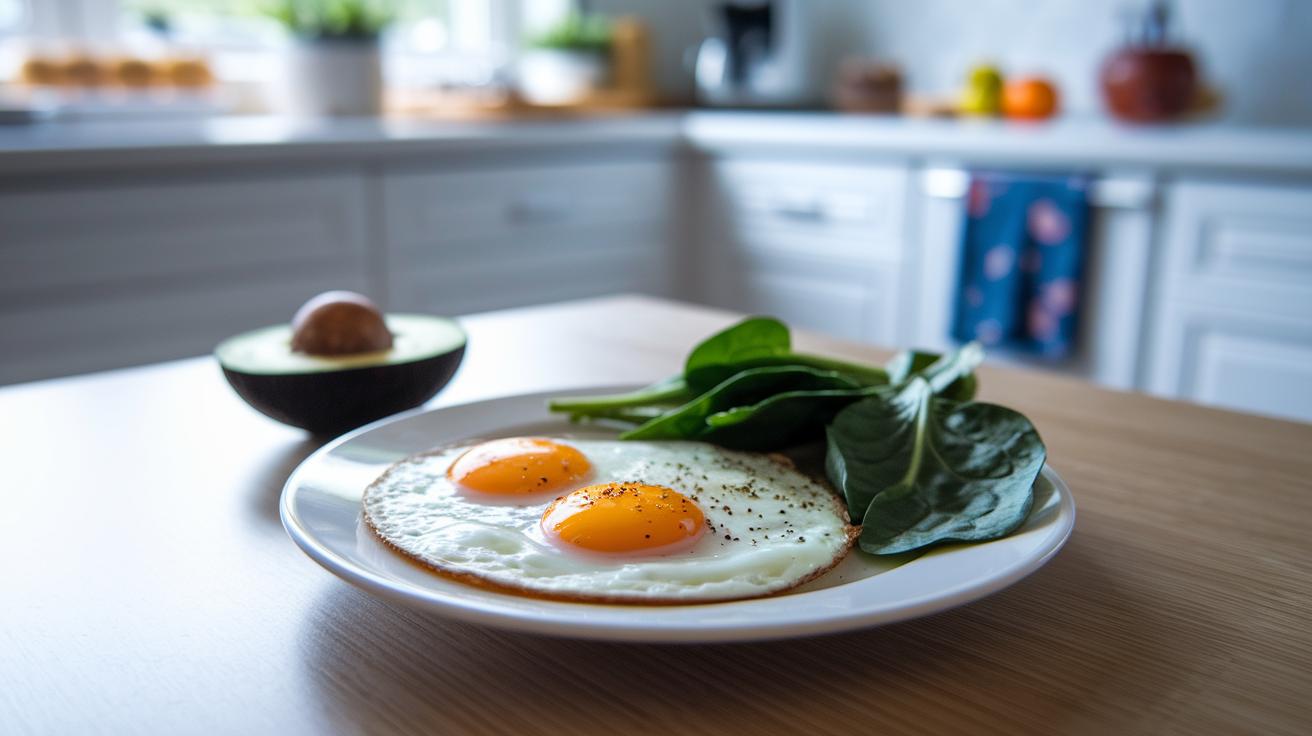
Start with a simple eating and fasting schedule, like a 12/12 plan where you eat from 7 AM to 7 PM. This gives your body a chance to adjust before you try longer fasts such as 16/8 or even 18/6. It also makes meal planning easier and supports your goal of eating clean. Kick off your morning with a meal that has plenty of protein and fiber, and try to have your last meal at least three hours before you go to sleep so you can rest well and digest properly. Don’t forget to drink plenty of water, good hydration along with a balanced diet really makes a difference.
Here are five easy steps to set up your daily fasting and eating times:
- Pick a fasting window that fits your life. Start with a 12/12 plan and maybe move to a 16/8 schedule as you get comfortable.
- Listen to your body and decide on meal times that work with your hunger cues and daily plans.
- Begin your day with a hearty meal filled with protein and fiber.
- Plan your last meal to finish at least three hours before bedtime to help you sleep better.
- Change your eating window slowly and notice how you feel, your energy, mood, and overall well-being will guide you to what works best.
Monitoring outcomes of intermittent fasting with clean eating

Keeping track of your progress can really help you fine tune your intermittent fasting plan alongside your clean-eating habits. Start by checking your weight and measurements often. For instance, you might weigh yourself every week and measure your body once a month to catch those small changes that show progress.
Watch your blood sugar and energy levels during your fasting cycle. Jotting down how you feel at different times in your day can reveal helpful patterns in your mood and energy. A quick daily note about whether you felt refreshed or a bit sluggish might guide you to tweak meal timing or choices later on.
Also, keep an eye on your sleep. How many hours do you get, and does your sleep feel restful? Noting these details can help you see how well your body is adapting. Some folks even get lab tests every few months to check things like insulin response, cholesterol, and inflammation indicators. Research shows these numbers often improve within three to six months. Use this info to adjust your fasting schedule or food choices for lasting success.
Final Words
In the action of intermittent fasting with clean eating, we explored a mix of simple fasting methods paired with unprocessed, whole-food meal ideas. We talked about various time-restricted techniques like 16/8, 5:2, alternate-day fasting, and even a 12/12 Ayurvedic clean program. We also covered planning clean-eating staples, setting clear eating windows, and tracking your progress along the way. Every tip aimed to help you fine-tune your routine for better living, leaving you empowered and ready to try intermittent fasting with clean eating.
FAQ
Q: Why did I stop intermittent fasting?
A: The reason I stopped intermittent fasting was that I needed a more flexible eating approach to match my body’s signals, which sometimes meant I struggled with energy dips during strict fasting periods.
Q: What intermittent fasting schedule works best?
A: An effective intermittent fasting schedule often involves setting a consistent daily fasting window, such as 16 hours fast followed by an 8-hour eating period, to help maintain energy and support healthy nutrition.
Q: Which intermittent fasting method is best for weight loss, and can I lose 20 pounds in 2 months?
A: The 16/8 method is popular for weight loss because it pairs timed eating with a focus on clean foods; steady progress, like losing 20 pounds in 2 months, depends on consistency and balanced nutrition.
Q: What are the benefits of intermittent fasting?
A: Intermittent fasting benefits include better metabolic function, regulated blood sugar, improved hormone balance, enhanced brain health, and support for weight management along with overall well-being.
Q: How effective is the 16/8 fasting method for weight loss in one week?
A: The 16/8 fasting method can start to show weight changes in one week by supporting steady calorie intake and improved metabolism; however, individual results will vary based on overall lifestyle and food choices.
Q: What foods should be avoided during intermittent fasting?
A: Foods high in added sugars, refined grains, and overly processed ingredients should be avoided, as they can cause blood sugar spikes and may disrupt the benefits of your fasting periods.
Q: What meal options are recommended during intermittent fasting?
A: Eating healthy during intermittent fasting means choosing whole, unprocessed foods like fruits, vegetables, lean proteins, and whole grains to keep energy levels steady throughout your eating window.
Q: What does the 16/8 intermittent fasting method involve?
A: The 16/8 method involves fasting for 16 hours while keeping an 8-hour window for meals, with the aim of aligning your eating time with your body’s natural rhythms for better metabolism and energy.
Q: What happens to your body after 10 days of clean eating?
A: After 10 days of clean eating, your body may experience improved digestion, stabilized energy levels, reduced bloating, and overall benefits from a diet rich in nutrients and low in processed additives.
Q: Why is 16 hours considered the magic number for fasting?
A: A 16-hour fast gives your body enough time to tap into stored energy, triggering processes like cellular repair, which many find strikes a healthy balance between maintaining energy and promoting fat loss.