Have you ever felt a little twinge during your workout or worried about a lingering ache after a HIIT session? It might seem like you have to choose between pushing hard and staying safe. But you can do both by taking a few simple steps that protect you and help you get better fast.
Start with a proper warm-up. Take a few minutes to move gently, so your muscles are ready for action. Keep an eye on your form, check that you're doing each exercise the right way. And slowly ease into tougher moves to give your body a chance to adjust.
Try these easy tips next time you work out. By doing so, you'll lower your chances of injury and keep your body strong as you challenge yourself.
hiit workout injury prevention tips: Safe, Strong

A smart approach to preventing injuries can really boost your HIIT workouts. Taking a mix of steps can lower the chance of common issues like wrist strain, Achilles tendon pain, lower-back aches, and IT band troubles. When you include a proper warm-up, focus on good form, and gradually build up your workout, your muscles, tendons, and ligaments are ready to handle the fast pace of HIIT while growing stronger and more resilient.
- Start with a proper warm-up using active moves like leg swings or quick arm circles to get your blood pumping.
- Keep your form in check – think of a straight back and watching how your knees track so you protect your joints.
- Pay attention to any pain or discomfort – a sudden twinge or sharp pain should be your cue to take it easy.
- Increase your workout intensity slowly (around 5–10% each week) so your body can adjust safely.
- Work on your stabilizing muscles, like your core and hips – stronger support muscles mean better balance and fewer injuries.
- Drink enough water and eat a balanced mix of carbs and protein to help your body recover and stay strong.
- Use good quality shoes and gear – the right equipment can cut down on impact and help keep you steady.
- End your session with a cool-down and gentle stretches so your muscles can relax and start recovering.
Mixing these tips into your workout routine can help you train safely and still grab the fast fitness gains that HIIT offers.
HIIT Warm-Up and Mobility Routines for Injury Prevention
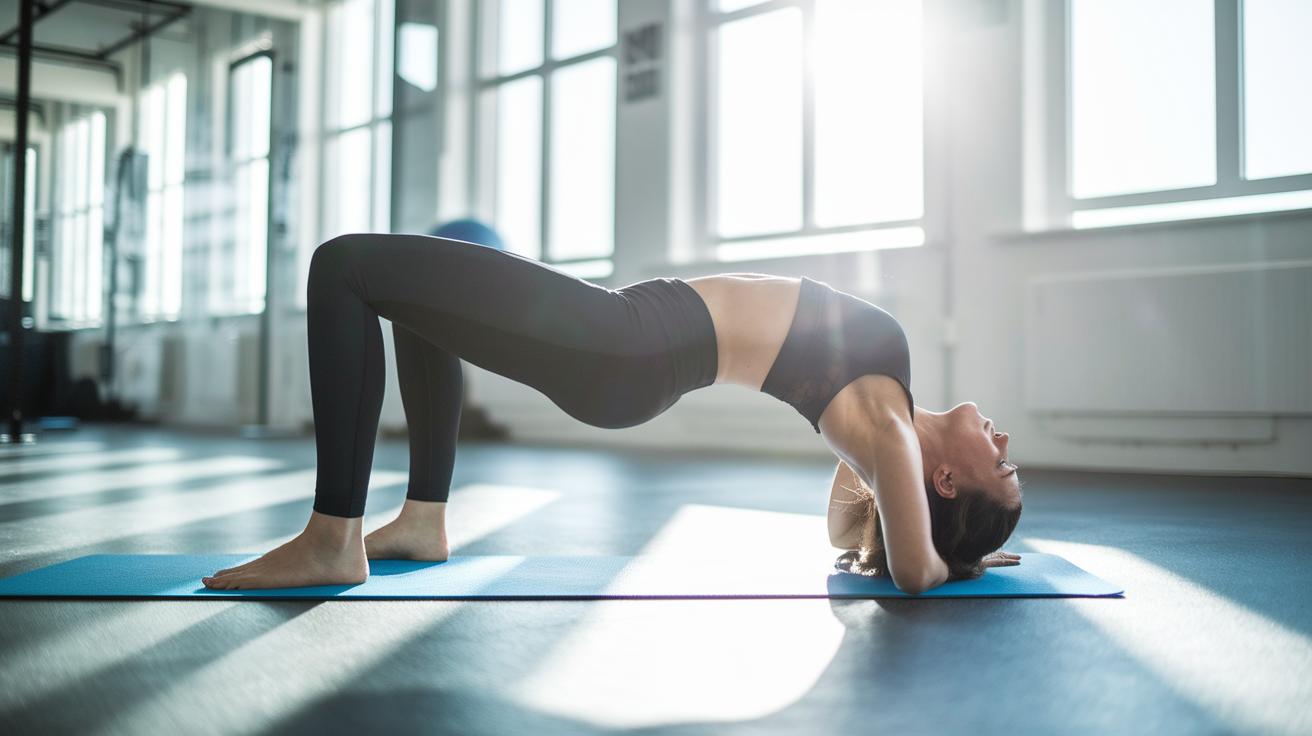
A good warm-up lasting 8 to 10 minutes gently raises your body and muscle temperature. It gets your heart beating a little faster and makes your muscles soft and flexible. This simple routine helps lower your chances of muscle strains and joint injuries during high-intensity moves.
Focus on moving your shoulders, hips, and knees to get them ready for more explosive exercises. Think of it like oiling a machine so every joint moves more easily. Start with leg swings to open your hips and loosen your thighs. Then try arm circles to give your shoulders a little more freedom.
Next, do hip bridges to wake up your glutes and lower back. Follow these with lunges that include a twist to stretch your core as you work your legs. Finally, move into inchworms that gently stretch your whole body while activating your core muscles. Each exercise builds on the one before it, helping you feel ready and safe for your HIIT workout.
Mastering Proper HIIT Exercise Form and Technique
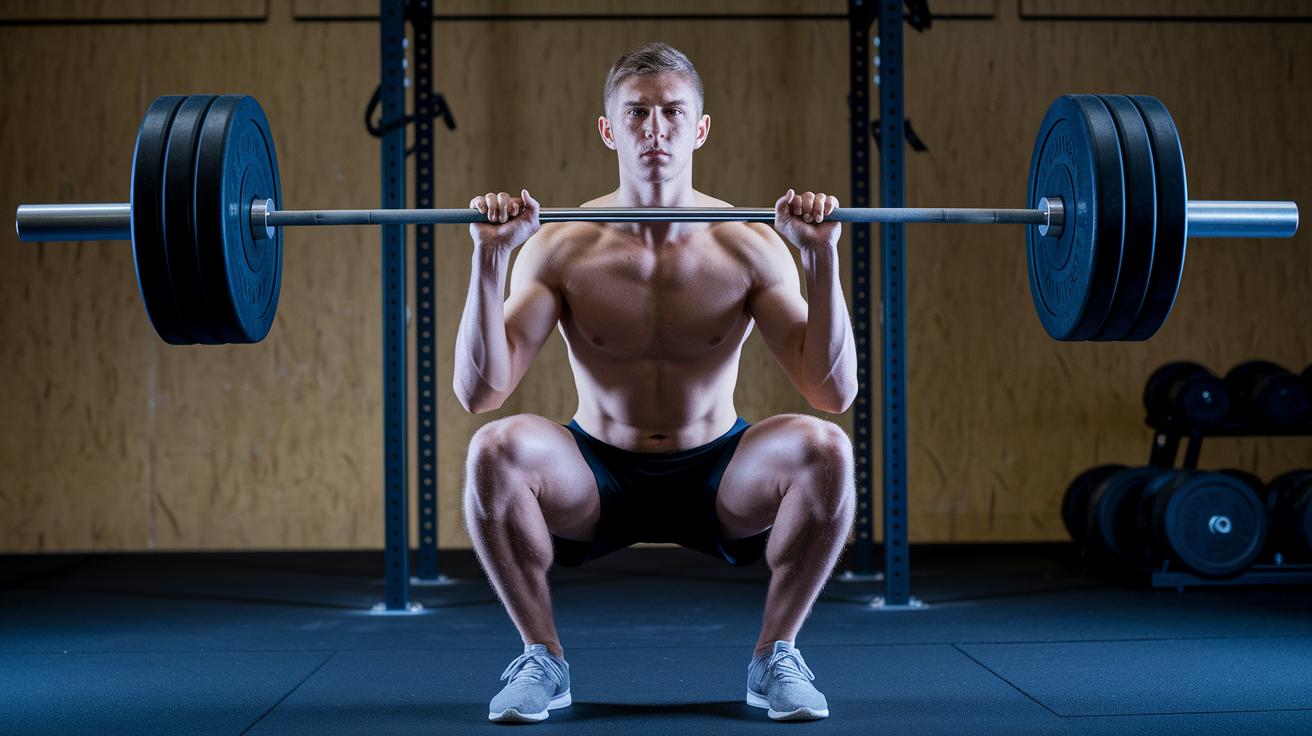
When you’re powering through a HIIT workout, keeping proper technique really matters to avoid injuries like meniscus tears, rotator cuff strains, or even shin splints. If your body isn’t lined up right during explosive moves like plyometrics, handstands, deadlifts, or push-ups, you can put extra stress on your joints and muscles. Using the right form not only makes your workout more effective, it also protects your tendons and ligaments. Bracing your core helps steady your spine, reducing the risk of lower-back issues. And moving with a smooth, controlled pace helps prevent those sudden jerks that might lead to sprains. Paying attention to your form is just as important as keeping your workout intense.
Alignment and Posture
Keeping a neutral spine is one of the basics in every exercise. Make sure your head, shoulders, and hips form a straight line to avoid imbalances. It’s all about feeling that hip-shoulder alignment and making sure your knees point in the same direction as your toes. This kind of body awareness can help reduce stress on your joints, making your workout feel safer and more balanced.
Core Engagement
Before you dive into any explosive move, really take a moment to brace your abs. This simple step not only supports your lower back but also gives your whole body more stability. When your core is engaged, you get better power transfer during each move and you’re less likely to get jolted by sudden impacts. It’s like setting a strong foundation before building something great.
Controlled Tempo
As you move through your HIIT routine, keep your pace deliberate. Each movement should be smooth and thoughtful, which helps you avoid any jerky, uncontrolled actions that can strain your muscles. By slowing down just a bit between reps, you give your muscles a chance to adjust, protecting those sensitive areas from unexpected strain. Imagine it like a gentle rhythm, steady and safe.
HIIT Safe Progression and Load Management Techniques

Increasing your workout intensity gradually is the best way to keep your body safe while reaching new limits. Sudden increases in volume or weight might lead to problems like tendonitis, IT band syndrome, or issues with your Achilles. By increasing your effort by only about 5% to 10% each week, your muscles, tendons, and ligaments get the time they need to adjust. This steady pace helps you build strength and stamina without overworking your body. Keeping a journal of your progress and counting your reps can guide you to avoid overtraining and stay on track safely.
Tweaking your exercises and rest breaks to fit your current level is another key part of safe training. Instead of jumping straight into explosive moves, try lower-impact options like step-back lunges instead of jump lunges. Adjust your rep counts and give yourself a few extra seconds of rest during those tougher sessions. If you're also using weights, you might find ideas online to help manage your load more effectively. Mixing in these simple changes creates a controlled environment that lets you improve steadily while keeping injuries at bay.
Essential Post-Workout Recovery and Cooldown Techniques

After a tough HIIT session, it's important to cool down properly. This helps relax your muscles and stops them from feeling stiff. A good cooldown lets your body wash away lactate (a byproduct of intense exercise) so you can avoid muscle soreness later.
Taking a few minutes to ease into rest helps your body shift smoothly from active to recovery mode. When you give your muscles a chance to repair and rebuild, you set the stage for even stronger workouts ahead.
Besides your cooldown routine, remember to take regular rest days and drink plenty of water. Eating a little mix of carbohydrates and protein after your workout fuels your repair process and keeps your energy steady. Think of it as giving your body the right building blocks to bounce back better.
| Technique | Benefit | Recommended Duration |
|---|---|---|
| Foam Rolling | Releases tight muscle bands | 5–10 min |
| Static Stretching | Enhances flexibility and relaxes muscles | 8–10 min |
| Red Light Therapy | Helps reduce inflammation | 5–15 min |
| Active Rest Day | Supports overall tissue repair | 24 hrs |
Mixing these cooldown and recovery ideas into your routine helps keep your muscles balanced and ready. It also minimizes soreness and gets you set to tackle your next high-energy session with renewed strength.
HIIT Equipment, Environment, and Personal Safety Measures
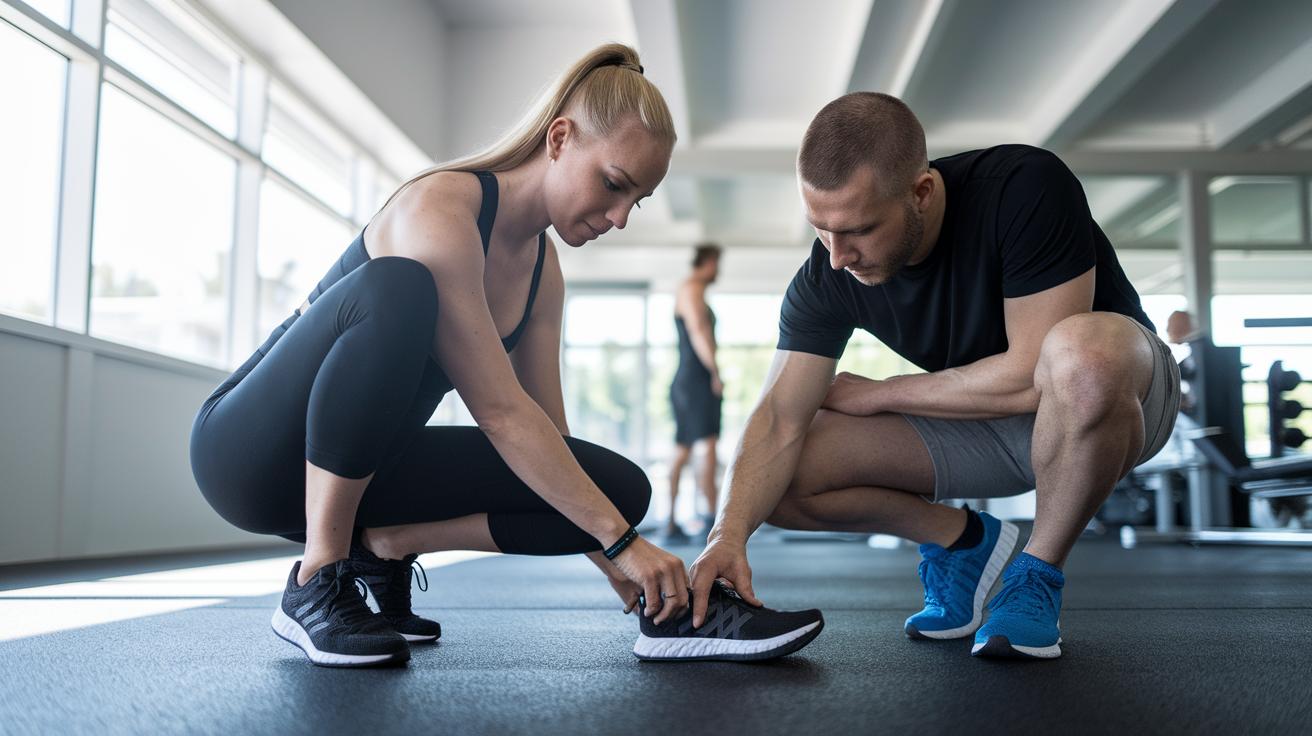
Before you start a HIIT workout, it’s smart to check your shoes and gear. Worn-out shoes can make you more likely to twist an ankle. You want shoes that have good cushioning so your knees and hips get proper support during quick moves. Also, take a look at your equipment. A wobbly mat or a broken handle can turn a great workout into a risk. Spending a few extra minutes checking everything can really help prevent injuries.
Next, take a good look at your workout space. Clear enough room so you don’t run into objects or bump into someone when you're moving fast. Different floors like wood, rubber, or turf affect how your body absorbs impact, so knowing your surroundings helps you move safely. You might even want to use braces or sleeves on joints that need extra support. This added protection can keep you safe during high-intensity moves and help avoid common injuries.
HIIT Hydration, Nutrition, and Expert Guidance for Injury Prevention
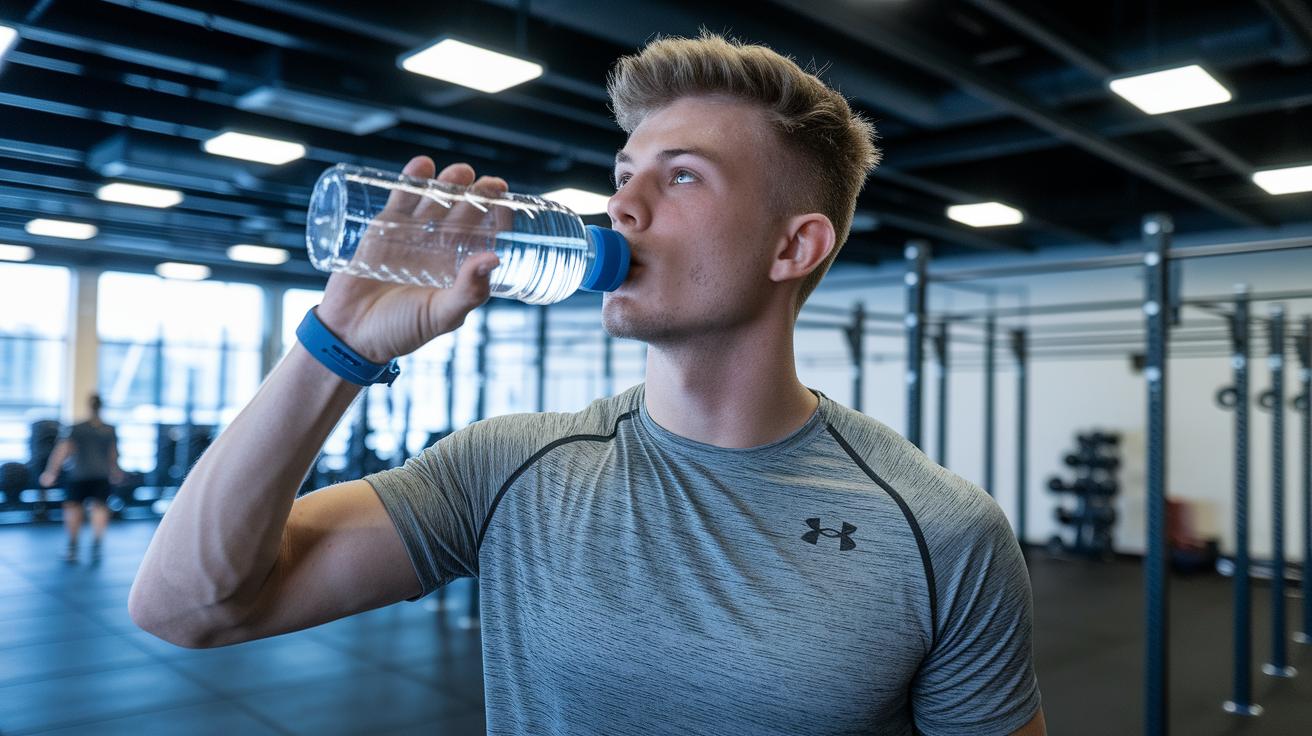
When you power through a HIIT session, staying hydrated and fueled with good food is essential. Drinking water often helps keep your joints moving smoothly and can ward off those pesky cramps. A little bit of electrolytes, which are minerals that support muscle action, added to your water can give your body an extra boost during those quick bursts of exercise. Try to sip water before, during, and after your workout.
After you finish exercising, it’s a good idea to have a mix of carbohydrates (the sugars and starches that give you energy) and protein (the building blocks your body uses to repair muscles). Eating this type of snack within about 30 minutes helps kickstart muscle repair and refills your energy reserves, making sure you’re ready for your next round.
Listening to advice from certified coaches or physical therapists can make your training safer. They offer useful tips on your form and suggest changes to prevent injuries from overdoing it. Keeping track of your progress with tools like wearable sensors, heart-rate monitors, or simply counting your reps can help you avoid pushing too hard. Paying attention to what your body tells you, and following expert advice, can be the key to a strong workout that keeps you injury free.
Final Words
In the action, we covered how proper warm-ups, controlled form, and smart progression can make HIIT safer. We talked about engaging in dynamic activation routines, keeping an eye on nutrition, and cooling down with care.
These hiit workout injury prevention tips were designed to help you work out smarter and protect your body. Every step you take builds a stronger, healthier you, so keep moving forward with a smile and enjoy each safe, fulfilling workout.
FAQ
How can I avoid injury with HIIT and prevent injuries during workouts?
The strategy to prevent injuries in HIIT involves a proper warm-up with dynamic drills, maintaining strict exercise form, gradually increasing intensity, staying hydrated, and finishing with a cooldown to let your muscles recover.
Why should you not do HIIT every day?
The reason not to perform HIIT every day is that it limits recovery time. Insufficient rest can lead to overtraining, muscle strain, and diminished performance, all of which heighten the risk of injury.