Ever thought about how what you eat might lift your mood? Imagine a plate loaded with fresh fruits and crisp vegetables, each bite giving you a spark of energy. Eating well isn't just about filling your stomach; it's a kind, natural way to care for both your body and your mind. In this chat, we'll look at how choosing simple, whole foods can help you feel healthier and happier every day. Ready to explore a bright new path to wellness?
Holistic Diet Explained: Definition and Scope

Imagine a way of eating that does more than fill you up, it helps you feel good in body, mind, and spirit. That’s what a holistic diet is all about. It’s like choosing foods that brighten your mood and boost your energy, much like a refreshing smoothie on a sunny morning.
You might have heard the saying, "Let food be thy medicine and medicine be thy food." This old idea, from Hippocrates, reminds us that what we eat can help heal us and keep us strong. Think about it: when you pick a delicious, crisp apple or a sweet, ripe tomato, you’re not just having a snack, you’re giving your body a natural boost to repair and renew itself.
A holistic diet focuses on fresh, whole foods that aren’t processed. This means enjoying fruits, vegetables, whole grains, natural meats, eggs, and even nuts. It also means caring about where your food comes from; locally grown foods often have more flavor and nutrients because they aren’t jostled around on long trips. In this way, your food can support your body, clear your mind, and lift your emotions, making every meal a step toward a healthier, happier life.
Core Principles of the Holistic Diet

In this section, we're talking about four friendly pillars that shape a natural nutrition plan using whole foods. A holistic diet is all about nurturing your body with foods that work together for both your physical and mental well-being. It brings a balanced approach to everyday food choices, making healthy eating feel simple and natural.
When you follow these ideas, every meal becomes a chance to add quality ingredients that really work for you, even when you're watching your budget. It's like giving your body a little boost with each bite.
- Balance and Quantity: Enjoy a mix of big nutrients like proteins, fats, and carbohydrates (the things that give you energy) and smaller ones from nutrient-rich foods.
- Natural Alignment and Quality: Focus on whole foods in their simplest form so you get all their good benefits.
- Customization: Tweak your meals to match your tastes and your body's needs.
- Sustainability: Choose smart and affordable options that you can stick with for a long time.
When these four ideas join together, they form a clear roadmap for a vibrant life. A holistic diet isn’t just about eating, it’s about designing each meal to be balanced, genuine, personal, and practical so you can feel your best every day.
holistic diet: Radiant Health for Life

Imagine your meal plan as a natural map for feeling good every day. It’s not just about food, it’s a daily health choice that fills you with energy and balance. This plan shows you how to mix in whole, fresh foods while leaving behind the processed stuff that can slow you down.
Begin in your kitchen by setting up a pantry that highlights real foods. Fill it with crisp fruits, colorful vegetables, whole grains, and nuts. Let go of white flour, sugars, and packaged foods that offer little value. Think of it as updating your toolkit, when your pantry is stocked with pure, natural ingredients, making a delicious meal is easy. Picture swapping a bag of processed snacks for a basket of crunchy apples and carrots.
Change your grocery habits to support this wholesome approach. Try to buy organic produce from local farmers when you can. Make a shopping list based on what’s in season so you can enjoy meals that match nature’s rhythm, keeping you energized and your taste buds smiling.
Finally, build your daily menu with a mix of key food groups. Aim for lots of fruits, vegetables, whole grains, and beans or legumes. Add healthy fats such as avocado, nuts, or extra-virgin olive oil for extra goodness. Use moderate portions of meat and dairy, and replace refined sugars with natural options like maple syrup or coconut sugar. And maybe take it easy on that extra cup of coffee so your energy stays steady.
Holistic Diet Benefits: Physical, Mental, and Lifestyle Outcomes

A whole-food diet does wonders for your body. It can help lower the risk of heart problems, ease digestion for folks with IBS or leaky gut, and keep your blood sugar levels steady. Adding fresh veggies, whole grains, and lean proteins not only fills you up but also gives you a boost of energy throughout the day.
Eating real, unprocessed foods gives your brain a little lift too. When you choose meals rich in vitamins and minerals, you're giving your mind the building blocks it needs to stay sharp and calm. Over time, you might notice less stress and more focus – like each bite is a small break from the chaos.
Choosing healthy, natural foods can also brighten up your everyday life. Enjoying a variety of whole-food meals can lead to glowing skin and healthier hair. Plus, when you build balanced meals, every bite becomes a moment of care for yourself.
Comparing Holistic Diet with Popular Diets
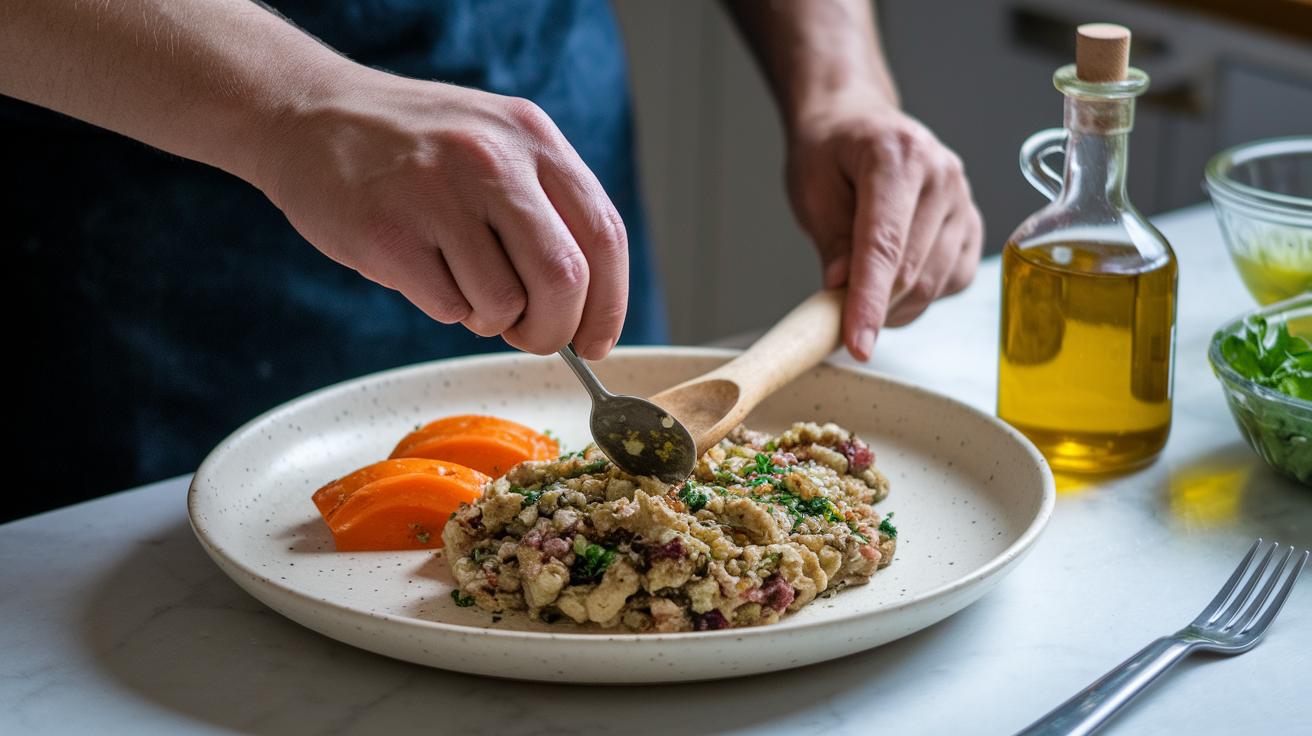
A holistic diet brings together fresh, quality ingredients, the special bonds you share with your food, and where it comes from, all in one friendly approach to wellness. It isn’t just about proteins, fats, and carbohydrates (macronutrients, the key sources of energy for your body). Instead, it cares about how food makes you feel inside and honors its roots.
When you think of the Mediterranean diet, you see meals that use healthy fats like a drizzle of olive oil and even a splash of wine to support a healthy heart. But a holistic plan goes further by linking your meals to your emotional well-being. Imagine a chef saying every bite is not just about taste but a walk down memory lane.
With diets like Paleo and Keto, many natural grains are left out in an effort to cut carbs. A holistic diet, though, welcomes natural grains along with a mix of proteins, fats, and carbs that keeps your body running smoothly, like a well-tuned engine.
And when you look at vegan or plant-based diets, you’ll notice that a holistic approach can be flexible. It may include modest amounts of unprocessed meats or eggs if that feels right for you, blending cancer-fighting eating habits with a balanced way to nourish your body.
Getting Started with Your Holistic Diet
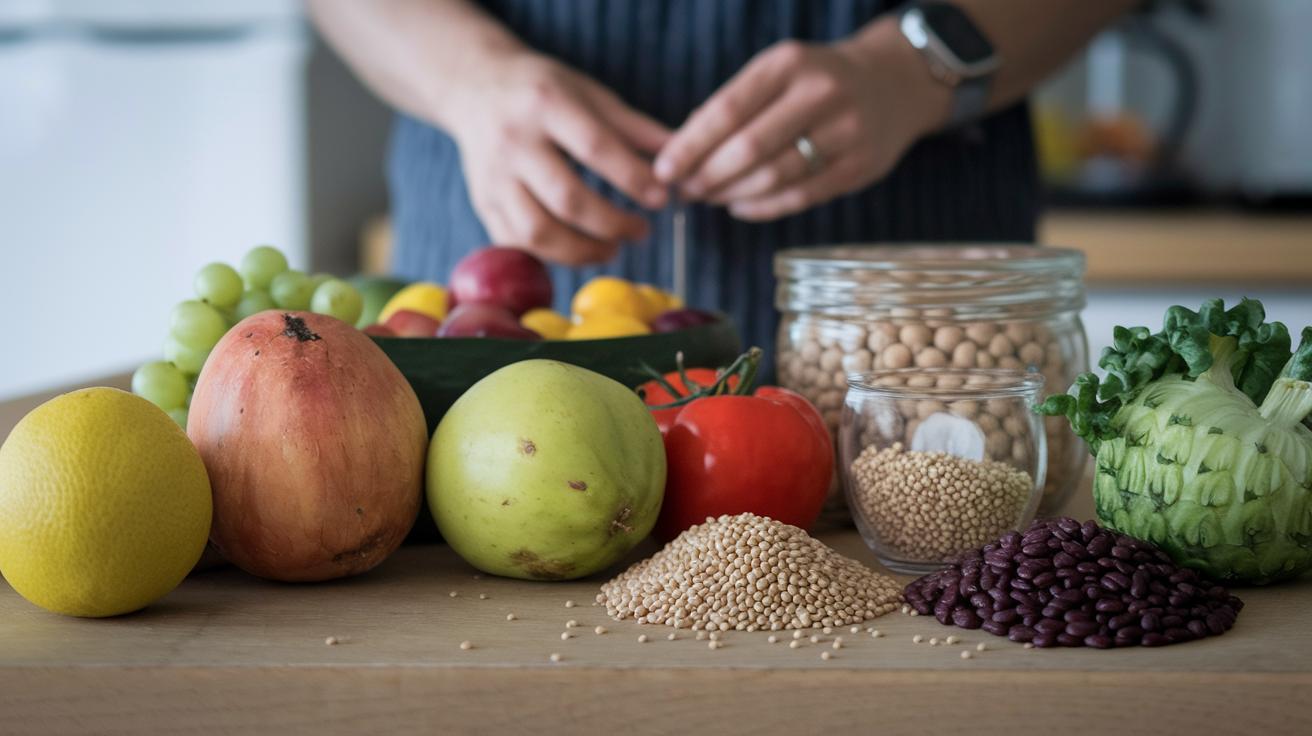
Start your journey by choosing simple, everyday foods that make you feel light and full of energy. Take a look around your kitchen, set aside processed sugars, flours, and packaged items, and fill your space with whole grains, fresh fruits, crisp vegetables, and beans that pack protein. Try a 14-day nutrition reset where you trade old meals for easy, clean recipes that keep you satisfied and can help you manage your weight. This natural approach not only fuels your body but also brightens your mood.
Finding a Holistic Nutritionist
Sometimes a little extra help makes a big difference. Consider chatting with a holistic nutrition expert who can guide you in creating a balanced eating plan. Whether it’s a functional dietitian to shape your meals, a LEAP therapist to turn healthy eating into a soothing habit, a gut-health dietitian to ease digestion, or a clinical herbalist for natural remedies, there’s someone ready to support your well-being.
Essential Tools and Resources
Modern tools can really boost your progress. Use client portals and one-on-one sessions to track your journey and fine-tune your plan along the way. Health coaching programs offer tailored advice, and specialized tests, like GI-MAP (a test for your gut health that looks at bacteria balance) and micronutrient panels (which check key vitamins and minerals), help you understand your body’s needs.
Keep a simple food journal for one or two weeks. Jot down your meals and any changes in how you feel. This practice can uncover patterns and help you adjust your holistic diet so you can enjoy lasting, practical results.
Holistic Diet Sample Plans and Resources
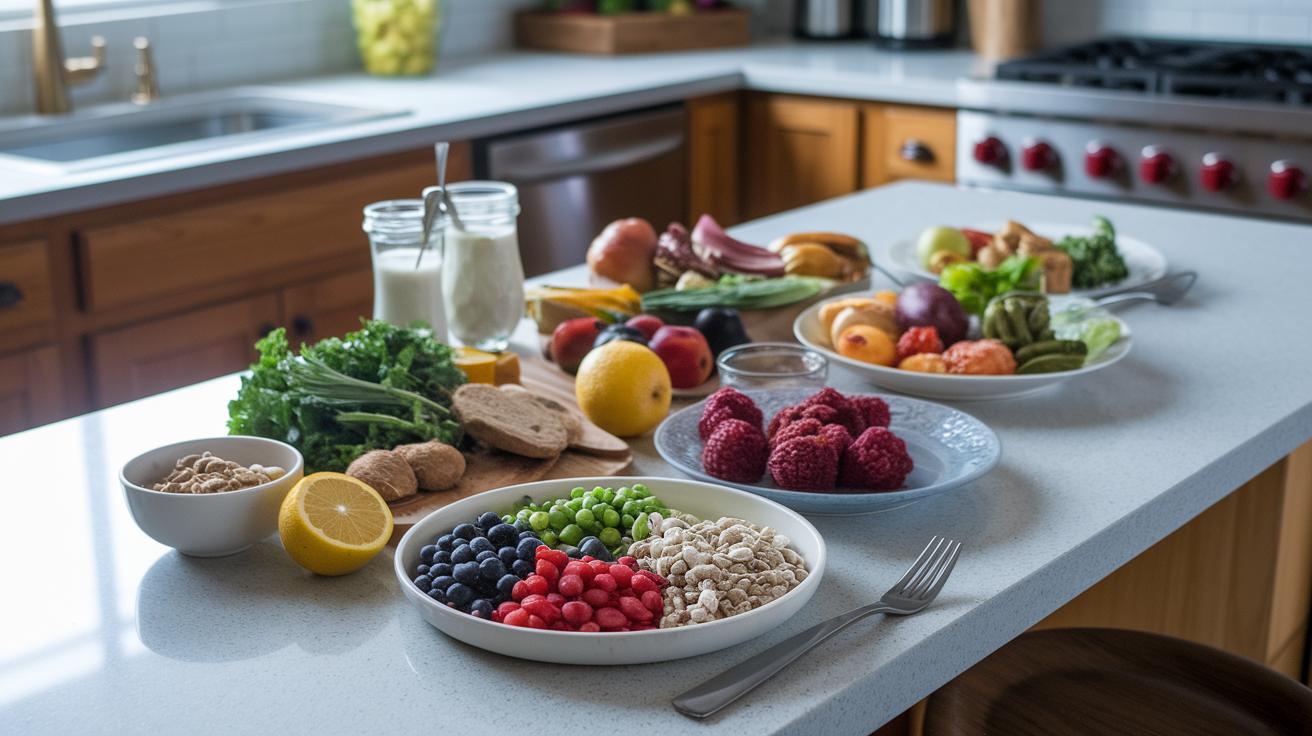
Looking for simple meal ideas? Check out our easy-to-use meal plans and guides. We've put together a one-day holistic meal plan PDF, a 7-day low FODMAP plan, and a 7-day CSID diet plan, all made with whole, unprocessed foods. These tools can help brighten your day and support a balanced eating routine.
Along with the meal plans, you'll find a handy nutrition chart. It explains different food groups, serving ideas, and portions in plain language. Think of it as a little guide in your kitchen that makes sticking to a healthy diet feel effortless and fun.
| Resource | Description | Access |
|---|---|---|
| 1-day sample plan | PDF guide with one day of holistic meal ideas | Downloadable |
| 7-day low FODMAP plan | Meal plan designed for low FODMAP needs | Downloadable |
| 7-day CSID plan | Diet plan tailored for sucrose intolerance | Downloadable |
| Nutrition chart | Comprehensive guide to nutrient-rich foods | Downloadable |
Final Words
In the action, we tackled clear definitions, practical meal planning tips, and comparisons between different eating approaches. We shared how a balanced eating strategy supports not only the body but the mind, too.
We discussed ways to fit wholesome foods into everyday routines while keeping exercise and stress management in focus. Embracing a holistic diet means choosing unprocessed, natural foods as part of a complete eating strategy. Every small change adds up to better living and fitness. Enjoy each step toward a healthier, more vibrant life.
FAQ
What is a holistic diet?
The holistic diet is a lifestyle that integrates food, body, and mind to support overall health by emphasizing whole, natural ingredients and balance in your eating habits.
What foods are typically included in a holistic diet?
The holistic diet includes fresh fruits, vegetables, whole grains, unprocessed meats, eggs, and nuts. It focuses on using natural foods while paying close attention to the food’s origin and quality.
What are examples of holistic meals and recipes?
The holistic meals mix nutrient-dense foods like lean proteins, colorful vegetables, whole grains, and healthy fats to create dishes that balance body and mind through natural, wholesome recipes.
What should beginners know about holistic eating?
The approach for beginners in holistic eating starts with simple steps: choosing whole, unprocessed foods, planning meals mindfully, and gradually replacing processed items with naturally sourced ingredients.
How does a 14-day holistic diet plan work?
The 14-day holistic diet plan provides a short-term reset focusing on whole foods and balanced meals. It helps you establish mindful eating habits that support overall well-being in a structured, easy-to-follow format.
What is a holistic diet plan for weight loss?
The holistic diet plan for weight loss combines nutrient-rich foods, proper portion control, and balanced meals. This supports managing weight while also nurturing overall health with a mindful approach toward eating.
What does a holistic diet book typically offer?
The holistic diet book offers guidance on embracing natural eating habits with meal plans, recipes, tips on food sourcing, and practical advice for aligning your diet with a balanced, overall health approach.
What is a holistic diet for dogs?
The holistic diet for dogs uses natural, unprocessed ingredients to promote better digestion, steady energy, and overall health in your pet, mirroring the balanced, whole-food approach used for human diets.
What does a holistic nutritionist do?
The holistic nutritionist guides you by offering personalized meal planning, dietary advice, and natural health remedies that blend food choices with overall mind and body care for optimal well-being.