Ever felt like your shoulder routine is missing something? Maybe you're not working on those rear delt moves that help with strength and posture. This post shows you simple exercises that build balanced shoulders, boost upper-body power, and make everyday tasks easier. We explain easy-to-follow moves that mix focused muscle contractions with compound lifts. Give your workout a fresh outlook by giving your rear delts the care they truly deserve.
Top Best Rear Delt Exercises for Balanced Shoulder Development

A strong set of rear delt exercises builds balanced shoulders and supports overall upper-body strength. These moves target the often undertrained muscles of the back of the shoulder, improving posture and shoulder stability. They combine both isolation and compound elements to allow precise activation while challenging multiple supporting muscles.
Focusing on movements that mix controlled contractions with dynamic resistance helps maximize benefits. Whether you are new to strength training or an experienced lifter, these exercises provide a comprehensive routine designed to stimulate muscle growth and improve performance during everyday activities.
- Band Pull-Apart – Hold a resistance band at shoulder width and pull it apart, feeling the squeeze in the rear delts.
- Standing Cable Face Pull – Secure the rope at eye level and pull toward your face with high elbows to target the rear shoulder fibers.
- Dumbbell Reverse Flye – Slightly bend your elbows and lift the dumbbells out to the sides to isolate the rear delts, lats, and traps.
- Inverted Row – Keep a neutral spine and depress your shoulders as you pull your chest toward the bar, engaging the rear delts.
- Wide-Grip Pull-Up – Use a wider grip to shift emphasis toward the rear delts and upper back, maintaining controlled motion.
- Wide-Grip Lat Pulldown – Place hands wide on the bar and pull down slowly, focusing on activating the rear shoulder muscles.
- Single-Arm Dumbbell Row – Use a bench for support and row with one arm at a time to correct strength imbalances.
- Bent-Over Barbell Row – Bend at the hips with a slight knee bend and pull the barbell toward your lower rib cage, engaging multiple upper-back muscles.
Pairing isolation techniques with compound lifts delivers efficient muscle stimulation by combining precise muscle tension with overall load-bearing benefits, promoting balanced shoulder development and enhanced workout performance.
Mastering Form and Technique for Best Rear Delt Exercises
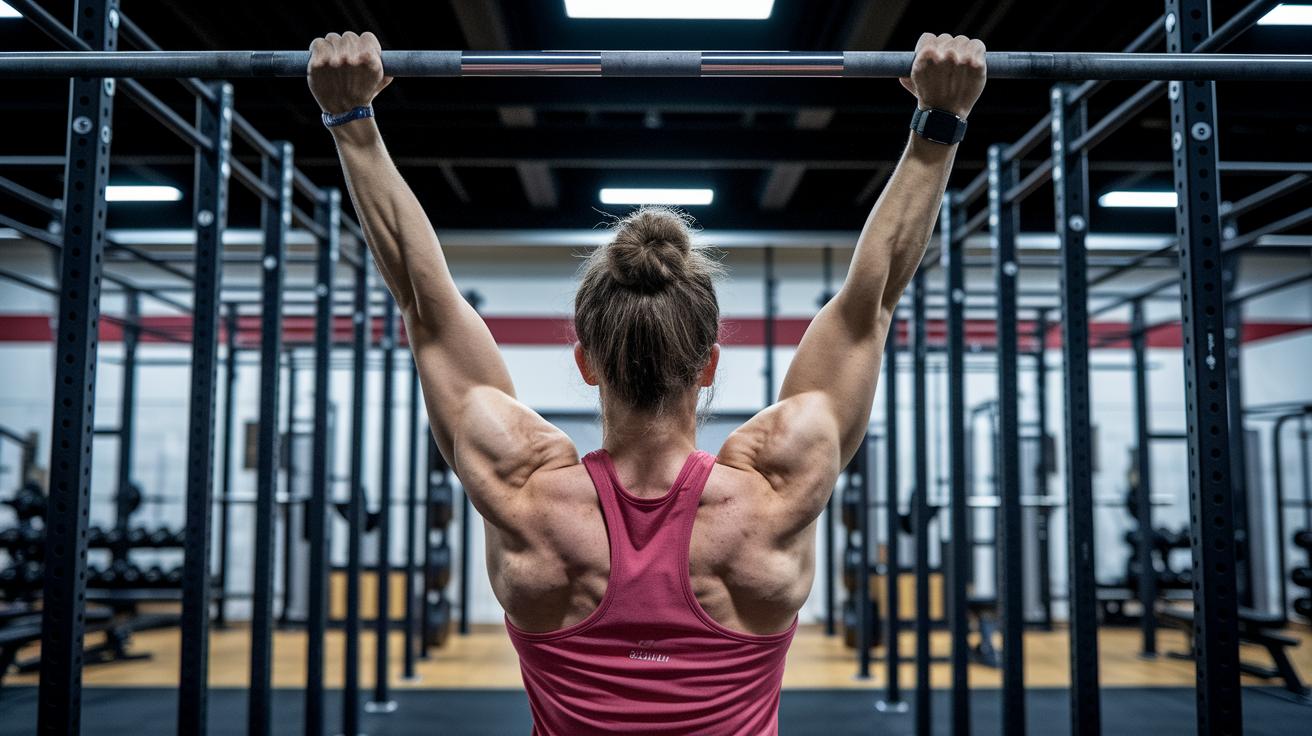
Getting the most out of your rear delt exercises starts with precise, intentional movements. When you focus on using your rear delts correctly for each rep, you lessen the strain on other muscles and lower your risk of injury. Whether you're just starting your strength training journey or fine-tuning your routine, using the right form can make a world of difference.
Try these four simple tips to boost your rear delt workout. First, set your cable rope at eye level and pull it toward your face while keeping your elbows high. This ensures your rear delts get all the attention they need. Next, when doing bent-over rows, maintain a neutral spine and brace your core to keep your body aligned properly. Then, for flyes, keep a slight bend in your elbows to protect your joints. Finally, before each inverted row, depress your shoulders and squeeze your shoulder blades together to really fire up your rear delts.
Be careful of common mistakes like using weights that are too heavy or letting your elbows flare out. These missteps pull the focus away from your target muscles. Instead, choose a weight you can handle and keep your mind on the movement. Prioritizing good form over lifting heavier weights not only helps fix technique errors but also gives you a safer and more effective workout for building strong, balanced shoulders.
Ultimate Rear Delt Exercise Variations and Progressions

If you're looking to mix up your workout and boost muscle growth, try changing your routine with some new techniques. This not only keeps things fresh but also challenges your rear delts in unique ways. Plus, new variations can help balance out strength differences and break through workout plateaus, so your shoulders get a solid, well-rounded workout.
Drop Set Reverse Flyes
Try drop sets with dumbbell reverse flyes to stretch the time your muscles work. Begin with a weight that lets you do 12 smooth, controlled reps. When you feel your muscles getting tired, drop the weight a bit and go for another 10 reps. Finally, choose a lighter weight and finish with 8 reps, taking a short break between each drop. This step-by-step approach really pushes your muscle fibers and helps build strength steadily.
Unilateral Cable Face Pull
Switch to unilateral cable face pulls to even out any strength differences between your left and right sides. Set the cable machine with a rope attachment, then work one arm at a time. Keep your back straight and your core tight as you pull. Aim for about 12 controlled reps on each side so each rear delt gets its fair share of work. This method helps both sides develop evenly and improves your overall stability.
Eccentric-Focused Bent-Over Row
Focus on a slow, deliberate lowering phase with bent-over rows for a new challenge. Lower the weight steadily over 3 seconds and then lift it back up quickly in 1 second. Pick a weight that challenges you but still lets you maintain good form. This controlled pace places extra stress on your muscles during the lowering part, setting the stage for growth over time.
Designing an Effective Best Rear Delt Exercise Routine

A solid rear delt workout mixes two main types of moves: exercises that focus just on your rear delts and ones that work several muscles at once. For example, reverse flyes help target your rear delts, while rows use extra muscle groups to add a weight challenge. This blend helps your muscles grow, keeps your balance steady, and supports your shoulder health.
Try doing three sets of isolation moves with 10 to 15 reps each. This lets you focus on keeping your form right and really feeling each lift. Then, add two sets of compound exercises with 6 to 10 reps to handle heavier loads and build strength. This mix works both your muscle endurance and force, giving your rear delts a well-rounded workout.
It’s a good idea to do your rear delt moves early in your workout when your energy is at its best. Once you’re done, move on to other lifts so you stay fresh and keep your technique smooth. Remember to take a 60 to 90-second break between sets. That rest helps your muscles recover and grow stronger.
To keep making progress, keep an eye on your reps and slowly increase the weight when things start feeling easy. Mix up your exercises every 4 to 6 weeks to keep challenging your muscles and avoid plateaus. By tracking your progress and tweaking your routine, you build steady strength and keep your workouts fun and challenging. Keep at it, and enjoy every small step toward a stronger you!
Warm-Up and Mobility Drills for Best Rear Delt Exercises

Getting your rear delts ready before a workout is a must. A simple warm-up gets your muscles working and helps blood flow. It also prepares your shoulder area, especially those small back muscles, so you can move safely and with ease.
Start with easy activation drills. Try doing Band Pull-Aparts for 2 sets of 20 reps. This move wakes up your rear delts and even gives a little boost to your rotator cuff muscles. Then, grab a light resistance band and do 15 gentle shoulder rotations on each side. Just hold the band lightly and rotate your arm outward until you feel that warm engagement in your back shoulder.
Next, work on a few mobility drills to keep your upper back flexible. Simple exercises like a prone Y-raise help open up your chest and let your shoulders move freely. These moves make your entire upper back more flexible, giving you a smooth range of motion during your workout.
Final Words
In the action, we reviewed eight moves and clear form cues that help target key muscles. We discussed combo techniques, proper warm-up drills, and ways to mix isolation with compound work. This guide gives practical tips for building balanced, strong shoulders. Try mixing these moves into your routine and remember to keep your body moving with care. Using the best rear delt exercises not only boosts strength but also adds stability for everyday living. Keep moving and take pride in every small win.
FAQ
What are some of the best rear delt exercises discussed online?
The best rear delt exercises mentioned include rear delt fly, dumbbell reverse fly, face pull, bent-over lateral raise, and shoulder shrug, offering both isolation and compound movements for solid shoulder development.
How do I target my rear deltoid effectively?
Targeting your rear deltoid effectively means using controlled moves like cable face pulls, reverse flyes, and bent-over rows that specifically engage the back shoulder fibers with proper form.
Which move shows the highest activation for the rear delts?
The move that shows the highest activation is the face pull, as it engages the posterior shoulder fibers by pulling a rope at eye level while keeping the elbows high.
Are rear delts hard to develop?
Rear delts can be challenging to build because they are smaller, but combining isolation exercises with compound lifts and focusing on correct technique helps stimulate growth.
Can I perform effective rear delt exercises with dumbbells at home?
Yes, you can work your rear delts at home using dumbbell movements like reverse flyes and bent-over lateral raises, which provide a solid workout without needing specialized equipment.