Have you ever thought about tossing some nuts and seeds into your meal for a quick energy boost? They offer healthy fats, protein, and fiber that help take care of your heart and keep hunger away.
Even a small handful gives you vitamins and minerals to help you feel balanced all day. This simple guide shows you how a mix of nuts and seeds can boost your meals and your day.
Nutritional Benefits of Healthy Nuts and Seeds
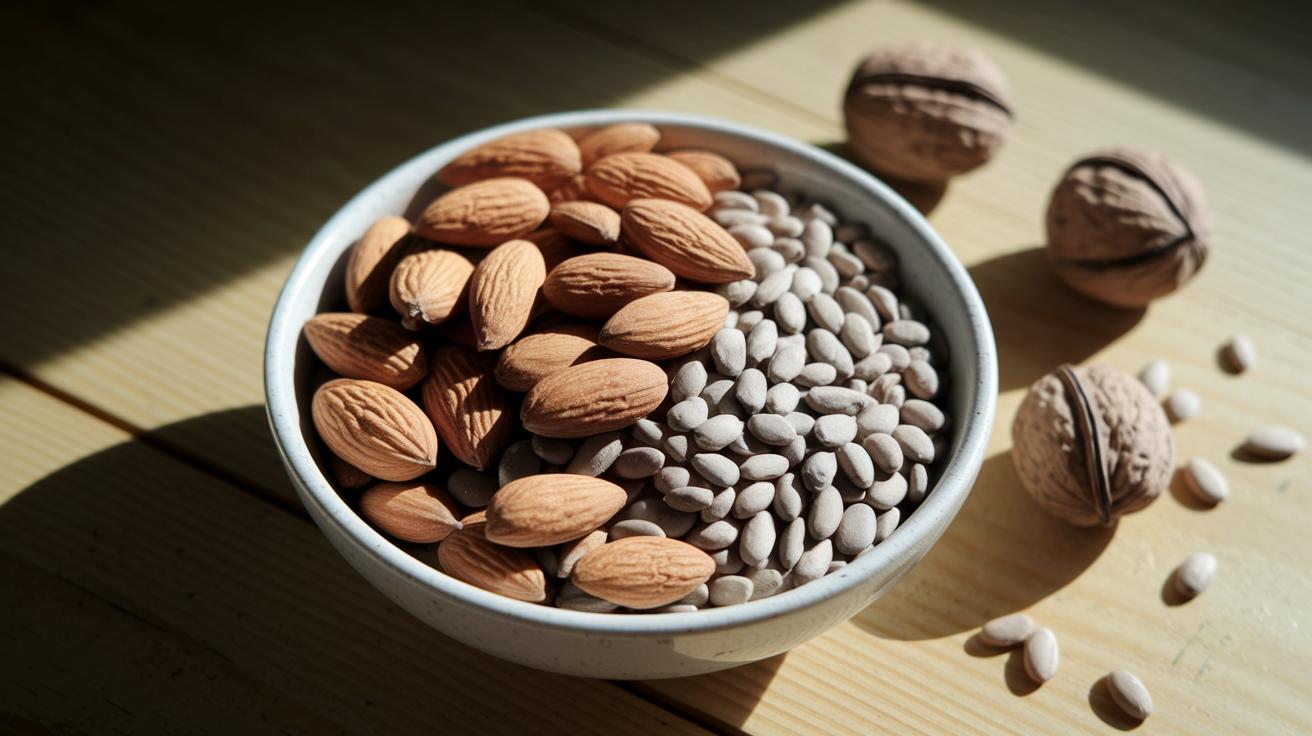
A one-ounce serving (about 28 g) of nuts and seeds gives you up to 200 calories and nearly 20 g of good fats, mostly the kinds your body loves. These fats help keep your cholesterol balanced and your heart happy. Plus, you get around 4–6 g of protein, making these snacks a perfect go-anywhere, protein boost.
Imagine munching on a handful of almonds or enjoying a mix of raw walnuts and sunflower seeds. Each serving offers 2–3 g of fiber, which helps keep your tummy on track. Along with that, these snacks are packed with vitamins like vitamin E and some B vitamins, and they bring minerals such as magnesium and zinc right to your plate.
These natural treats are more than just tasty energy sources. They bring antioxidants and phytosterols into the mix, which support your immune system and heart health. Adding a variety of nuts and seeds to your day is an easy way to raise your nutrition without any extra sugars or salt. Try a mixed nut bowl as a mid-morning treat and enjoy the benefits of those essential healthy fats while staying happy until your next bite.
Top Varieties of Nuts and Their Unique Profiles
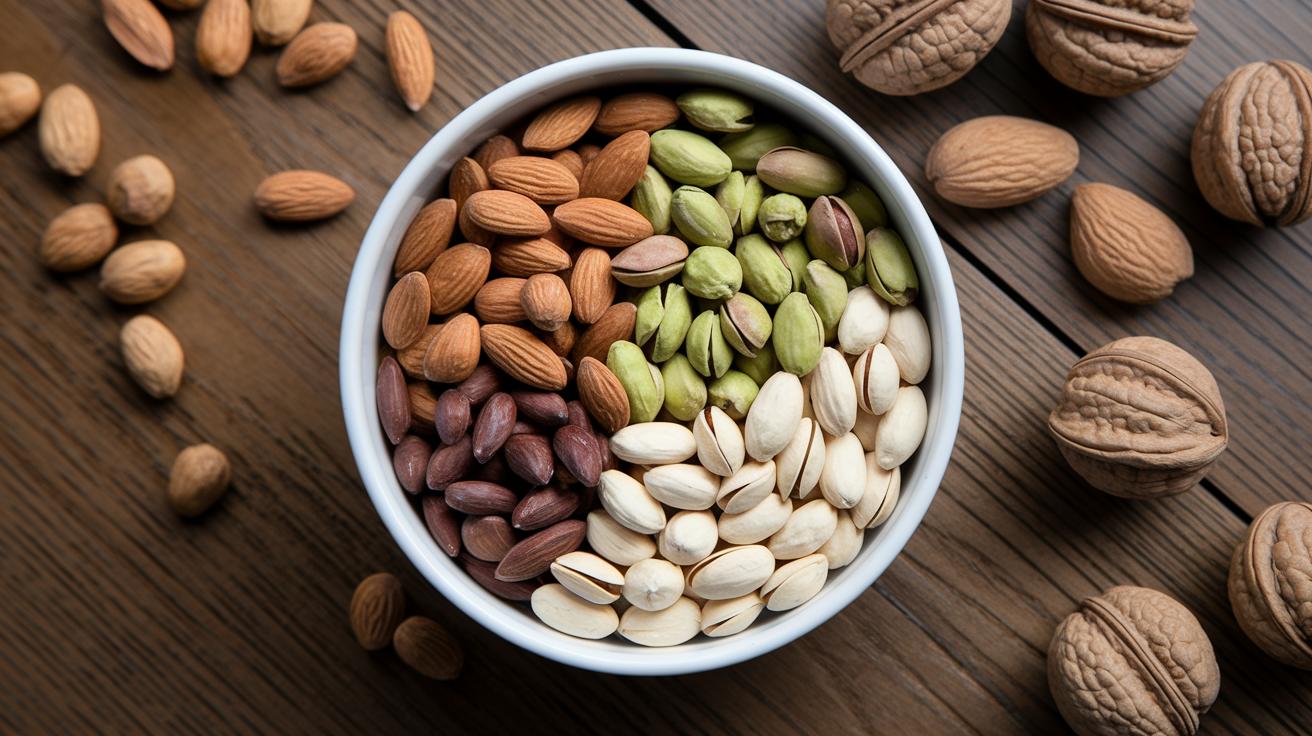
Nuts are a tasty, crunchy way to add healthful goodness to your day. They’re packed with protein and healthy fats that support your heart and overall well-being. Whether you enjoy them raw or lightly toasted, each variety brings its own special benefits.
- Almonds: Each serving has about 160 calories and 6 grams of protein. They’re great raw or roasted and are perfect for making almond butter, flour, or milk.
- Pistachios: These little nuts are about 160 calories with 6 grams of protein per serving. They’ve been enjoyed for thousands of years and offer a light, satisfying crunch.
- Walnuts: With roughly 185 calories and 4 grams of protein, walnuts are known for containing alpha-linolenic acid (a type of plant fat that supports heart health).
- Cashews: Cashews bring about 155 calories and 5 grams of protein. Their creamy texture shines in both sweet and savory dishes.
- Pecans: At nearly 200 calories with 3 grams of protein, pecans add a mild, sweet flavor that works well in baked goods, salads, or desserts.
- Macadamias: These nuts pack in 200 calories and 2 grams of protein, and they’re famous for their buttery, smooth texture, even though they’re a bit higher in calories.
- Brazil Nuts: Offering around 187 calories and 4 grams of protein, Brazil nuts are a top source of selenium (a mineral that supports the immune system), though they also carry higher levels of saturated fat.
- Hazelnuts: With about 180 calories and 4 grams of protein, hazelnuts bring fiber to the mix and have less saturated fat.
- Peanuts: Although not tree nuts, peanuts deliver a robust nutrient profile with around 170 calories and 7 grams of protein per serving.
Enjoy exploring these nut varieties and let them add both flavor and nourishing energy to your meals!
Nutrient Density of Seeds: From Chia to Flax and Beyond
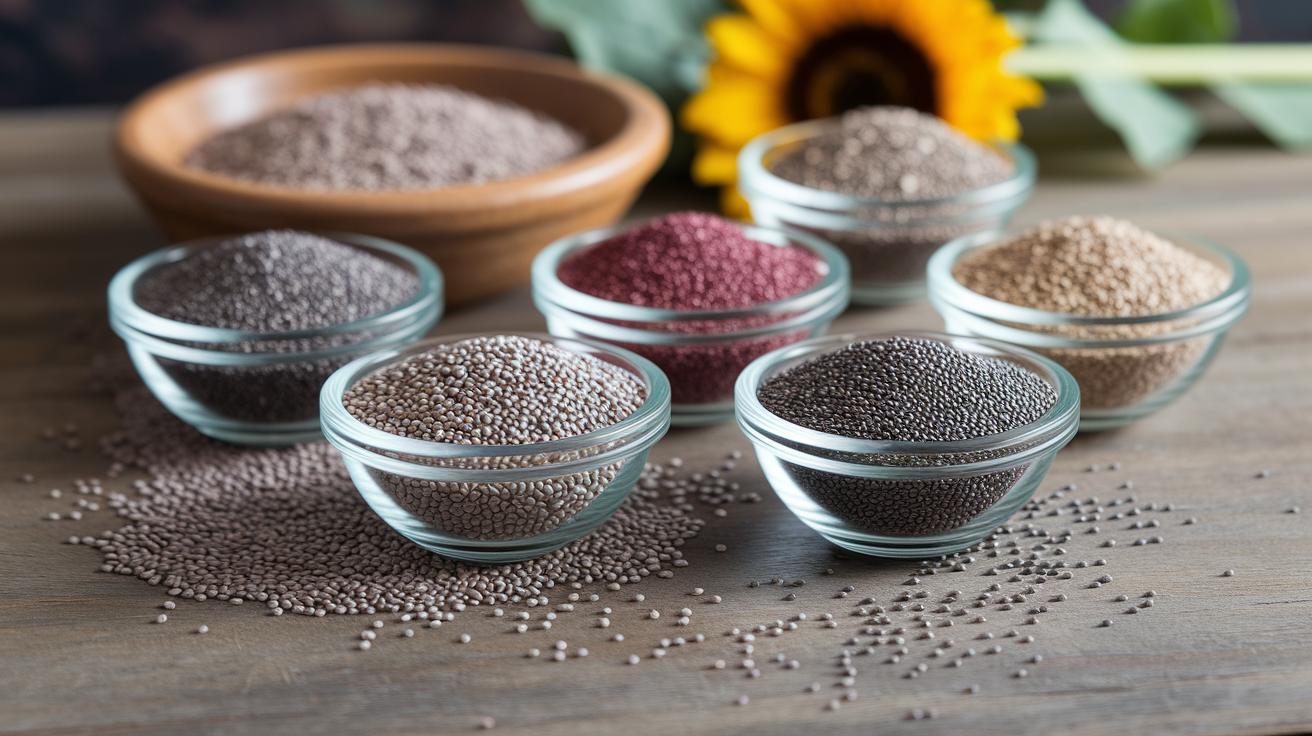
Seeds are little nutrient bombs. They pack omega-3 fatty acids, fiber, plant protein, magnesium, and antioxidants into every tiny serving. Even a small scoop gives you a boost of energy and helps smooth out digestion. Plus, they add a pleasant crunch or a subtle creaminess to your meals. Mixing different seeds means you can create a tasty, nutrient-packed blend that works great in everything from smoothies to salads.
When you sprinkle seeds like chia, flax, hemp, pumpkin, sunflower, and sesame over your food, you’re giving your body a helpful dose of nutrients. The omega-3 fatty acids play a big role in keeping your heart healthy, while the fiber and protein help you feel full and keep your metabolism humming. It’s easy to see the benefit, these small seeds can make your meals more filling and nutritious. They might be tiny, but they sure pack a punch!
| Seed | Key Nutrients | Typical Serving |
|---|---|---|
| Chia | Omega-3 ALA (5 g), Fiber (10 g), Calcium | 1 oz (28 g) |
| Flax | Omega-3 ALA (6 g), Lignans, Fiber (8 g) | 1 Tbsp (10 g) |
| Hemp | Protein (9 g), Omega-6 to -3 ratio, Magnesium | 1 Tbsp (10 g) |
| Pumpkin | Protein (5 g), Zinc, Iron | 1 oz (28 g) |
| Sunflower | Vitamin E, Selenium, Protein (6 g) | 1 oz (28 g) |
| Sesame | Calcium, Copper, Fiber (3 g) | 1 Tbsp (9 g) |
This table shows just how seeds make it easy to add a nutrient boost to your diet. They're a simple, tasty way to power up your meals and support your health every day.
Health Benefits: Heart Health, Immunity, and More with Nuts and Seeds
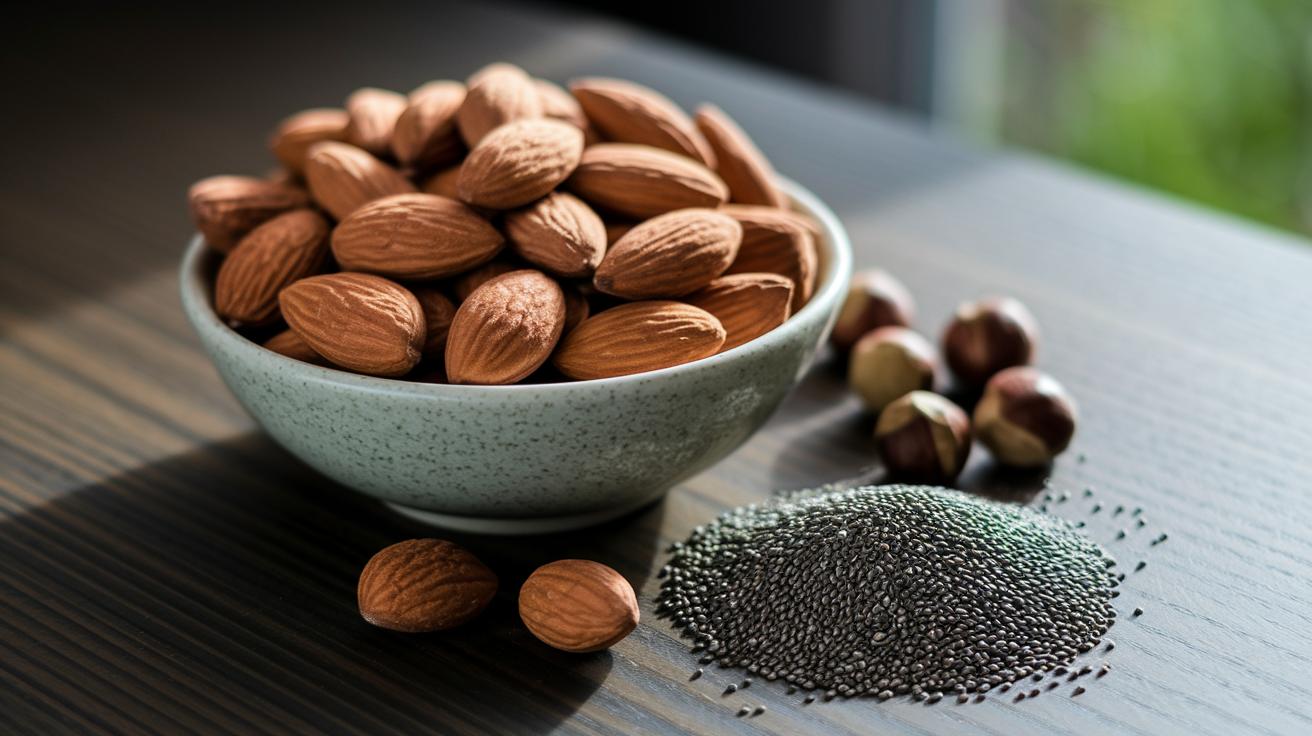
Almonds and hazelnuts pack in healthy fats that help lower bad cholesterol. Flax and chia seeds offer other good fats that balance your diet. These healthy fats work together to keep your blood flowing smoothly and your heart strong.
Fiber found in nuts and seeds also plays a big role. It reduces the amount of cholesterol your body takes in. Imagine nibbling on a handful of raw nuts during a calm afternoon break, knowing that you're helping clear your arteries and soothe your heart.
Some nuts naturally contain vitamin E and plant compounds called phytosterols. These nutrients act like little protectors for your immune cells, keeping them strong against stress. If you’re looking to boost your defenses with a balanced diet, this can be a great help.
Walnuts and chia seeds are also a source of omega-3 fatty acids which may ease inflammation. These fatty acids can lower levels of a protein linked to inflammation, offering relief after a busy day. A small serving of these foods might just be the soothing element your body needs.
For the best benefits, choose nuts and seeds that are unsalted, raw, or dry-roasted. That way, you enjoy all these heart-healthy, immune-supporting benefits without any extra additives.
Healthy nuts and seeds: Energize Your Diet
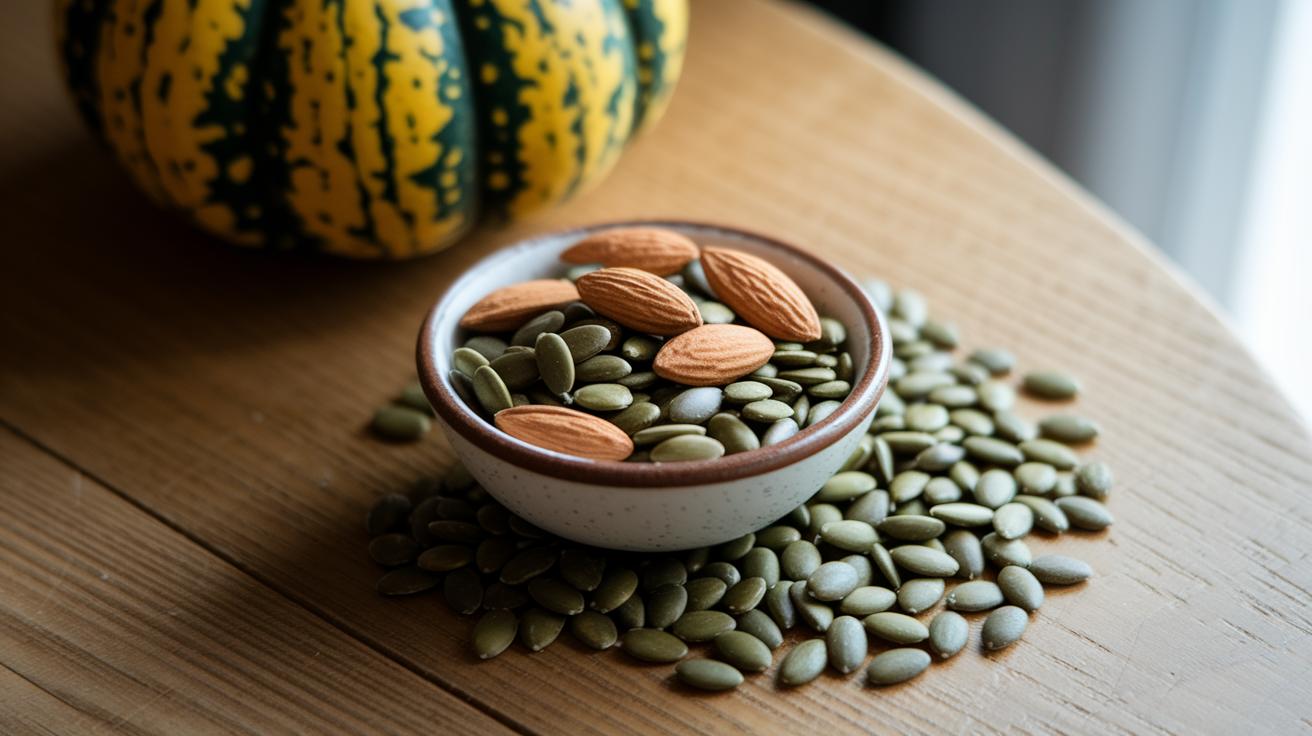
Experts say that a small handful of nuts (about 1 oz) or 1 tablespoon of seeds at snack time can keep your energy steady and help balance your blood sugar. Try mixing unsalted raw almonds with pumpkin seeds to make a fun, crunchy snack. Did you know this combo gives you a boost and helps keep your diet balanced?
You can also sprinkle flax or chia seeds over your oatmeal or yogurt. Imagine stirring a spoonful of chia into your warm bowl of oatmeal, the seeds add a satisfying crunch and a burst of plant protein without any extra salt. Nut butters like almond or peanut butter can turn a simple smoothie into a creamy, filling treat that even supports weight control.
Plain nuts have almost no salt, making them a smart choice if you're watching your blood sugar. In contrast, salted nuts can add anywhere from 85 to 250 mg of salt per ounce. This little difference matters when building a balanced diet. So go ahead and try these tasty ideas at breakfast, in your salads, or as snacks to enjoy an energizing boost every day.
Simple Recipes and Serving Ideas for Healthy Nuts and Seeds

Looking for a quick, no-cook snack that's both tasty and nutritious? These ideas mix nuts and seeds in a way that’s easy to make and bursting with natural goodness. In under five minutes, you can create a snack that fuels your day.
-
Chia Pudding: Mix 3 Tbsp of chia seeds with 1 cup of almond milk. Let it chill in the fridge for 4 hours until it thickens, then top it with berries. This pudding gives you a good dose of fiber, heart-healthy omega-3s (fats that help your body work smoothly), and a pleasant crunch in every bite.
-
Banana & Nut Butter Toast: Spread 1 Tbsp of almond or peanut butter on a slice of whole-grain bread and add banana slices on top. A light sprinkle of hemp seeds not only brings in a nutty flavor but also ups the protein in your snack.
-
Green Smoothie: Blend 1 cup of spinach with ½ a banana, 1 Tbsp of flax seeds, 1 Tbsp of pumpkin seeds, and 1 cup of water. In minutes, you have a creamy, nutrient-rich drink packed with plant protein and essential fats, a perfect pick-me-up without any cooking required.
Each recipe is simple, delicious, and designed to boost your energy with the natural power of nuts and seeds.
Portion Guidelines and Potential Considerations for Nuts and Seeds
The experts suggest eating about 1 to 1.5 ounces of nuts and 1 tablespoon of seeds every day. This small amount gives you roughly 200 calories per ounce, along with healthy fats, protein, and fiber. It’s like giving your body a natural boost to keep your energy steady without overeating.
When choosing nuts, stick with plain ones. Flavored nuts, like those roasted in oil or sprinkled with salt, might have extra salt and sugars hiding in them. Imagine reaching for a handful of raw, unsalted almonds instead, you enjoy all the good parts without unwanted additives.
Also, be extra careful with peanuts if you’re sensitive. Even a little bit can cause a strong reaction in some people. For kids between ages 4 and 17, safe introduction steps can help lower the risk.
- Serving sizes for seeds help you keep a balanced intake.
- Daily nut portions support good calorie control.
- Mindful portions add natural, wholesome energy to your day.
Choosing your snacks carefully and sticking to these portions can help you enjoy a healthy snacking habit that feels natural and sustainable.
Final Words
In the action, we explored tasty facts about healthy nuts and seeds, covering their calorie counts, nutrients, and benefits for the heart, immune system, and overall wellness. We jumped into the unique profiles of popular varieties, shared tasty meal ideas, and offered portion tips for balanced eating. This blend of practical advice and real-life examples makes it easy to add these power-packed snacks into your daily routine. Enjoy the fresh burst of flavors and benefits that make each snack a step toward better health.
FAQ
Frequently Asked Questions
What are healthy nuts and seeds to eat daily?
Healthy nuts and seeds to eat daily include almonds, walnuts, and pistachios, along with seeds like chia, flax, and pumpkin seeds, which offer essential fats, proteins, and fiber to support overall wellness.
What is a healthy nuts and seeds list?
A healthy nuts and seeds list features almonds, pistachios, walnuts, cashews, pecans, macadamias, Brazil nuts, hazelnuts, and peanuts for nuts, plus chia, flax, hemp, pumpkin, sunflower, and sesame seeds for a nutrient-rich mix.
How much mixed seeds should be eaten daily?
How much mixed seeds to eat daily is about 1 tablespoon, a portion that typically provides concentrated nutrients like omega-3s, fiber, and essential minerals without adding too many calories.
What are the benefits of eating nuts and seeds?
The benefits of eating nuts and seeds include supporting heart health, providing protein and fiber, offering antioxidants, and delivering essential vitamins and minerals that help keep your body balanced and strong.
What are the top 5 healthiest nuts?
The top 5 healthiest nuts often include almonds, walnuts, pistachios, cashews, and hazelnuts, as they provide a balance of heart-friendly fats, proteins, and key nutrients for everyday health.
What are the side effects of eating nuts every day?
The side effects of eating nuts every day may include potential allergic reactions or extra calorie intake that could affect weight if portions are not kept small, so moderation is key.
What is the healthiest nut and seed?
The healthiest nut and seed combination often points to almonds paired with chia seeds, as almonds deliver essential protein and healthy fats while chia contributes omega-3s and fiber for overall health.
Which nuts are healthiest to eat every day?
The healthiest nuts to eat every day include almonds, walnuts, and pistachios, known for their balanced protein, heart-friendly fats, and beneficial vitamins and minerals that contribute to a balanced diet.
Is it healthy to eat nuts and seeds every day?
It is healthy to eat a small serving of nuts and seeds every day, as they support heart health, boost immunity, and provide essential nutrients when eaten in controlled portions as part of a balanced diet.
What nuts help clean arteries?
Nuts that help clean arteries include walnuts and almonds because they are rich in antioxidants and healthy unsaturated fats, which help maintain cholesterol balance and support arterial health.