Ever wonder if one small change in your exercise routine could help you lose weight and get stronger? The truth is, mixing cardio and strength training does more than burn calories, it builds lean muscle and keeps your body moving. Some people stick with only one type of exercise, but research shows that a blend of both works even better. Imagine each walk and every weight lift guiding you toward a healthier, more energetic life.
Essential Exercise Routines for Weight Loss: Cardio and Strength Combo

Mixing cardio and strength exercises gives your body a two-fold boost. Cardio, like a brisk walk or a light jog, gets your heart pumping and helps burn calories. Strength training, like lifting weights, builds up your muscles and keeps them strong. Together, they help your body keep burning calories even after you're done exercising.
Try to get at least 150 minutes of moderate cardio each week and add two sessions of strength workouts. This plan not only helps you lose weight by burning calories but also keeps your muscles working and growing. Changing up your routine with different types of cardio and strength drills keeps things interesting and challenges your body in new ways.
Studies have shown that people who exercise about an hour every day can keep their weight off long term. This balanced mix of activities can help your body stay healthy and strong while making weight loss a bit easier.
Top Fat Melting Exercises for Weight Loss
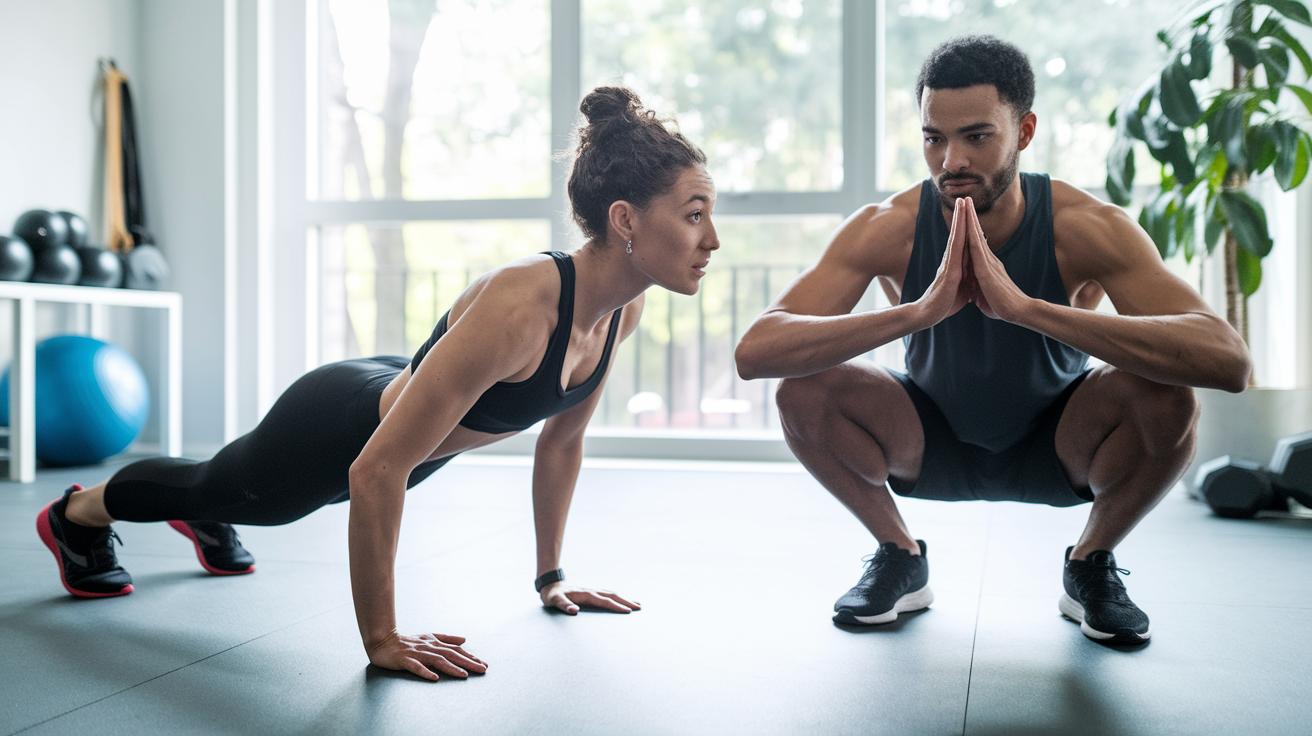
Mixing up different types of workouts can really change the way you feel. If you’re just starting out, low-impact exercises like a brisk walk or gentle bodyweight moves are easy on your joints while still helping you burn calories. Brisk walking is great because you can slowly increase your speed or add hand weights to boost your heart rate over time.
For those ready for a challenge, high-intensity workouts like HIIT push you harder and keep your body burning calories even after you finish. These sessions can feel tough, but they are a fun way to shake up your routine.
Simple bodyweight exercises such as push-ups, squats, and lunges build lean muscles and improve your balance. Adding strength training where you slowly increase the weight or number of reps helps your muscles grow stronger. And don’t forget about activities like cycling, running, or using an elliptical machine, which give your heart a great workout.
Yoga and Pilates are also wonderful. They improve your balance, stretch your muscles, and strengthen your core, the center of your body that keeps you steady. If you enjoy nature, hiking is a perfect choice. It mixes moderate exercise with a refreshing change of view. Each of these exercises plays its part in creating a balanced workout routine that can boost your confidence and overall health.
Structured Gym and At-Home Exercise Routines for Weight Loss

Setting up a regular workout plan with different exercises is a great way to stay fit. Changing your routine each day lets your muscles rest while still giving you a fun challenge. This approach helps you avoid working the same muscles too much and keeps your exercise interesting. Rotating your focus builds overall strength and keeps your body moving in new ways as you work toward your weight loss goals.
| Day | Focus | Duration | Example Exercise |
|---|---|---|---|
| Monday | Steady-State Cardio | 30 Minutes | A brisk walk or light jog |
| Tuesday | Upper-Body Push | 40 Minutes | Push-ups, Dumbbell Press |
| Wednesday | HIIT Treadmill Intervals | 30 Minutes | Sprint intervals |
| Thursday | Lower-Body Strength | 45 Minutes | Squats, Lunges |
| Friday | Full-Body Circuit | 40 Minutes | Mixed bodyweight drills |
| Saturday | HIIT Bike | 25 Minutes | Bike sprints |
| Sunday | Active Recovery | 30 Minutes | Gentle yoga or walking |
Switching which muscle groups you work on each week is a smart way to keep things fresh. This plan not only prevents a plateau but also makes your workouts tougher over time with small, steady changes.
Progression and Modification Strategies in Weight Loss Routines
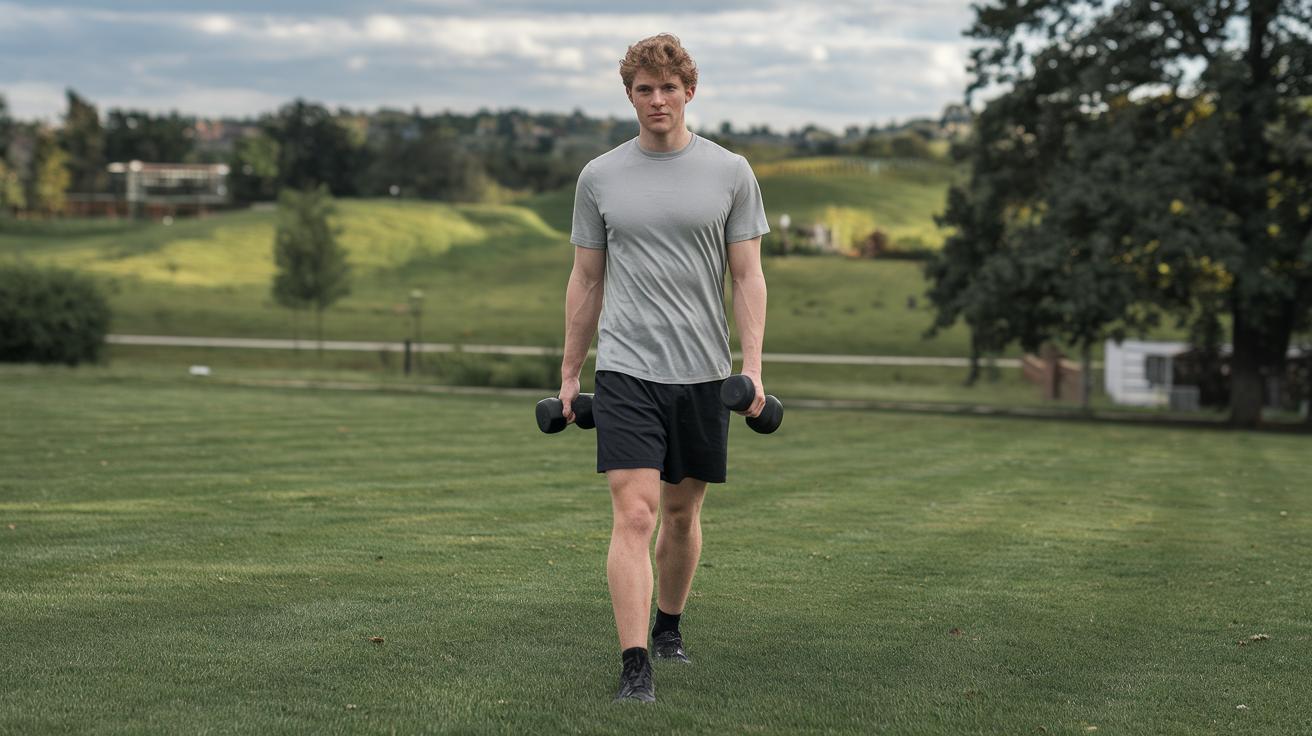
Walking is a simple way to boost your health. Try adding a few extra minutes to your walk or switching to a route with a little hill. You might even carry small hand weights to change how your body feels during exercise. For example, add a brisk five-minute walk after your regular route and notice how your endurance grows. I once added a bit of a hill and saw that my heart started beating faster!
Strength training works in a similar way. You can lift a bit more weight, do extra repetitions, or lower yourself slowly (take two seconds for a push-up). A good start might be doing three sets of six pull-ups. Slowly increasing these challenges will help your body get stronger and boost your metabolism.
Consider planning a 12-week routine to guide these changes without overwhelming your body. Map out small steps for both your cardio and strength exercises. Each week, add a tiny change, like one extra rep or a smidge more weight. Before long, these small adjustments will add up to big strength gains and better calorie burning. Stick with your plan, and your routine will evolve to support weight loss and boost your overall fitness.
Safety, Recovery, and Nutrition Tips to Support Weight Loss Exercise Routines
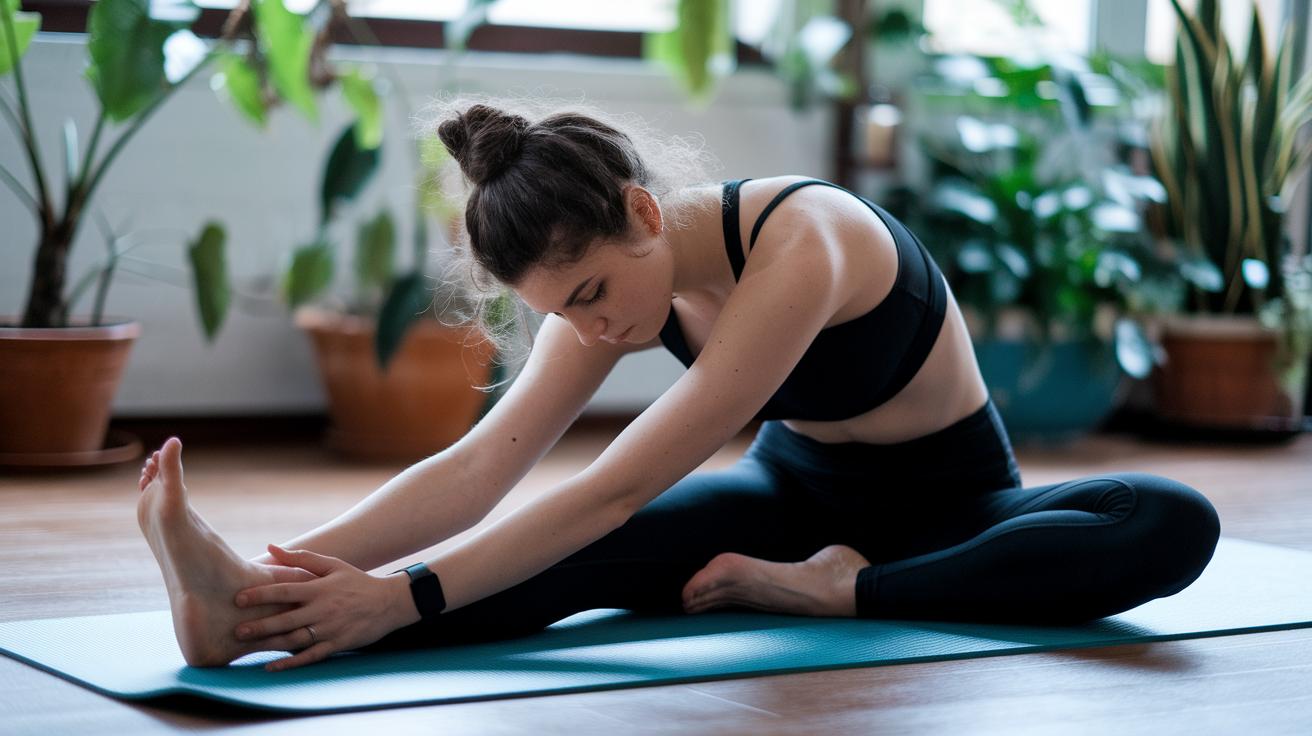
Taking a break is just as important as hitting the gym. Rest days and active recovery keep your body happy and help you avoid overworking it. Try a few gentle stretches, a bit of foam rolling, or even a light yoga session after your workout. For example, after a brisk walk, spend about 10 minutes doing simple stretches. Imagine the soothing feeling as your muscles relax and cool down, it's a little reward that helps your body repair and prepare for the next session.
When it comes to weight loss, aim for a steady pace of around 0.5 to 2 lbs each week. Combining exercise with smart food choices is key. Fill your plate with lean proteins, whole grains, and plenty of vegetables to give your body the fuel it needs. Think of a balanced meal like grilled fish with brown rice and steamed broccoli, it not only satisfies your appetite but also helps your muscles recover after a tough workout.
Don’t forget to stay hydrated. Drinking water before and after exercise supports your energy levels and aids recovery. A light snack, like a small apple with a few almonds, can give you that extra boost to power through your routine and bounce back quickly.
Final Words
In the action, we explored how a mix of cardio and strength can spark fat burn and support lean muscle building. We broke down weekly plans, from steady cardio to HIIT sessions, and shared tips on modifying workouts for lasting results. You also found guidance on rest, recovery, and smart nutrition to back your exercise plan. With these exercise routines for weight loss, you're set to create a balanced, active lifestyle. Keep taking those small steps, each one brings you closer to a healthier, happier life.
FAQ
What are some free exercise routines for weight loss?
The free exercise routines for weight loss combine cardio and strength moves like brisk walking, HIIT, and bodyweight drills, helping burn calories and build lean muscle without extra costs.
What workout plan works best for weight loss for females?
The workout plan for weight loss female blends cardio with strength training. It includes steady-state sessions, HIIT intervals, and targeted resistance exercises to boost fat burn and build muscle tone.
Which exercise burns the most belly fat?
The exercise that burns the most belly fat typically mixes high-intensity interval training with steady-state cardio, which boosts calorie burn and helps reduce fat around the midsection.
How can I lose weight in 7 days through exercise?
The plan for losing weight in 7 days involves daily cardio, circuit routines, and HIIT sessions that kickstart metabolism and fat burning, though lasting results need continued effort.
What are effective at-home workouts for weight loss?
The workouts to lose weight at home use bodyweight moves like squats, push-ups, and HIIT routines along with yoga, making calorie burning and strength training accessible without equipment.
What does the 30/30/30 method for losing fat involve?
The 30/30/30 method for losing fat features 30 minutes of cardio, 30 minutes of strength training, and 30 minutes of recovery or flexibility work for a balanced, fat-burning routine.
What is the 3-3-3 rule in the gym?
The 3-3-3 rule in the gym means performing three sets of three different exercises that target major muscle groups, supporting balanced training and overall body conditioning.
What are examples of high-intensity interval training exercises?
The high-intensity interval training exercises include bursts of moves like burpees, sprints, and jump squats, alternating with recovery periods to maximize calorie burn.
How do burpees, deadlifts, and lunges support weight loss?
The burpee, deadlift, and lunge support weight loss by working multiple muscle groups, combining resistance and cardio benefits to enhance overall calorie burn and muscle building.
How can aerobics and Pilates be used in weight-loss routines?
The integration of aerobics and Pilates boosts cardiovascular fitness, flexibility, and core strength while complementing other strength and cardio workouts for effective weight loss.