Have you ever wondered if fat could be your body's secret helper? While many see fats as the villains of every meal, some actually work wonders for you. Healthy fats in olive oil or avocados give your heart a boost and keep your energy steady throughout the day.
In this chat, we'll explore how these good fats work in your diet. A few small swaps might bring a big burst of well-being to your everyday meals. Ready to see these friendly fats in a whole new light?
healthy fats Explained: Definitions, Types, and Their Role in Nutrition
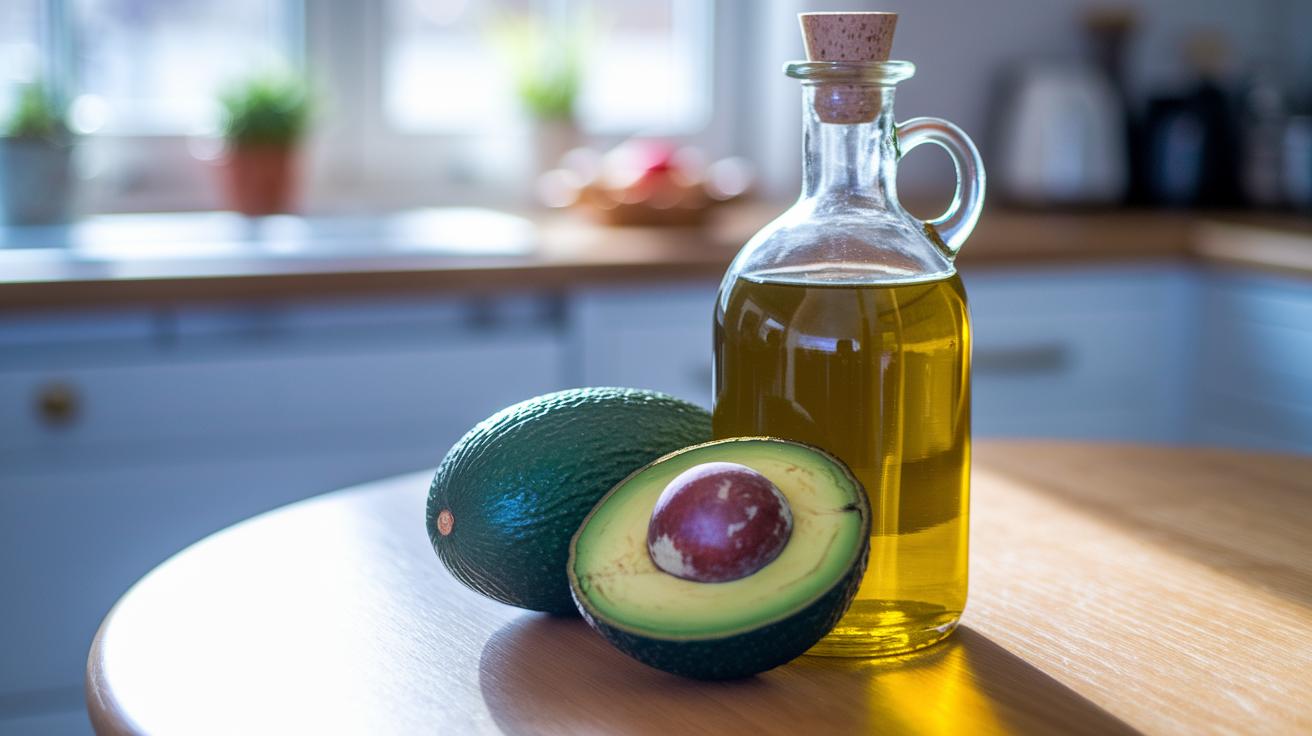
Fats are an important part of our diet. They give us energy and help our bodies absorb vitamins like A, D, E, and K. There are four main types of fats: monounsaturated, polyunsaturated, saturated, and trans fats. The first two, monounsaturated and polyunsaturated, are the ones we call healthy. Think of olive oil or avocados; they contain these good fats that help keep you feeling well. Including them in your meals is a simple way to achieve a balanced diet.
Healthy fats also do wonders for your heart while easing inflammation. When you swap out saturated and trans fats for unsaturated options, your body handles cholesterol better. This change can give you more steady energy throughout the day. Imagine using extra virgin olive oil instead of butter in your favorite recipes, it not only adds a fresh taste but also supports your heart’s health.
Using healthy fats in the right amounts can help you keep an eye on your calories without missing out on essential nutrients. Small changes, like a light drizzle of oil instead of heavy cream or choosing a handful of nuts for a snack, can make a big difference over time. For more tips on creating a balanced diet, explore recipes and meal plans that highlight unsaturated fats and mindful eating habits.
Monounsaturated and Polyunsaturated healthy fats: Key Types and Benefits
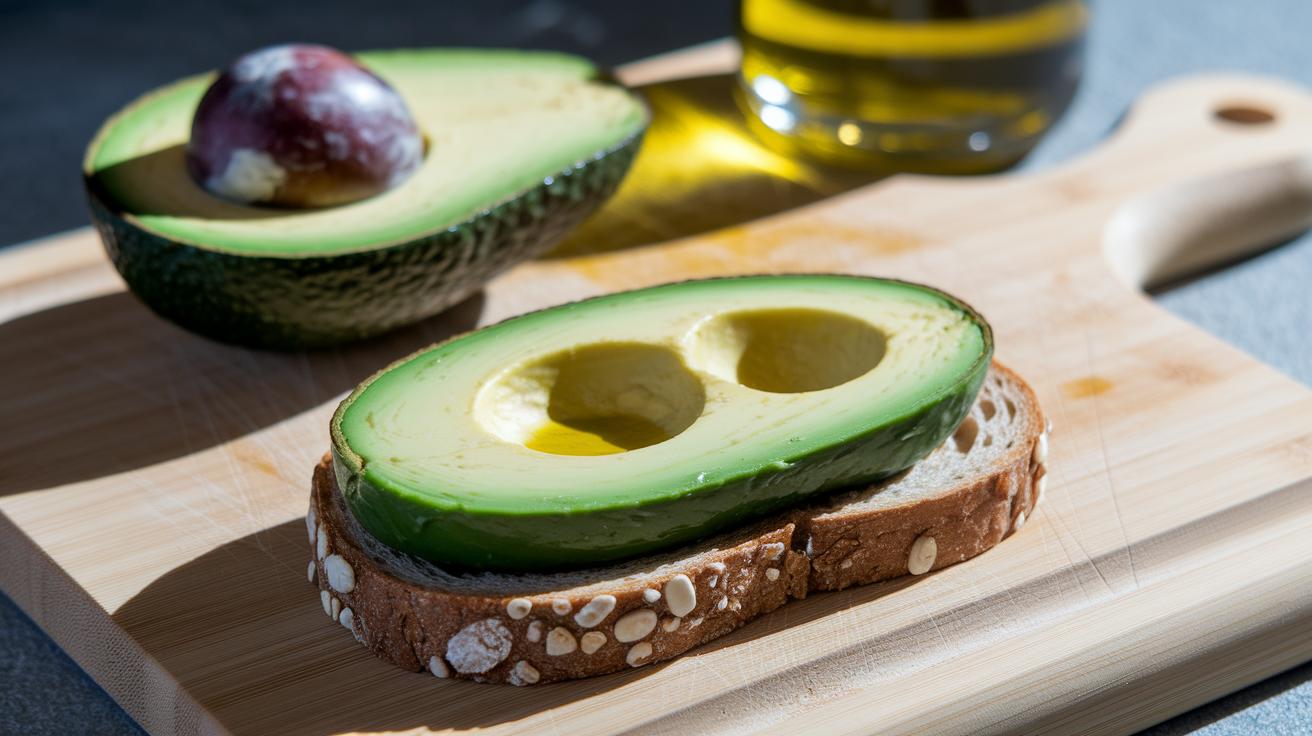
Monounsaturated fats are little powerhouses that you can find in everyday foods like extra virgin olive oil, avocados, and many nuts. They come packed with oleic acid, which supports a healthy heart, along with vitamin E and magnesium. Imagine slicing a ripe avocado onto your whole-grain toast; its creamy texture not only tastes great but also gives you key nutrients that help calm inflammation and support smooth blood flow.
Polyunsaturated fats add their own special boost with omega-3 fatty acids and alpha-linolenic acid (a type of healthy fat that your body loves). You get these fats from fatty fish such as salmon, mackerel, and sardines, as well as from plant sources like chia seeds and flaxseed oil. Essentially, they help keep your heart strong and reduce inflammation. Picture drizzling a bit of flaxseed oil over a fresh salad, adding a light, nourishing touch to your meal.
Top Food Sources of healthy fats
-
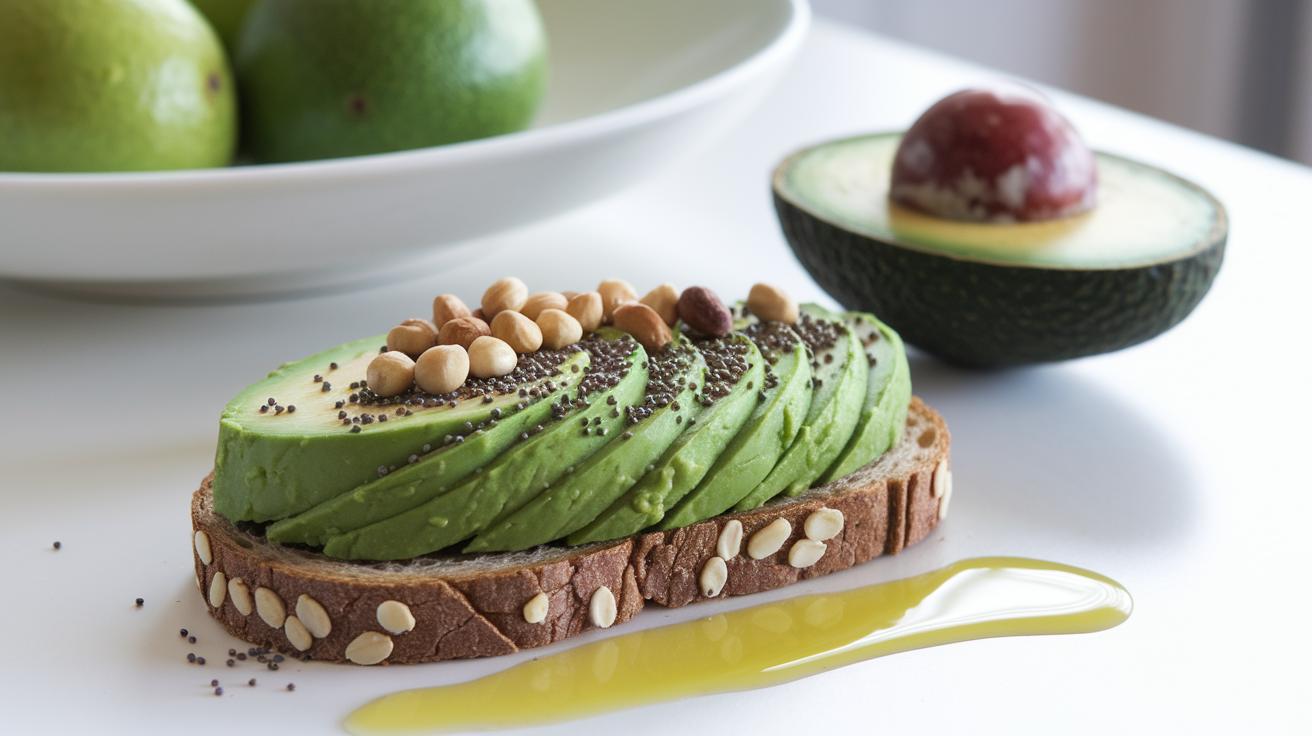
Avocados are a creamy fruit loaded with healthy fats. They have rich monounsaturated fats that help keep your heart in good shape and make it easier for your body to absorb vitamins. Just imagine slicing a smooth, ripe avocado onto a piece of crunchy whole-grain toast.
-
Extra virgin olive oil brings a burst of flavor along with a dose of oleic acid, which supports your heart and helps calm inflammation. A little drizzle over your steamed vegetables can turn a simple dish into something special.
-
Nuts like almonds, walnuts, and cashews are little powerhouses of nutrition. They pack vitamin E and magnesium, adding a satisfying crunch whether you mix them into your breakfast cereal or enjoy them as a snack.
-
Chia seeds pack about 11 grams of fat per ounce and are bursting with omega-3 fatty acids, which support a healthy heart and ease inflammation. Sprinkle them into your yogurt or blend them into a smoothie for a simple nutritional boost.
-
Dark chocolate, where roughly 65% of its calories come from fats, offers a sweet way to enjoy antioxidants while supporting heart health. It’s a treat you can enjoy in moderation to satisfy your sweet tooth.
-
Whole eggs provide a balanced mix of protein and fats that won’t spike your cholesterol. They’re a smart, nutrient-rich food that helps keep your energy steady throughout the day.
-
Full-fat yogurt is more than just a creamy delight. This dairy option brings beneficial fats together with protein, calcium, and probiotics to aid your digestive health and taste great.
-
Fatty fish such as salmon, trout, and sardines are superb sources of omega-3 fatty acids. These fats work to support your heart and reduce inflammation, making a delicious meal even healthier.
-
Cheese offers both beneficial fats and high-quality protein. It’s a versatile dairy choice that can be added to a range of dishes for extra flavor and nutrition.
-
Flaxseed oil is rich in alpha-linolenic acid, a type of healthy fat that boosts a good lipid profile. Drizzle it over a salad or stir it into a smoothie to easily add a nutritional punch to your day.
Comparing Healthy Fats and Unhealthy Fats: Nutritional Impact
Recent research shows that small changes in the types of fats you eat can really affect your cholesterol levels. A study in 2017 found that swapping just 5% of your calories from saturated fats with monounsaturated fats dropped bad (LDL) cholesterol by almost 10%. Imagine switching out butter for olive oil in one meal and giving your heart a little boost.
This science tells us that everyday food choices matter. Try swapping out butter or heavy cream for options like extra virgin olive oil or mashed avocado. One neat idea is to skip the deep-fried foods and instead make a quick sauté with olive oil and fresh herbs. Little daily tweaks can help keep your heart happy and healthy.
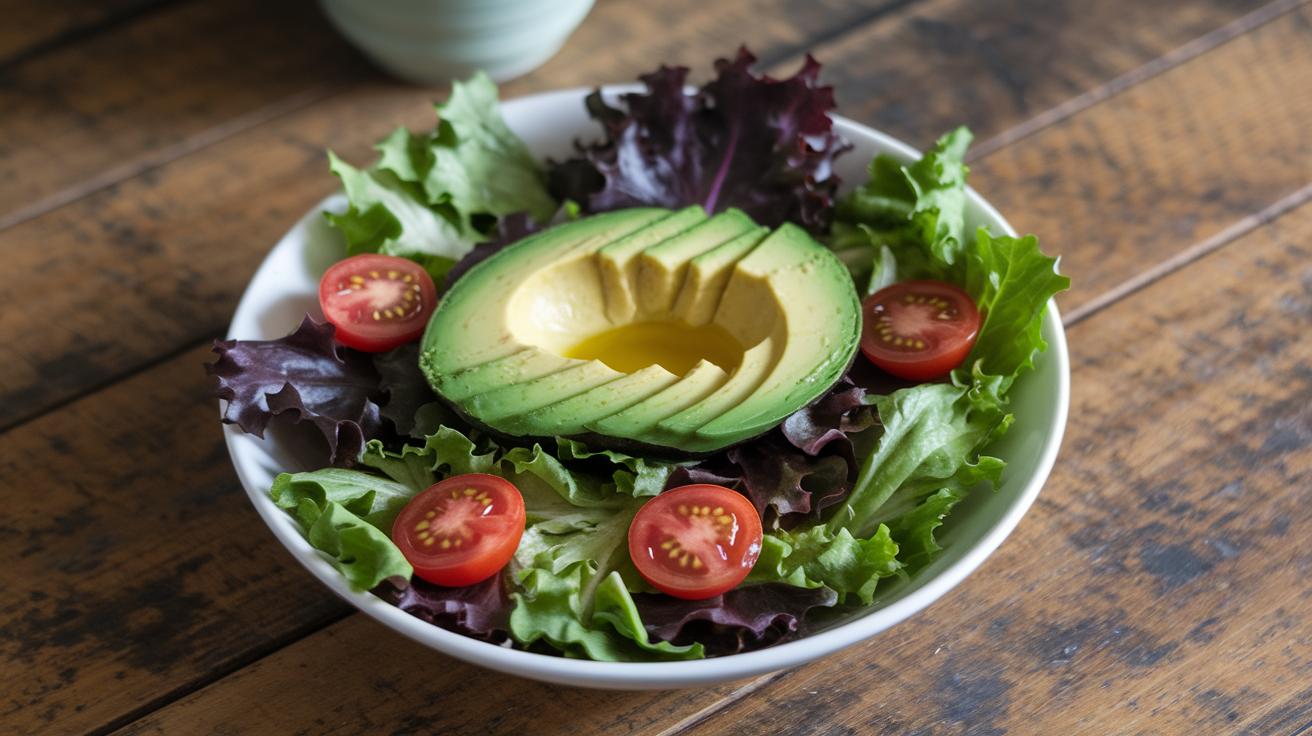
It can also be fun to try new recipes that use these better fats. For example, you might make a salad with crisp mixed greens, creamy avocado, juicy tomatoes, and a simple lemon and olive oil dressing. Check out this handy guide for common fat swaps:
| Unhealthy Option | Healthier Swap |
|---|---|
| Butter | Extra Virgin Olive Oil |
| Fatty Meats | Lean Proteins (chicken, turkey) |
| Cream-based Sauces | Avocado or Greek Yogurt |
healthy fats: Fuel a Radiant Diet
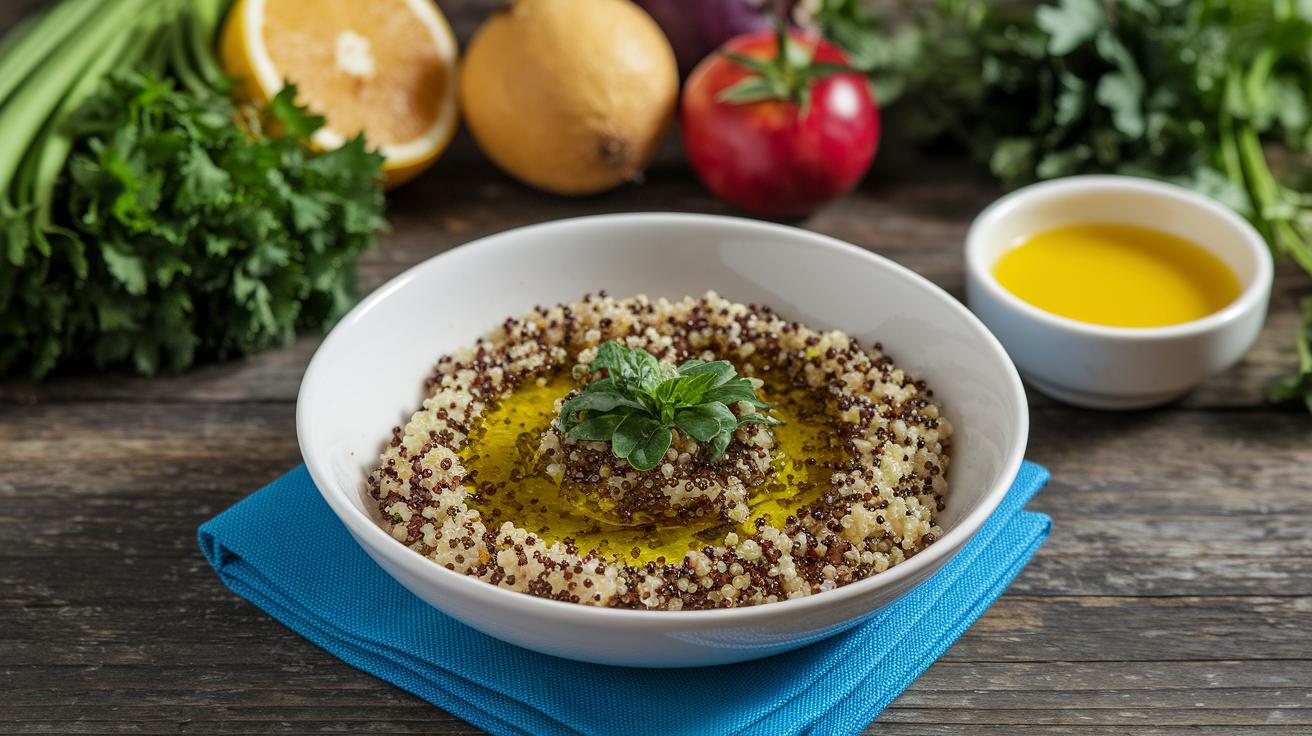
Dive into new flavors by mixing up your meals with worldly recipes that celebrate healthy fats. Picture a Mediterranean quinoa bowl tossed with extra virgin olive oil, fresh herbs, and a few sesame seeds for a satisfying crunch. Or try a Thai-style salad drizzled lightly with a peanut dressing that brings both creaminess and a hint of spice. One fun idea is to blend a ripe avocado, some cilantro, a splash of lime juice, and a teaspoon of olive oil to create a zesty avocado-cilantro dressing that really livens up your dish. These creative recipes not only break the routine but also let you see how different cultures make healthy fats taste incredible.
Next, think about planning your meals in a fresh new way. Instead of repeating the same ideas, why not set up themed days? One day might be all about omega-3 rich dishes featuring fish and a bit of flaxseed oil, while another day could explore tropical flavors with a light coconut oil stir-fry. Keep things balanced by measuring your portions, about 1 tablespoon of oil or 1 ounce of nuts per meal works great. Take a moment each week to notice how these international recipes affect your energy and mood. This simple approach can help you put together a balanced, exciting menu that makes healthy eating feel like an adventure.
healthy fats in Specialized Diets and Health Goals
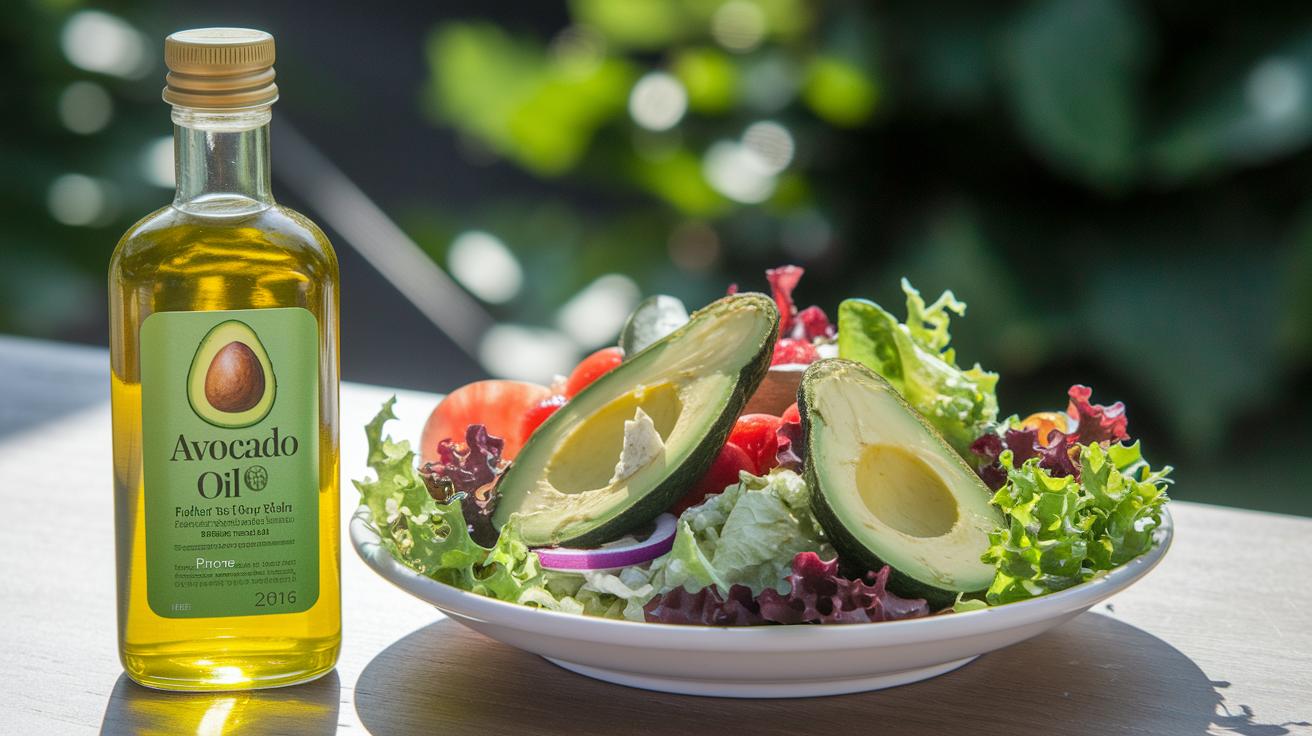
Low-carb and ketogenic diets need you to choose your fats wisely so you have steady energy without too many carbohydrates. Oils like coconut oil, MCT oil, and avocado oil are favorites because they give you quick energy without making your blood sugar spike. Imagine drizzling a little avocado oil over your salad or stirring a bit of coconut oil into your morning coffee. This way, you balance your energy and calories, keeping you full and geared up for the day.
If you follow a plant-based diet, you can get healthy fats from nuts, seeds, and plant oils. These foods offer a blend of omega-3 and omega-6 fats (which are important fats that help different parts of your body function well). A good rule of thumb is to let fats make up about 20 to 35 percent of your total daily calories. When you keep your portions moderate, like a tablespoon of seed oil or a small handful of nuts, you add quality fats to your meals without piling on the calories. These simple ideas help you meet your energy needs and manage weight while filling your body with nourishing fats.
Final Words
In the action, the post outlined the importance of switching to unsaturated options and balanced meal ideas like avocado toast and yogurt bowls. It covered different fats, compared their effects on our health, and shared simple tips for meal planning.
Clear examples and portion ideas make it easy to see how each choice can boost overall well-being. Enjoy the benefits that come with healthy fats and practical nutrition choices. Every small change adds up to a more energized and positive day.
FAQ
What foods are classified as healthy fats?
The term healthy fats food refers to nutrient-dense options like avocados, olive oil, nuts, fatty fish, and seeds that provide essential fatty acids and support heart health.
How do healthy fats support both weight loss and weight gain?
The idea of healthy fats for weight loss and weight gain hinges on using unsaturated fats. They boost satiety and energy intake when balanced correctly within your overall calorie needs.
What role do healthy fats play for women’s nutrition?
The mention of healthy fats for women highlights that these fats support hormone balance and heart health, offering essential energy while aiding vitamin absorption for overall wellness.
What distinguishes unhealthy fats from healthy fats?
The phrase unhealthy fats contrasts with healthy fats by referring to options that raise bad cholesterol levels, such as trans and saturated fats, which may increase inflammation and heart risks.
What are the benefits of including healthy fats in my diet?
The benefits of healthy fats include improved heart health, reduced inflammation, better vitamin absorption, and sustained energy levels, making them a key part of a balanced daily diet.
What are 15 sources of good fats and what makes each good?
The list includes avocados, extra virgin olive oil, almonds, walnuts, chia seeds, flaxseed oil, fatty fish, eggs, full-fat yogurt, cheese, pumpkin seeds, sunflower seeds, coconut oil, MCT oil, and tofu, each offering unique nutrients for body support.
Are eggs considered a fatty food?
The idea that eggs are a fatty food is partially true, as they contain cholesterol and fats, but most people find eggs are balanced, nutrient-rich foods that contribute protein without harmful fat levels.
What amount of fat should I eat daily?
The suggestion of daily fat intake depends on overall calories; typically, fats should make up about 20–35% of total calories, ensuring enough healthy lipids for energy and vitamin absorption.
What makes a high-fat breakfast healthy?
A healthy breakfast high-fat option might include avocado on whole-grain toast, smoothies with nut butter, or yogurt topped with seeds, offering balanced healthy fats and essential nutrients to start your day.