Have you ever thought that your meals might change how you feel every day? The Ayurvedic diet is an idea that dates back more than 5,000 years. It shows you how mixing the right foods with your body’s natural energy can lift your mood.
It’s a bit like watching a chef pick the perfect spice for a dish. When you match your food to your unique body type, sometimes called your dosha (which is a way to understand your natural energy), you might feel more energized and enjoy smooth digestion.
This old wisdom meets simple, everyday eating to help brighten your healthy lifestyle.
Ayurvedic Diet Fundamentals for Balanced Health
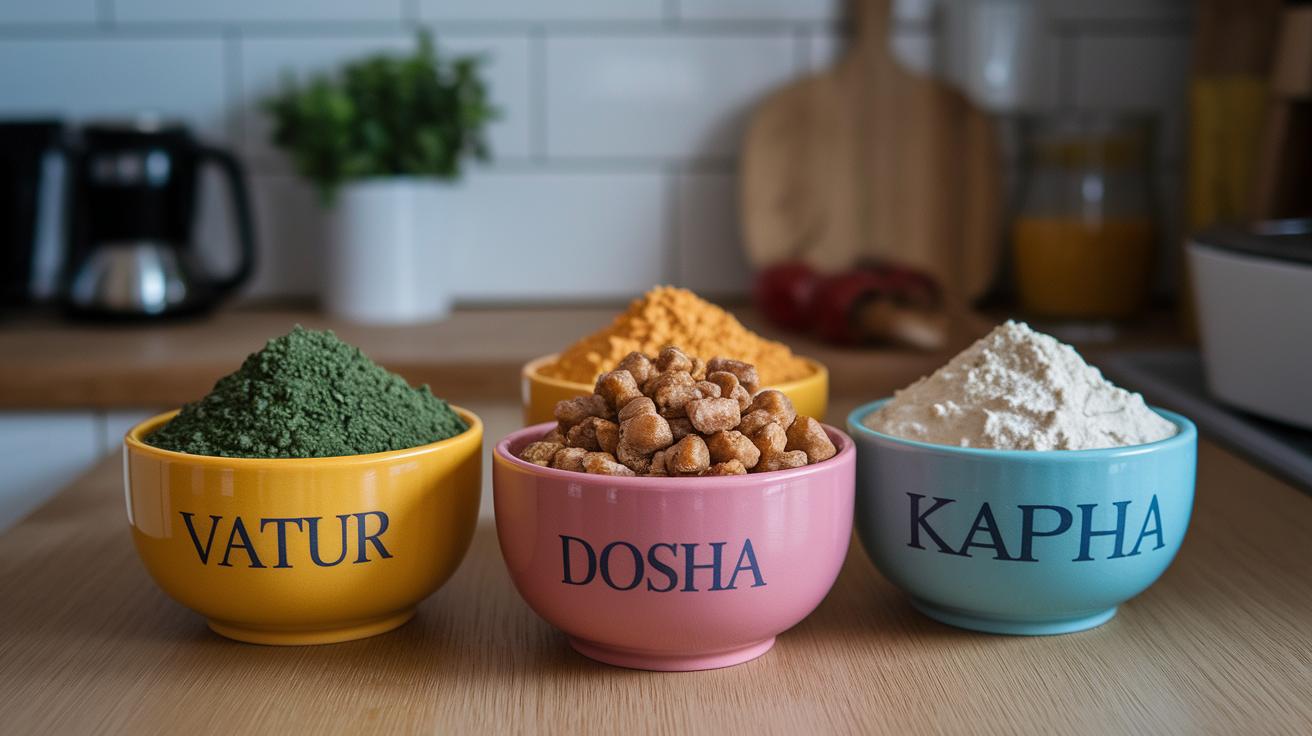
Ayurveda is an ancient nutritional approach that has been around for over 5,000 years. It looks at the body by exploring three primary energies called doshas. Each person is born with a unique mix known as Prakruti, which acts as a personal guide for what to eat and how to live for a balanced life. Imagine discovering your body's secret recipe for nutrition, just like a chef who knows exactly which spice makes a dish perfect.
Tailoring your diet to match your dosha helps set up a balanced way of eating. Each dosha benefits from certain foods that help with digestion, boost energy, and promote overall wellness. Let’s break them down: Vata is connected with air and space and is usually cold, dry, and a bit unpredictable. Pitta combines fire and water, making it feel hot, intense, and sharp. Meanwhile, Kapha, influenced by earth and water, is heavy, slow, and reliable.
When you use Ayurvedic ideas to guide your meals, you’re choosing foods that support both your body and mind. Even a small change, like enjoying a warm, comforting dish or a light, refreshing salad, can really help smooth digestion and improve energy flow.
| Dosha | Elements | Key Qualities |
|---|---|---|
| Vata | Air & Space | Cold, Dry, Irregular |
| Pitta | Fire & Water | Hot, Intense, Sharp |
| Kapha | Earth & Water | Heavy, Slow, Steady |
Ayurvedic Diet Dosha-Specific Guidelines
Vata Guidelines
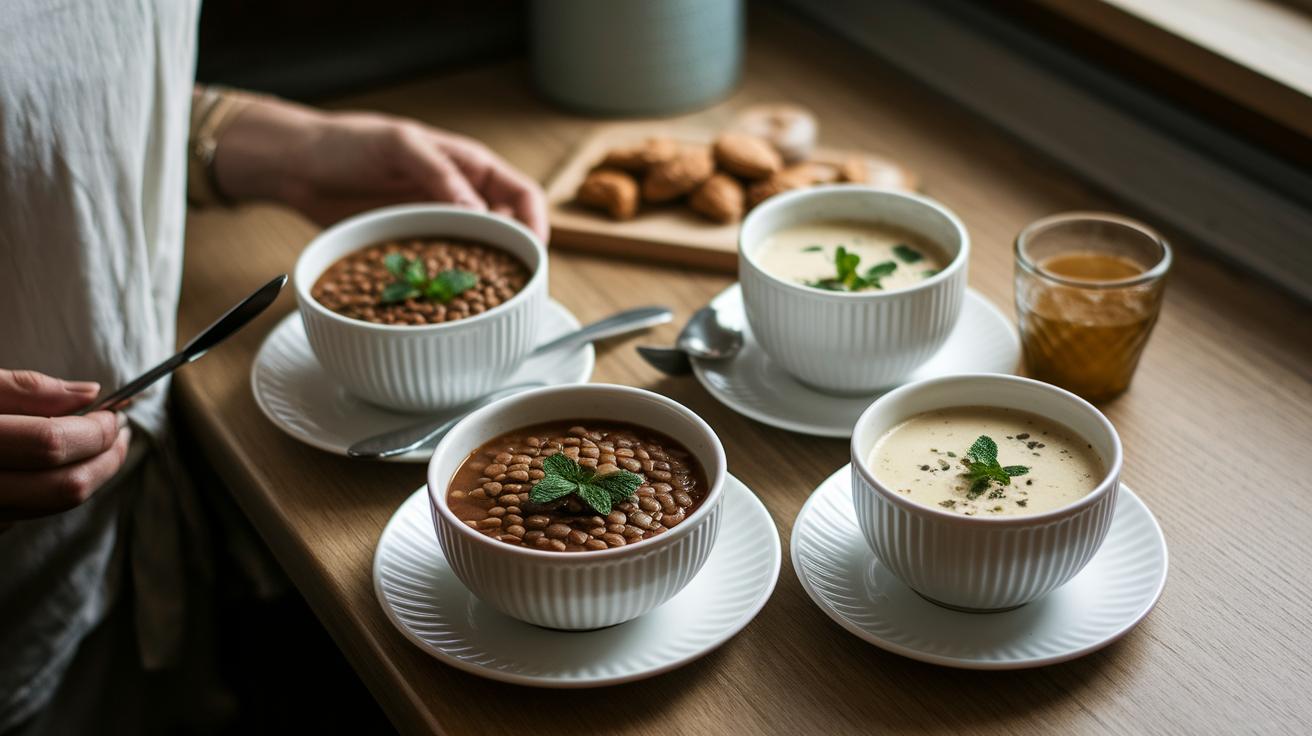
If you have a Vata type, you'll feel best with warm, comforting meals that help settle your body and mind. Think of cozy dishes like hearty stews and freshly baked breads that are friendly on digestion. Imagine a warm bowl of lentil stew on a cool day, paired with a soothing cup of hot herbal tea or warm milk. Meals with a richer texture help calm Vata’s naturally jumpy energy. In this plan, we set aside cold foods like salads or iced drinks. Adding spices like ginger or cardamom brings a gentle warmth, almost like wrapping yourself in a soft blanket on a chilly morning. Little, mindful shifts like these can really brighten your healthy lifestyle.
Pitta Guidelines
For those with a Pitta makeup, cool and refreshing foods work wonders by keeping your inner fire balanced. Enjoy lightly dressed salads, a glass of cooling milk, or even a small bowl of ice cream on a sunny day to help calm things down. Imagine a refreshing cup of mint tea, offering a mini break for your taste buds. It helps to avoid overly spicy, oily, or caffeinated options that might overstimulate your already busy digestion. Keeping portions small and using natural ingredients can ward off energy spikes. These seasonal tips are a gentle way to stay balanced, even when the weather heats up.
Kapha Guidelines
If you're a Kapha type, lighter, energizing meals are the way to go for keeping your energy peppy. Picture warm steamed vegetables mixed with crisp, fresh fruits, seasoned with spices like cumin, fenugreek, and turmeric. This mix helps cut through the usual heaviness and boosts your vitality. Cutting down on sweet, fatty, or heavy fried foods can bring a refreshing balance to your day. Even a light bowl of soup in the afternoon can offer a burst of freshness, waking up your senses. A few small, vibrant tweaks can revitalize your digestion and keep you aligned with your Ayurvedic diet.
Integrating the Ayurvedic Diet into Daily Meal Planning

When planning your meals each day, the Ayurvedic Diet encourages you to choose whole foods that match your own body type. For example, if you have qualities similar to Vata, you might begin your day with a warm bowl of Smoked Aubergine Soup. This dish offers a hearty texture that comforts your body and sets a calm mood for the day. If you tend to be more Pitta, you could enjoy a plate of Dal Shorba with Vegetable Curry. Imagine a light bowl of Dal Shorba in the afternoon, its gentle spices cooling your natural heat.
For those whose body type leans toward Kapha, consider a lunch featuring Lemon Coriander Soup with a side of Brown Rice Khichdi. These options emphasize fresh fruits, vegetables, grains, and legumes that help keep your body light and balanced. You can tweak the ingredients and portions to match your needs, making every meal a step toward balance.
Mindful cooking plays a big role in this diet. Picture yourself stirring a vegetable curry and taking a moment to enjoy the aroma of cumin and turmeric. Over the week, try rotating different recipes tailored for your dosha. This way, you build a collection of whole food recipes that keeps your menu varied yet personal, making your journey to healthy living more enjoyable.
Ayurvedic Diet Weeklong Meal Schedule Example
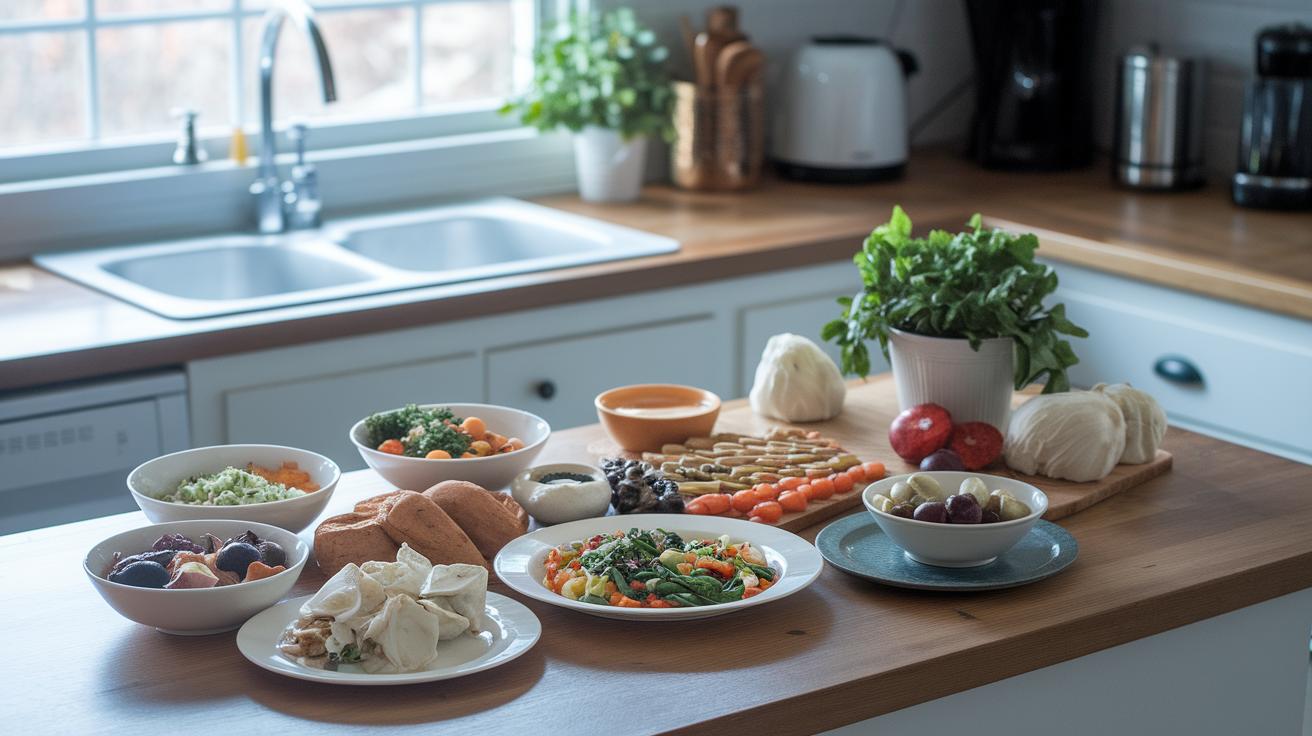
This meal plan gives you a clear week-long roadmap that matches your meals to your body's unique needs. Every day starts with a warm breakfast that comforts you, followed by a light and cooling lunch, and ends with a dinner that sparks your energy. Picture waking up to a bowl of warm oatmeal mixed with spices and crunchy nuts. For lunch, try a refreshing vegetable soup or a crisp salad loaded with seasonal veggies to keep your tummy happy. And when dinner rolls around, enjoy a mix of flavors that help balance your body – whether it's a hearty stew for Vata, a cooling mint dish for Pitta, or a light, spiced quinoa bowl for Kapha.
Planning your week ahead in this way not only makes your meals easy to choose, it also helps you cook mindfully and enjoy a variety of flavors. You can mix up recipes, swap ingredients, and fully embrace the Ayurvedic way of eating that supports both your body and your mind. Here’s a simple table to guide you:
| Day | Breakfast Focus | Lunch Focus | Dinner Focus |
|---|---|---|---|
| Monday | Warm spiced oatmeal | Light vegetable broth | Smoked Aubergine Soup |
| Tuesday | Steamed millet porridge | Mixed greens salad | Dal Shorba with Curry |
| Wednesday | Rice pudding with nuts | Chilled cucumber soup | Lemon Coriander Soup |
| Thursday | Warm quinoa bowl | Light lentil salad | Vegetable Khichdi |
| Friday | Ginger-infused porridge | Steamed veggie medley | Herbed vegetable stew |
| Saturday | Spiced buckwheat cereal | Fresh tomato gazpacho | Minty Chickpea Curry |
| Sunday | Warm barley cereal | Light quinoa salad | Brown Rice Khichdi |
Ayurvedic Diet Lifestyle and Digestive Support Tips

If you're already into mindful eating, you might try a few extra steps that really make a difference. One person I know started a quiet food journal and soon noticed little changes in her energy and how her tummy felt. She explained that sipping a warm cup of ginger tea while taking a moment to breathe slowly helped her enjoy her spices even more. Imagine sitting after a meal, quietly noticing the aroma of your tea, it's a little moment just for you.
You can add these simple ideas to your daily routine:
- Write down how you feel after each meal and note how different herbs might change your mood.
- Try mixing spices in new ways, like adding ginger with a pinch of black pepper to help your digestion.
- Enjoy a short, mindful break right after eating; even a routine cup of herbal tea can become a calming ritual.
One friend said, "I started paying attention to small details, like the gentle warmth of a mild broth during a quiet moment, and it felt like a mini reset for my body." These little tips build on what you already know about mindful eating, giving you extra tools to fine-tune your lifestyle.
Ayurvedic Diet Potential Benefits and Considerations

Adopting an Ayurvedic diet can help improve your digestion, keep your energy levels steady, sharpen your focus, and manage your weight. Our Ayurveda Fundamentals, Dosha-Specific Guidelines, and Lifestyle Tips sections are full of tips on how to enjoy these benefits.
For example, when we discuss having steady energy, one section explains how choosing whole foods and balanced meals helps you feel naturally energized all day. Imagine waking up with a breakfast that gently boosts your energy in a really natural way.
We also offer friendly advice on how to pick ingredients that suit your body’s unique needs, so you can create meals that feel just right without any extra stress.
Modern Adaptations of the Ayurvedic Diet

Modern kitchens can join in on Ayurvedic methods using everyday ingredients and fresh, local produce. Have you ever tried swapping out regular grains for sweet potatoes to create a comforting base for your meals? This idea is all about planning your grocery list around seasonal, ethically sourced items, which makes your meals healthy and good for the planet. It’s like giving your pantry a little refresh with foods that care for both you and the Earth.
Creative recipes are the fun part of this approach. Imagine a smoothie mixed with fresh mint and basil or a hearty bowl of quinoa, roasted veggies, and a sprinkle of turmeric. These dishes mix ancient Ayurvedic wisdom with modern flavors, offering a delightful twist while staying true to the method’s roots.
With a few simple swaps and smart meal planning, everyday cooking becomes a joyful journey toward healthy living. Think about using locally grown leafy greens in the summer to keep your meals balanced all year long. Experimenting in the kitchen with these ideas can turn every meal into an opportunity to enjoy mindful, modern nourishment.
Final Words
In the action, the article shows practical ideas on how to blend ancient wellness with modern meals. It covers the basics of the ayurvedic diet and explains how different food choices match our unique body energies.
It also shares ways to set up a weeklong meal plan and tips for mindful eating. Focus on balanced nutrition and stress relief helps support lasting good health. Enjoy adapting these ideas into your daily routine and feel more lively each day!
FAQ
What is an Ayurvedic diet book?
The Ayurvedic diet book explains the ancient nutrition system by aligning meals to your unique body energies. It offers insights, easy meal ideas, and tips for balanced eating.
What is a 7-day Ayurvedic meal plan and where can I find a plan PDF?
The 7-day Ayurvedic meal plan outlines daily, balanced meals tailored to different doshas. Many downloadable PDFs provide clear recipes and guidelines to adopt dosha-based nutrition at home.
What is an Ayurvedic diet test or dosha test?
The Ayurvedic diet test, often called a dosha test, helps determine your unique body energy makeup. It guides personalized food choices so you can balance digestion and boost overall energy.
What is Ayurvedic diet for beginners?
The Ayurvedic diet for beginners breaks down dosha-based eating into simple steps. It offers clear meal tips, easy recipes, and practical guidance to help you start eating in a balanced way.
What is included in an Ayurvedic diet food list?
The Ayurvedic diet food list features recommended whole foods, spices, and ingredients organized by dosha. It helps you choose items that support good digestion, maintain energy levels, and promote balance.
What are Ayurvedic diet recipes?
The Ayurvedic diet recipes are dishes crafted according to dosha principles using fresh, whole ingredients. They promote proper digestion, steady energy, and a satisfying eating experience.
What is an example of an Ayurvedic diet?
The example of an Ayurvedic diet might include a warm breakfast, a dosha-aligned lunch, and a light dinner. Each meal is designed to suit your body energy and support steady digestion.
What is the 80/20 rule in Ayurveda?
The 80/20 rule in Ayurveda means eating mostly whole, dosha-balancing foods 80% of the time while occasionally enjoying less strict options. This flexible approach supports overall health.
What are the four types of food according to Ayurveda?
The four types of food in Ayurveda refer to tastes like sweet, sour, salty, and bitter. Including these tastes in balance helps harmonize your body energies and supports overall well-being.
What is the best breakfast for Ayurveda?
The best breakfast for Ayurveda is a warm, grounding meal such as spiced oatmeal or stewed fruit. This type of breakfast supports digestion and provides comforting energy to start the day.