Do you ever feel overwhelmed by anxious thoughts? You might be surprised that a few simple moves can bring a spark of calm and joy right when you need it. Even a short moment of deep breathing or a little stretch can give your mind a soothing break.
Imagine if you could reset your day in just a few minutes. Up next, I'll share some easy exercises that quickly ease stress and help you feel more in charge.
Top Anxiety Reduction Exercises for Quick Stress Relief
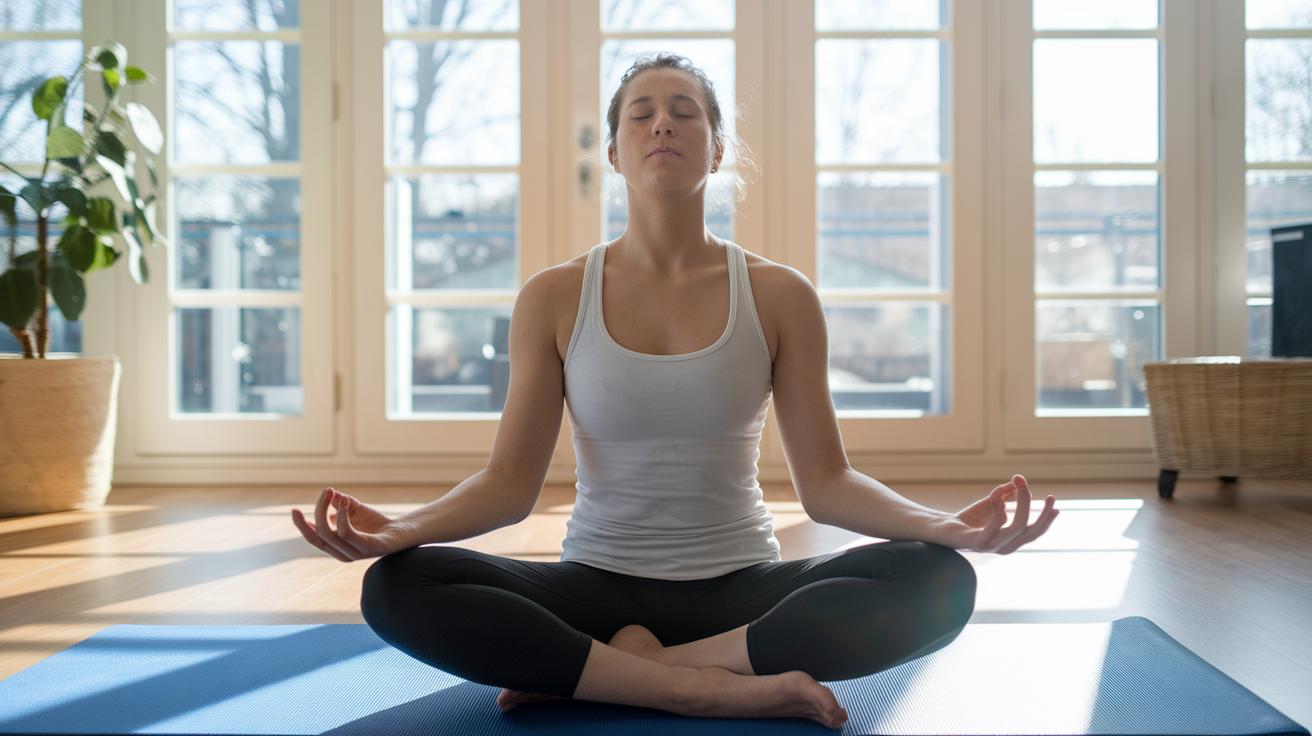
Did you know that many people, from adults to teenagers, deal with constant anxiety? Research tells us that staying active can help ease those worrying feelings. When folks get moving, even with simple exercises, they notice fewer signs of anxiety. It turns out that regular movement can give your mind and body the break they need to feel calmer.
When you exercise, you shift your attention away from anxious thoughts. Your body gets busy, and that helps lower stress. Think of it as hitting the pause button on your worries. Even a few minutes of deep breathing or a gentle walk can give you a quick reset and help you feel more in control.
Here are some easy moves to try:
- Breathing techniques: Take slow, deep breaths to help calm your mind.
- Muscle relaxation: Try tensing and then relaxing your muscles to ease stress.
- Mindfulness meditation: Follow a simple guided session to keep your focus on the here and now.
- Movement practices: Enjoy a little stretch or a short walk to divert your thoughts from worry.
These exercises can ease stress almost immediately, brighten your mood, and help balance your body. They give you a helpful way to manage daily pressures and find moments of peace in a busy day.
Effective Breathing Exercises to Reduce Anxiety
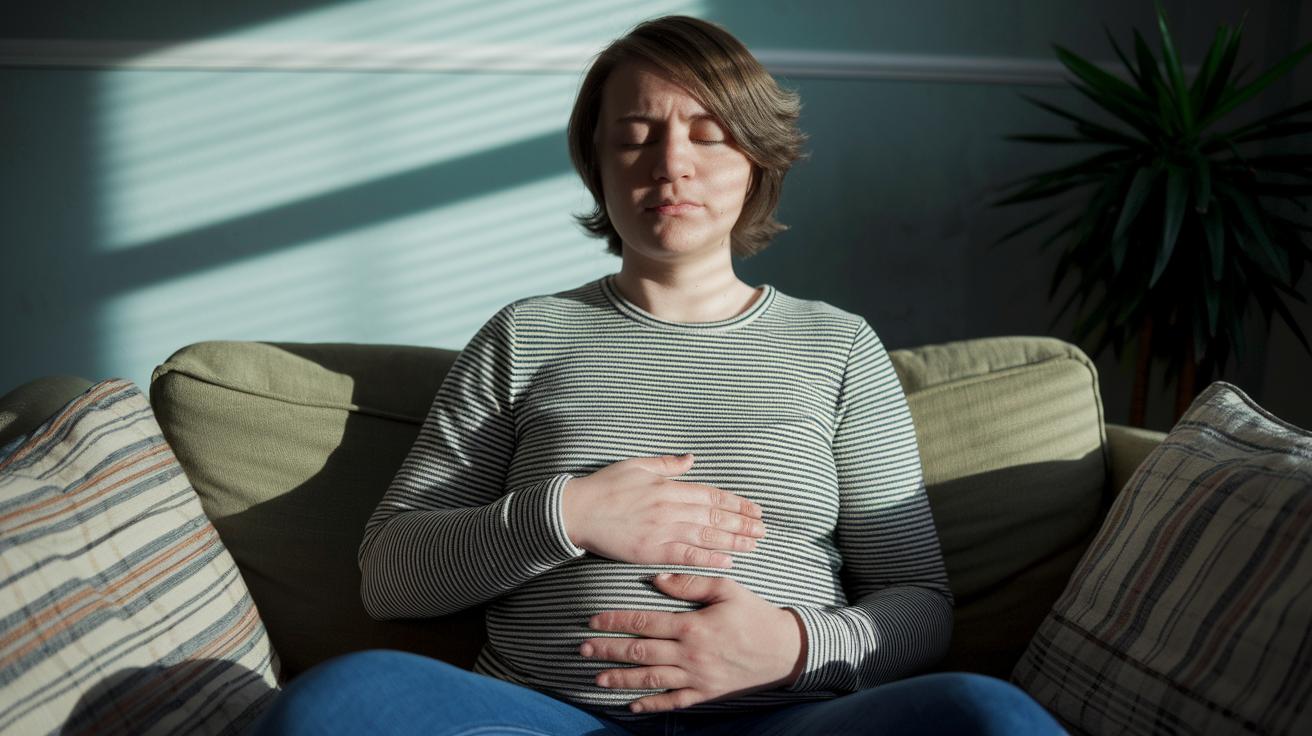
When you're feeling anxious, slow, controlled breathing can help shift your body into a relaxed state. Techniques like 4-7-8 breathing, diaphragmatic breathing, pursed-lip breathing, resonance breathing, and long exhaling all gently guide your nervous system to calm down. When you focus on each breath, you can push aside those racing thoughts and feel more at ease.
- 4-7-8 Breathing: Breathe in through your nose for 4 seconds, hold for 7 seconds, then exhale slowly for 8 seconds. This creates a steady, soothing rhythm that helps reduce stress.
- Diaphragmatic Breathing: Place one hand on your belly and breathe in deeply, letting your hand rise. Pause briefly, then exhale completely. This practice builds a clearer connection between your breath and deep relaxation.
- Pursed-Lip Breathing: Inhale slowly through your nose, then exhale gently through pursed lips, as if you're carefully blowing out a candle. This method makes your breathing more controlled and calm.
- Resonance Breathing: Breathe in and out with equal counts, forming a smooth, balanced pattern. This practice helps steady your heart rate and clear your mind.
- Long-Exhaling Technique: Focus on inhaling gradually and letting the exhale last much longer. Extending the exhale can signal your body to switch to a relaxed mode.
These exercises tap into your body's natural relaxation response. With consistent practice, you might find it easier to transition from feeling stressed to feeling calm. Give them a try and see how focusing on the rhythm of your breath can bring a little more peace into your day.
Progressive Muscle Relaxation Exercises for Anxiety Reduction
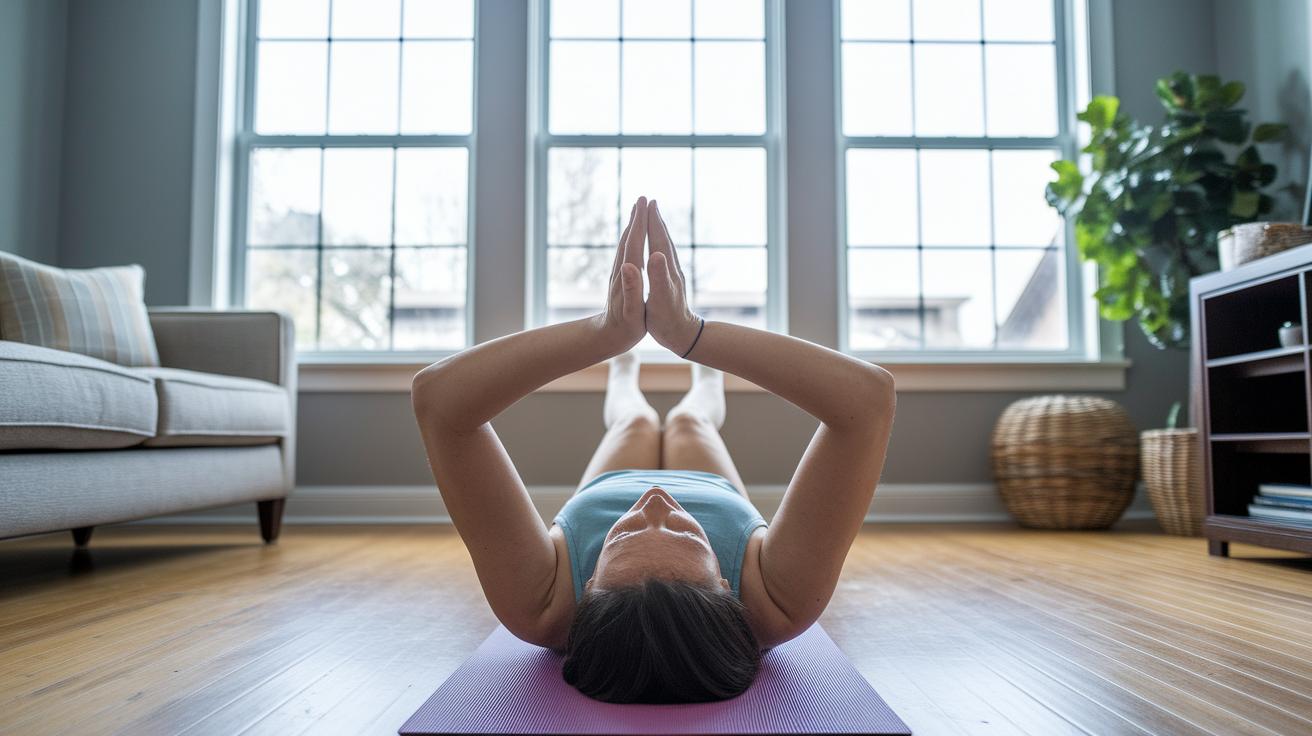
Progressive muscle relaxation is a simple way to ease anxiety by letting your body unwind while your mind takes a break. When you gently tighten a group of muscles and then let them relax, you break the usual cycle of stress that builds up in your body. Start slow and pay attention to the clear difference between being tense and feeling relaxed. Remember to listen to your body, if something feels off, ease up instead of forcing it. Try doing these exercises in a quiet, safe spot so you can focus on each sensation and adjust your effort as needed.
Begin by gently tightening your feet muscles for about five seconds, then relaxing them completely for ten seconds. Next, move slowly upward through your calves, thighs, tummy, chest, and finally your face. This step-by-step journey helps each part of your body feel the calming release it deserves. Keep a steady pace and give every muscle group enough time to move from being tight to relaxed. By focusing on letting go of the tension, you'll start noticing how your body signals you and help melt away the stress.
Aim to practice this routine once or twice a day. With regular sessions, you might notice your heart slowing down, your muscles loosening, and a growing sense of calm and joy as your body learns to relax deeply.
Mindfulness Meditation Practices for Anxiety Reduction
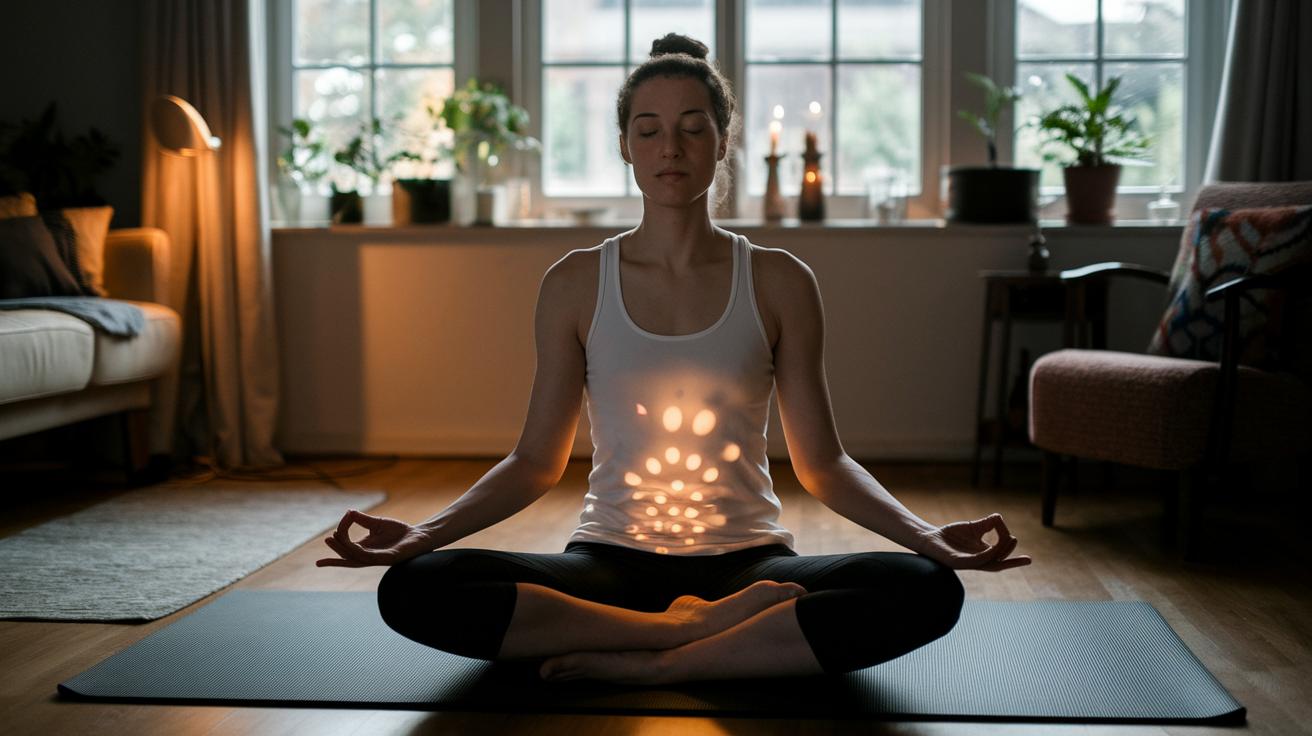
Body Scan Meditation
Sit comfortably with your back straight or lie down on your side. Slowly start with your toes and work your way up to your head, paying attention to each part of your body for about 5 to 15 minutes. Take slow breaths and notice any tension without trying to change it. Picture a warm light gently melting away tightness in your legs and arms.
Guided Imagery Meditation
Close your eyes and take a few deep breaths. Imagine a calm place, like a quiet beach or a peaceful forest. Picture the soft sounds, the lovely colors, and even the gentle smells around you. Stay with this pleasant scene for 5 to 10 minutes. It helps soothe your emotions and ease the stress of the day.
Focused Attention Meditation
Choose something simple to focus on, like the steady rhythm of your breath or a small, calming object. As you concentrate, your mind might wander, this is normal. When it does, gently guide your focus back to your chosen anchor. Try practicing for 3 to 10 minutes in a quiet spot. This gentle focusing can clear your mind and bring a sense of calm when you need it most.
Fit these practices into your routine by setting aside a regular time, whether it’s in the morning or before bed. Taking these few minutes for yourself can gradually fill your day with more calm and a burst of joy.
Movement-Based Anxiety Reduction: Yoga, Tai Chi, and Meditative Walking
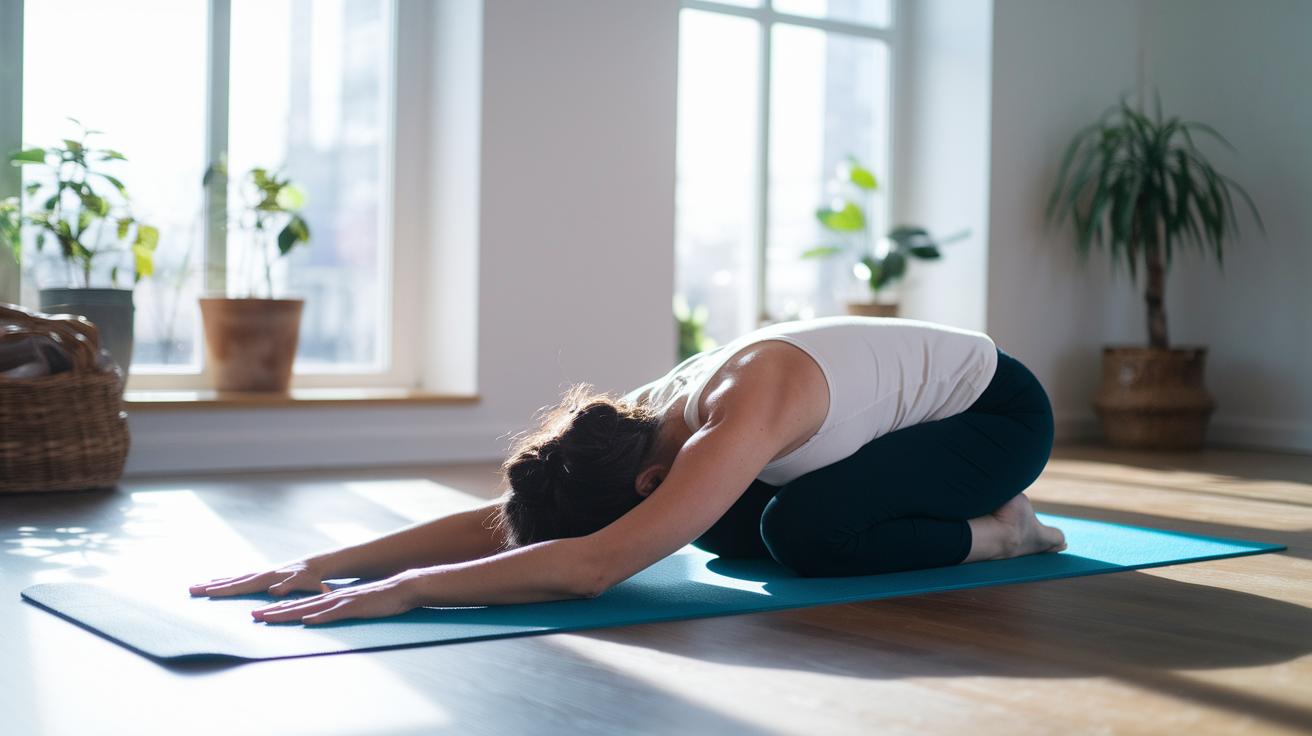
Restorative Yoga Flows
Restorative yoga flows give you a gentle way to soothe anxiety by turning your focus from swirling thoughts to easy, mindful movement. You can start with simple poses like the child's pose, cat-cow, and a seated forward bend. Hold each position for 30 to 60 seconds and take slow, deep breaths as you settle in. In the child's pose, for example, feel your breath guide you into a calm, warming stretch. This practice not only quiets your mind but also gently boosts your flexibility and helps you tune into your body.
Tai Chi Relaxation Sequences
Tai Chi relaxation sequences take you through five calm, deliberate movements that help realign your body and steady your breathing. Begin by standing softly, letting your feet feel connected to the ground. Then ease into movements that let your weight slide smoothly from one foot to the other. Each motion should be slow and controlled, matching your steps with even, calm breaths. This deliberate, slow-motion practice reminds you to move on purpose, easing those anxious thoughts and giving you a steady sense of balance.
Meditative Walking
Meditative walking mixes gentle exercise with a peaceful mindset. As you walk, try to keep your pace even and your posture right; stand tall with relaxed shoulders. Let your steps match your breathing, finding a steady rhythm that leaves you both refreshed and at ease. Walk for 10 to 20 minutes and notice how each step gently shifts your focus away from stress. This mindful movement can clear out mental clutter and fill you with a sense of calm and happiness.
Always keep safety in mind while practicing these exercises. Make sure you have a clear space, begin slowly, and adjust the movements to match how you feel. With regular practice and careful attention to how your body moves, you can build balance, prevent injuries, and create lasting moments of peace.
Building a Daily Anxiety Reduction Routine
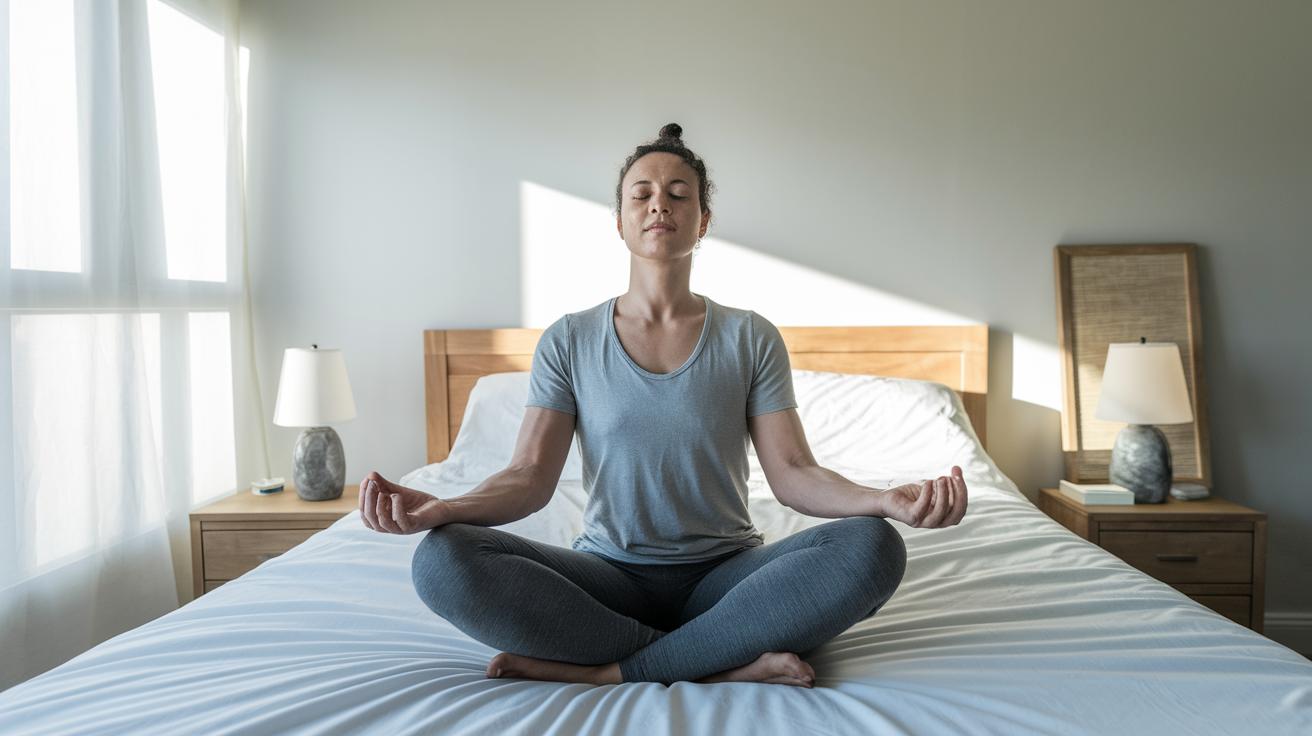
To build a routine that works for you, set aside specific times for each calming exercise. For example, try doing a simple 5-minute breathing exercise when you wake up, breathe in for 4 seconds, hold for 7, and breathe out for 8. Then, wind down with a 10-minute muscle relaxation session before bed and squeeze in a short walk or a few stretches during your breaks. Keeping this routine steady helps your body get used to each calming activity, starting your day by grounding your energy.
Always remember to stay safe while you exercise. Keep a glass of water nearby so you remain hydrated, and check your posture during stretches. If an exercise feels too intense, slow down until it feels comfortable, allowing your body to adjust little by little.
It can be really helpful to track your progress. Use a simple journal or a basic app to jot down how much time you spend on each activity and how you feel afterward. This little habit lets you see what works best and easily tweak your routine to keep it fresh and effective.
Final Words
In the action from top anxiety reduction exercises to mindful breathing, muscle relaxation, and movement practices, we covered a range of ways to lower stress quickly. Breaking routines into bite-sized steps helps you blend simple workout ideas with mindful care. By applying these quick anxiety reduction exercises and other techniques in real-time, you can see small shifts in how you feel every day. Keep trying out these methods and embracing the little wins along the way for a calmer, happier you.
FAQ
What are mental exercises for anxiety and depression?
Mental exercises for anxiety and depression include strategies like mindfulness meditation, guided imagery, and simple relaxation techniques that help calm the mind and ease tension.
What is the best exercise for anxiety and panic attacks?
The best exercise for anxiety and panic attacks often combines light physical activity with mind-body practices, such as brisk walking or yoga, which work to refocus your thoughts and relax muscles.
How can exercise cure anxiety?
Exercise can ease anxiety by releasing endorphins and reducing tension, creating a positive shift in mood and helping you manage anxious feelings more effectively.
Are anxiety exercises available in PDF format?
Anxiety exercises are shared in PDF guides that offer clear, step-by-step instructions, making it easier to learn and practice techniques for reducing stress.
When is the best time to exercise for anxiety relief?
The best time to exercise for anxiety relief is often during the morning or when you feel stressed, as regular physical activity can set a calm tone for the day.
What breathing exercises help during an anxiety attack?
Breathing exercises that help during an anxiety attack include the 4-7-8 method, diaphragmatic breathing, and long-exhale techniques, which work to slow your heartbeat and calm your mind.
What is the 3-3-3 rule for anxiety?
The 3-3-3 rule for anxiety suggests naming 3 things you see, 3 things you hear, and 3 things you can touch, which helps ground you in the moment.
Which exercise reduces anxiety the most?
High-intensity activities like brisk walking, cycling, or yoga are among the exercises that reduce anxiety the most by lowering stress levels and promoting a sense of well-being.
What is the 555 rule for anxiety?
The 555 rule for anxiety advises naming 5 things you see, 5 things you hear, and 5 things you can feel, providing a practical way to distract the mind and ease anxious thoughts.
What are the 5 C’s of anxiety?
The 5 C’s of anxiety refer to common coping strategies such as calmness, clarity, control, connection, and compassion that help you manage anxious feelings and promote emotional balance.