Ever wondered if weight training could be your secret to feeling stronger and more confident? Many women assume lifting weights is too hard or only for serious bodybuilders. But the truth is, it can actually boost your energy and help you build lean muscles.
In this simple guide, we break down the basics with easy moves like squats and push-ups. These exercises are great starting points if you want to feel empowered and improve your strength.
Let's sort out the common myths and start a workout routine that makes you feel great every day.
Quick Start Guide to Beginner Weight Training for Women
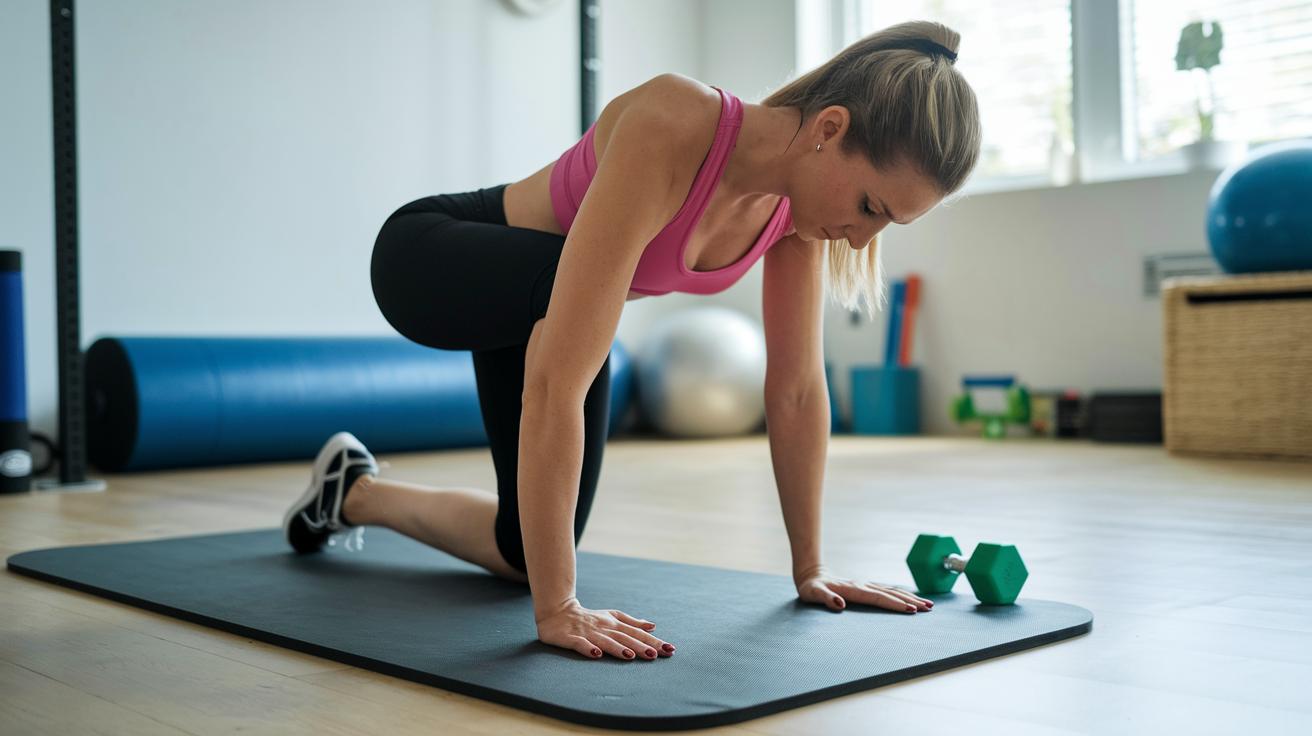
If you’re just exploring weight training, start with simple moves that use your own body. Squats, push-ups, and inverted rows help you learn the right form. For example, try a knee push-up. This keeps your chest and core engaged while you get comfortable with the motion. It also gives your body a chance to adjust before you add any extra weight.
Once you feel ready, add a little challenge with dumbbells, kettlebells, or machines. Dumbbells and kettlebells let you mix up your routine and work on both strength and balance. Even a small barbell can boost your overall power. Machines help you keep good posture and cut back on injury risks.
The trick is to use a weight that leaves you with a few extra reps at the end of your set. This way, you stay energized and safe as you build strength. Enjoy the process, listen to your body, and take it one step at a time.
Essential Equipment and Setup for Women’s Novice Lifting
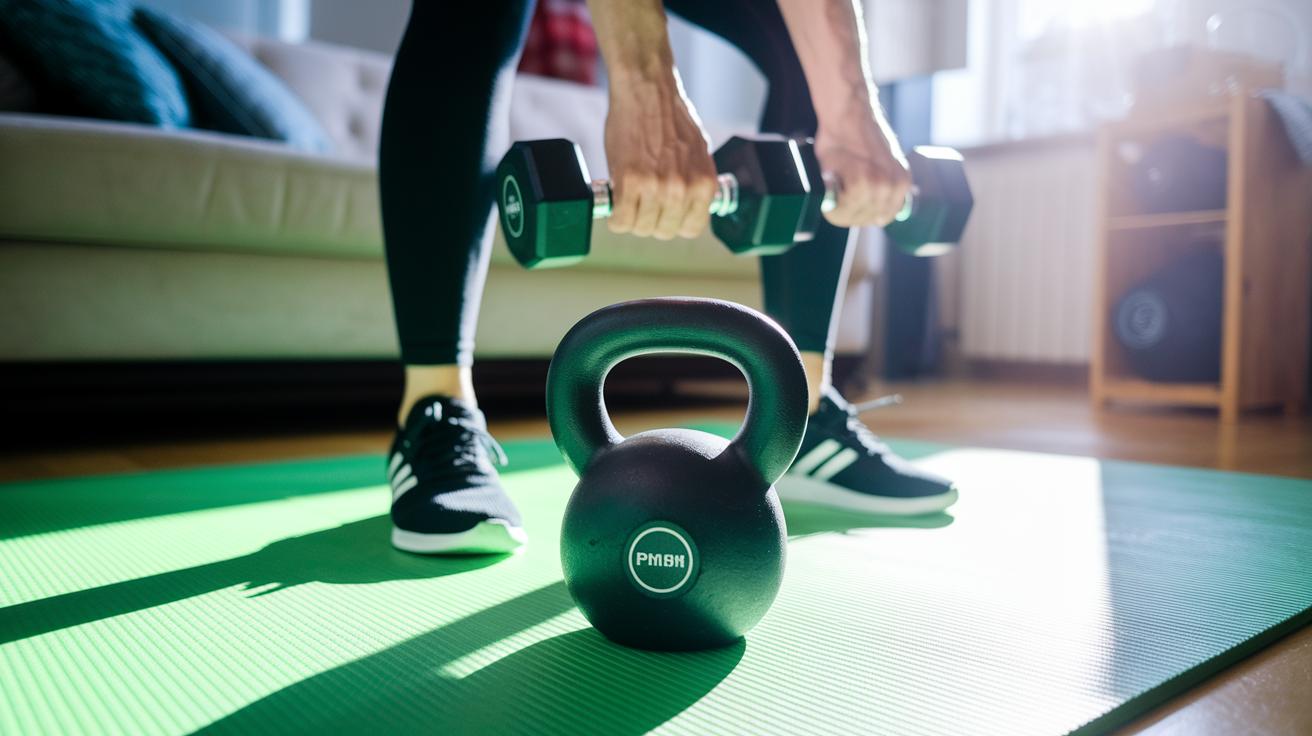
When you work out at home, start with a few affordable tools and carve out a special space just for your sessions. Keep a pair of dumbbells (5-15 lbs) close by so you can steadily build strength. You might also add a kettlebell for swings and other moves that boost your balance and power. Picture setting up in a sunny corner with a comfy mat that lets you stretch and move with ease.
At the gym, explore machines that let you adjust the weights easily. They help you learn the right form safely and work well with bodyweight exercises. Begin with light weights and gradually challenge yourself a bit more as your muscles grow stronger. Enjoy each small step, knowing that every bit of progress adds up over time.
Fundamental Exercises and Proper Form in Women’s Entry-Level Dumbbell Drills
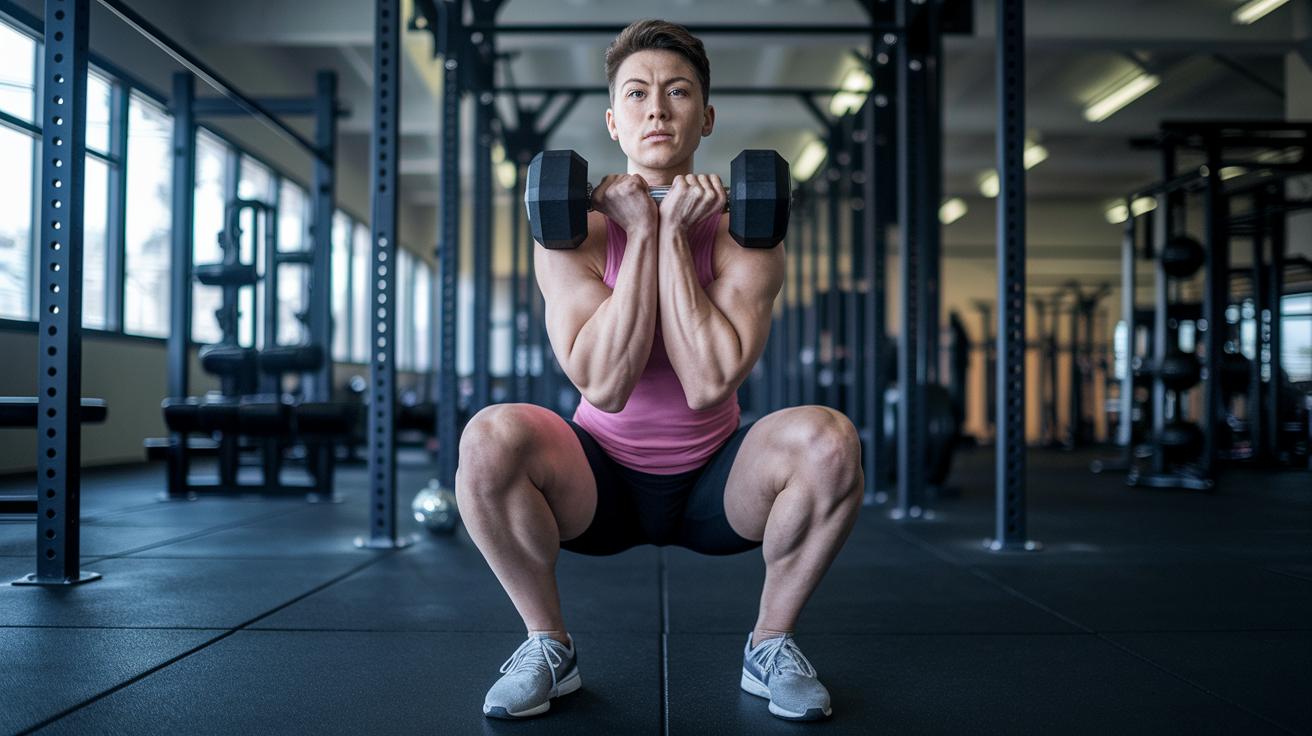
Starting with the basics is a great way to build confidence and avoid injuries. Begin with simple bodyweight moves like squats, push-ups, and inverted rows to set a strong foundation. For instance, you can check out some bodyweight strength training exercises that will get you ready to work with dumbbells.
Goblet Squat
Stand with your feet about as wide as your shoulders. Hold a dumbbell close to your chest. Slowly lower into a squat by pushing your hips back and bending your knees while keeping your back straight. Watch out for your knees falling inward. Keep them in line with your feet for better balance and safety.
Push-Up Variation
Ease into push-ups by trying a knee push-up or a wall push-up first. Place your hands a little wider than your shoulders and keep your body in a straight line from your head to your knees or toes. This helps keep your spine neutral and avoids a sagging lower back. You might also tweak your hand placement a bit to find the most comfortable spot as you build strength.
Dumbbell Row
Stand with a slight bend in your knees and hinge forward at the hips. Hold a dumbbell in one hand and let your arm hang naturally. Then, pull the weight up by squeezing your shoulder blades together. Keep your arm close to your body and move slowly – using momentum or jerking the weight can lead to injuries. Slow and steady wins the race here.
Hip Hinge
Practice the hip hinge by standing tall and bending forward at your hips while keeping your back flat. This move is a great way to prepare for exercises like deadlifts and kettlebell swings. Focus on bending slowly and in control. This approach helps you master the right technique and reduces the risk of injury.
Structuring a Starter Women’s Lifting Program and Schedule
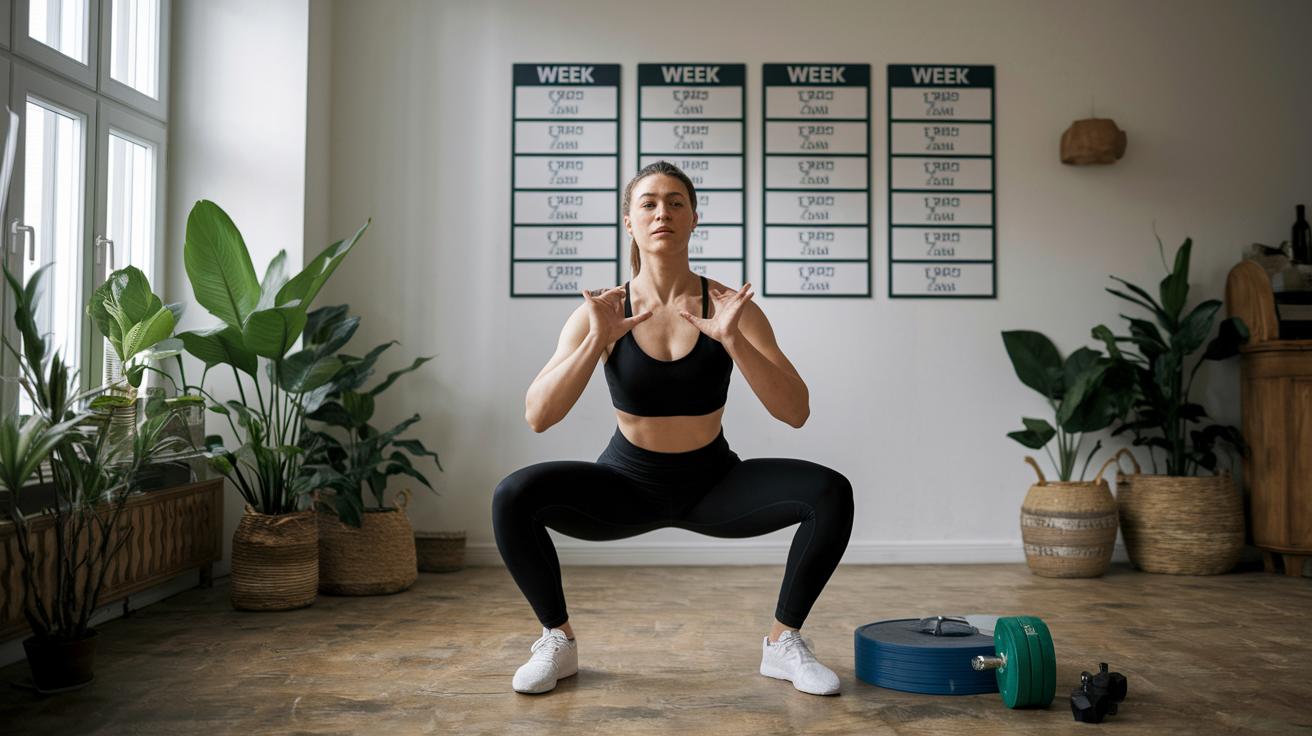
Starting a balanced workout routine is really important when you're new to lifting. In this 30-day plan, you'll work out over four weeks with sessions growing from just 5 minutes to 30 minutes by the end. The program mixes strength exercises, gentle cardio, and mobility moves to help you build muscle, stamina, and body awareness in a safe way. You begin with simple bodyweight routines to nail down your form and then slowly add light dumbbell work and other gentle resistance activities. Rest days or active recovery are built in so your muscles can rebuild and get stronger. Listen to your body along the way. If things ever feel like too much, remember that every session is a step forward in your fitness journey. Take your time, adjust the intensity when needed, and aim for steady progress without overdoing it.
| Week | Workouts/Week | Focus |
|---|---|---|
| Week 1 | 3-4 | Foundation & Bodyweight |
| Week 2 | 4-5 | Dumbbell & Cardio Mix |
| Week 3 | 4-5 | Strength & Endurance |
| Week 4 | 5 | Full Body & Recovery |
Safety Tips and Common Mistakes in Initial Strength Training
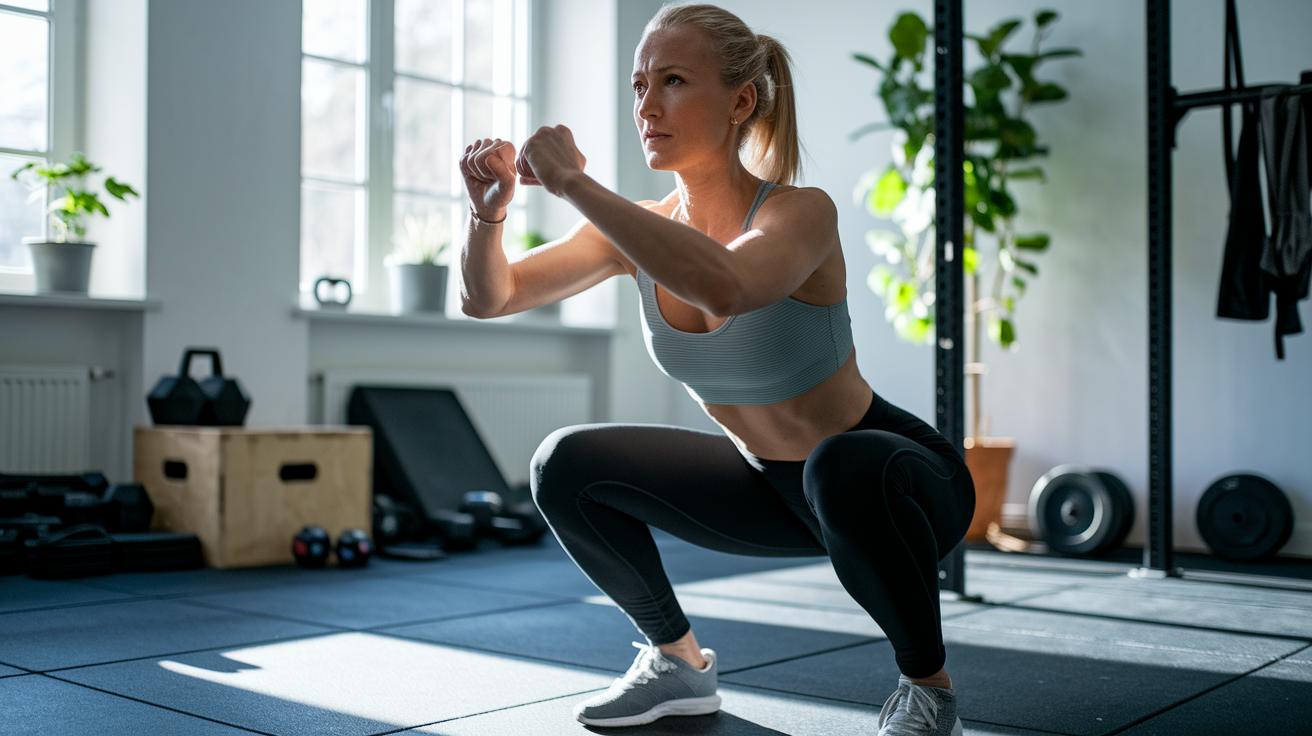
When you’re just starting out, focus on using your own body weight. Try learning moves like squats and push-ups slowly and carefully. This gives your body a chance to get used to the exercises before you add extra weight. Listen to your body, keep your movements steady and controlled so you stay safe.
It’s easy to want to jump to heavier weights quickly. But if you rush, you might lose proper form or put uneven pressure on your muscles. Taking your time and paying attention to how you move makes a big difference in avoiding injuries and building lasting strength.
Below are some common mistakes to watch out for:
| Mistake | Why It Matters |
|---|---|
| Skipping warm-up | Not preparing your muscles can lead to injuries. |
| Lifting too heavy too soon | Starting with heavy weights can break your form. |
| Poor spinal alignment | Not keeping your back straight may cause pain. |
| Neglecting rest days | Rest helps your muscles repair and grow. |
| Focusing on one muscle group only | Balanced workouts build strength evenly. |
| Ignoring mobility work | Stretches keep your joints flexible and healthy. |
Staying mindful of these tips helps you build a strong foundation while keeping injuries at bay. Always remember, slow and steady wins the race when it comes to safe and effective strength training.
Nutrition and Recovery Strategies to Support Weight Training for Women
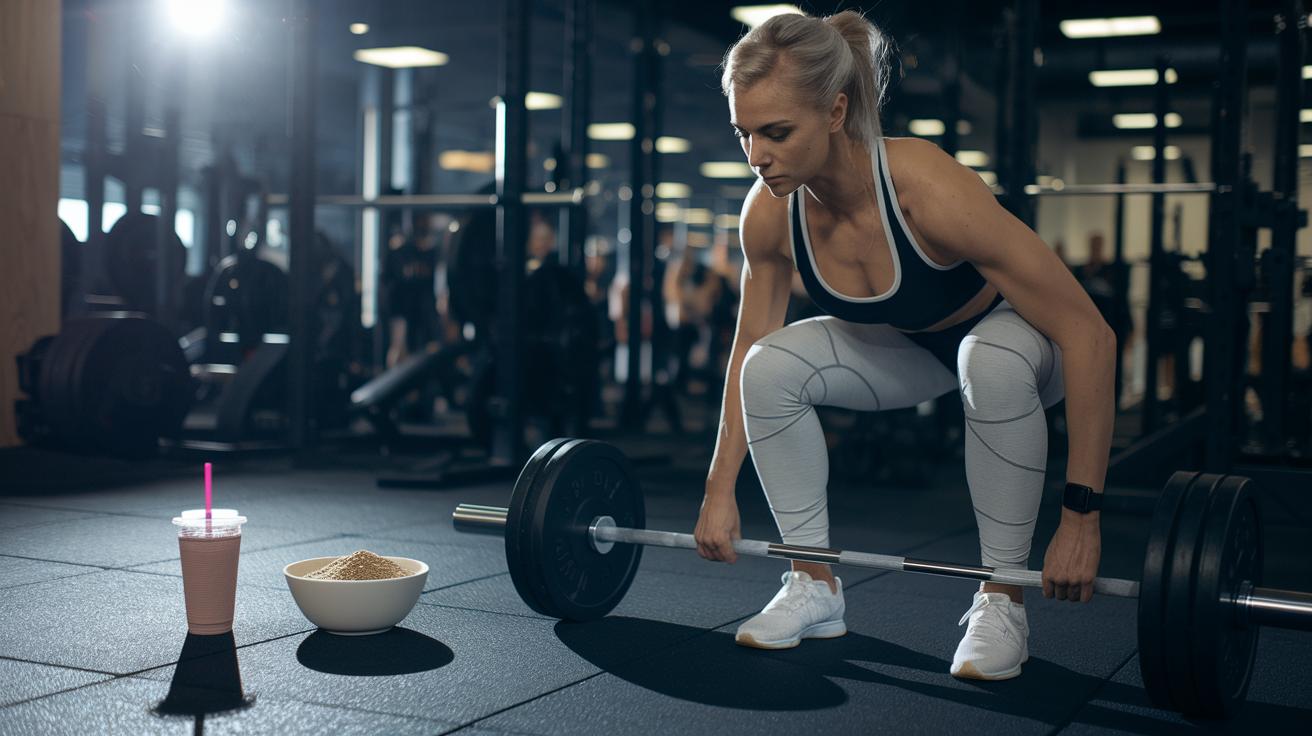
Eating right helps your muscles stay strong and recover well. A balanced diet fuels your body for tough workouts and helps repair muscle fibers with enough protein. Adding some carbohydrates at the right time boosts your energy, too. Try to pick simple protein sources and whole grains, and if you like, check out a calorie and protein calculator for tips on planning your meals after a workout. Your body needs a mix of nutrients, so enjoy a variety of foods that leave you feeling lively and satisfied.
Staying hydrated and giving your body time to recover is just as important. Drink water before, during, and after your exercise to keep your muscles working well. After your workout, spend a few minutes doing gentle stretches to soothe stiffness and improve flexibility. Listen to your body and take that time to rest, it helps you feel ready and energized for the next session.
Tracking Progress and Staying Motivated in Women’s Weight Training
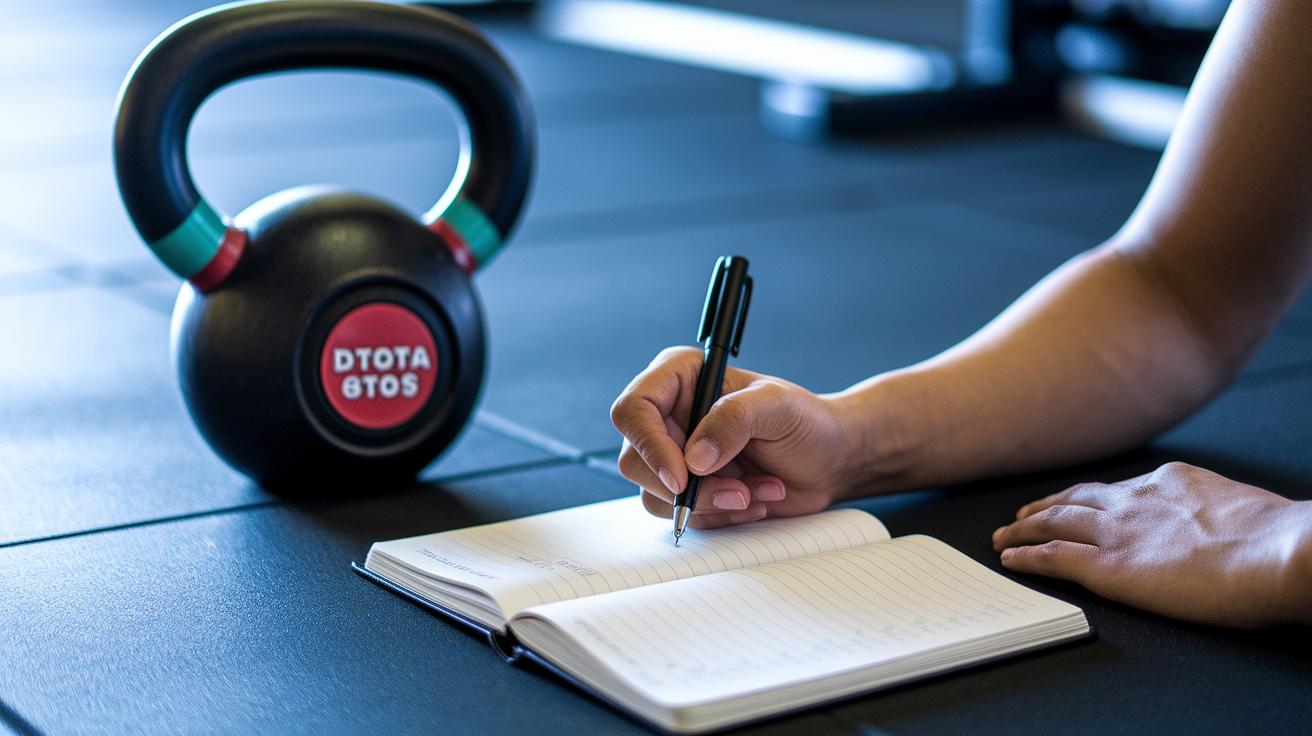
Keeping track of your workouts can really boost your confidence and help you stick to your plan. Write down your sets, reps, and weights each time you train, whether you’re using a notebook or a simple app. For example, jotting down something like, "3 sets of 12 kettlebell swings; felt strong" lets you see how far you've come over time. A workout journal makes it easier to spot improvements, adjust your routine, and keep moving in the right direction.
Setting small, realistic goals and celebrating every win can make a huge difference. Try planning your sessions with free weekly workout emails or a schedule that you can tweak as needed. Mark each day you complete your routines and treat yourself when you reach short-term milestones, like bumping up your weights a bit. This method of tracking turns every rep and set into a step toward building lasting strength.
Final Words
In the action, we reviewed safe, simple methods for starting weight training and practical steps to boost physical strength. The guide covered basic routines, proper form, essential equipment at home or in the gym, and even helpful nutrition and recovery hints.
We also touched on planning a clear workout schedule and tracking progress to celebrate every small victory. Embrace the tips and feel confident as you embark on your beginner weight training for women path, knowing that every effort adds to a healthier, happier life.
FAQ
Q: Free beginner weight training for women
A: Free beginner weight training for women involves accessing online guides and videos that show easy exercises, proper form, and minimal equipment tips aimed at helping women safely build strength at home.
Q: Beginners strength training Workout for a woman PDF
A: A beginners strength training workout for a woman PDF provides a downloadable guide outlining clear exercises, safe techniques, and balanced routines. It serves as a handy reference for women starting with strength training.
Q: Weight lifting for beginners female at home
A: Weight lifting for beginner females at home focuses on simple routines using minimal equipment like light dumbbells. It emphasizes correct form and gradual progression to help build strength safely within a home environment.
Q: Best beginner weight training for women
A: The best beginner weight training for women features routines that start with bodyweight and light weights. This approach emphasizes proper form and steady progress to help build confidence and strength safely.
Q: Beginner strength training routine at home
A: A beginner strength training routine at home involves exercises like squats, push-ups, and dumbbell rows. It offers step-by-step instructions to help women establish a safe, effective practice using simple movements.
Q: Beginner Dumbbell Workout female
A: A beginner dumbbell workout for females includes light dumbbell exercises focused on controlled movements. This plan helps in developing muscle tone, improving balance, and ensuring safety while easing into resistance training.
Q: Women’s strength training program at home
A: A women’s strength training program at home combines bodyweight exercises, light dumbbell movements, and optional machine work. It’s designed to provide a balanced routine that helps build strength safely in a home setting.
Q: Weight lifting for Beginners female weight loss
A: Weight lifting for beginner females targeting weight loss involves strength routines that build lean muscle. With proper nutrition and gradual progression, these workouts boost metabolism and support healthy weight management.
Q: How to start weightlifting as a beginner female?
A: Starting weightlifting as a beginner female means beginning with basic exercises and light weights. Focusing on proper form and steady progression helps build strength while reducing the risk of injury.
Q: What is the 3 3 3 rule for working out?
A: The 3 3 3 rule for working out means performing three sets of three different exercises. This structured approach gives beginners a balanced way to work various muscle groups without overexerting.
Q: What weights should a beginner woman start with?
A: The weights a beginner woman should start with are typically light, around 5 to 10 pounds. This range allows for proper technique and a gentle challenge while building a strong, safe foundation.
Q: What is the 3 2 1 rule in gym?
A: The 3 2 1 rule in the gym refers to a routine of three sets, two main exercises, and one focused movement. It offers a manageable structure for beginners to train multiple areas with balanced intensity.