Have you ever noticed how the foods you enjoy can help keep Candida in check? Picture a crisp apple or a taste of raw garlic working like tiny warriors against fungus. In this chat, we'll see how everyday foods can serve as a natural shield, helping to keep your gut balanced and reducing the yeast that can grow too much. From tangy citrus bursts to the warm touch of ginger, these foods work to ease inflammation and boost your body’s natural defenses.
Key Antifungal Foods to Combat Candida Overgrowth
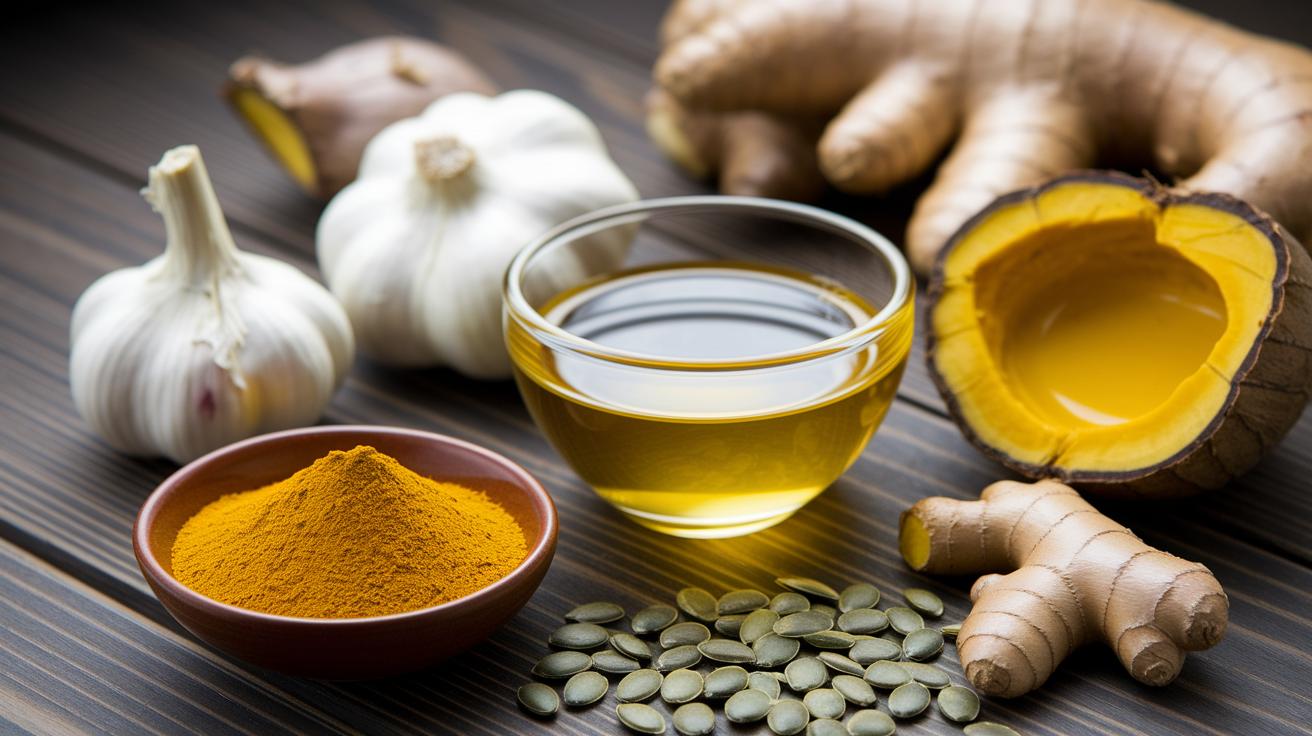
Eating the right foods can make a real difference when it comes to keeping Candida in check. Foods that naturally fight fungus help cut down on sugars and inflammatory items that Candida loves. They work by breaking down the protective layers around Candida, just like how one chef once said, "A dash of raw garlic turns an ordinary sauce into a powerful defense against Candida."
Adding these foods to your daily meals not only helps control Candida but also keeps your gut feeling balanced and happy. It’s a tasty and natural way to ease digestive upset and lower inflammation.
- Raw garlic: It’s full of allicin, a natural compound that works best when eaten raw to help fight Candida.
- Coconut oil: This oil has special acids that naturally break down the cell walls of Candida.
- Apple cider vinegar: Its enzymes help take apart the sticky layers of Candida and keep your gut balanced.
- Cruciferous vegetables: These veggies hold natural compounds that help reduce yeast overgrowth.
- Extra-virgin olive oil: It contains elements that can help lower inflammation in your body.
- Ginger: This root supports your body’s natural detox paths with calming, warming properties.
- Turmeric: Known for its curcumin, turmeric offers both antifungal and anti-inflammatory benefits.
- Cinnamon: A little cinnamon can directly damage yeast cells.
- Cloves: They pack eugenol, a strong natural fighter against fungus.
- Lemon & lime: Their citric acid helps detox your liver and supports healthy pH levels.
- Green tea: The EGCG in green tea works to stop Candida from growing.
- Pumpkin seeds: Rich in zinc and other good nutrients, they add extra antimicrobial support.
Together, these foods build a strong, natural defense against Candida. They not only help slow down its growth but also support a balanced diet that makes your whole body feel nourished and well.
Antifungal Food Mechanisms & Key Bioactive Compounds
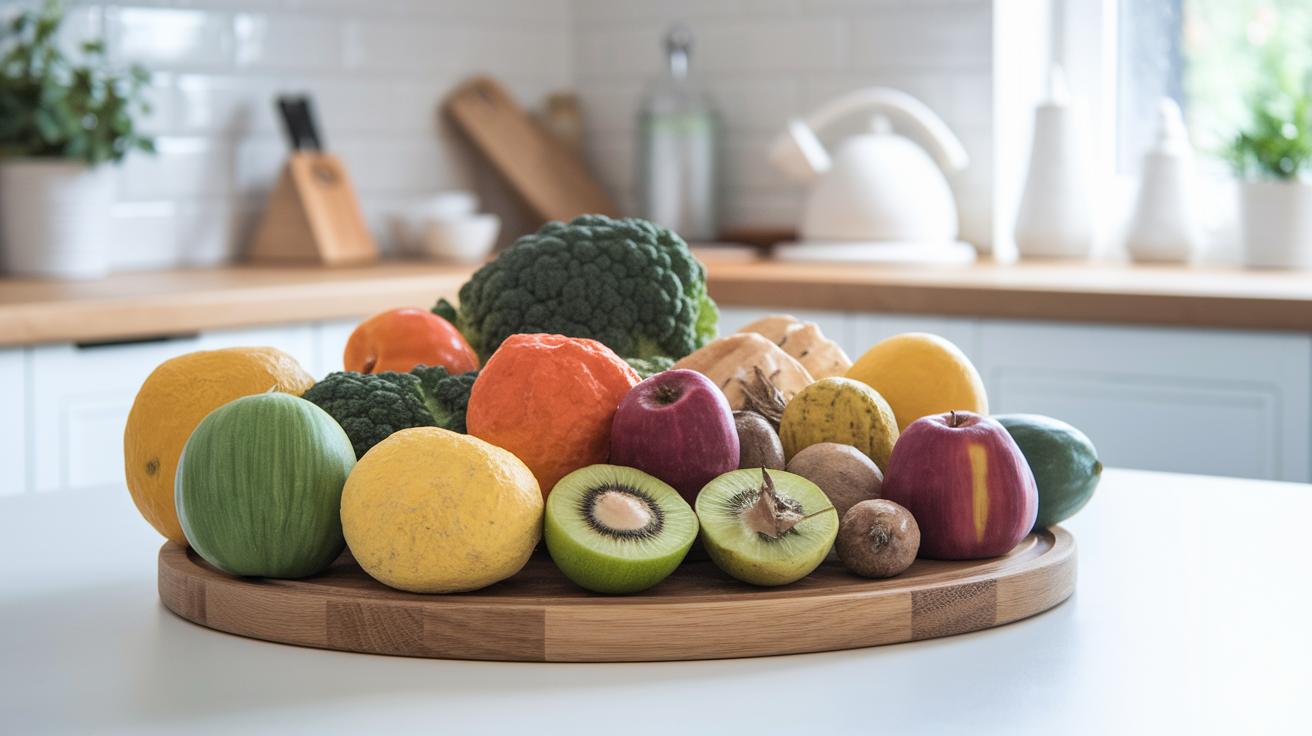
Some everyday foods are packed with natural ingredients that help fight off unwanted fungi. They work by breaking down the yeast’s cell walls, stopping sticky biofilms from building up, and easing inflammation. Check out the table below to see which foods have these fighter compounds and how they help keep your gut in balance.
| Food | Active Compound | Mechanism |
|---|---|---|
| Garlic | Allicin | Breaks down fungal cell walls |
| Coconut Oil | Caprylic Acid & Monolaurin | Dismantles Candida membranes |
| Apple Cider Vinegar | Acetic Acid | Disrupts biofilms and balances pH |
| Cruciferous Veggies | Isothiocyanates | Inhibits yeast cell growth |
| Turmeric | Curcumin | Reduces inflammation and fungal growth |
| Ginger | Gingerols & Shogaols | Boosts detox and hampers fungal proliferation |
| Cinnamon | Cinnamaldehyde | Damages yeast cells and limits biofilm |
| Cloves | Eugenol | Exhibits strong antifungal action |
| Green Tea | EGCG | Directly inhibits Candida growth |
| Pau d’Arco Tea | Lapachol | Impairs fungal cell viability |
Together, these friendly compounds act like a natural shield against Candida. When you add these nutrient-rich foods into your daily meals, each bite becomes a simple yet powerful way to support your immune system and keep your gut happy. Their team effort works at many steps to put a stop to Candida while calming inflammation, making your diet a smart and tasty tool for good health.
Meal Planning Principles for an Anti-Candida Diet
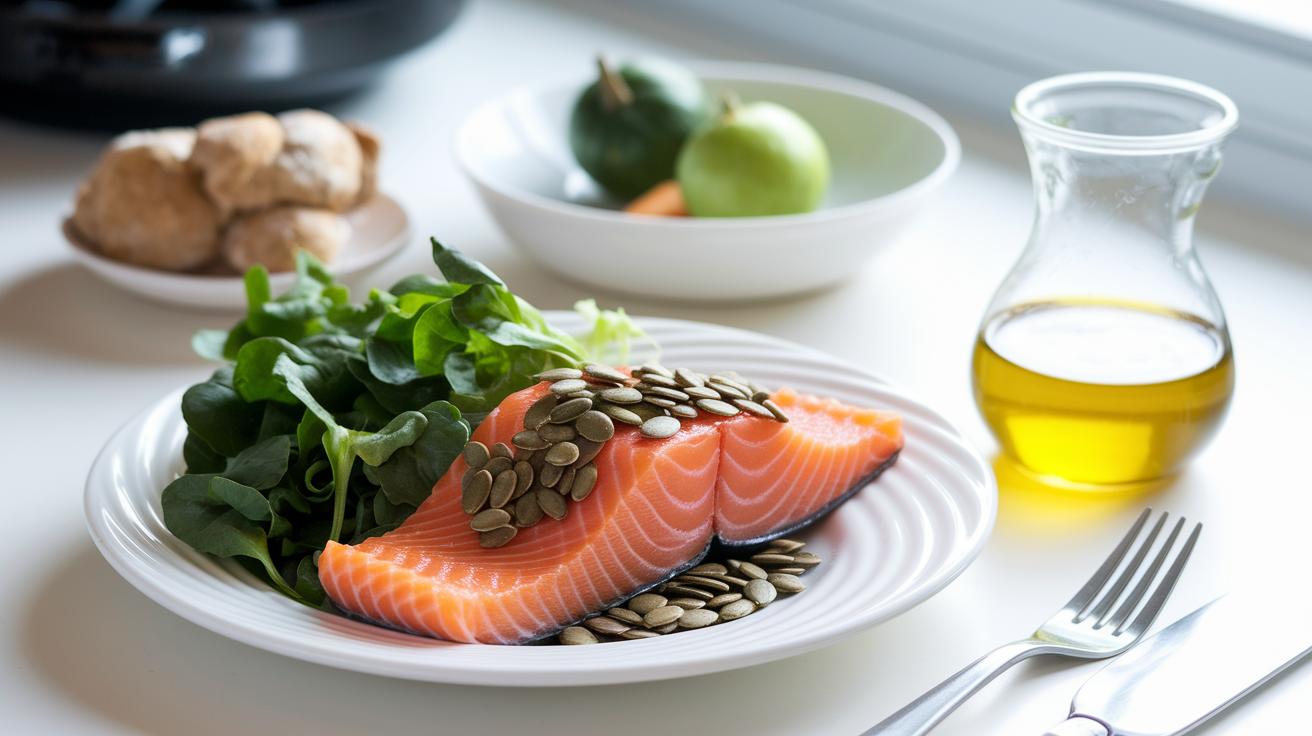
A smart plan for managing Candida starts by cutting out sugar, refined carbohydrates, gluten, alcohol, and dried fruits. You might also want to ease up on nightshades and legumes. Instead, fill your plate with non-starchy vegetables, lean proteins, healthy fats, and foods that naturally fight fungus. This way of eating helps keep your blood sugar steady and stops unwanted yeast from getting too much fuel, which sets you up for balanced digestion and overall wellness.
Each meal should build on a nutrient-rich base. Then, add in antifungal ingredients along with probiotic foods like sauerkraut, kimchi, or kefir to support your gut health. Spreading out your proteins, fats, and carbohydrates can help prevent quick spikes in your blood sugar. Picture a light salad with olive oil and a sprinkle of pumpkin seeds, simple, fresh, and perfect for a Candida-conscious meal.
Imagine a day following these ideas: Start your morning with a bowl of chia pudding mixed with cinnamon and berries. This helps you avoid refined sugars right from the start. For lunch, enjoy a vibrant kale and broccoli salad dressed in extra-virgin olive oil and topped with pumpkin seeds. In the evening, warm up with a soothing bowl of garlic-turmeric broth and sip refreshing lemon water between meals. This way, you can help keep your gut feeling its best.
Dietary Precautions & Candida Detox Considerations
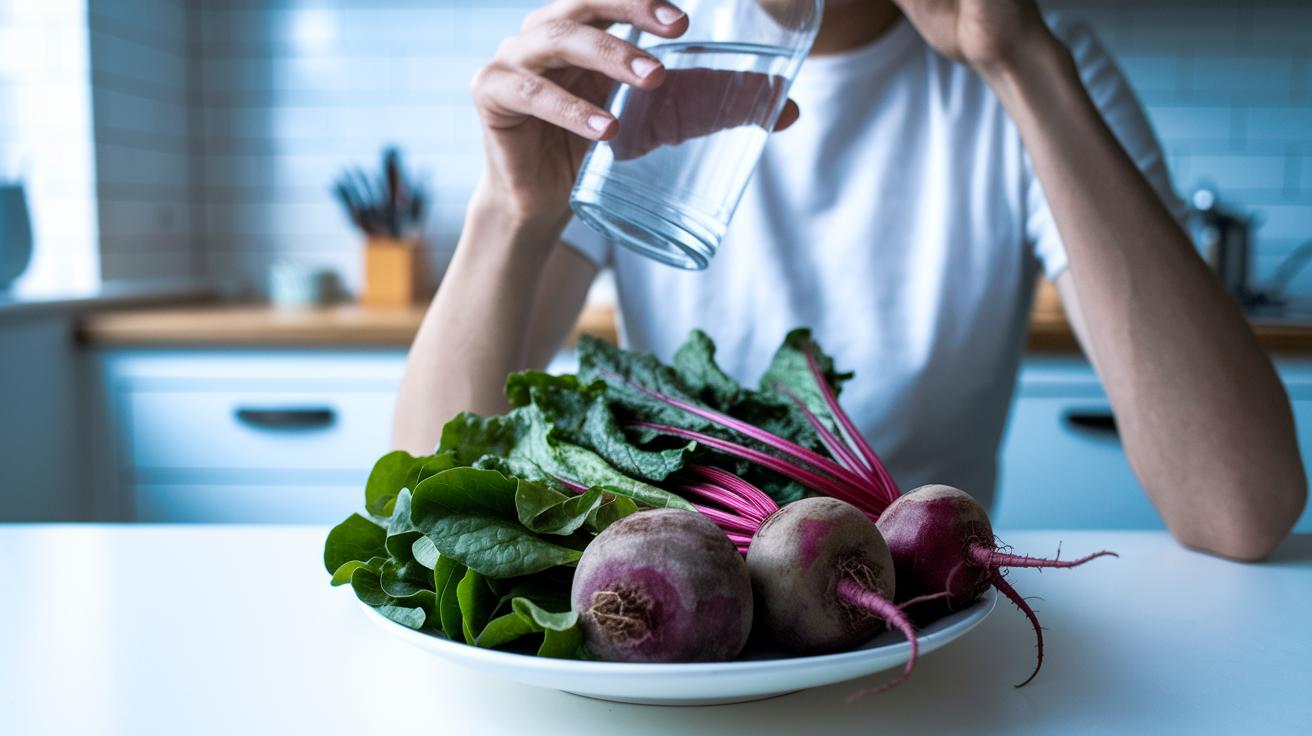
Starting an anti-Candida plan can sometimes leave you feeling a bit off. You might experience headaches, fatigue, flu-like symptoms, or even skin breakouts as your body starts to clear out extra yeast toxins and gets used to eating fewer sugars and refined carbohydrates. These signals are normal and show that your body is making a healthy change.
To help ease these symptoms, drink plenty of water throughout the day. Adding foods that support your liver, like leafy greens and beets, can also make a difference. Extra rest and a gentle walk can help you feel better, too.
Once the detox phase calms down your system, slowly bring back the foods you stopped eating over four to six weeks. And if you need a little extra guidance, consider chatting with a professional through telehealth or trying personalized tests such as the GI Map Stool Test. This way, you can track your progress and adjust your plan with fewer worries.
Antifungal Foods: Nourish and Flourish
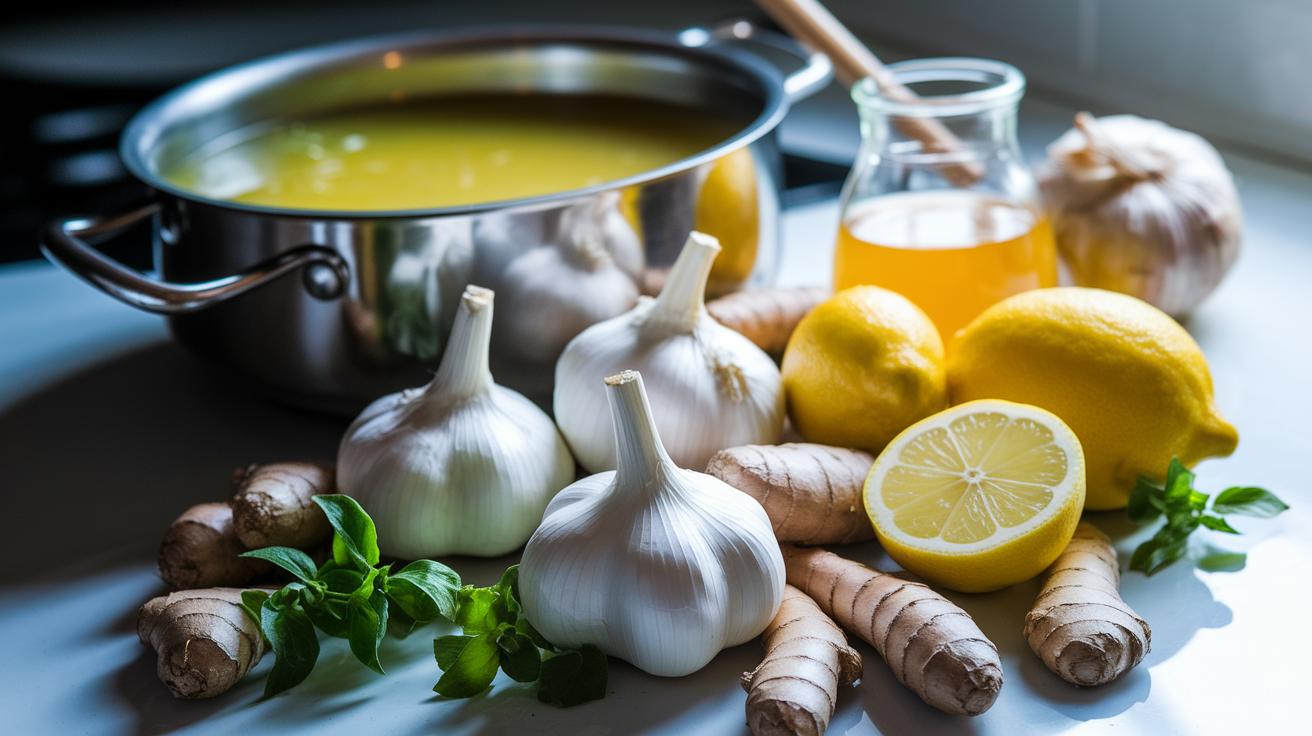
Try these two easy recipes that mix natural ingredients to help keep your gut happy. These dishes use foods that naturally fight fungi while adding a burst of flavor to your meals. Each recipe joins simple ingredients that help break down yeast and ease irritation in a straightforward, tasty way.
Garlic & Turmeric Broth
For a soothing broth, gather water, 6 to 8 garlic cloves, 1 tablespoon of fresh turmeric (or a bit of turmeric powder), 1 tablespoon of grated ginger, and a small drizzle of olive oil. Start by simmering the water with garlic, turmeric, and ginger for about 20 minutes. Then, strain out the solids and stir in the olive oil. This broth brings together natural compounds like allicin (a substance in garlic that can help your body fight germs), curcumin (a part of turmeric known for easing swelling), and gingerol (the spicy taste of ginger that supports digestion) to create a warm, comforting drink for your gut.
Ginger-Lemon Coconut Oil Dressing
Make a bright dressing by mixing 1 tablespoon of grated ginger, the juice of 1 lemon, 2 tablespoons of melted coconut oil, a pinch of salt, and a bit of stevia to taste. Whisk all the ingredients together until smooth. Keep it chilled in the fridge, and add a little on your salad or cold dish for a refreshing twist. This dressing uses coconut oil’s caprylic acid (a natural ingredient known to combat fungi) along with the zesty spice of ginger for a simple way to boost your meals with whole food benefits.
Common Questions on Antifungal Foods & Candida Control
Can antifungal foods replace prescription medication?
Foods that fight fungus can help support your body. They provide natural ingredients like allicin, caprylic acid, and acetic acid that work gently with your system. But these foods aren’t a replacement for the meds your doctor prescribes. They go hand in hand with professional care, so it’s smart to use them along with any treatment you have.
How many antifungal foods should I eat daily?
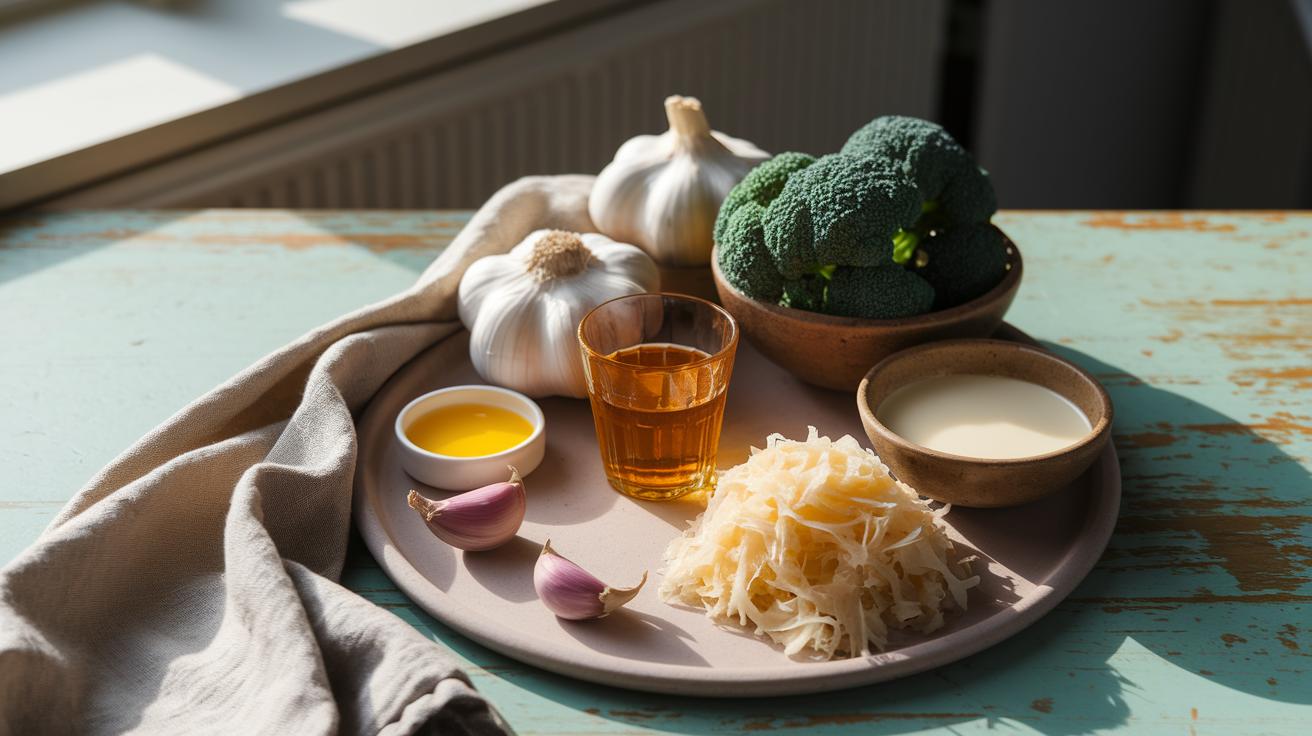
Try to include 2 to 3 different antifungal foods with each meal. That means you could get around 6 to 9 servings during the day. You might add raw garlic, coconut oil, apple cider vinegar, or veggies like broccoli. This mix gives you different good compounds that help keep yeast levels in check and support your gut.
Are probiotic-rich foods safe on a Candida diet?
Yes, they are safe if you choose types low in sugar. Options like kefir, sauerkraut, or kimchi work well because they bring in healthy bacteria that can help crowd out Candida. It’s best to skip the high-carb or sweetened versions since extra sugars might feed yeast. This choice helps keep your gut balanced while you work on controlling Candida.
Final Words
In the action of exploring raw garlic, coconut oil, and other key ingredients, this article highlighted practical ways to curb Candida overgrowth. We broke down food mechanisms, offered meal plans, and even shared tasty recipe ideas, all aimed at supporting your wellness.
Each section reaffirmed how clean, well-balanced meals featuring anti fungal foods can protect your body and ease stress. Small changes really matter when it comes to better living and fitness. Keep moving forward with health and confidence.
FAQ
Q: What antifungal foods are good for skin and overall yeast control?
A: The antifungal foods like garlic, coconut oil, and lemon support healthy skin and help fight yeast by reducing fungal growth, balancing pH, and soothing inflammation.
Q: What foods help eliminate yeast infections and reduce fungus in the body?
A: The antifungal foods such as raw garlic, coconut oil, and apple cider vinegar actively disrupt fungal cell walls and break down biofilms, which limits yeast overgrowth and aids the body in reducing fungus.
Q: What foods should be avoided to prevent worsening fungal infections?
A: The foods that cause yeast infections include refined sugars, processed carbs, and high-sugar items, which can feed harmful yeast and worsen fungal overgrowth by providing fuel for their growth.
Q: What is the Candida diet and how does it help manage yeast overgrowth?
A: The Candida diet focuses on limiting sugars, refined carbohydrates, and alcohol while emphasizing antifungal ingredients like non-starchy vegetables, lean proteins, and healthy fats to help control excessive yeast naturally.
Q: What is considered the most effective antifungal food?
A: The most antifungal food is raw garlic, which contains allicin that disrupts fungal cells and bolsters the body’s natural defense against yeast overgrowth in a direct, powerful manner.
Q: Can a fungal infection cause diarrhea?
A: The fungal infection can cause diarrhea if yeast overgrowth disrupts gut balance, irritating the digestive tract and leading to changes in bowel movements and discomfort.