Ever thought about how a little weight lifting might brighten your day? Strength training does more than make your muscles bigger, it helps boost your confidence too. Even a quick, brisk walk paired with simple exercises like squats can kick off your day on a high note, giving you a gentle burst of energy.
In this piece, we share friendly tips and easy routines made just for beginners. From relaxing warm-ups to basic moves, you'll see how a few small, steady efforts can help you feel stronger and more self-assured each day.
Starting Your Strength Training for Beginners: What You Need to Know

Begin your workout with a lively warm-up. Try starting with a 5-minute brisk walk that gets you moving and feeling energized. Follow that with some gentle leg swings and ankle rotations. For instance, a quick energizing walk helps wake up your muscles, boosts your blood flow, and makes your body ready for what comes next.
Strength training means building strong, lean muscles by pushing against resistance. You can use weights, resistance bands (simple stretchy bands that offer push-back), or even your own body. The best part is that many of these exercises can be done anywhere, whether you're at home or in the gym.
If you're just starting out, bodyweight exercises like squats, push-ups, and lunges are great choices. They help build a solid base of strength and balance. Once you feel comfortable, you might add resistance bands or light dumbbells. Increase the weight only when you can do 8 to 10 perfect reps without any trouble. For example, begin with 10 squats using your body weight and add a light dumbbell when the set starts feeling easier.
| Warm-Up Component | Activity |
|---|---|
| Initial Move | 5-Minute Brisk Walk |
| Mobility Boost | Leg Swings & Ankle Rotations |
This method builds confidence and helps you progress step by step in your journey toward a stronger, healthier you.
Fundamental Strength Training Exercises for Beginners
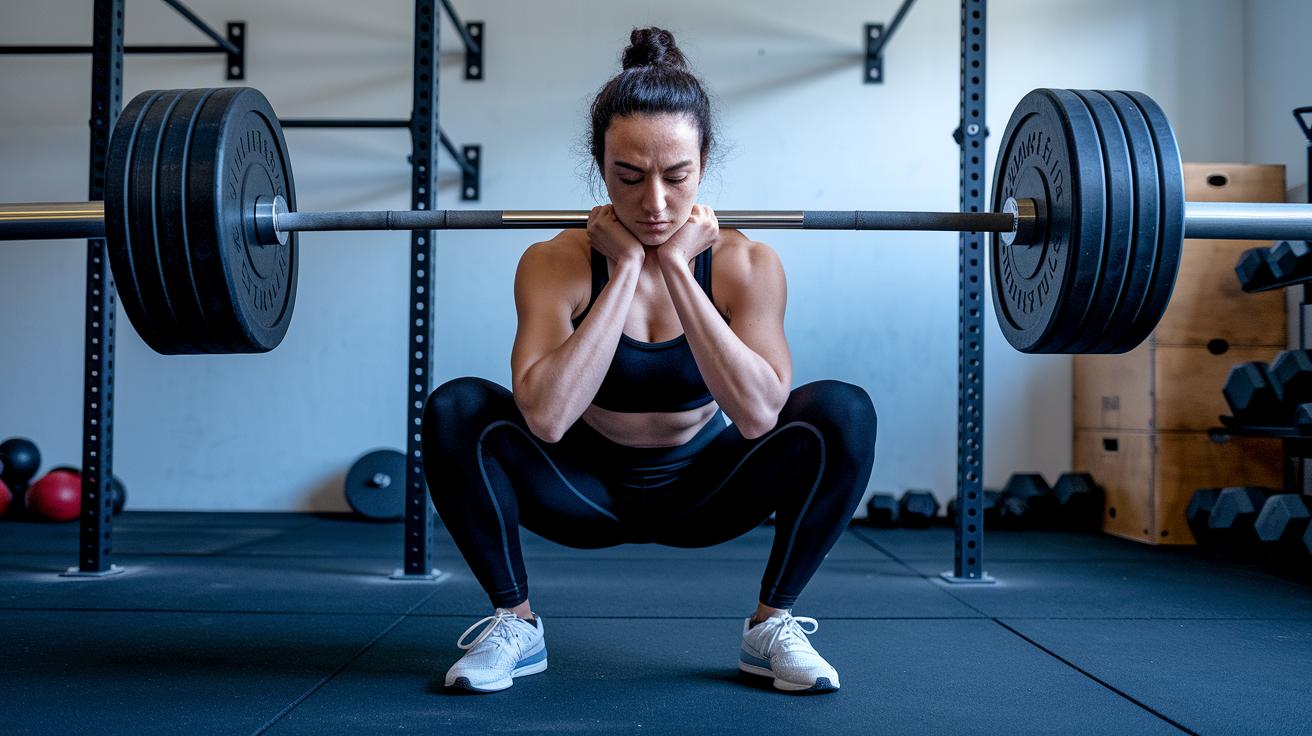
Start with exercises that use your own body weight to build your strength and stamina. Try doing squats, push-ups, and inverted rows. Think of your body as your first weight, do 10 squats and feel your legs getting stronger with each rep.
Next, add dumbbell exercises to safely increase the challenge. For instance, the dumbbell chest press works great for beginners. Keep your elbows close to your sides and make sure your wrists line up with your chest. A little tip: imagine a straight line from your shoulder to your wrist as you press. This focus on good form builds strength and helps keep injuries away.
Kettlebell training is a great option when you don't have much room. Picture a kettlebell like a cannonball with a handle. It lets you move smoothly and mixes up your routine. Pick a weight you can handle and practice controlled swings to help strengthen your core and legs.
Barbell exercises, like deadlifts and squats, can boost your strength quickly if you practice steadily. But be sure to focus on proper technique and start with lighter weights before moving up.
Machine training, such as using the lat pulldown machine, gives you clear control over the weight. This setup is also very beginner-friendly, so you can adjust the load and get your form just right.
- Begin with a bodyweight session to build your confidence.
- Move on to a dumbbell circuit for extra resistance.
- Try kettlebell, barbell, or machine exercises as you improve your technique.
Each type of exercise is like a step in your fitness journey. Take the time to master each move and let your good form lead you to real gains.
Creating a New Lifter Workout Blueprint for Strength Training

Start your workout with a 20 to 25-minute burst of cardio to wake up your body and get your heart racing. Begin on a treadmill or elliptical at an easy setting (levels 1 to 3). Once you feel ready for more, bump it up to levels 4 to 6. Picture starting with a gentle walk that slowly turns into a light jog as your body warms up.
Next, work on your lower body to build strength and power. Try doing three sets of 10 to 20 repetitions of exercises like squats, lunges, and leg presses. Keep your body in good alignment to protect your joints and feel each move. Imagine doing your squats with focus, each one making you steadier and more confident.
Then, add some core training a couple of times a week. Activities like planks, mountain climbers, Russian twists, bicycle crunches, Frankenstein, and leg raises help create a strong center that supports every move you make. Think about holding a plank just long enough to feel that tight, supportive burn in your midsection.
For a little extra variety, include low-impact workouts such as Pilates. Whether you join a class at the gym or follow a workout video at home, Pilates boosts flexibility and helps keep your body well aligned.
Here’s a sample weekly plan to keep things interesting:
- Monday: Full-body circuit
- Tuesday: Rest or try Pilates
- Wednesday: Lower body focus
- Thursday: Core session
- Friday: Upper body routine
- Saturday: Cardio interval
- Sunday: Active recovery or yoga
This plan blends cardio, strength work, and flexibility to help you build confidence and improve your fitness step by step. Every small gain is worth celebrating on your path to a stronger, healthier you.
Safe Progression and Proper Form in Beginner Strength Training
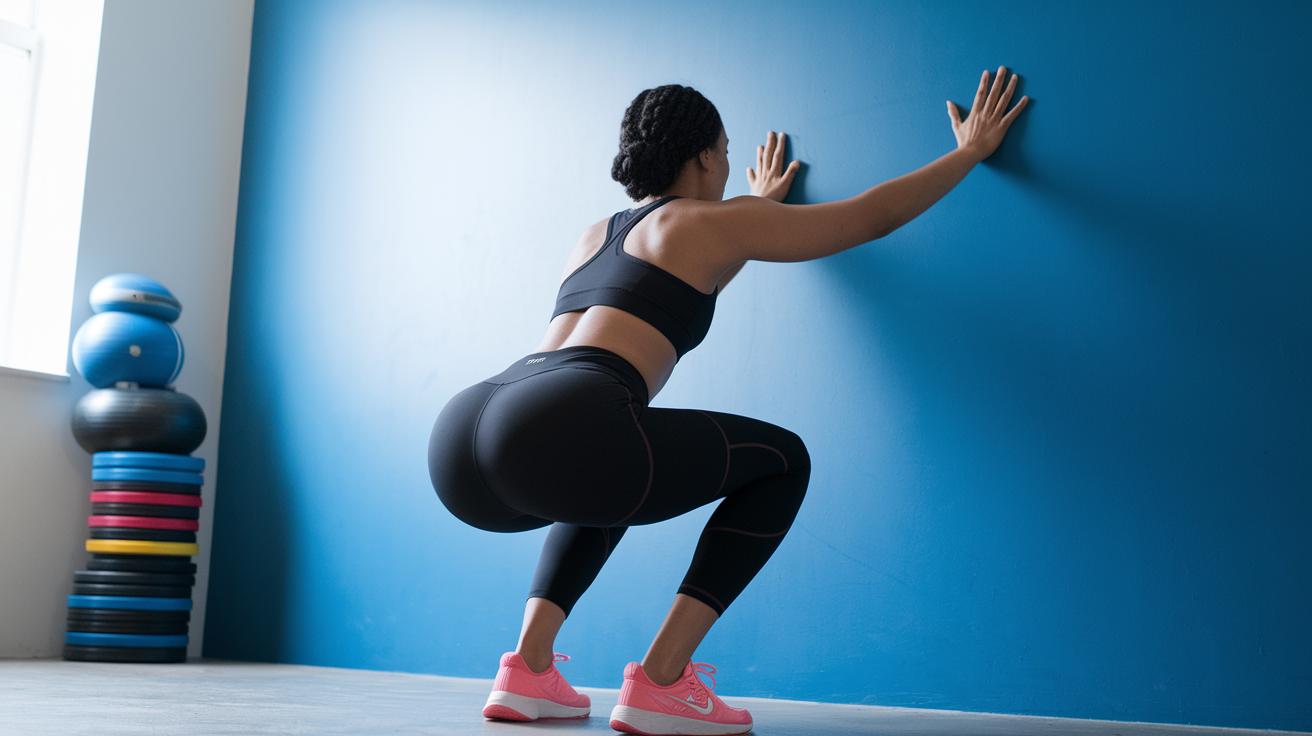
Start with bodyweight exercises to build proper technique and catch mistakes early on. Slow each movement down so you can really feel your alignment. For example, try a wall-supported squat. Stand with your back touching the wall, slowly slide down until your knees feel the bend, then push back up to standing.
Watch out for common form issues. Instead of simply adding more weight after 8 or 10 reps, focus on drills and detailed cues to fix your form every time.
| Common Issue | Troubleshooting Cue |
|---|---|
| Knees caving in | Place a resistance band around your thighs and push your knees out |
| Rounded back | Engage your core and picture holding a ball between your shoulder blades |
| Overextending at the top | Pause at the top, squeeze your core, and lower slowly for control |
Use simple cues during your workouts. While doing a push-up, remind yourself to keep your body straight and use every muscle. Adjust your speed and how far you move to perfect your technique. If your form slips, lower the weight or resistance until you rebuild strong movement patterns.
• Always take your time and check your alignment with each rep.
• Practice drills like wall-supported moves to improve specific angles.
• Increase the load only once your form is consistently strong.
• Try recording yourself to catch any misalignments.
These structured cues and drills give you extra support, making sure each step in your training is safe while keeping your form clear and effective.
strength training for beginners: Boost Your Confidence

Starting out with strength training can seem a bit challenging. Many beginners struggle to keep a regular routine or perfect their form, but a simple, clear plan can help turn these challenges into real wins. Picture opening your workout app and watching your progress steadily improve, each session adds a small victory that builds your confidence.
Using mobile apps and fitness trackers makes it easy to see how far you’ve come. They let you log your reps, notice small improvements, and adjust your plan when needed. It’s like having a gentle reminder saying, "You did 10 push-ups last time; try for 11 today." Each tiny step makes you feel better and more ready for the next challenge.
Joining digital classes or online groups can give you an extra boost, too. Many people discover that working out with others, whether it’s bodyweight HIIT, dumbbell routines, or a calming yoga session, adds a sense of accountability and shared support. Here are a few simple tips to help you stay on track:
- Use a mobile planning app to set and monitor your workout goals.
- Log your progress regularly, so you can see your improvements over time.
- Connect with a digital class or community to stay motivated and inspired.
Taking these steps can help you overcome doubts and build a strong sense of self-belief. Every workout becomes a chance to grow, feel strong, and celebrate your progress, one step at a time.
Final Words
In the action, this article sparked ideas about warming up, mastering proper form, and building a balanced routine. It offered practical ways to move from bodyweight basics to using light weights and resistance bands. You saw how small, steady steps help improve workouts and maintain safe practices. Maintaining a mindful, fun approach makes strength training for beginners both manageable and fulfilling. Every step you take adds to your growing strength and confidence for a healthier, happier life.
FAQ
What are good strength training options for beginners at home, at the gym, near me, with no equipment, or for weight loss?
The strength training options for beginners vary by location and goal. Programs include home workouts using bodyweight, gym sessions with machines or free weights, and no-equipment routines suited for weight loss.
Is strength training safe for female beginners and those over 50?
The safe strength training guidelines apply to everyone, including female beginners and those over 50, provided proper modifications and gradual progressions are followed and exercises match personal abilities.
How should a beginner start strength training?
The beginner strength training routine should start with a dynamic warm-up, simple bodyweight exercises, and a gradual increase in resistance like bands or light weights, ensuring safe and effective progression.
What is the 5 4 3 2 1 workout method?
The 5 4 3 2 1 workout method involves a series of exercises with timed or counted repetitions to build endurance and strength, keeping workouts structured yet varied.
What is the 3 3 3 rule for working out?
The 3 3 3 rule typically refers to performing three sets of an exercise with three repetitions each, offering a manageable structure for beginners to build form and control.
What is the best beginner strength training program?
The best beginner strength training program varies by individual but should include a mix of warm-ups, bodyweight work, gradual resistance increases, and core routines to build a balanced base.