Ever thought a simple yoga routine might turn a hectic day into a peaceful break? Stress tends to wash over us, but a few easy yoga moves can help calm both your body and your mind. Every time you stretch and take a deep breath, your muscles loosen and your thoughts clear, almost like easing into a quieter mode. Studies show that yoga can even lower stress hormones, making you feel more calm and focused. Could these gentle movements be just what you need to find your inner calm?
How Yoga for Stress Relief Reduces Tension
Yoga is a gentle way to help both your body and your mind feel more at ease. It works by influencing parts of your body like the autonomic nervous system (the part that controls things you don’t think about, like your heart beating) and the hypothalamic-pituitary-adrenal axis (which helps manage your stress). In simple terms, practicing yoga can lower your cortisol levels, a hormone often linked to stress, and help you feel calmer. Imagine letting out a slow, relaxing sigh that eases the day's pressure.
When you move through yoga postures, your muscles stretch and lengthen, which not only improves your flexibility but also sends signals to your brain. These signals help melt away the built-up tension. As you slowly shift from one pose to the next, it feels like your body is whispering a gentle reminder to let go of stress.
Research shows that yoga can boost activity in the prefrontal cortex, the area of your brain that helps you manage emotions. At the same time, it tones down the amygdala, the part of your brain that fires up when you’re stressed. This means you might find fewer triggers for stress and an overall brighter mood. Plus, changes in other brain areas, like the hippocampus, can help ease anxiety and make yoga a friendly partner in your stress management routine.
Yoga engages both your mind and your body, creating a harmony that feels like a natural reset button. Deep breathing, mindful movement, and steady muscle activation work together to quiet the nervous system. Think of it like tuning an instrument, a little practice can help reduce tension and leave you feeling refreshed and balanced.
Yoga for Stress Relief: Key Breathing Techniques
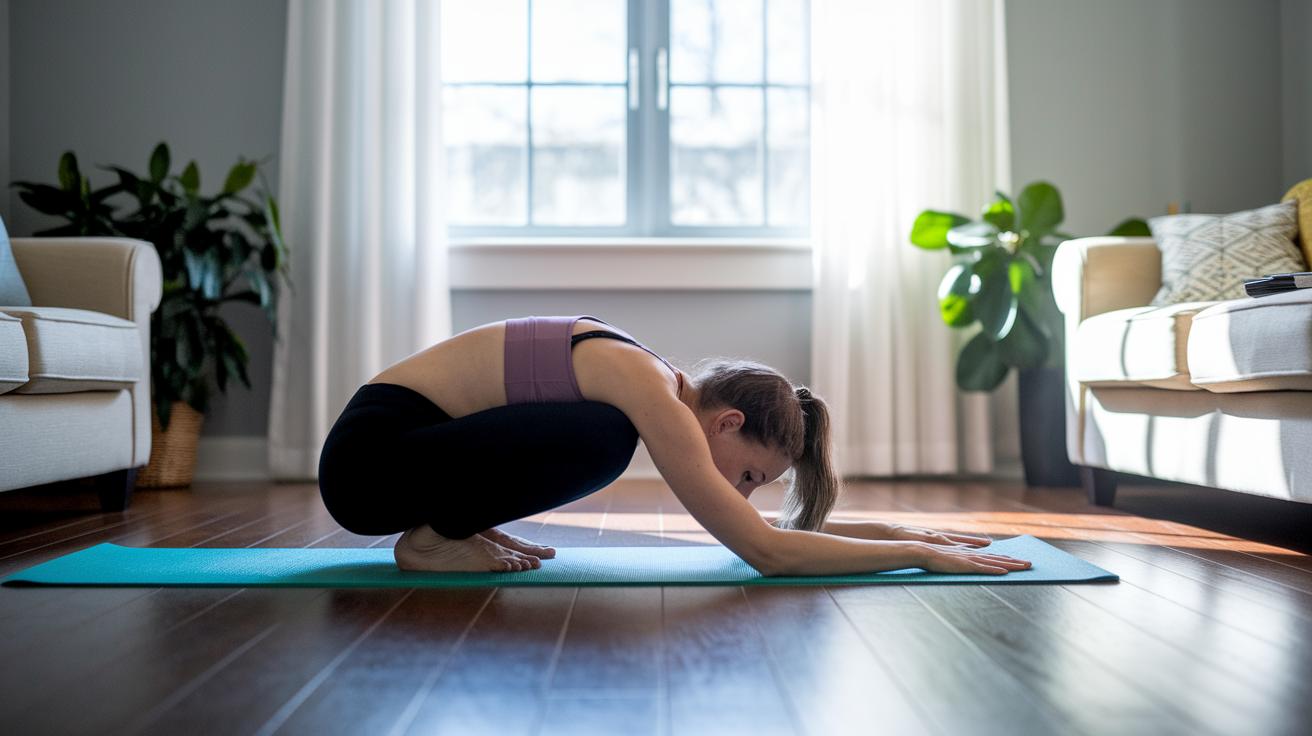
Sometimes life gets a bit much, and a few mindful breaths can really help calm your day. Breathing exercises like pranayama guide your body into a relaxed state, almost like turning down the volume on stress.
Take diaphragmatic breathing, for example. This simple method means taking deep breaths that fill your belly. Imagine feeling a gentle wave of calm with each slow inhale and exhale.
Then there’s Ujjayi breathing. With this technique, you produce a soft, ocean-like sound as you breathe in and out, which can be incredibly soothing. And if you try alternate nostril breathing, also called Nadi Shodhana, it can help balance the energy on both sides of your brain, making you feel more centered.
Studies say that just 5 to 10 minutes of these breathing exercises every day can help lower stress and improve how your body handles tension. It might even help you sleep better and stay focused.
Next time you finish your yoga practice, or whenever you need a moment of peace during your day, try these breathing techniques. They might be the key to inviting a little more calm into your busy life.
Yoga for Stress Relief: Embrace Serene Calm
Start your yoga journey with the Cat-Cow Pose. Get on your hands and knees. As you breathe in slowly, let your back arch and your belly drop, as if you're inviting calm. Then, when you breathe out, round your spine and tuck your chin gently. This simple move helps soothe your back and brings a feeling of ease.
Cat-Cow Pose (Marjaryasana to Bitilasana)
Imagine your back opening like the gentle curve of a soft tree when you inhale, and then slowly curling like a small wave on the exhale. This warm, rhythmic motion not only eases tension but also helps your body relax deeply.
Next, move into Child’s Pose. Kneel with your big toes touching. Gently sit back on your heels and lean forward so that your forehead meets the mat. Let your arms stretch out in front or relax by your sides. This comforting pose helps your hips open and invites a quiet, nurturing calm.
Child’s Pose (Balasana)
Think of it as wrapping yourself in a cozy, warm blanket. This pose gives you a little pause, a moment to simply breathe and feel the gentle care in every stretch.
Then, try the Legs-Up-the-Wall Pose. Lie on your back and rest your legs against a wall so that they point straight up. This position encourages your body’s natural flow and softens away the tension of the day. It feels like a cool, soothing inversion that quietly melts your stress.
Legs-Up-the-Wall Pose (Viparita Karani)
Picture a gentle inversion that relieves your tired legs and mind, leaving you with a light, relaxed feeling.
Finally, settle into Corpse Pose. Lie flat on your back with your arms comfortably at your sides. Close your eyes and just breathe naturally for 5 to 10 minutes. This quiet practice brings all the calm from the other poses together, leaving your body relaxed and your mind refreshed.
Corpse Pose (Savasana)
Imagine ending your practice with a deep, peaceful rest that lets each moment of calm settle in, making you feel renewed and ready for the day ahead.
Building a Relaxation-Focused Asana Routine for Home Practice
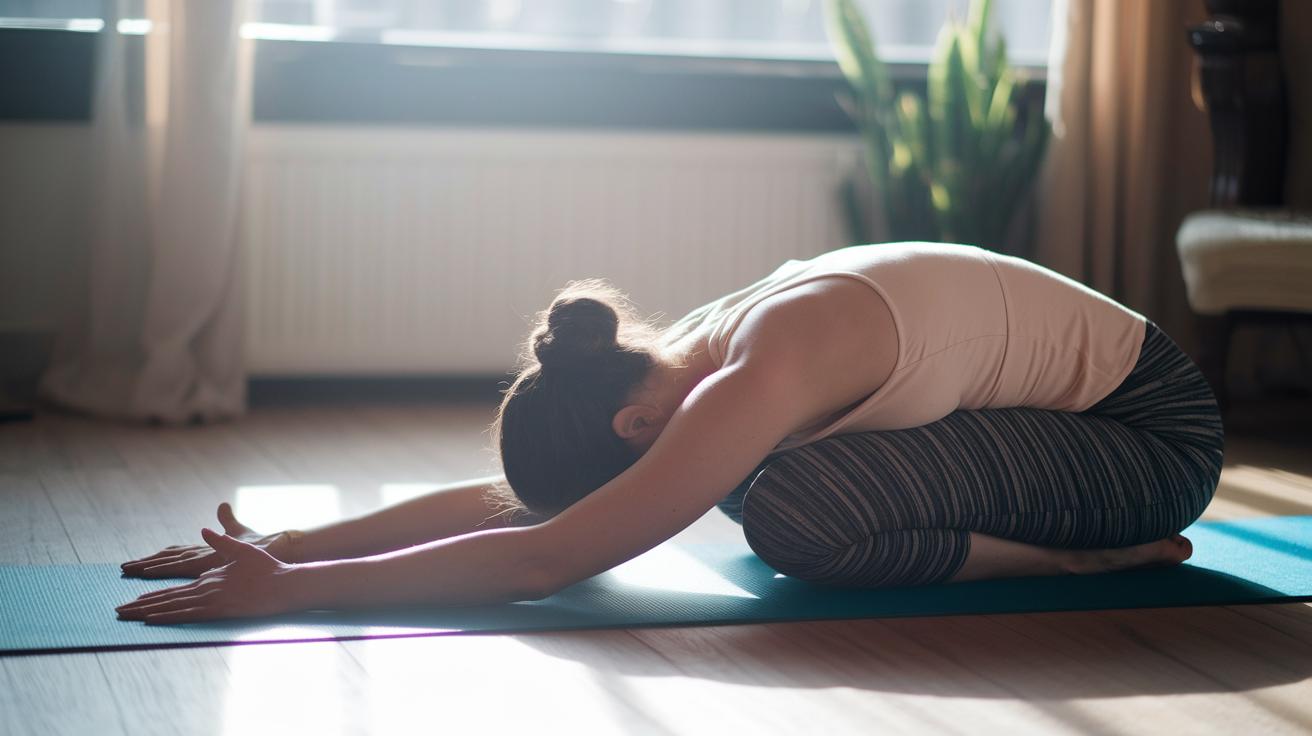
Set aside about 15 minutes for a quiet, calming session where you can let your everyday stress drift away. Begin with Ujjayi breathing, breathe slowly and steadily, and feel as if you're drawing in the cool, soothing air of a gentle ocean breeze. Then, move into simple Sun Salutations that awaken your body with smooth, mindful movement.
After your warm-up, settle into Child’s Pose, a soft, forgiving stretch that wraps you in comfort. When you're ready, lie down for Savasana. This final rest helps you feel completely relaxed as you let go of any remaining tension.
If you're just starting out, try learning from teachers who hold a 200-hour RYT certification. You can also explore free online classes, like those from Yoga-X, that offer clear, step-by-step guidance. Studies suggest that practicing this routine three times a week might reduce stress noticeably.
Picture your practice as a gentle reset button in your day. End with a few deep, calming breaths, and notice how each exhale takes away some of your built-up tension. Over time, this easy, beginner-friendly routine can become a daily habit that refreshes your mind and body, helping you feel more balanced and ready to face the day.
Integrating Yoga Meditation and Mindfulness for Stress Relief
After your yoga session, take a few minutes to sit quietly and meditate. It doesn't matter if you're seated, standing, or lying down, those moments of stillness help ease your mind. Imagine sitting there with a gentle thought like: "I took five deep breaths and let my worries fade away."
Even a short, five-minute guided mindfulness session can help clear your head. This simple practice, paired with your yoga routine, not only soothes your body but also quiets your thoughts. You might try focusing on your breath or a calm word. For example, after a gentle Sun Salutation, close your eyes and slowly count your breaths, noticing how the tension leaves your body with each inhale.
Mixing movement with meditation can even boost your focus and balance your mood. This blend of exercise and mindfulness creates a peaceful pause that deepens your stress relief and invites a gentle calm into your day.
Tips and Best Practices for Daily Yoga for Stress Relief
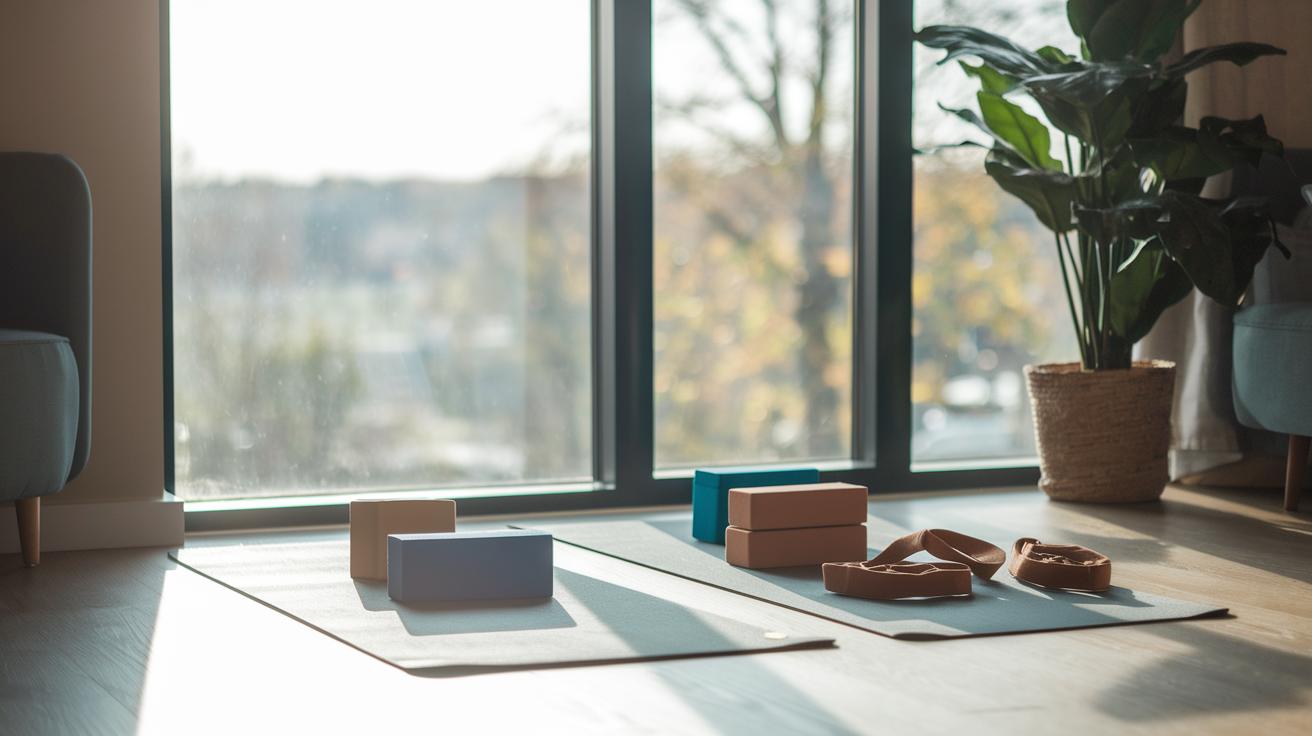
Try to pick a regular time each day for your yoga routine. Find a calm, tidy spot where you can spread out your mat and use any props you need, like blocks or straps. Picture a cozy corner by a window where the gentle morning light greets you as you roll out your mat, it can be your very own little getaway from stress.
Sticking to a routine really makes a difference. Some folks even notice about a 25% drop in stress levels after just four weeks. So, why not mix in not only your yoga poses but also simple ways to chill out, like slow deep breaths or a few gentle stretches when you finish your practice?
Here are a few easy tips:
- Practice at the same time every day, whether it's in the morning or the evening.
- Choose a peaceful and organized spot, and keep the necessary props handy.
- Support your yoga practice with enough sleep, plenty of water, and some time in nature.
By weaving these habits into your daily life, you build a lasting, mindful routine that takes care of both your body and mind.
Final Words
In the action of easing stress, we explored how yoga for stress relief works by quieting the nervous system and lowering cortisol through mindful move and breath. We looked at breathing techniques, poses like Cat-Cow and Child’s Pose, and even simple at-home routines that make mornings or evenings calmer. Each step builds a practice that lifts tension and supports overall wellbeing. Keep moving, breathe deeply, and enjoy the calm that every session brings. Stay positive and embrace the little victories along the way.
FAQ
How does yoga help reduce stress, anxiety, and depression?
The practice of yoga helps reduce stress, anxiety, and depression by calming your nervous system and lowering cortisol levels. Gentle poses combined with controlled breathing promote a deep sense of relaxation and emotional balance.
What online resources can help beginners learn yoga for stress relief?
The use of online resources, such as Adriene’s YouTube sessions and beginner-friendly yoga books, makes it easier to access simple routines and clear instructions that quickly ease tension and build confidence in practice.
What type of yoga is best for stress relief?
The method that best eases stress involves gentle yoga styles like Hatha, Restorative, or Yin. These practices emphasize slow, mindful movements and deep breathing to help soothe your mind and relax your body.
How can a short yoga session quickly reduce stress in just minutes?
The approach of a brief 5–10-minute yoga session, which includes deep breathing and calming postures, helps trigger your body’s relaxation response, lowering tension effectively in just a few minutes.
Does yoga really reduce stress?
The evidence shows that yoga reduces stress by moderating your body’s stress responses and decreasing cortisol. Regular practice improves both physical relaxation and emotional balance, providing a practical way to ease daily tension.