Have you ever thought that changing the way you breathe might give your yoga practice a boost? Every time you take a breath in or out, you get a chance to tune your body and mind.
Yoga breathwork isn’t just about deep breaths. It’s a mindful way to invite balance and clear thoughts into your routine. I remember when I first learned to really focus on each breath, and it brought a special calm that I had never felt before.
In this post, we will look at simple yoga breathing techniques that can refresh your energy and support your overall well-being. Every mindful breath can truly lift your practice and help you feel more balanced.
yoga breathing techniques: Elevate Your Practice
Yoga breathwork, known as pranayama in Sanskrit, means life force lengthening. We take around 23,000 breaths each day, but yoga teaches us to pay attention to every single inhale and exhale. This mindful breathing goes beyond just deep breaths, it tunes your body and mind. I remember learning before my yoga practice that each breath took me closer to my inner calm. When you practice pranayama, you welcome clarity and balance into your routine.
Our mind, body, and breath are closely linked. Focusing on your breath can calm your nerves and even help with an upset stomach. In a yoga session, your breath guides your moves; you stretch further as you inhale and slowly fold as you exhale. This gentle energy flow deepens your poses while boosting your overall well-being. It’s a reminder that simply paying attention to how you breathe can ease stress and clear your mind.
Breathing through your nose is key in yoga. Your nose filters nearly 20 billion particles every day and adjusts the temperature of the air so it feels just right when it reaches your lungs. Noticing your breathing can sharpen your focus and help you relax as you move through your practice.
| Technique | Description |
|---|---|
| Ujjayi | A slight throat contraction creates an ocean-like sound to help focus. |
| Kapalabhati | Quick exhalations clear energy and refresh the mind. |
| Nadi Shodhana | Alternate nostril breathing that balances energy and lowers blood pressure. |
| Bhastrika | The bellows breath boosts metabolism and supports digestion. |
| Bhramari | Humming like a bee soothes the mind and harmonizes emotions. |
| Shitkari | A gentle hissing sound cools the body and eases heat. |
| Sitali | A cooling breath that reduces heat and calms the body. |
Mastering diaphragmatic yoga breathing: the foundation of breath control
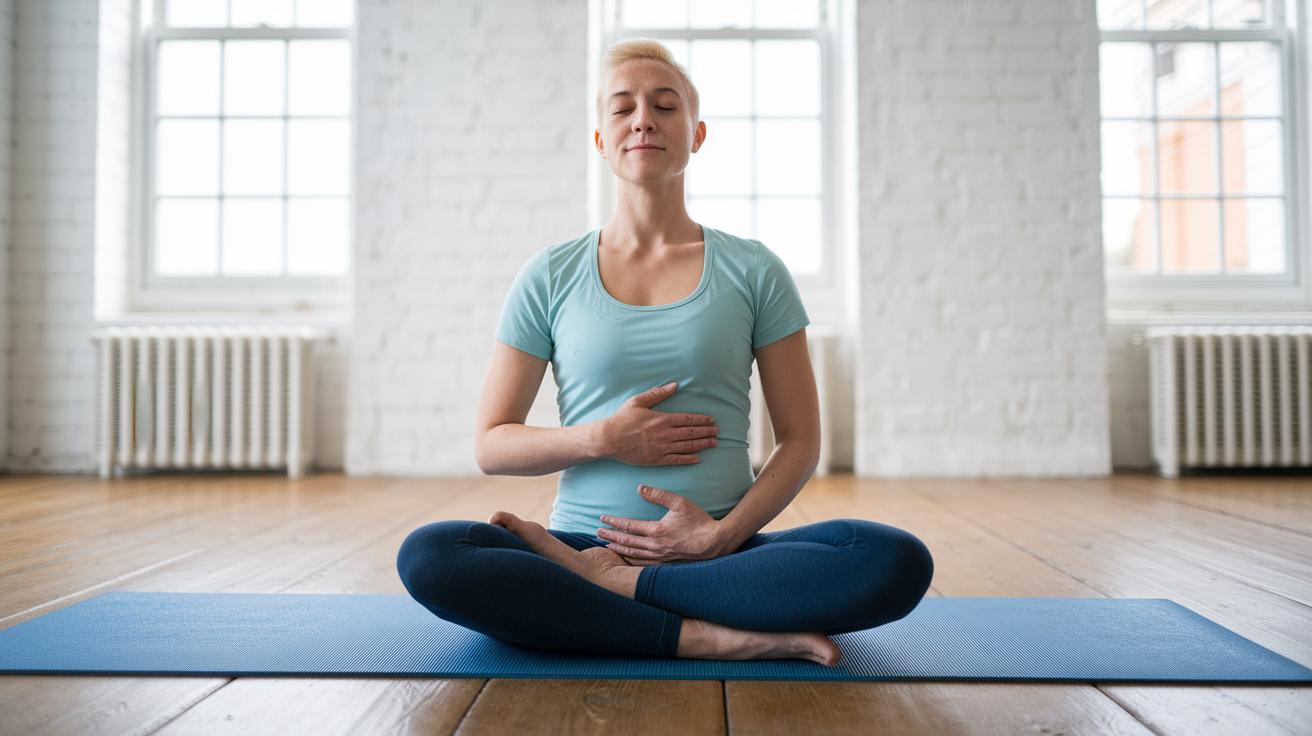
Diaphragmatic breathing is a way to use your diaphragm so you can take deep, full breaths. Instead of shallow chest breathing, it helps you use your belly for more complete breaths. This simple practice teaches you to breathe in slowly and let your air out completely. It boosts your oxygen flow and sets you up for more advanced yoga techniques.
- Sit or stand with your back straight and your shoulders relaxed. Keep your feet flat on the floor so you feel steady.
- Gently rest one hand on your belly. Feel how your tummy naturally rises and falls as you breathe.
- Slowly breathe in through your nose. Let your belly fill with air like a soft balloon.
- Breathe out fully through your nose, using your diaphragm to push the air out. Let your belly drop naturally.
- Notice if your chest or shoulders start to rise. If they do, simply shift your focus back to your belly.
Each step builds your ability to breathe smoothly and mindfully. Over time, this practice will help both your body and mind feel more prepared for deeper yoga sessions.
Core pranayama techniques in yoga breathing practice
This part dives deeper into the traditional background and advanced tweaks of these breathing exercises. It goes beyond the basics to show how seasoned practitioners make the techniques their own. For example, ancient texts once called Ujjayi the ocean's whisper, a gentle way to focus that allows experienced yogis to hold the breath longer and sink deeper into meditation.
These methods come from a long history of yoga. Many adept practitioners change the rhythm, speed, or duration of their breaths to boost things like mental clarity or energy flow. Some even extend Kapalabhati to ready the body for meditation, while others modify Nadi Shodhana by adding short breath pauses to perfect their inner balance.
| Technique | Purpose | Key Steps |
|---|---|---|
| Ujjayi | Originally used to deepen focus; advanced users may stretch the breath cycle | Gently squeeze your throat as you breathe through your nose, playing with longer inhales and exhales |
| Kapalabhati | Started as a cleansing breath; now used to prepare the body for calm reflection | Quick, forceful exhalations paired with gentle, natural inhales, speeding up as you become comfortable |
| Nadi Shodhana | Helps balance the inner flow; advanced techniques add little breath holds for extra balance | Alternate blocking each nostril with steady breathing, adding brief pauses as you improve |
| Bhastrika | Boosts energy levels; intensifying the practice can heighten internal vigor | Use your diaphragm for strong inhales and exhales, slowly building up the duration |
| Bhramari | Calms the mind; advanced humming techniques can ease deep mental tension | Take a deep breath and exhale with a soothing humming sound, adjusting the pitch to match your mood |
| Shitkari | Helps cool the body; subtle changes let you tailor the cooling effect | Inhale through slightly parted lips to create a soft hissing sound, playing with the timing |
| Sitali | Provides a cooling sensation; experts may change the rhythm for a custom practice | Roll your tongue into a tube, breathe in cool air, then exhale slowly through your nose, adjusting your pace as needed |
Benefits of yoga breathing techniques for body and mind
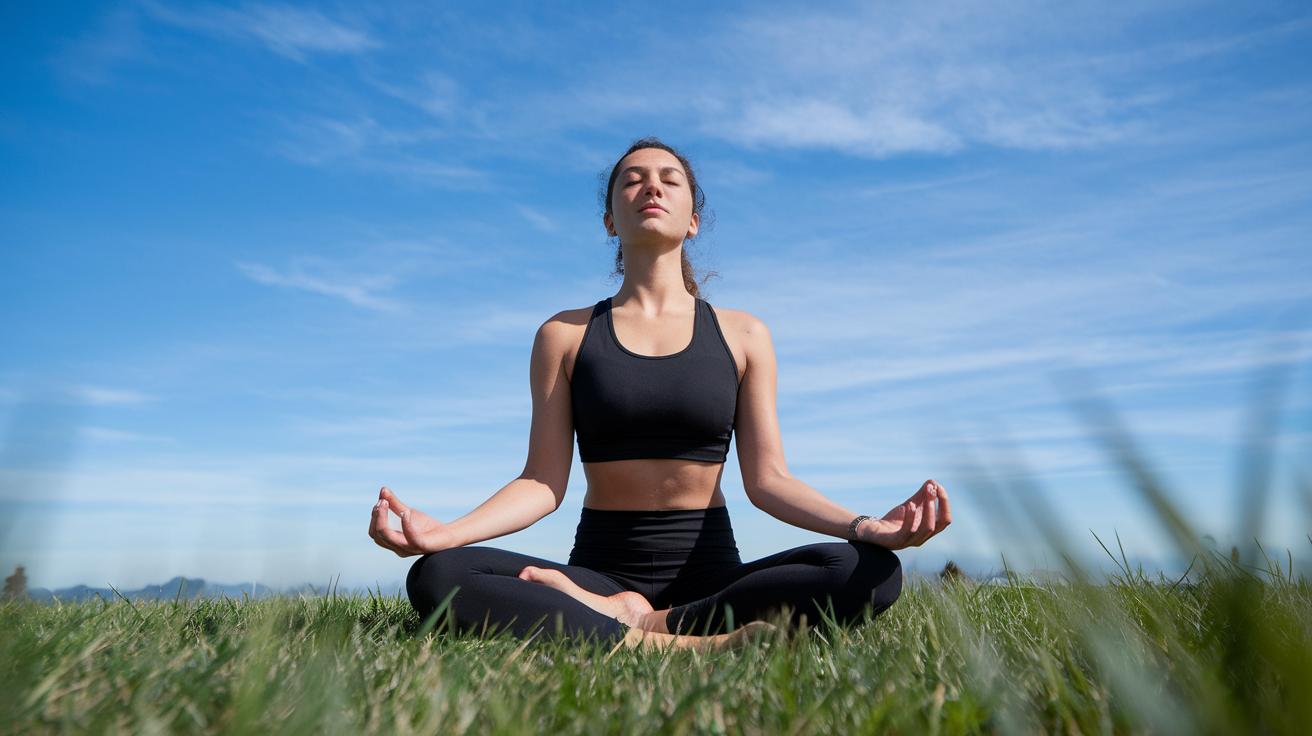
Yoga breathing is a simple way to boost your overall health. When you pay attention to your breath, you naturally slow down your heart and lower your blood pressure. It’s like giving your body a gentle reset. This mindful approach even helps your digestion and keeps your metabolism steady. Imagine drifting off to sleep faster because your breathing sets a calming rhythm.
Taking a deep, thoughtful breath also wakes up a special nerve in your body that helps balance your emotions. This makes managing stress a bit easier on those hectic days. Plus, deep breathing helps your body use oxygen better, which can strengthen your immune system and even boost your lung power.
- Lowers stress by slowing your heart and easing blood pressure.
- Aids your digestion and keeps your metabolism on track.
- Helps improve sleep with a calm, rhythmic breath.
- Activates a nerve that balances your feelings.
- Strengthens your immune system with better oxygen use.
- Increases lung capacity for fuller, deeper breaths.
- Calms anxiety with a slow and focused exhale.
Common mistakes and safety tips for yoga breathing techniques
Yoga breathing can be a soothing and refreshing experience, but it's easy to miss small details that keep things safe. When you focus on these techniques, remember that a little caution goes a long way in keeping your body balanced and preventing any unwanted side effects.
-
Holding your breath for too long without guidance.
Tip: Try Kumbhaka (which means holding your breath) only when you're with a qualified teacher. This way, you can avoid issues like dizziness and stay safe. -
Tightening your throat too much during Ujjayi breathing.
Tip: Keep your throat relaxed. Think of it like a soft squeeze instead of a tight grip, so you steer clear of unnecessary strain. -
Breathing too fast without control.
Tip: Slow things down gradually. Count your breaths to help set a steady pace and reduce the risk of hyperventilation. -
Overlooking important health conditions.
Tip: If you're pregnant or have heart concerns, skip the advanced tricks until you consult with a professional who can guide you safely. -
Rushing to improve breath retention too quickly.
Tip: Gradually build up your practice. Let your body get used to each step so your nervous system adapts the right way.
Integrating yoga breathing techniques into your practice
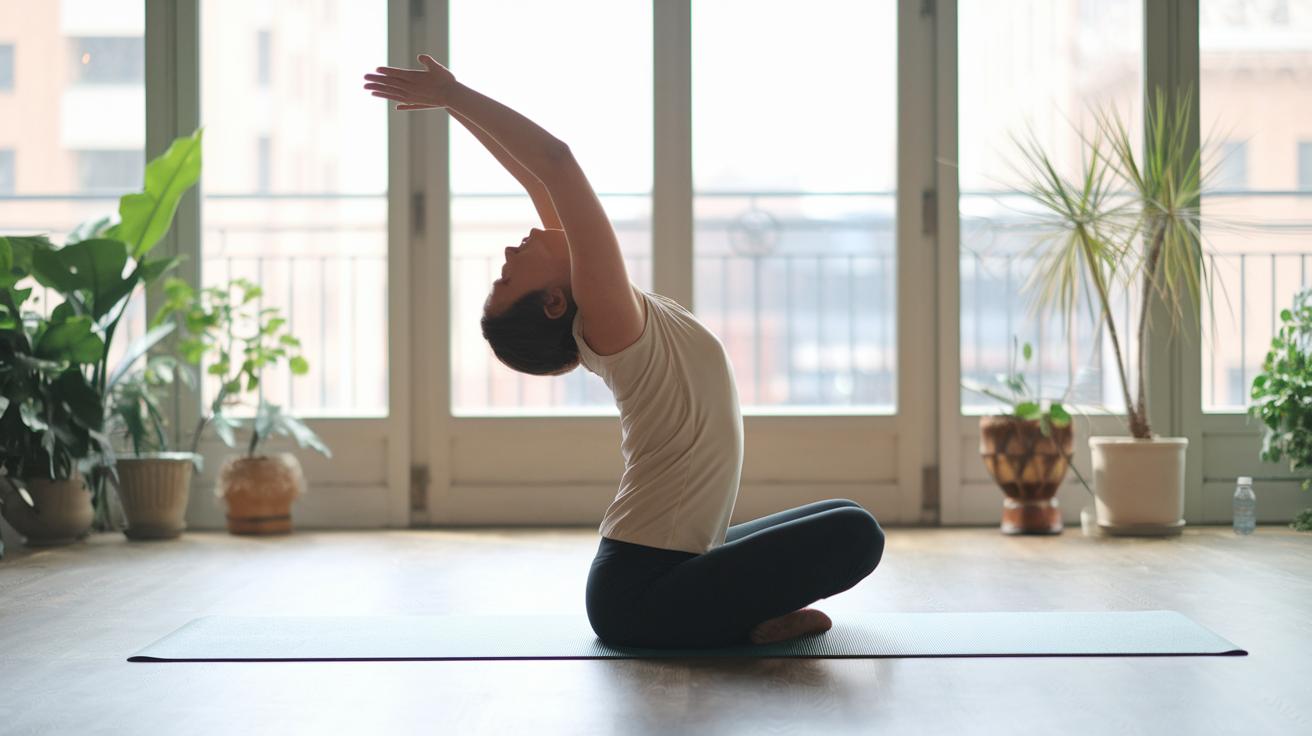
Yoga breathing helps you stay focused and moves your body with ease. When you line up your inhales and exhales with each part of your routine, you create a natural, calming rhythm that makes your practice feel whole. Imagine taking a slow, deep breath as you expand and releasing it softly when you fold, it makes every move flow better. Simple tips, like counting your breaths, can make it easier to stay in sync and boost your core strength while you enjoy a relaxed session on the mat.
Synchronizing breath and movement
Linking your breath to your movement is super simple. Try breathing in as you open your chest and out as you fold forward. For example, in a Sun Salutation, slowly lift your arms with a deep inhale, then gently bend forward on your exhale. This steady back-and-forth keeps your body moving smoothly and helps you stay strong and focused.
Breath cues for key yoga poses
- Sun Salutation: Inhale to open up, exhale to fold forward.
- Warrior II: Inhale while stretching your arms, exhale as you go deeper into the pose.
- Tree Pose: Take slow, deep inhales to center and balance yourself.
- Bridge Pose: Inhale to lift your hips, exhale to lower them softly.
- Seated Forward Bend: Breathe in to lengthen, breathe out to deepen the stretch.
Advanced yoga breathing retention and energy activation practices
When you practice advanced yoga breathing, you'll discover two main techniques: Antar Kumbhaka is the pause right after you breathe in, and Bahir Kumbhaka is the pause after you breathe out. These pauses help you notice subtle shifts in your body's energy. Imagine feeling the gentle pulse of life energy with every breath. Holding your breath even for a moment wakes up your prana (the life energy flowing through you) and brings a calm yet active energy that steadies both your body and your mind. For example, a soft hold after an inhale can make your exhale feel more controlled and deeply refreshing.
Keeping your breath for a bit does more than just energize your lungs, it also sparks your vagus nerve, which helps smooth your digestion and keeps your emotions balanced. By following a steady timing like a simple 1:1:1 ratio for breathing in, holding, and breathing out, you create a safe base to slowly extend your retention time. This mindful routine can boost the flow of prana and help you feel more connected to your natural rhythm.
- Start with a 1:1:1 rhythm, inhaling, holding, and exhaling with smooth and calm movements.
- Move on to a 2:1:2 rhythm when you feel ready, lengthening the hold.
- Gradually experiment with a 3:2:3 rhythm as your practice deepens and your control grows.
Final Words
In the action, we explored how effective studio practices can tie movement with mindful breath. The article walked through understanding prana, mastering diaphragmatic control, core pranayama methods, and safer ways to practice.
The discussion broke down easy steps and offered insights into maintaining body alignment and mental calm. Embracing these yoga breathing techniques can help you refine your practice and bring more balance into everyday living. Stay inspired and keep moving forward with positivity.
FAQ
What are yoga breathing techniques for beginners?
Yoga breathing techniques for beginners introduce mindful exercises like deep diaphragmatic and alternate nostril breathing to calm the mind, relax the body, and set a strong foundation for practice.
How do yoga breathing techniques help with anxiety?
Yoga breathing techniques for anxiety ease the mind by promoting slow, controlled inhales and exhales, which help lower stress levels and support a feeling of calm and well-being.
What are 5 yoga breathing exercises?
Five yoga breathing exercises include diaphragmatic breathing, alternate nostril breathing, Ujjayi (ocean breath), Sitali (cooling breath), and Kapalabhati (rapid exhalations), each offering distinct benefits.
What are the names of popular yoga breathing techniques?
Popular yoga breathing techniques include Ujjayi, Kapalabhati, Nadi Shodhana, Bhastrika, and Bhramari—each designed to adjust breath patterns for enhancing well-being.
Where can I find yoga breathing techniques on YouTube?
YouTube hosts many videos showing yoga breathing techniques; trusted health channels provide clear demonstrations of moves like alternate nostril and diaphragmatic breathing.
Is there a PDF available for yoga breathing exercises?
Yoga breathing exercises PDF guides are available that offer step-by-step instructions with illustrations, making it easier to learn and practice each technique safely.
Which yoga breathing exercises benefit lung health?
Yoga breathing exercises for lungs, such as deep diaphragmatic breathing, help improve lung capacity and oxygen flow, supporting better respiratory strength and overall wellness.
How should I inhale and exhale in yoga practice?
In yoga, you should inhale during expansion and exhale during folding, keeping your breath steady and synchronized with movement to enhance each posture and relaxation.
What is the best yoga breathing technique?
The best yoga breathing technique can vary by need, but many find that alternate nostril breathing balances energy and calms the mind, making it a popular choice for most practitioners.
What is the 4 7 8 breath method in yoga?
The 4 7 8 breath method involves inhaling for 4 counts, holding for 7 counts, and exhaling for 8 counts, promoting deep relaxation and reducing stress effectively.
What are the five basic pranayamas or golden rules for yoga breathing?
The five basic pranayamas and golden rules for yoga breathing focus on maintaining a mindful rhythm, proper posture, controlled inhales, steady holds, and smooth exhales to support overall health.