Have you ever eaten salmon that tastes so clean and fresh you feel it in every bite? Whole Foods has salmon that not only delights your palate but also helps you build a balanced meal. They serve farm-raised Atlantic salmon in neat 4 oz portions that feel just right. The fish has a soft, buttery flavor paired with lean protein and fats that are kind to your heart. Today, we look at two simple ways to enjoy this tasty treat, showing how each piece adds quality and care to your meal.
2 whole foods salmon delights with pure flavor
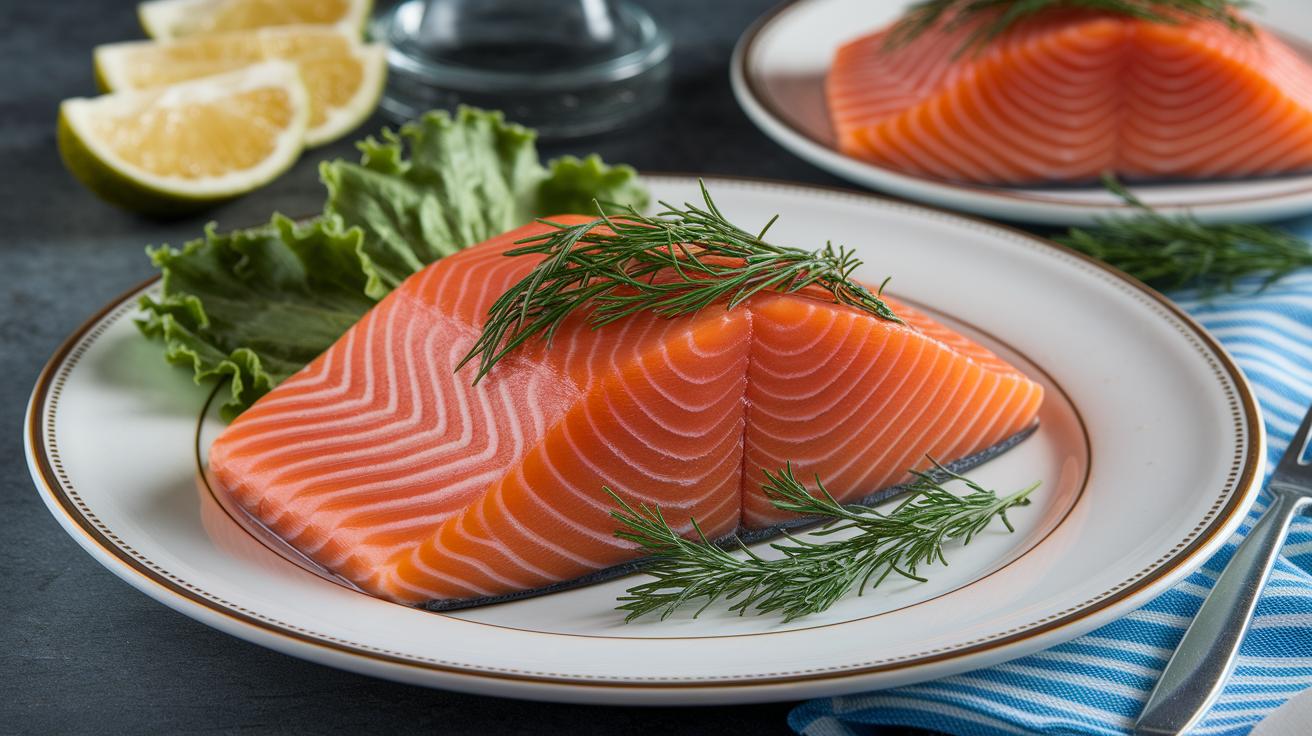
Whole Foods Market has built its reputation on quality. They offer farm-raised Atlantic salmon fillets under the Certified Select Catch label, so you know every piece meets high standards. Each fillet is 4 oz (113 g), a perfect size for a balanced meal that supports healthy eating.
These fillets come with a mild yet satisfying taste, and shoppers love their smooth texture and buttery flavor. In fact, in blind taste tests, many people noted that the clean, fresh taste brought a genuine smile to their faces.
Whole Foods leads the market with careful seafood selection. They take pride in providing products that taste great and are nutritionally sound. With lean protein and essential omega-three fatty acids (healthy fats that help your heart), these portions truly support your well-being.
Choosing these farm-raised salmon fillets means you get quality and pure flavor, and it aligns with Whole Foods' commitment to excellent, fresh seafood.
Whole Foods Salmon Sourcing: Wild-Caught vs Farm-Raised Choices
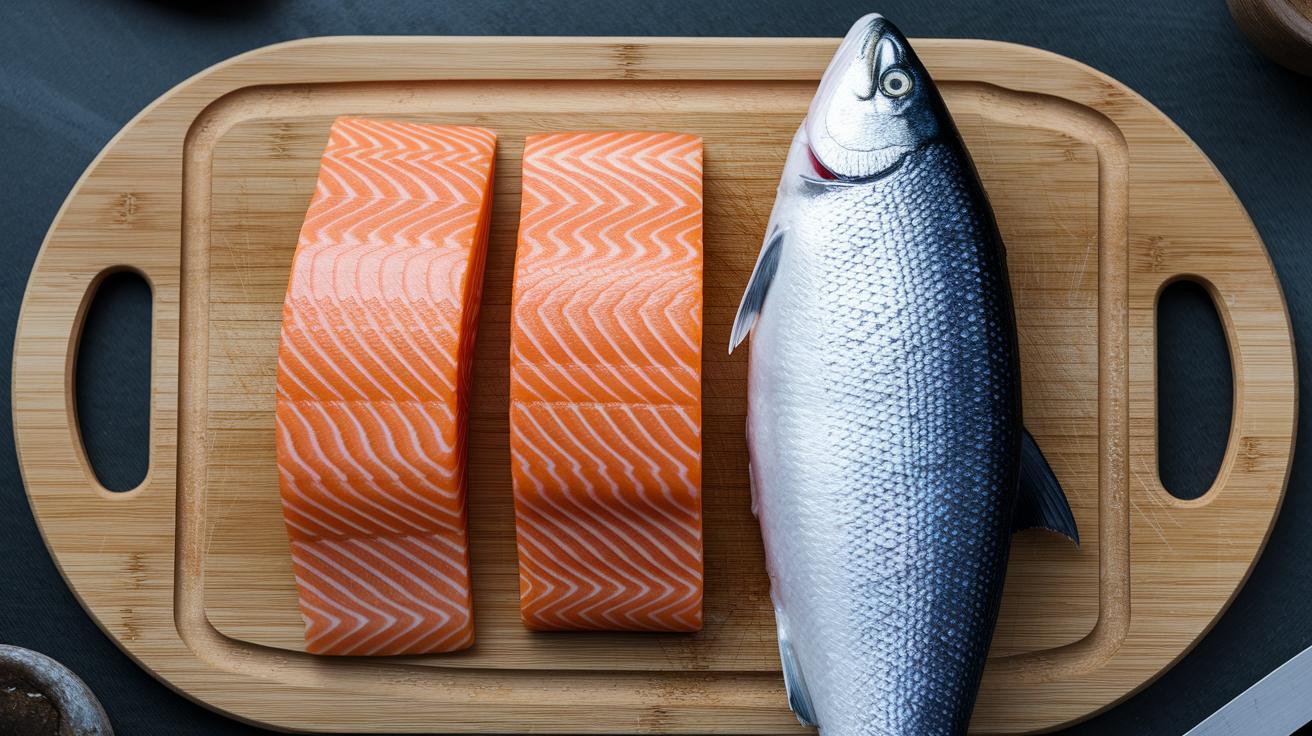
Whole Foods provides two salmon choices that are carefully sourced to meet high quality standards. One option is farm-raised Atlantic salmon fillets that come from a well-managed aquafarm. This salmon is certified by the Global Aquaculture Alliance, so each piece meets strict guidelines for animal care and environmental health. Imagine biting into a delicious salmon that not only tastes great but is also raised with true care.
Alternatively, Whole Foods also offers wild-caught salmon like Alaskan Sockeye and Coho. These fish come from the North Pacific and are tracked with reliable sustainability labels. Many shoppers love the firmer texture and richer flavor of wild-caught salmon when they create a special meal at home.
Think of it this way: one choice earns a certified label, while the other is completely traceable from its source. Both options deliver excellent taste and health perks, yet they suit different cooking styles and lifestyles. Each one meets high industry standards, ensuring you get fresh, responsibly sourced seafood.
In the end, Whole Foods shows its commitment to ethical seafood by providing both managed farm-raised and traceable wild-caught salmon. This lets you pick the option that best fits your taste and values.
Whole Foods Salmon Nutrition Facts and Health Benefits
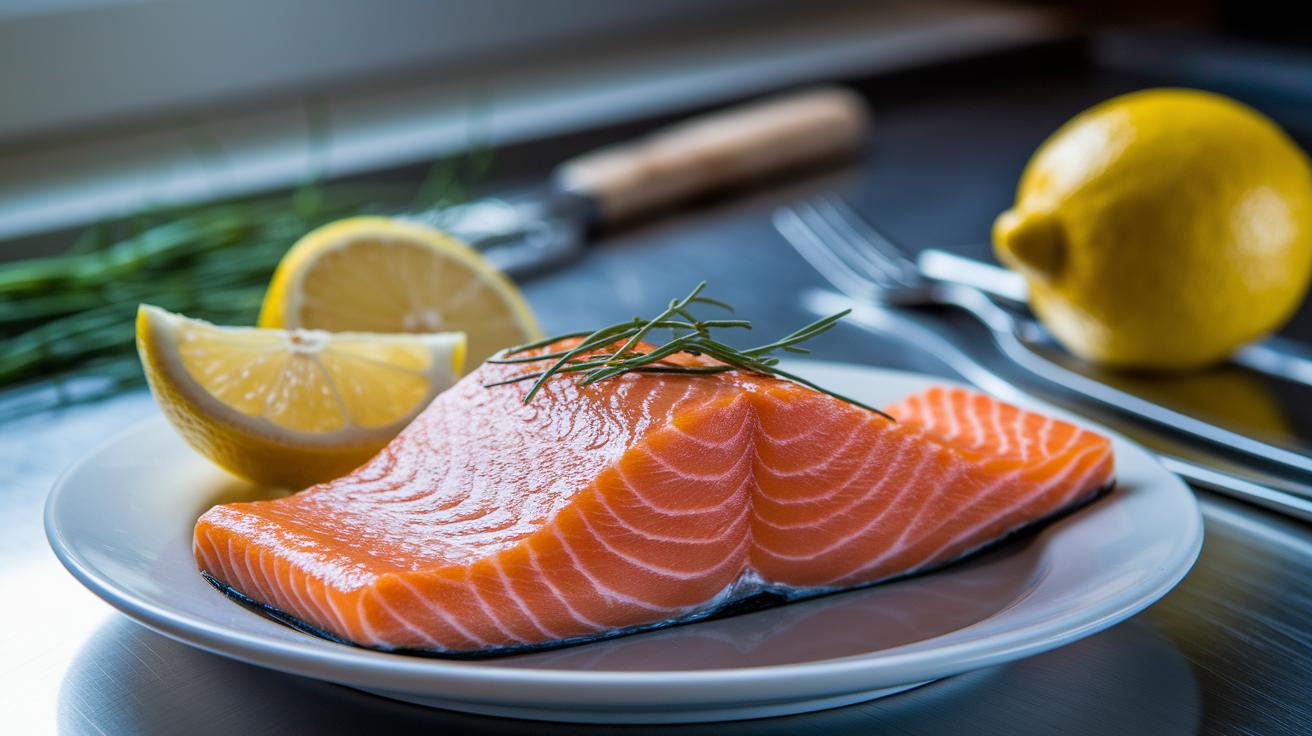
A 4 oz serving of farm-raised salmon is a nutritional treat. It brings lean protein and healthy fats to your plate in each bite. Did you know that one serving offers about 200 to 250 calories and roughly 22 grams of protein? It’s a great option if you're after a well-balanced meal that supports an active lifestyle.
This salmon fillet also offers a healthy dose of fats. A large part of these fats comes from omega-3s. Omega-3s are special fats that help your brain and heart work better while lowering inflammation. They even help keep you feeling energized throughout your busy day.
When you compare farm-raised salmon with wild-caught salmon, you might notice a few differences. Wild-caught varieties are usually leaner with a bit fewer calories. But don’t worry, farm-raised salmon still gives you plenty of tasty protein and omega-3s, plus a wonderfully tender texture and buttery flavor.
What’s even better? The nutrition facts here work like a handy guide. With a clear breakdown of calories and protein, you can easily track what you’re eating. That way, you can choose foods that support your healthy lifestyle at every meal.
Keep in mind, these numbers aren’t just facts. They’re clues that can help you take steps toward a heart-healthy, energetic life.
Whole Foods Salmon Pricing and Seasonal Availability

At Whole Foods, you can find salmon that fits your budget and your taste. They offer a reliable farm-raised Atlantic salmon for around $12.99 to $17.99 per pound. This option is available all year, so you can easily plan your meals without worrying about the cost.
If you're in the mood for a richer, firmer flavor, Wild-Caught Alaskan salmon, like Sockeye or Coho, might be just what you need. These are available only from May to September and cost between $19.99 and $24.99 per pound. It’s a treat that brings a unique taste of the season.
For those busy days when planning ahead is key, Whole Foods also has archive frozen fillets at $14.49 per pound. Tucked away in the seafood freezer, these fillets make it simple to enjoy great salmon any time of the year.
Here are a few takeaways:
- Farm-raised Atlantic salmon is a steady, budget-friendly option all year.
- Wild-Caught Alaskan salmon shines from May to September with a richer flavor.
- Archive frozen fillets give you a dependable choice when fresh catch isn’t available.
| Salmon Type | Price per Pound | Season |
|---|---|---|
| Farm-Raised Atlantic | $12.99–$17.99 | Year-Round |
| Wild-Caught Alaskan | $19.99–$24.99 | May–September |
| Archive Frozen Fillets | $14.49 | Year-Round |
Whole Foods makes it easy to enjoy healthy, delicious salmon. Whether you're looking for everyday meals or a special treat during wild-caught season, they have options to fit your needs. Enjoy crafting meals that nourish both your body and your spirit.
Whole Foods Salmon Flavor Profiles and Recipe Pairings
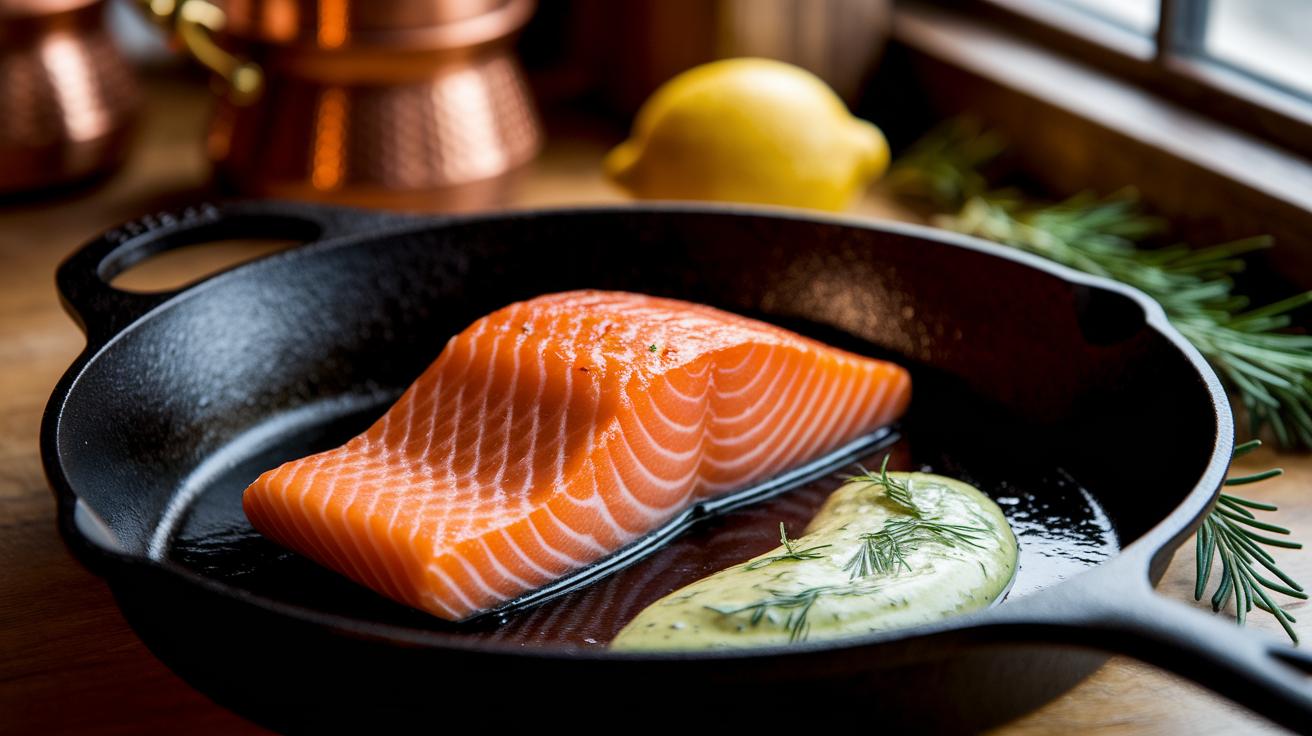
At Whole Foods, salmon offers a range of delicious flavors that can spark your culinary creativity. Farm-raised salmon has a light, buttery flavor and a tender feel that works well with simple cooking methods. In contrast, wild-caught salmon has a firmer texture and a richer taste that stands up nicely to hearty seasonings. Picture the satisfying sizzle as you pan-sear each piece, locking in freshness and creating those inviting crispy edges.
Many folks enjoy grilling salmon to add a gentle smoky touch, roasting it to bring out natural juices, or even smoking it for a delicate hint of wood-fired flavor. These familiar cooking techniques can turn a regular meal into something truly special.
Try adding a creative twist with flavor pairings like:
- A zesty lemon-dill sauce for a bright, citrus note.
- A garlic-rosemary crust that brings out the aroma of earthy herbs.
- A blackened spice rub for a bold, kickin’ taste.
Each option invites you to play around with textures and flavors, making every salmon dish from Whole Foods a delight for both everyday meals and those special dinner occasions.
Whole Foods Salmon Customer Feedback and Store Locator

Whole Foods customers are loving their farm-raised salmon. Many reviews rate it around 4.6 out of 5 stars from over 1,200 happy voices. Shoppers mention its rich flavor, soft texture, and fresh taste. One customer even shared, "I can't get enough of the taste and ease of preparing these salmon fillets," showing just how much people enjoy it.
Whole Foods also holds fun sampling events every month at over 300 stores across the U.S. These in-person tastings let you try the salmon before you buy it. Imagine walking into your local store and getting a sample that feels like a mini food festival right in the aisles! The store staff often suggest the salmon for easy weeknight dinners, praising how simple it is to prepare and how reliably good it tastes. The positive feedback makes you feel confident that every fillet can turn an ordinary meal into something special. Find your nearest store today and treat yourself to this premium salmon.
Final Words
In the action, we explored how whole foods salmon brings together quality, taste, and health benefits. We examined both farm-raised and wild options, looked at nutrition facts, pricing details, and even shared creative recipe ideas. Readers got a clear picture of how whole foods salmon meets strict quality standards and offers balanced, nutrient-rich meals. Enjoy the fresh flavors and smart choices for a healthier lifestyle.
FAQ
What does Whole Foods salmon frozen mean?
The term Whole Foods salmon frozen refers to salmon that has been frozen right after processing, keeping its freshness and quality year-round for your convenience.
How is Whole Foods salmon priced and sold?
The Whole Foods salmon price varies by type, with farm-raised Atlantic ranging around $12.99–$17.99 per pound and wild-caught options slightly higher. Sale prices sometimes appear during seasonal stock.
What should I know about Whole Foods salmon sashimi?
The Whole Foods salmon sashimi is prepared for raw consumption, sliced thinly with attention to safety and quality, meeting sushi-grade standards for a fresh, clean taste.
What distinguishes Whole Foods smoked, cooked, and stuffed salmon?
Whole Foods smoked and cooked salmon is processed with care to preserve flavor and texture, while stuffed salmon is prepared with quality fillings, offering a ready-made option for easy meal planning.
How does Whole Foods wild-caught salmon compare to farm-raised options?
Whole Foods wild-caught salmon offers a firmer texture and richer flavor, often sourced from North Pacific fisheries, contrasting with the farm-raised Atlantic varieties noted for consistent quality.
How do customers review Whole Foods salmon fillet?
Customers review Whole Foods salmon fillet positively, praising its freshness, flavor, and convenient 4 oz portion size, making it a reliable option for everyday cooking.
Is the salmon at Whole Foods considered good quality?
The salmon at Whole Foods is widely regarded as good quality, meeting strict freshness and sustainability standards that many shoppers appreciate for both taste and health benefits.
Which store-bought salmon is regarded as the healthiest?
Many believe that Whole Foods wild-caught salmon is among the healthiest, offering high omega-3 content and leaner nutritional profiles, though farm-raised options also provide balanced nourishment.
Where does Whole Foods source its salmon?
Whole Foods sources its salmon from carefully selected farms certified by the Global Aquaculture Alliance and from wild fisheries in the North Pacific, ensuring traceability and quality.
Which supermarket has the best salmon offerings?
Whole Foods is often seen as a top option due to its strict quality standards, diverse sourcing of farm-raised and wild-caught salmon, and the consistent positive feedback from its customers.
Where can I find wild-caught salmon near me?
You can use the Whole Foods store locator online to find locations offering wild-caught salmon, ensuring access to ethically sourced, premium-quality seafood in your area.
What can be said about other Whole Foods products like colostrum and organic beef?
In addition to salmon, Whole Foods offers a range of products such as colostrum and organic beef, each meeting high standards of quality and purity to support a health-focused lifestyle.