Have you ever tasted something that turns a simple meal into a special treat? At Whole Foods, you can pick up a mirin that adds a naturally sweet twist to your dishes. Eden Foods Mirin is brewed with koji (a natural fungus used to ferment foods), so you get a fresh, honest flavor without any extra additives. Imagine drizzling a little bit of liquid magic over your stir-fry or sauce, turning every bite into a delight. In this post, I'll share how this traditional ingredient can change the way you cook at home.
Locating Whole Foods Mirin: Availability, Pricing, & Purchase Options
At Whole Foods, you'll easily spot Eden Foods Mirin Rice Cooking Wine (10 oz) while you shop for fresh fruits, vegetables, meats, dairy, and everyday items. This choice fits right into a store known for its love of authentic Japanese flavors.
If you wander into the international or Asian cooking aisle, you’ll find this mirin on the shelves. It’s naturally sweet and brewed with koji (a type of mold used in Japanese cooking) and comes with a clean label free from added sugar or synthetic enzymes. This makes it a great pick if you enjoy traditional recipes. Prices usually match what you’d expect for a premium Japanese rice wine, so you know you’re getting quality at a fair rate.
You can grab the 10 oz bottle in the store or order it online with just a few clicks. This means whether you enjoy a leisurely trip through the aisles or prefer shopping from home, the mirin is always within reach. And if you need more than one bottle, there are bulk discounts that work well for busy kitchens or small events.
The product page lets you read and write reviews, add the bottle to your wish list, and even sign up for personalized offers. This extra touch makes shopping feel friendly and simple. Clear pricing and handy offer alerts help you make smart, confident choices with every visit.
Whole Foods Mirin Brand Spotlight & Comparison
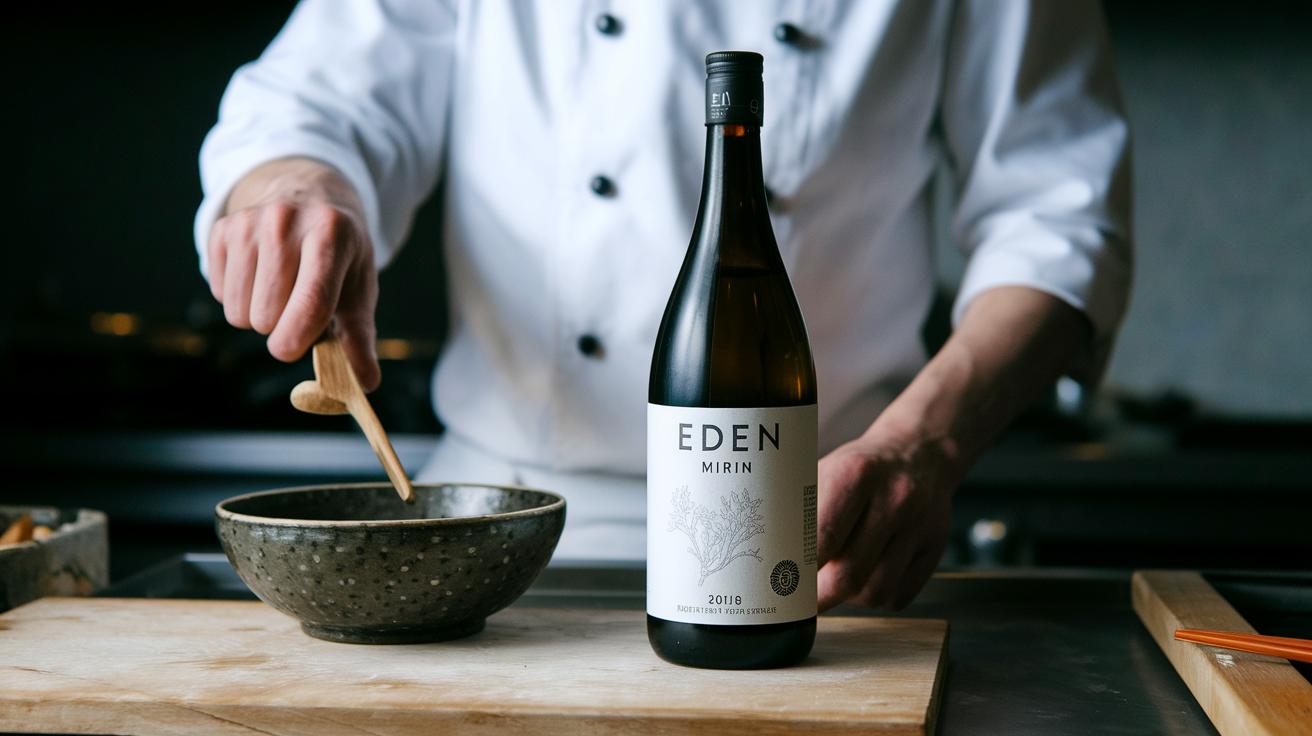
Eden Foods Mirin is a clear favorite on the shelves because of its special brewing method. It’s made with koji, a natural mold used in Japanese cooking, and it has no added sugar or man-made enzymes. This means you get a naturally sweet and savory taste that can lift your favorite dishes. Picture a chef mixing a sauce and remarking that its flavor unfolds like a secret melody, honest and true.
When you look at other brands, you quickly notice key differences. Many others add extra sweeteners or use synthetic ingredients to fake a natural taste. That approach can change the flavor, making it less clean and pure. On the other hand, Eden Foods sticks to a traditional brew that brings you an authentic taste of Japanese cuisine.
If you keep exploring the aisle, you might also see Shaoxing wine. This Chinese rice wine is made using wheat, so it isn’t gluten free. There are two types available: one you can drink warm and another salted variety just for cooking. Its taste and ingredients are very different from Eden Foods Mirin, which proudly uses only rice, water, koji, and sake.
In simple words, Eden Foods Mirin offers a true taste born from age-old brewing traditions. Its clear labeling and natural ingredients make it a favorite pick among many on the shelves. When compared to other brands, its balanced natural sweetness and lack of synthetic additives truly set it apart.
Every drop brings a taste that takes you back to classic, real culinary traditions. It’s a reminder of what makes a flavor memorable and true to its roots.
Whole Foods Mirin: Delight in Every Drop
Mirin brings a gentle sweetness and savory flavor that has earned its place in Japanese cooking over many years. It gets its special taste from a time-honored brewing method that turns rice and koji (a type of fungus that helps with fermentation) into a treasured liquid. This flavor-packed liquor gives your dishes a soft, layered taste that can lift everything from hearty dashi broths to lively stir-fries. Picture a chef casually sharing, "Every drop carries a bit of magic," much like the unexpected joy from a perfectly balanced meal.
Both chefs and home cooks can enjoy mirin in many ways. Its adaptable nature makes it a favorite go-to in countless recipes. Here are some great ideas for using mirin:
| Usage | Description |
|---|---|
| Dashi broth enhancer | Adds extra depth to a warm, comforting broth. |
| Teriyaki and glaze base | Creates a sticky, sweet, and savory coating. |
| Stir-fry flavor booster | Lifts the taste of quick, sizzling dishes. |
| Soup seasoning | Brings a balanced taste to simple soups. |
| Salad dressing component | Adds a soft sweetness to fresh greens. |
| Marinade ingredient | Tenderizes and flavors meats and vegetables. |
| Dip and sauce thickener | Gives thickness and a rich flavor to dips. |
When you swap Shaoxing wine for mirin, it helps to use less extra sugar so the flavor stays balanced. Mirin's natural sweetness goes perfectly with shoyu soy sauce, creating layers of taste that work great for simple meals or more creative dishes. Whether you're drizzling it on grilled fish or mixing it into a homemade salad dressing, every drop invites you to enjoy a rich, traditional flavor that makes each bite special. If you're a home chef ready to experiment with Asian flavors, even small tweaks can bring out the authentic taste that has made mirin a kitchen favorite.
Substitutes & Alternative Options for Whole Foods Mirin
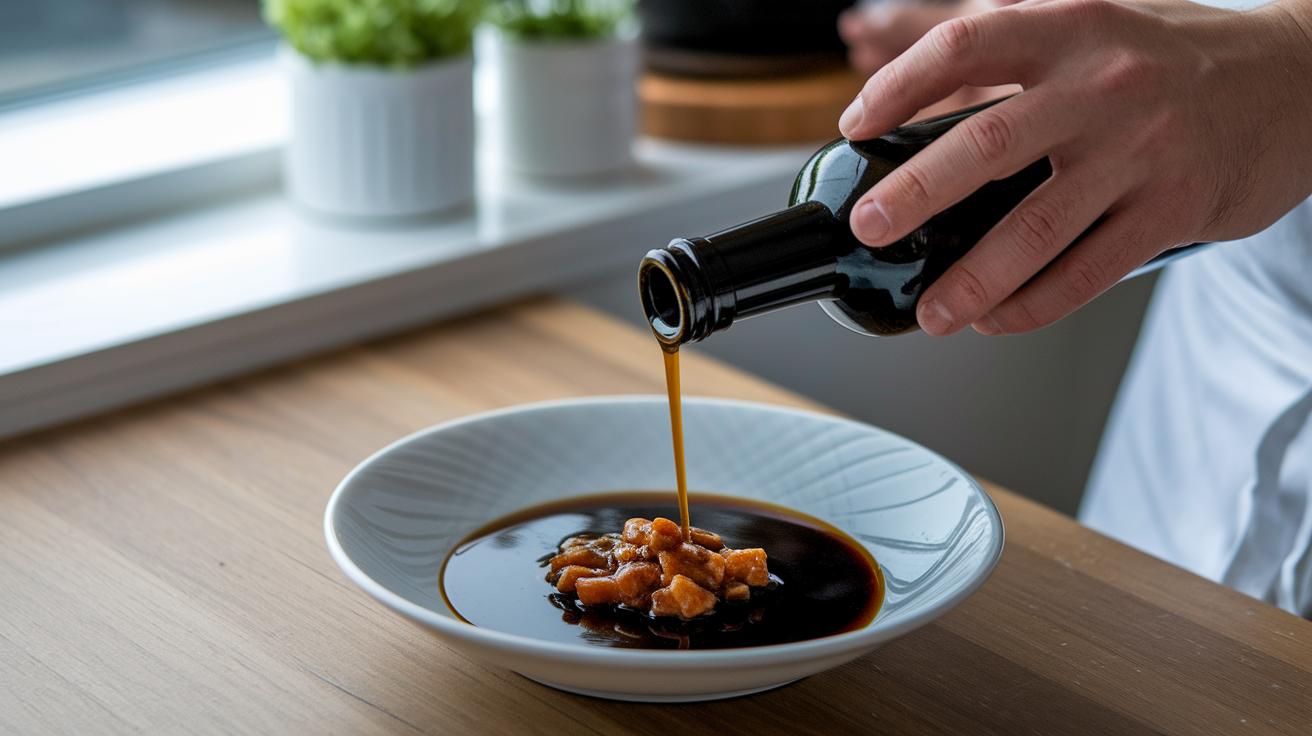
If you love genuine Japanese flavors, sometimes you may need an alternative to mirin. Dry cooking sherry is a solid choice in recipes that need to be gluten-free. Picture a cook who uses dry sherry instead of mirin and still manages to bring out a rich, deep flavor in a teriyaki sauce.
Here's a handy tip: mix a little sake with one teaspoon of sugar. This blend captures the natural sweetness of mirin perfectly. Imagine a chef excitedly saying, "This little mix transforms a simple stir-fry into something really special!"
For an option that's easy to keep in your pantry, combine rice vinegar or apple cider vinegar with an equal part sugar. Just use up to 2 tablespoons so your dish stays balanced. It’s like running a mini science experiment in your kitchen!
If alcohol isn’t your thing, try a splash of chicken stock. It gives a gentle boost of savory flavor without any alcohol content.
| Substitute | Description |
|---|---|
| Dry Cooking Sherry | Works well in gluten-free recipes |
| Sake + 1 tsp Sugar | Mimics mirin’s sweetness |
| Rice or Apple Cider Vinegar + Sugar (1:1) | Use up to 2 Tbsp to maintain balance |
| Chicken Stock | A non-alcoholic option with a mild flavor boost |
These useful alternatives help keep your dishes full of life while letting you adjust the flavors just the way you like.
Storage Guidelines & Nutritional Profile of Whole Foods Mirin
Taking care of your mirin is key to keeping its sweet and savory taste just right. If your bottle is unopened, store it in a cool, dark pantry. This simple trick helps it stay at its best for 6 to 12 months. Imagine a row of bottles, each quietly holding onto that special flavor until you need it.
When you've opened your mirin, put it in the refrigerator. The cool air helps keep its bright taste fresh for a year or even longer. It's an easy step that makes every drop taste as wonderful as the first time you used it.
Eden Foods Mirin is a clear winner when you check the ingredients. It only lists rice, water, koji (a type of natural fermenting mold used in Japanese cooking), and sake. With no added sugars or synthetic enzymes, you can feel confident knowing it's made with honest, simple ingredients.
A little tip to remember: try to keep your mirin in a steady spot. Small changes in temperature can alter its flavor, much like protecting a treasured family recipe until it's time to enjoy a special meal.
Whole Foods Mirin Customer Engagement & Seasonal Highlights

At Whole Foods, customers can share their thoughts on mirin through an easy-to-use review system. People rate and comment on the product, making it a hit among fans of Japanese cooking. Imagine a cook saying, "I love how this mirin transforms my stir-fry!" That kind of genuine feedback helps everyone feel confident in their choices.
You can also add your favorite bottles to your wish list and sign up for email alerts. These alerts let you know about new deals or seasonal Japanese pantry items. It’s a simple way to stay in the loop when special ingredients or unique Japanese sauces hit the shelves.
There’s more fun in store too. Whole Foods often hosts in-store cooking workshops and demos where you can get hands-on experience with traditional Japanese flavors. Picture a chef explaining, "This mirin is the secret behind the balanced taste of my teriyaki glaze!" These events build a warm connection between customers and the brand.
Local stores even display a product availability calendar. This calendar shows seasonal highlights and exclusive offerings, so you know exactly when to visit for limited-edition Japanese ingredients. It makes planning your shopping trips a breeze and adds a special touch to your experience.
Final Words
In the action, you discovered where to find whole foods mirin and its pricing details, along with tips on store and online buying options.
We looked at key flavor profiles and simple ways to swap ingredients that keep your kitchen creative and health-focused.
The guide also shared smart storage picks and highlighted customer reviews and seasonal updates.
Keep adding this authentic ingredient to your recipes – every step you take leads to a tastier, healthier plate.
FAQ
What is the whole foods mirin price?
The whole foods mirin price typically refers to a 10 oz bottle cost with bulk discounts available when purchasing multiple bottles. Prices may vary, so checking in-store or online listings is key.
Where can I buy whole foods mirin and which aisle is it in?
You can buy whole foods mirin at Whole Foods Market, usually found in the international or Japanese cooking ingredients aisle. Staff can help locate it if needed.
What does sake whole foods mean?
Sake whole foods refers to the selection of Japanese rice wines available at Whole Foods Market, which includes both drinking sakes and cooking sakes meant for meal preparation.
What is whole foods dashi?
Whole foods dashi is a traditional Japanese broth sold at Whole Foods, used to add a savory, umami boost in soups, sauces, and various Asian-inspired recipes.
What is miso whole foods?
Miso whole foods denotes miso paste products offered at Whole Foods, crafted from fermented soybeans to create savory bases for soups, marinades, and dressings with a rich flavor.
What is Sushi Chef Mirin Sweetened Sake?
Sushi Chef Mirin Sweetened Sake is a sweet cooking wine designed for Japanese recipes, delivering a balanced sweetness that enhances sushi dishes and other flavorful preparations.
What is a good mirin substitute?
A good mirin substitute is a blend of sake mixed with one teaspoon of sugar or, for a nonalcoholic option, rice vinegar combined with an equal amount of sugar, which approximates the sweet flavor.
What is Eden Mirin?
Eden Mirin is a product from Eden Foods, crafted traditionally with rice, water, koji, and sake. It offers a naturally sweet umami flavor without added sugars or synthetic enzymes.
Is mirin just rice cooking wine?
Mirin is a type of rice cooking wine used in Japanese cuisine. It is made from rice and rice koji, giving dishes a naturally sweet and savory flavor that enhances overall taste.
Does Whole Foods carry rice wine?
Whole Foods carries a range of rice wines, including mirin and sake. These can be found in the international or specialty cooking sections of the store.
Does Whole Foods sell sticky rice?
Whole Foods sells sticky rice, typically located in the rice or international foods aisle. This ingredient is ideal for preparing traditional Asian dishes with the right texture.