Have you ever wondered why some natural foods make you feel so alive? Whole foods from nature give you vitamins, minerals, and fiber that your body really needs. Imagine biting into a crisp apple that bursts with fresh flavor or enjoying a salad full of colorful vegetables. This guide is here to help you pick whole foods that work in tune with your body. Soon, you'll see how simple, natural foods can boost your energy and help you feel great every day.
Defining Whole Foods: Your Comprehensive Natural Edibles Catalog
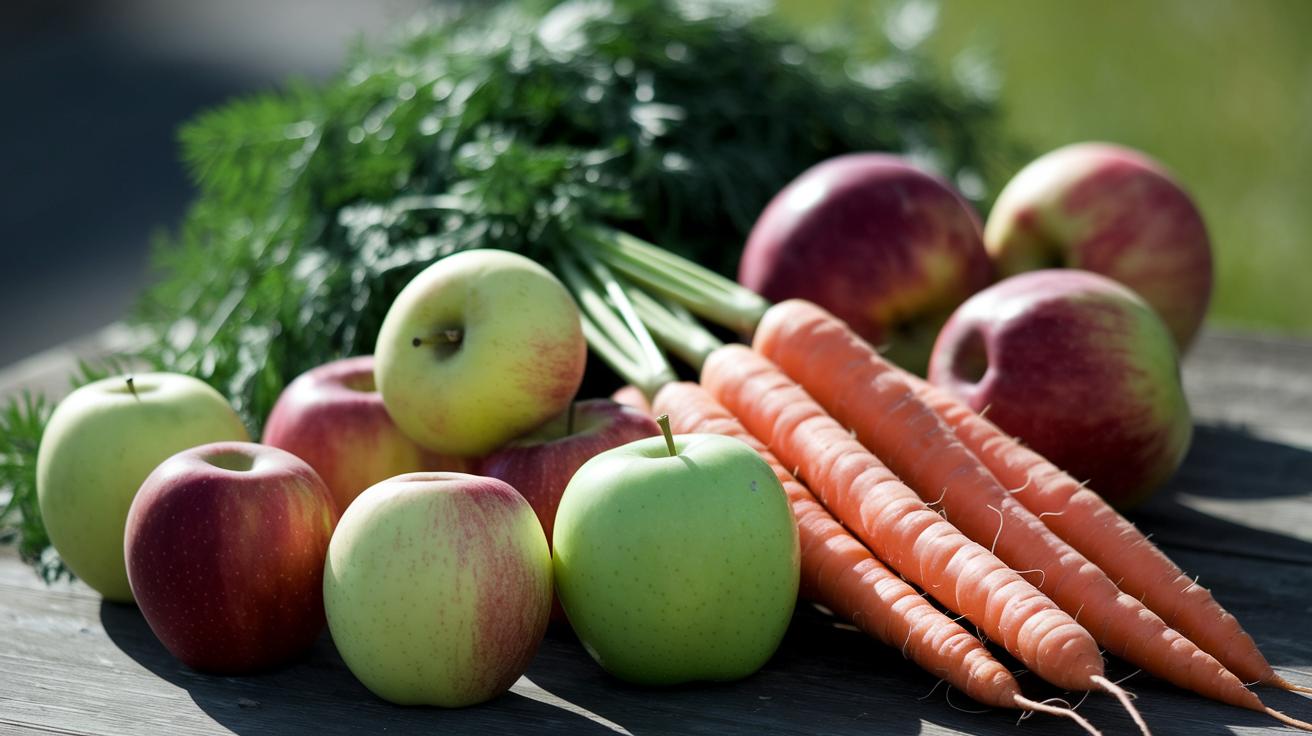
Whole foods are fresh and natural items that come little changed from nature. They usually need very little processing, so they keep all the good stuff inside, like vitamins, minerals, and fiber. They also retain their phytochemicals (natural plant compounds that help keep you healthy) without being stripped away. When you pick whole foods, you're choosing ingredients that work nicely with your body and give you benefits without unnecessary additives. For example, a crisp apple still holds its vitamin C and fiber to help keep your immune system strong and your digestion smooth.
This guide is all about celebrating whole foods as the building blocks for your meals. Even fast picks like quick-cook brown rice can be whole foods if they remain unrefined. Whole foods cover a range of groups: fruits, vegetables, whole grains, lean proteins, legumes, and nuts and seeds. They help you fill your pantry with choices that support balanced nutrition and overall well-being. Imagine a fresh salad with spinach or a warm bowl of quinoa mixed with bright carrots, each bite brings flavor and nourishment that boost your energy and help you recover after a long day.
| Category | Example Foods | Key Benefits |
|---|---|---|
| Fruits | Apples, Bananas, Citrus | Vitamins, Fiber |
| Vegetables | Spinach, Broccoli, Carrots | Antioxidants, Minerals |
| Whole Grains | Brown Rice, Quinoa, Oats | B Vitamins, Fiber |
| Legumes & Nuts | Lentils, Chickpeas, Almonds | Proteins, Healthy Fats |
Whole Foods List: Fruits and Vegetables for Optimal Nutrition
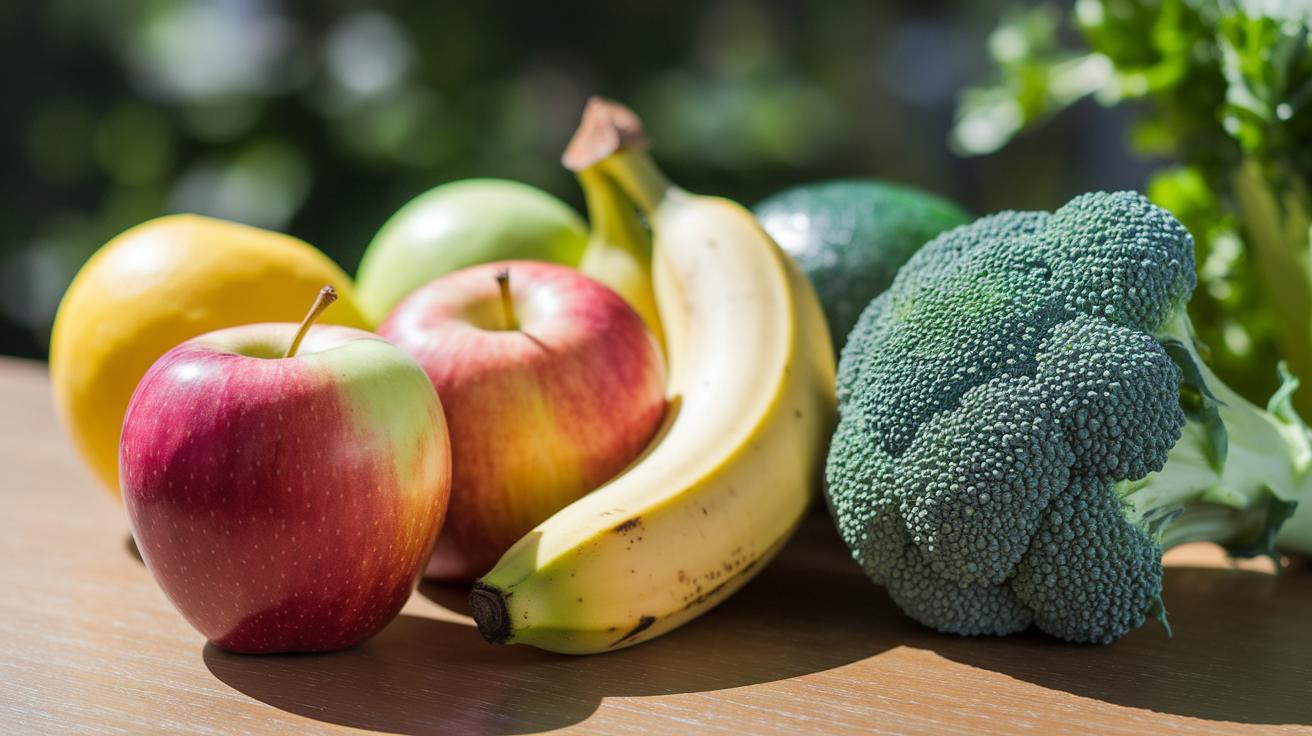
Nature gives us whole foods that are full of what our bodies need. This list shines a light on fruits and veggies that pack a healthy punch. When you eat these, you're enjoying natural treats loaded with vitamins, minerals, and antioxidants, in their purest form. Imagine biting into a crisp apple that wakes you up or savoring leafy greens that help keep your energy steady. Adding these colorful items to your plate makes each bite count towards staying strong and balanced. Here’s a friendly mix of everyday favorites that can help fuel your day naturally:
- Apple: Loads of vitamin C and fiber to boost your immune system and aid digestion.
- Banana: A good source of potassium and vitamin B6 to keep your muscles happy.
- Blueberries: Packed with antioxidants that help protect your cells.
- Orange: Rich in vitamin C to give your immune system a helping hand.
- Broccoli: Offers calcium and fiber to support strong bones and a healthy gut.
- Spinach: Full of iron and vitamins to lift your energy levels.
- Kale: Brings antioxidants that help with cell repair and recovery.
- Carrots: High in beta-carotene, which is great for healthy vision.
- Tomato: Contains lycopene that supports heart health.
- Cucumber: Helps keep you hydrated and delivers essential vitamins for vibrant skin.
Whole Foods List: Real Foods for Better Health
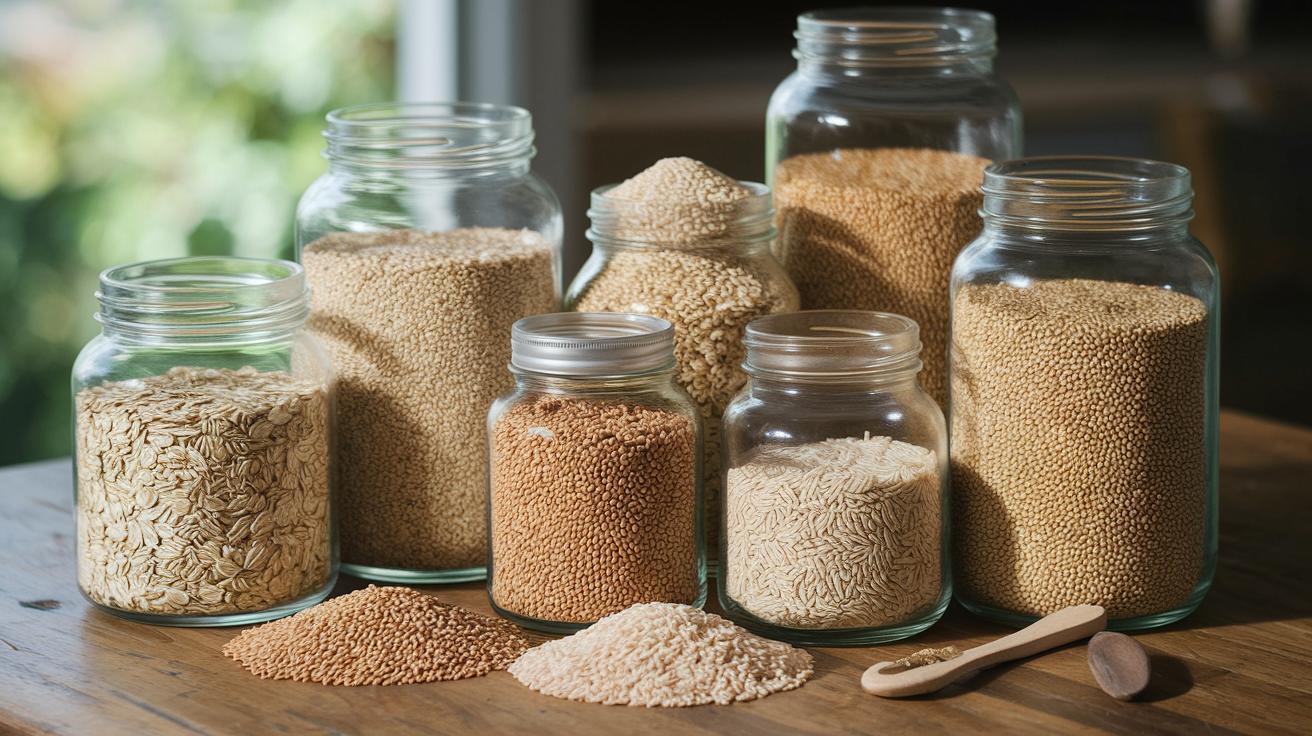
Have you ever thought about refreshing your pantry with hearty, whole grains? They’re packed with real nutrients that can keep your energy up and your body feeling good. Whole grains bring you fiber, protein, and useful vitamins that support steady energy and everyday wellness.
Oats give you a special type of fiber that helps smooth out your digestion and keeps your blood sugar steady. Quinoa is another great choice; it’s a complete protein (the kind that has all the building blocks your body needs) and gives you magnesium to help your muscles perform. Brown rice is loaded with B vitamins and fiber, which work together to turn food into energy and support a happy gut.
Amaranth is a real powerhouse, offering iron and protein that help maintain healthy blood and strong muscles. Buckwheat comes with antioxidants and a good helping of fiber to assist your body in fighting off stress at the cellular level. And teff? It’s full of calcium and protein, which are essential for building strong bones and aiding muscle repair.
Mixing these wholesome grains into your daily meals not only gives you lasting energy but also keeps your blood sugar balanced. Try them out in salads, bowls, or porridges, and enjoy the warmth they bring to your everyday cooking.
Whole Foods List: Legumes and Plant-Based Protein Staples
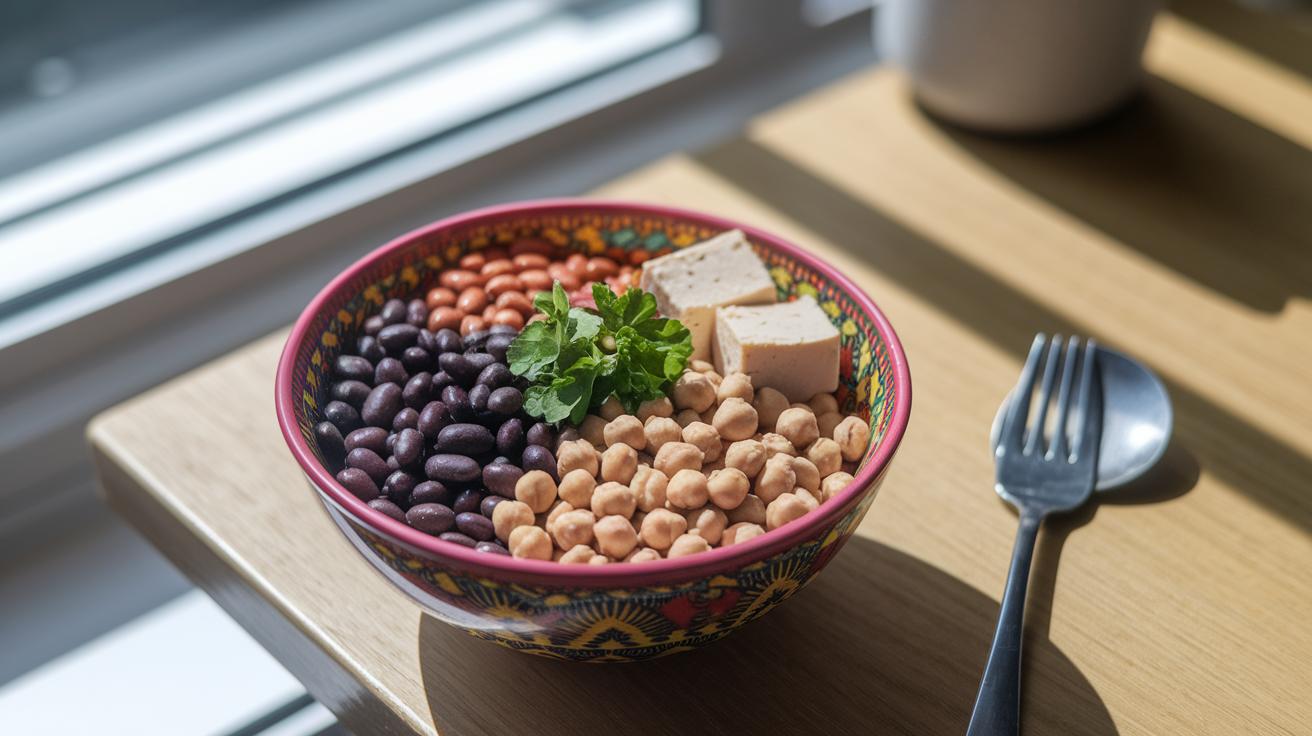
Plant-based proteins are a simple and natural way to boost your diet. They come with plenty of protein, fiber, vitamins, and minerals in every serving and need very little processing. Think about it: a warm bowl of black beans or a quick tofu stir-fry can help you keep your muscles strong and your energy steady in a very natural way.
When you pick these wholesome foods, you're choosing ingredients that work together to nourish your body gently and steadily. Each bite gives you a boost while keeping those hunger pangs at bay.
- Black Beans: They offer a good mix of protein and fiber to help you feel full.
- Lentils: These are rich in iron and B vitamins that help your body use energy well.
- Chickpeas: They add protein and manganese, which help your body run smoothly.
- Green Peas: Full of vitamin K and fiber, they are great for keeping your bones and tummy happy.
- Edamame: These young soybeans deliver protein and natural isoflavones that support your muscles.
- Tofu: A complete source of soy proteins that aids muscle repair and overall health.
- Tempeh: Packed with complete proteins and essential nutrients for a balanced meal.
Whole Foods List: Incorporating Into Daily Meal Planning
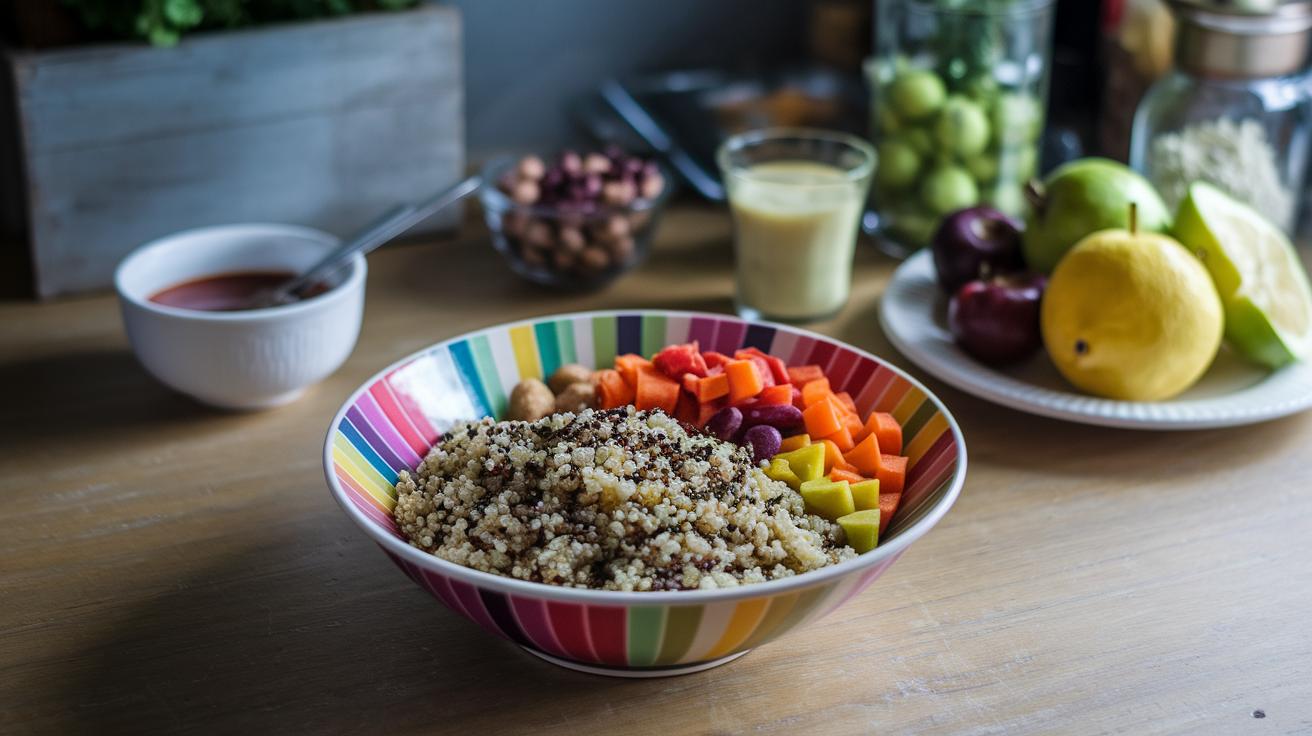
Planning meals with whole foods is a simple way to keep your energy steady all day. Adding raw fruit snacks, veggie stir-fries, hearty grain bowls, smoothies, and crisp salads gives your body natural nourishment without extra additives. I like to set aside a little time for meal prep because it means I can grab a fresh, ready-to-eat dish later. Plus, swapping refined grains with whole ones means you boost your vitamins, minerals, and fiber while saving time and keeping meals balanced.
Meal planning also helps you think about balance and variety. When you mix filling grains, colorful vegetables, and sweet fruits, you set up a day full of steady energy. Imagine a warm grain bowl for lunch followed by a refreshing salad for dinner. It feels good to have your kitchen and grocery list organized around wholesome foods so you’re ready even on the busiest days.
Here are some ideas to get started:
- Make a weekly menu that includes both raw and cooked whole foods.
- Set aside one day to cook larger batches like grain bowls and stir-fries.
- Keep fresh snacks like fruit cups or veggie sticks available during the week.
- Swap out refined grains with whole grains in your recipes.
- Plan meals that mix protein, healthy fats, and natural carbohydrates to keep you energized.
Final Words
In the action, we explored a fresh whole foods list that breaks down natural edibles into fruits, vegetables, whole grains, legumes, and plant-based proteins. We looked at their key benefits and how to incorporate them into balanced meals. This guide offers simple, effective tips on building a healthy routine, planning meals, and keeping your energy up. Every section aimed to make nutrition clear, effortless, and fun. Embrace these ideas for better living and fitness, and step into a positive, health-filled day.