Ever have moments when your worries feel like they’re taking over? Sometimes, panic creeps up on you, and your emotions feel like they’re running wild.
Today, we’re exploring a blend of techniques that can really help calm that storm inside you. For example, cognitive behavioral therapy (a kind of treatment that helps you change negative thoughts) and mindful self-care (taking time to care for your body and mind) can ease anxiety and help you feel more in control.
Stick with us, and we'll walk through simple steps and real-life examples that show you how to take back your calm.
treatment for anxiety panic disorder: Calming Paths Ahead
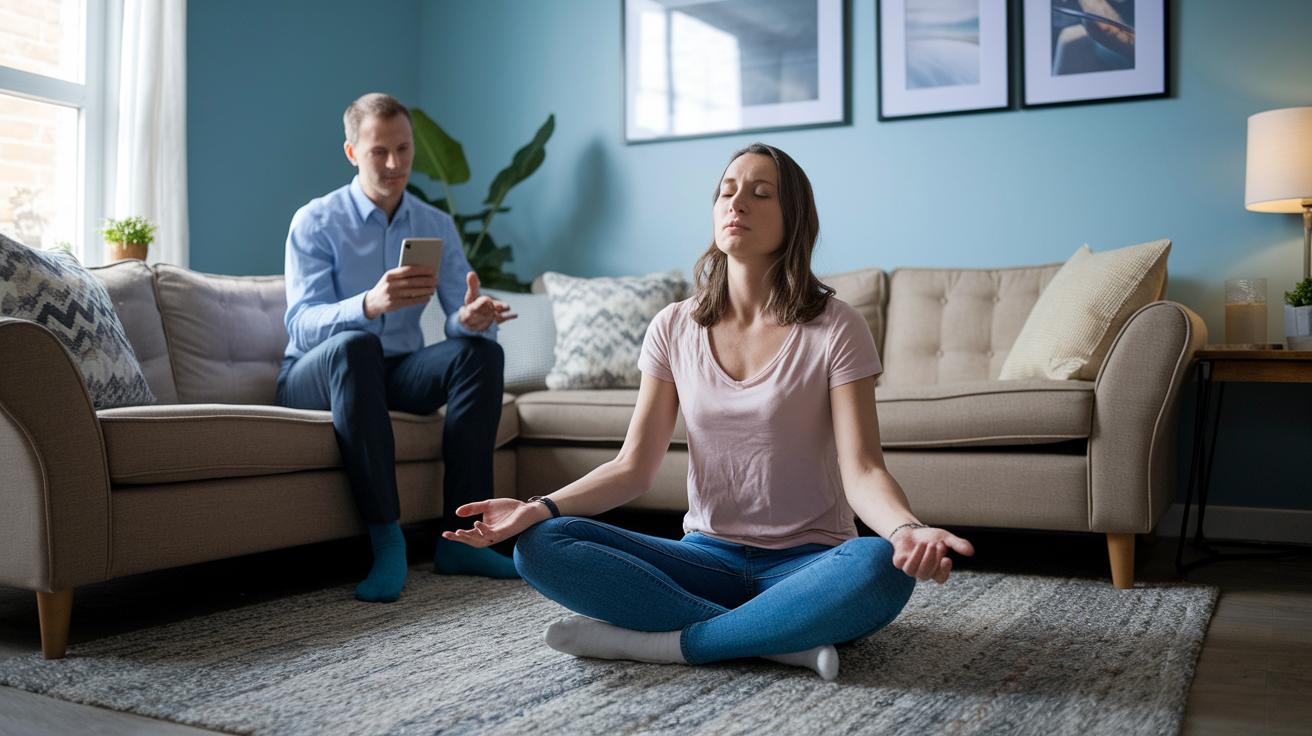
General anxiety, often called GAD, shows up as a constant feeling of worry that sticks around for six months or more. On the other hand, panic disorder can feel like sudden waves of extreme fear that hit you out of nowhere, sometimes with a racing heart. Think about Maria, for example. Before she found her creative voice, she struggled with quick, unexpected surges of fear that made normal activities seem really hard. Women, it turns out, tend to face these issues two or three times more often than men, with roughly 8% dealing with GAD and 5% with panic disorder in the United States.
Cognitive behavior therapy, or CBT, is often the go-to approach for both of these conditions. It’s a step-by-step method that guides you in spotting and changing those wandering thoughts that fuel your worry. Many people have found a lot of comfort by getting this structured help along with simple self-care techniques like taking deep breaths or picturing a calm scene in their mind.
Medication can also make a big difference. Doctors usually start with medications called SSRIs or SNRIs. These drugs help balance your mood and ease the symptoms gradually. It’s important to keep taking them for about six to twelve months to help lower the risk of feeling unwell again.
Benzodiazepines might offer quick relief if you’re very anxious, but they are used very carefully. They can work fast, yet they come with risks like dependence and some side effects, which is why they aren’t the first choice for long-term treatment.
Putting the pieces together, a mix of CBT and careful medication usually works best for managing both generalized anxiety and panic disorders. Keeping an open chat with your doctor about how you’re feeling and any changes you notice is key. This way, you can keep adjusting your care plan and find a steady, calming path forward.
Cognitive Behavioral and Talking Therapies for Anxiety and Panic Management
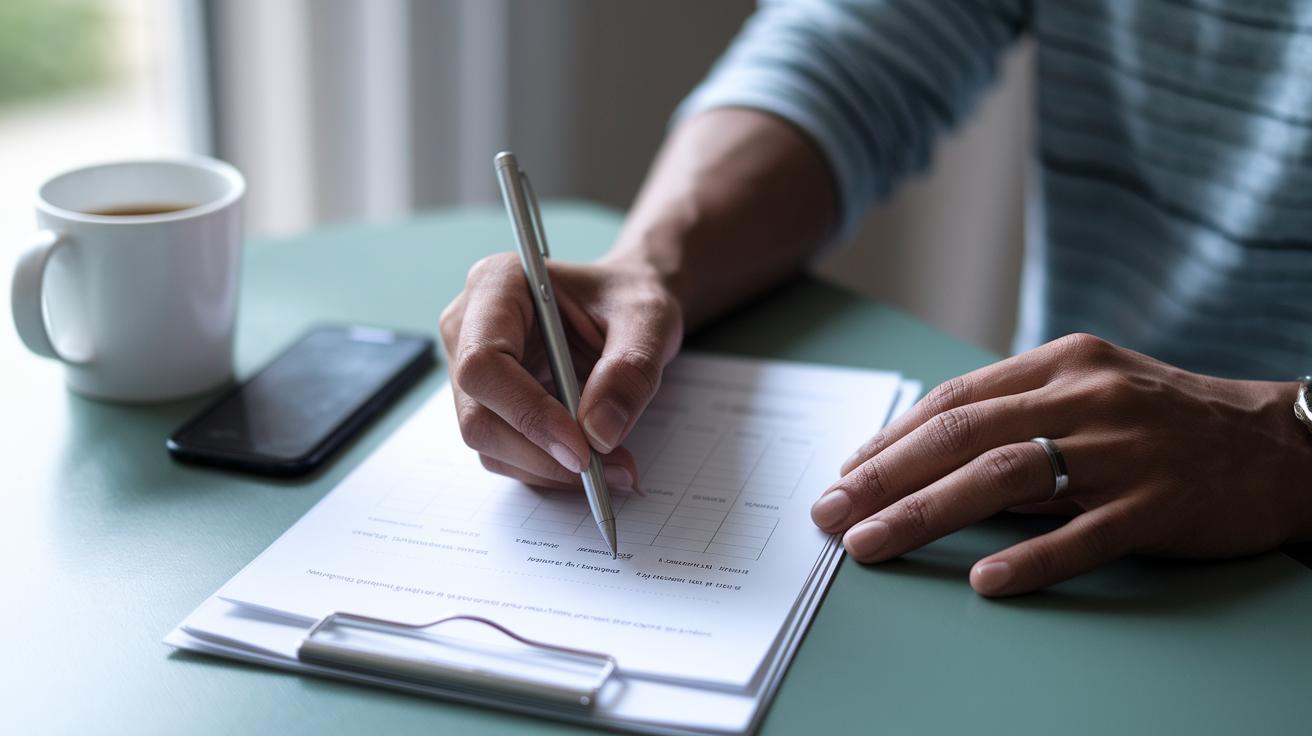
CBT is a great first step if you’re dealing with constant worries or panic. It works like having a friendly chat with yourself, helping you notice the thoughts that leave you feeling overwhelmed and then gently shifting them. For example, if you catch yourself thinking, "I feel jittery because something bad might happen," CBT helps you reconsider that idea. Many people start with self-help resources before moving on to more formal therapy sessions.
Usually, you begin with a simple questionnaire such as the GAD-7 or the Patient Health Questionnaire. These short forms let your doctor know exactly what you’re feeling. Imagine quickly marking down statements like "I worry a lot this week" to shape a therapy plan that fits your needs.
Talking therapies come in many forms. You might join a group session where you share coping ideas with others, or choose one-on-one meetings to focus on your own triggers. There are also programs that blend self-help strategies with professional guidance, which can really help keep your moods steady and prevent flare-ups.
| Therapy Type | Benefits |
|---|---|
| Group Therapy | Offers shared coping methods and a sense of community. |
| Individual Therapy | Focuses on your unique needs and personal triggers. |
| Coping Programs | Provide structured self-help exercises like guided relaxation. |
These therapy techniques act as a clear guide, showing you that anxiety can be managed step by step. With a patient approach and small changes, you can feel more in control and move towards a calmer life.
Pharmacotherapy Guidelines for Severe Anxiety and Panic
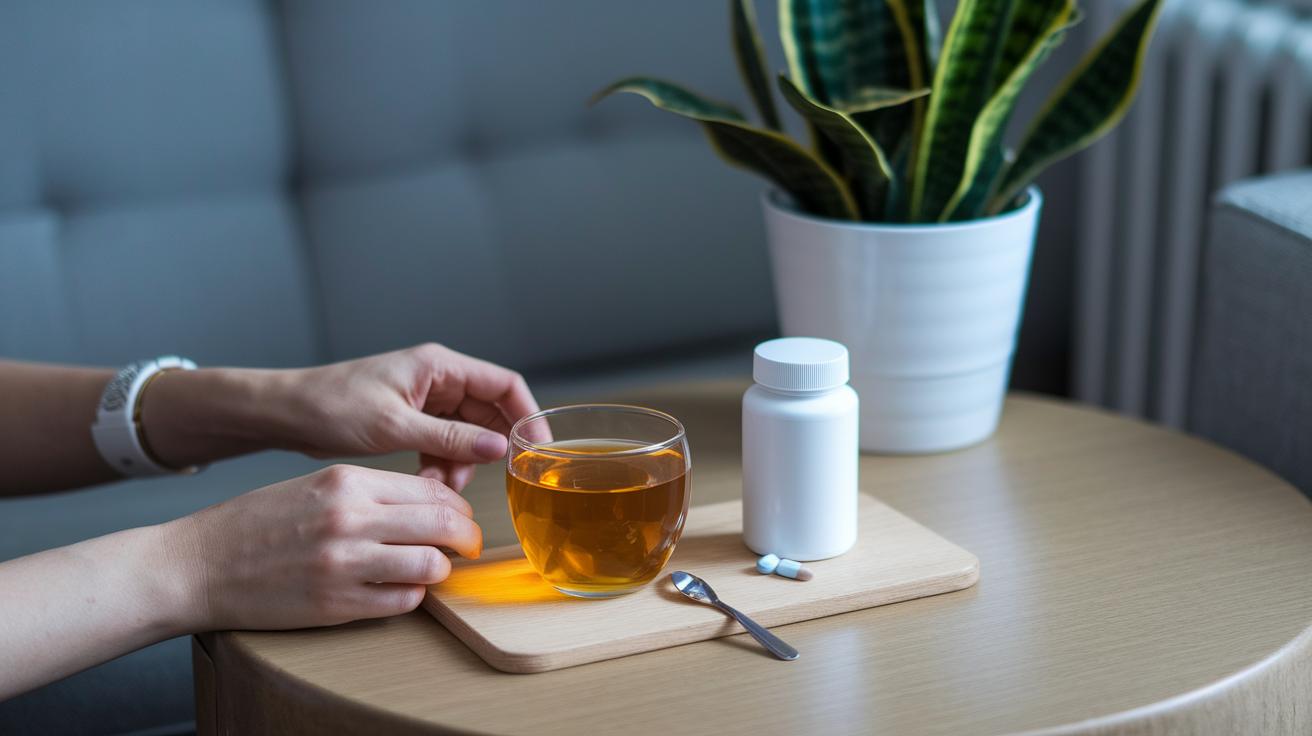
SSRIs and SNRIs are often the first choice for easing severe anxiety and panic. They help balance the brain's chemicals that affect how you feel. For instance, someone taking an SSRI every day might find that their constant worry begins to fade away. Sticking to the medication for about six to twelve months can really help lower the chance of symptoms coming back.
Another option is pregabalin, which is sometimes used for generalized anxiety disorder. It calms the nerve signals that make you feel anxious, offering relief from ongoing worry. If you experience a fast-beating heart or trembling, your doctor might also suggest beta-blockers like propranolol to help with those physical signs of anxiety.
Benzodiazepines are saved for only the most severe cases. They are given in very low doses and only for short periods. They work fast to calm your mind, but they need careful monitoring because they may cause sleep troubles or even a temporary spike in anxiety. Both you and your doctor should check how you are feeling when starting these medicines.
| Medication Class | Usage |
|---|---|
| SSRIs/SNRIs | First-step treatment; helps balance mood over time. |
| Pregabalin | Used for generalized anxiety; calms nerve signals. |
| Beta-blockers | Helps ease physical symptoms like a racing heart. |
| Benzodiazepines | Short-term, low-dose use for very severe cases. |
It’s important to watch for side effects like trouble sleeping or a brief increase in anxiety when starting treatment. Keeping a steady routine with your medication for six to twelve months can help keep anxiety at bay and support your long-term well-being.
Natural and Lifestyle Interventions for Anxiety and Panic Relief
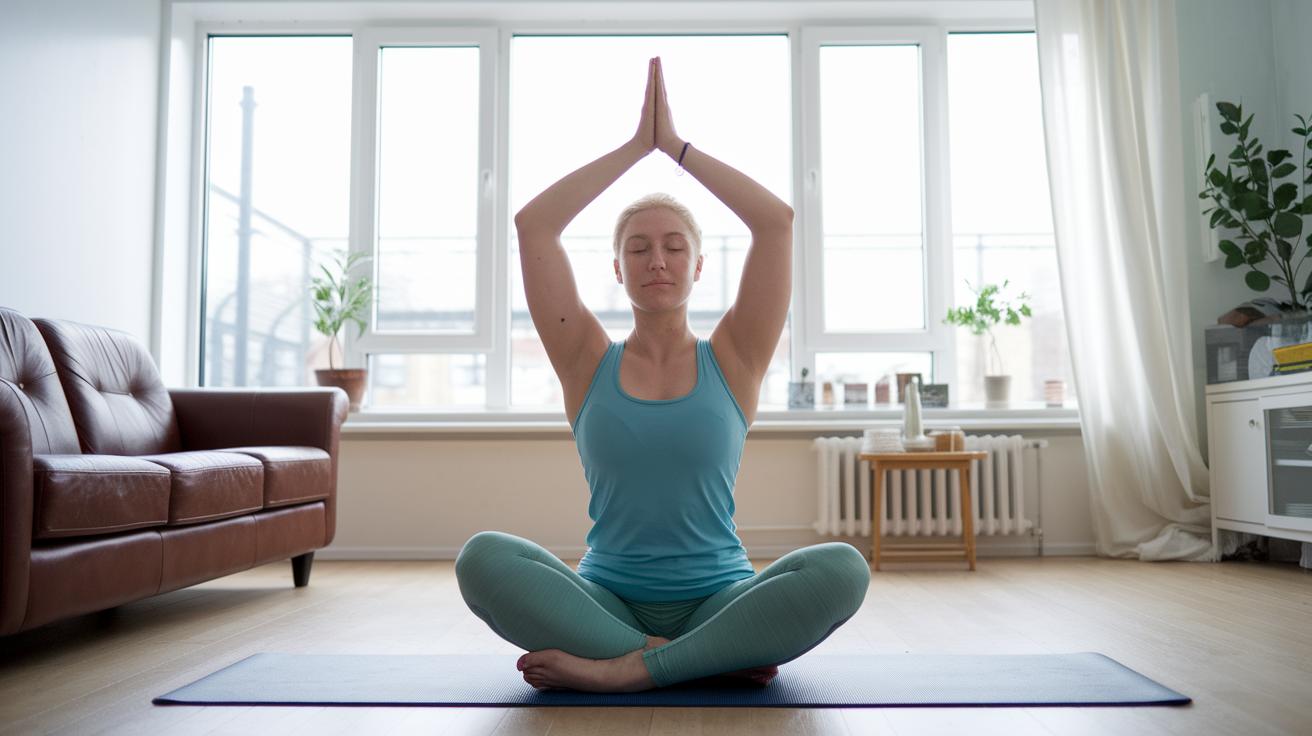
Exercise, yoga, and mindfulness meditation can gently calm your mind and ease feelings of anxiety. Try beginning your morning with a brisk walk or an easy yoga flow. Imagine starting your day with a few sun salutations and feeling your muscles relax with each stretch. These simple routines won't replace professional help, but they can become a part of your daily life and lift your spirits.
Many people explore herbal supplements and cannabidiol for extra support, even though experts are still figuring out the best doses and benefits. In the meantime, a warm cup of herbal tea with chamomile or passionflower can offer you a small, soothing pause during a busy day.
Everyday changes matter too. A regular sleep schedule and a balanced meal plan can make a big difference. Picture trading a sugary late-night snack for a light, protein-rich meal. This tiny switch might help you sleep better and boost your energy during the day.
Combining mindful practices with simple dietary changes can create a gentle support system for you. This approach may help manage sudden panic and everyday stress, giving you a more steady, calm sense of well-being.
Self-Help Strategies for Sudden Panic and Anxiety Episodes
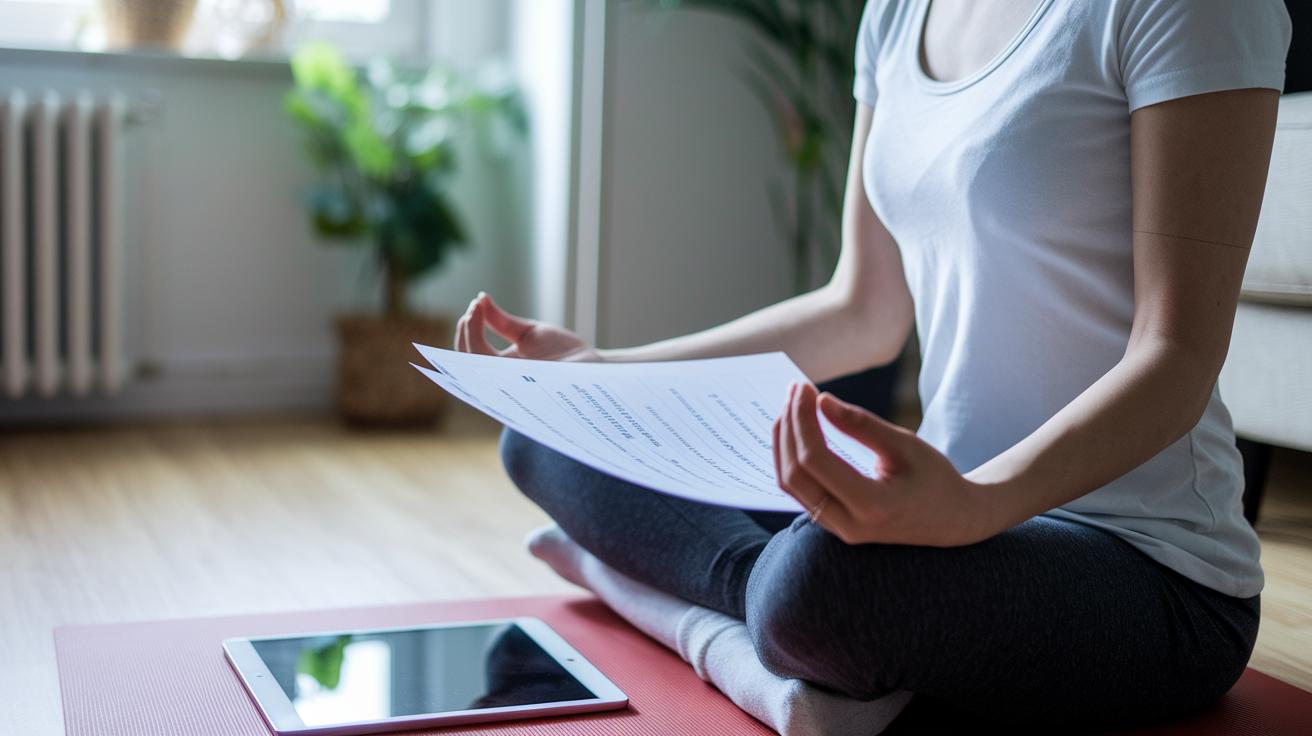
When panic hits unexpectedly, it can feel really overwhelming. But having a few simple tools at home can help you feel more in control. One easy trick is a guided breathing exercise. Sit comfortably, close your eyes, and breathe in slowly through your nose for four seconds, then let that breath out gently for four seconds. Think of it like drawing in a calm, quiet breeze.
Another method to try is progressive muscle relaxation. This means you slowly tighten then relax each muscle group, starting from your feet and moving upward. Focusing on your body this way can help reduce the intense rush of panic. And if your thoughts are racing, grounding techniques might do the trick. One common approach is to name five things you see, four sounds you hear, three touches you feel, two smells, and one taste. This little exercise helps shift your focus from the anxiety.
Sometimes, a printed guide or digital program can be a handy reminder when these feelings come up. Many people keep a quick reference sheet with step-by-step instructions to help soothe them in anxious moments.
- Self-help guides usually include deep breathing and muscle relaxation tips.
- Grounding exercises can offer an immediate distraction from strong emotions.
- Digital resources give you fast access to calming techniques.
These simple strategies give you practical ways to manage sudden panic and anxiety. Remember, a few deep breaths can go a long way when you need to regain your calm.
Accessing Professional Treatment for Anxiety and Panic Disorder

The first step is to visit your primary care doctor. They might ask you to fill out a questionnaire like the GAD-7 (a simple tool with 7 questions that checks your anxiety levels) or the Patient Health Questionnaire (which looks at signs of depression) to learn more about your symptoms. This helps them decide if you need more treatment or a visit to a specialist.
If things seem a bit too complicated or your symptoms don’t get better with the initial steps, your doctor could suggest you see a psychiatrist. A psychiatrist is a doctor who knows a lot about mood and anxiety issues and can help manage even the tougher symptoms.
These days, telehealth is becoming a popular way to get care. You can talk with a virtual primary care doctor from the comfort of your own home. This can be especially helpful if traveling or talking on the phone feels overwhelming due to anxiety.
Sometimes, there are programs that treat both anxiety and substance use issues at the same time. These dual-treatment programs work on several problems all at once, giving you a more complete form of support.
Open and honest chats with your doctor are key. Keeping a clear line of communication helps your doctor tailor your treatment plan just right, making sure you have the best shot at feeling better.
Long-Term Anxiety and Panic Disorder Management and Relapse Prevention

Sticking to a daily routine really helps in noticing early signs of stress. Imagine spending a few quiet moments in the morning; before you even leave your bed, take two minutes to check in with your feelings and set one small goal for staying calm.
Try keeping a simple journal or checklist to track your mood and stress every day. This way, you can see how you're doing over time and catch patterns before they become full-blown relapses. For example, you might jot down a note each evening like, "I took a quick walk after lunch, and it helped me stay relaxed all afternoon."
It also helps to have regular chats with your care provider. These sessions let you update your routine and tweak your strategy as your needs change, keeping you on track with your progress.
Final Words
In the action, we explored core methods like CBT and first-line medications for treating anxiety panic disorder. The blog offered clear insights into therapy types, medication guidelines, self-help tools, and lifestyle tweaks that support overall well-being.
These practical tips help shape daily habits, reduce sudden panic symptoms, and empower you to take charge of your health. Small changes can spark big improvements, so keep trying new methods until you find the balance that works best for you. Stay hopeful and keep moving forward.
FAQ
How to stop panic attacks forever
Stopping panic attacks permanently involves long-term management through therapies like CBT and appropriate medication. While a complete cure is rare, these strategies can greatly reduce the frequency and intensity of panic attacks over time.
Panic disorder treatment
Panic disorder treatment usually combines cognitive behavioral therapy with medications such as SSRIs or SNRIs. These methods help manage and lessen symptoms so individuals can better control their panic responses day by day.
Panic attack treatment at home
Panic attack treatment at home involves using deep breathing, progressive muscle relaxation, and grounding techniques. These self-help methods give quick relief while professional care can support longer-lasting control.
Fast acting medication for panic attacks
Fast acting medications for panic attacks, like benzodiazepines, help reduce intense physical symptoms quickly. They are generally used for short-term relief and should be closely monitored by a healthcare provider due to risk of dependency.
Panic attack vs anxiety attack
Panic attacks come on suddenly with intense physical symptoms, while anxiety attacks build gradually accompanied by worry. Both require different strategies for relief, often including lifestyle techniques and professional guidance.
What is the best medicine for panic attacks
The best medicine for panic attacks is often an SSRI or SNRI, used for long-term management. A doctor can determine the optimal choice based on individual symptoms and overall health.
Long-term panic disorder medication
Long-term panic disorder medication typically involves SSRIs or SNRIs, taken for six to twelve months to reduce relapse risks. Regular check-ins with a doctor help adjust the treatment plan to maintain effectiveness.
Panic disorder causes
Panic disorder causes can include genetic factors, stressful life events, and changes in brain chemistry. Recognizing these factors helps guide a treatment plan that may combine therapy, medication, and self-help techniques for symptom relief.
How do you treat panic disorder?
Treating panic disorder usually means combining cognitive behavioral therapy with medications like SSRIs or SNRIs. Structured self-help strategies and lifestyle adjustments also support reducing symptoms for better daily control.
Can a person with panic disorder live a normal life?
Living a normal life with panic disorder is possible when symptoms are managed with therapy, medication, and lifestyle strategies. Many experience restored daily functioning and improved well-being through structured care and support.
How to beat panic disorder without medication?
Beating panic disorder without medications involves rigorous cognitive behavioral therapy, exposure techniques, and self-help strategies like mindfulness and deep breathing. These methods can significantly reduce symptoms when regularly practiced.
How to break the panic attack cycle
Breaking the panic attack cycle means using fast-acting techniques such as deep breathing and grounding, alongside long-term strategies like therapy. This dual approach helps lessen both the intensity and frequency of panic episodes.