Have you ever noticed how the smallest moments can make your heart beat a little faster? Everyday stress, like long hours at work or missing a meal, might be your body's way of saying it needs more energy. Today, we'll chat about what sets off your stress and how it touches both your mind and body. Even the tiniest hints can be important when you're trying to stay balanced. Let's explore these signals and discover some simple ways to manage them day by day.
Defining Stress Triggers: Causes, Responses, and Impact
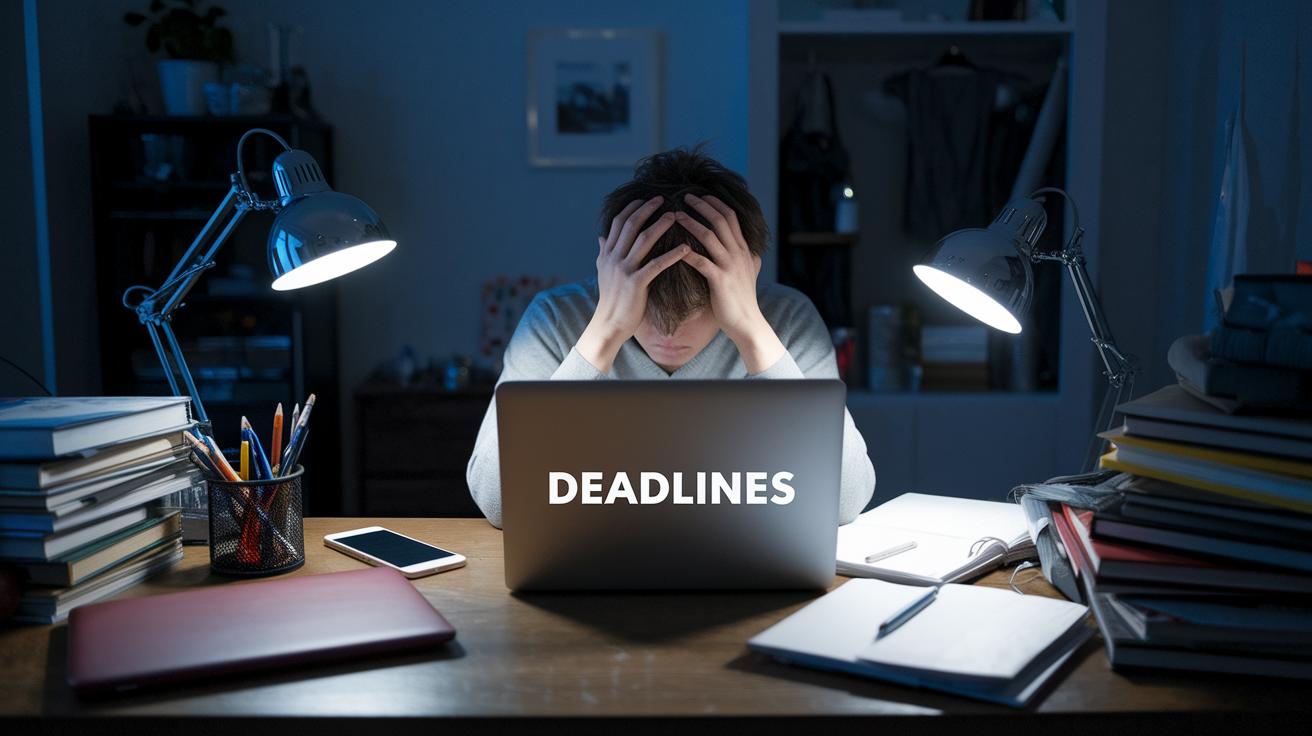
Stress triggers are hints from inside you or your surroundings that tell your body and mind they’ve reached their limit. They might be a heavy workload, too much screen time, not enough sleep, or poor nutrition. Sometimes, a little stress, like the excitement before a race, can give you a boost. But too many triggers can really wear you down. Think of them as warning signs that let you know your energy isn’t keeping up with what’s expected of you.
Stress is your body’s way of reacting when things get overwhelming. You might notice your heart beating faster or your muscles tightening. Meanwhile, anxiety is that nagging worry about what might come next, like the jittery feeling before a big presentation. It’s not the same as the immediate buzz of stress that happens when you’re in the thick of it.
Understanding what sets off your stress matters a lot. When you know your triggers, you can figure out what exactly is affecting you. This helps you find ways to calm down and keep both your body and mind healthier.
Common Stress Triggers in Daily Life

Every day, little things can weigh you down and steal your energy. Sometimes, simple moments add up to make us feel overwhelmed. Once you notice these triggers, you can take small steps to feel a bit better.
At work, tight deadlines and high expectations can pile up until you feel stuck with endless tasks. It feels like you’re trying to juggle too many things at once.
Scrolling through social media can also bring on stress. When you spend lots of time online, it’s easy to feel lonely or compare yourself to others, which can hurt your mood.
Even the news can make things tougher. Seeing constant negative headlines can stir up anxiety, as if you’re carrying a heavy load of worry.
Not getting enough sleep is another big factor. When you’re tired, even small challenges can seem huge, and both your mind and body suffer.
Your diet plays a role too. Eating lots of processed foods instead of fresh fruits and veggies might change your mood, adding to your stress.
And don’t forget digital overload. Spending too much time on screens outside of work can reduce chances to connect face-to-face, leaving you feeling isolated.
By recognizing these everyday triggers, you can start to make positive changes. Small tweaks to your work habits, sleep, diet, and social media use can make your stress feel a little lighter.
Physiological Effects of Stress Triggers

When stress hits, your body starts reacting in ways you might not notice at first. Your heart beats faster and your blood pressure goes up, which can eventually lead to serious problems like a heart attack. At the same time, stress sends a rush of hormones like cortisol and adrenaline through your system. These hormones can even trigger a migraine with pounding pain and light sensitivity. Sometimes, this hormone surge causes acid reflux because stomach acid moves upward, leaving you feeling uncomfortable after meals.
Stress can also upset your digestive system. For people with Irritable Bowel Syndrome, stress may cause stomach cramps or changes in how often you go to the bathroom. In some cases, too much stress has been linked to seizures, where the brain suddenly acts out in unpredictable ways. It shows that stress is more than just a mental burden, it really affects your body, too.
Other systems feel the impact of stress as well. Some people with asthma might find that stress makes it harder to breathe as their airways tighten. In short, even though stress starts in your mind, the effects you feel in your body are very real.
| Condition | How Stress Affects It |
|---|---|
| Heart Attack | Stress makes your heart beat faster and raises blood pressure |
| Migraine | Hormone spikes from stress can trigger headache pain |
| Acid Reflux | Stress causes a hormone imbalance that pushes stomach acid upward |
| IBS Flare-up | Stress disrupts your digestion with sudden hormone surges |
| Seizures | Excess stress may provoke unusual brain activity |
| Asthma Exacerbation | Stress can tighten your airways, making it hard to breathe |
Noticing these signs can help you understand how stress impacts both your mind and your body. Paying attention to these signals might be a good first step in finding ways to lower stress and improve your overall health.
Psychological Impact of Stress Triggers

When stress builds up, it can show itself in many different ways in our minds and hearts. Sometimes, stress makes us feel overwhelmed, anxious, or just out of sync with ourselves. There are three types of stress responses that often mix together, but each has its own clear signs: acute, episodic, and long-term stress.
Acute stress happens quickly. You might suddenly feel your heart racing and a burst of panic that makes you want to act immediately. Imagine a time when you felt like your body was telling you to run for cover, that’s acute stress in action. In these moments, feelings of anxiety or fear spike and then, once the moment passes, everything slowly returns to normal.
Episodic stress pops up repeatedly and can wear you down over time. It might come from regular, little challenges like frequent interruptions during your day or problems that keep resurfacing. These constant setbacks can leave you feeling frustrated and on edge, making everyday moments seem heavier than they really are.
Long-term stress creeps in over a long period. It often comes from ongoing pressures or past difficult experiences that linger in your mind. You might notice a gloomy mood, persistent worry, or memories of tough times that keep rolling back. This type of stress can cloud your thinking and sap your energy, slowly affecting how you feel about everything in life.
Recognizing Your Personal Stress Triggers

Start by drawing a simple timeline that marks the big moments when stress hit you hard. Think about events like a sudden family loss or an unexpected job change that caught you off guard. Then add on those everyday pressures, like long work hours or ongoing social pressures, that build up slowly over time. Picture jotting down dates and brief notes, each capturing how that moment affected you.
Now, list out at least 10 things that stress you out in your daily life. Write each one down and decide if it feels like a sudden, sharp hit, a recurring issue, or a long-lasting worry. For instance, a looming work deadline might feel like a quick jolt, whereas ongoing money troubles fall into the long-term category. It’s a bit like sorting different colored beads into groups, helping you see which ones give you quick bursts of tension and which ones dim your spirit over time.
Next, pick one stress trigger from each group and spend a little time writing about how it affects you, both in your body and your mind. Maybe after a tough interaction, you notice your heart is racing or you’re hit with a headache. Perhaps feelings of irritability or anxious thoughts come flooding in as well. Writing these observations down can help you tune in to the subtle ways your body and feelings speak up when stress peaks, giving you a clearer picture of your overall well-being.
Stress trigger: Health Insights on Causes & Effects

Mindfulness and Meditation
Taking a few quiet moments can really help slow down a busy day. Try spending about 10 minutes focusing on your breath or picturing a calm, sunny scene. This little pause helps lower tension and eases the abrupt rush of anxiety. It’s amazing how a bit of mindful stillness can reset your mood and bring balance back to your day.
Diet and Hydration
What you eat really matters when it comes to managing stress. A plate filled with fresh fruits, crisp vegetables, lean fish, and nuts gives your body the fuel it needs. Matching your meals with enough water helps keep your hormones steady and your energy up. Eating whole foods can even help drop cortisol levels, so you feel lighter and more ready to take on the day.
Physical Activity
Moving your body is a natural way to shake off stress. Whether you choose a brisk walk, a gentle jog, or some relaxing yoga, it all works to let go of built-up tension. Imagine the feel of that cool breeze after a sunny walk, it’s like a little thank-you note from your body. Exercise boosts those feel-good endorphins, making you more prepared to handle life’s ups and downs.
Professional Support and Therapy
Sometimes, talking to someone who understands can do wonders. Meeting with a mental health expert, like someone who uses Cognitive Behavioral Therapy (a way to change unhelpful thoughts), can give you new ideas to manage stress. Whether it’s in person or over the phone, getting professional support adds a personal touch to your stress toolkit and helps lighten the load when days get tough.
Final Words
In the action, this article explored what a stress trigger is, from its causes to its effects. We went over common everyday sources and understood how both body and mind feel the impact. We also learned to recognize our personal signals through simple self-checks. Lastly, we shared easy steps like mindful moments, balanced food, and movement to keep stress trigger in check.
Stay positive and keep embracing these practical tips for a healthier, calmer life.
FAQ
Frequently Asked Questions
What are the main causes of stress?
The main causes of stress include work pressure, sleep loss, unhealthy eating, digital overload, and major life events. These triggers make you feel overwhelmed when daily demands exceed your coping resources.
What are the different types of stress?
Different types of stress include mild stress, acute stress, episodic stress, and long-term stress. Acute stress happens briefly, while long-term stress builds over time, affecting both your emotions and physical well-being.
What is a stress trigger?
A stress trigger is any event or condition that prompts your body to react with stress. It could be a simple rush in the morning or ongoing pressures from work that make you feel under strain.
What are some common examples of stress triggers at work?
Common work triggers include tight deadlines, heavy workloads, conflicts with colleagues, and sudden changes in responsibilities. These factors can quickly cause both mental tiredness and physical responses in your body.
What physical symptoms of stress might I notice?
Physical stress symptoms can include headaches, muscle tension, rapid heartbeat, stomach discomfort, and sleep disturbances. These signs alert you that your body is reacting to pressure and excess strain.
What stress symptoms might appear in women?
Women may experience irritability, fatigue, mood swings, changes in eating patterns, and sleep problems as stress symptoms. Recognizing these signs helps in taking early steps to manage stress effectively.
How can I stop stress triggers and reset my stress response?
Breaking free from stress triggers involves mindful breathing, relaxation techniques, and setting clear work boundaries. Resetting your stress response may also benefit from balanced meals and regular, gentle physical activity.
How can I release stress and anxiety naturally?
Releasing stress and anxiety naturally can be achieved through short meditation sessions, regular exercise, and a nutritious diet. These practices help calm your mind and allow your body to recover from tension.