Ever notice your body sending you little hints when stress builds up? It might be a quick blink or a sudden muscle twitch, like a whisper asking you to slow down. In this chat, we'll explore why these little signals pop up and share some simple ways to ease that tension. Each tic is a gentle reminder to take a pause, breathe, and give yourself a moment of calm amid a busy day.
stress tics: Embrace Calm, Clear Relief

Stress tics are those sudden, unwanted twitches or sounds your body makes when anxiety kicks in. They can appear as quick blinks, a brief muscle spasm in your face, or even a shoulder jerk. Sometimes, you might notice a throat clearing or a repeated word. Imagine a student nervously clearing their throat during a tough exam. One speaker even saw his throat start clearing over and over before a big presentation, almost as if it were asking him to take a breather.
When stress rises, your body releases hormones like adrenaline and cortisol. These chemicals switch on your fight-or-flight response, readying you for a challenge. But they also mess with your balance of important chemicals like dopamine and serotonin, which help control your movements. This imbalance can cause the kind of quick, jerky motions we call stress tics.
Often, you’ll see these tics pop up when emotions run high. They mirror the inner tension and stress you might be feeling. By paying attention to these signs, you can treat them as a gentle reminder to pause, breathe, and bring a bit of calm into your busy day.
Stress as a Trigger: How Pressure Leads to Tics

Stress quickly sends our body into alert mode, flooding it with extra cortisol and adrenaline. These hormones change the balance of dopamine and serotonin (the chemicals that help control our movements), making our nerves react more strongly. Even just a little bit of stress can make our nerve pathways very sensitive, leading to unexpected twitches or jerks.
Take, for instance, a tense interview where one person's face twitched so fast they couldn't ignore it. This shows just how swiftly our body can react when stress pushes our nerve signals into overdrive.
Doctors have noticed that when our body releases a surge of adrenaline, it also readies our motor neurons for action. In other words, even a small burst of anxiety can set off noticeable physical movements like twitches. Research supports this, linking high moments of anxiety with an increase in these involuntary jerks.
Pay attention to early signs like a quick twitch or a slight spasm. Noticing these signals can give you a chance to slow down and find a moment of calm, easing the grip of stress hormones before the twitching gets worse.
Recognizing Stress Tic Patterns: Adults vs. Children

Kids and teens often show stress tics through quick eye twitches, subtle face movements, or slight muscle spasms. Imagine a child at school whose eyes suddenly twitch during a tough day, that’s a common sign of stress. Research has shown that these tics became more frequent during the recent health crisis, but many kids see them fade away with time.
Adults tend to show stress in different ways. Rather than constant eye blinking like in children, you might notice a quick neck jerk or even a sudden shoulder shrug when feeling anxious. Picture someone in a busy meeting who suddenly gives a little neck jerk; it could be a sign that stress is piling up or anxiety is lingering unaddressed.
| Children | Adults |
|---|---|
| Eye twitching from tension | Neck jerks when anxious |
| Facial spasms under pressure | Shoulder shrugs during stress |
These differences show that while our bodies can react similarly to stress, the way these reactions appear changes as we grow. It reminds us that even a small twitch in childhood might turn into a more noticeable jerk later if stress isn’t managed.
Sometimes, if these tics stick around in adults, they may signal ongoing anxiety issues that need extra care. It’s our body’s way of communicating that something is off, whether through a tiny twitch or a sudden jerk.
Neurological and Psychological Mechanisms Behind Stress Tics

Stress tics show up when our brain's balance is disturbed by too much anxiety. Chemicals like dopamine and serotonin help control our movements, and when they get out of balance, the brain's motor centers in an area called the basal ganglia can struggle. Think of it like a student who experiences a quick twitch in the eye during a stressful exam. It is just the brain sending a confused signal.
Everyday pressures from work, school, or personal life can also turn up the activity in the amygdala, the part of the brain that deals with emotions. This extra burst makes our nerve cells more sensitive, which in turn can trigger movements we cannot control. Sometimes, a person’s genes make them more likely to have these tics. When stress meets a natural tendency, it can change how the brain handles signals, leading to more frequent twitches or jerks. Knowing this mix of brain activity and emotional stress can help us find small, mindful ways to relax our bodies.
Non-Drug Strategies: Reducing Stress Tics Naturally

Breathing deeply and moving slowly can help you feel less tense and ease those stress tics. Try this simple exercise: take a slow breath in through your nose, hold it for a few seconds, and then exhale through your mouth as if you’re gently blowing away stress. This calm breathing gives your body time to settle and may reduce sudden twitches.
Another easy trick is progressive muscle relaxation. You can start by tensing your shoulders for a count of five and then letting them go completely. Think of it like this: squeeze your shoulders tight, as if you’re keeping a secret, and then let them relax until you feel the tension disappear. You can do this with other muscle groups too, one at a time, to help your whole body feel more at ease.
Setting aside just 15 minutes each day for a quiet mindfulness session can really help. Imagine sitting in a peaceful spot, tuning in to the soft hum of a fan or simply noticing your breath. It might sound simple, but these little moments can shift your focus away from stress and help reduce unwanted movements.
There are also behavior-based approaches like habit reversal training. This method teaches you to spot small signs that a tic is about to start. Once you notice these hints, you can replace the tic with a calm, controlled move. Tools like biofeedback are useful too. They use simple gadgets to show when your muscles are relaxing or tightening so you can better manage your responses.
Limiting screen time can make a big difference as well. Keeping your digital use under two hours a day gives your mind a break and may lower overall tension. Here are a couple of ideas to try:
| Tip | How to Do It |
|---|---|
| Screen-Free Time | Set aside time each day without digital devices |
| Timed Digital Use | Use a timer to remind yourself when to take a break |
Using these natural techniques every day can help you manage stress tics and enjoy a more relaxed, medication-free life.
Professional Care for Stress Tics: Clinical and Pharmacological Approaches

Sometimes, stress tics can get in the way of everyday life, making you feel unsettled or even embarrassed. If these tics start taking over, it might be a sign to see a professional. A good first step is a careful check-up. This involves a simple neurological exam, looking over your health history, and using everyday scales to see how strong the tics are. For instance, if you’re experiencing extra facial twitches during a busy work meeting, your doctor might suggest this kind of evaluation to understand more about when and why they occur.
When home remedies or self-help tricks aren’t enough, your doctor might consider medication. Often, doctors suggest medications like SSRIs (these help balance chemicals in the brain by increasing serotonin, which affects mood) or benzodiazepines (these help calm the body when anxiety is high). Picture someone whose vocal tics, like repeated throat clears, make them feel unsure in social situations. These medicines work to ease the spasms and help balance the signals in your brain that control movement.
Along with medications, talking therapies can be a big help. Cognitive Behavioral Therapy, or CBT, is a way to work on changing unhelpful thoughts and easing stress. Joining support groups can also offer understanding and give you extra tips to keep calm.
| Step | What It Involves |
|---|---|
| Clinical Evaluation | Exams, health history review, and tic-severity scales |
| Medications | SSRIs and benzodiazepines to help ease anxiety-driven tics |
| Therapy | CBT and support groups to manage stress and thoughts |
Together, these methods work to give you a friendly, balanced plan that helps manage stress tics and gets you back to feeling like yourself.
Lifestyle Adjustments: Nutrition, Sleep, and Exercise for Stress Tic Management
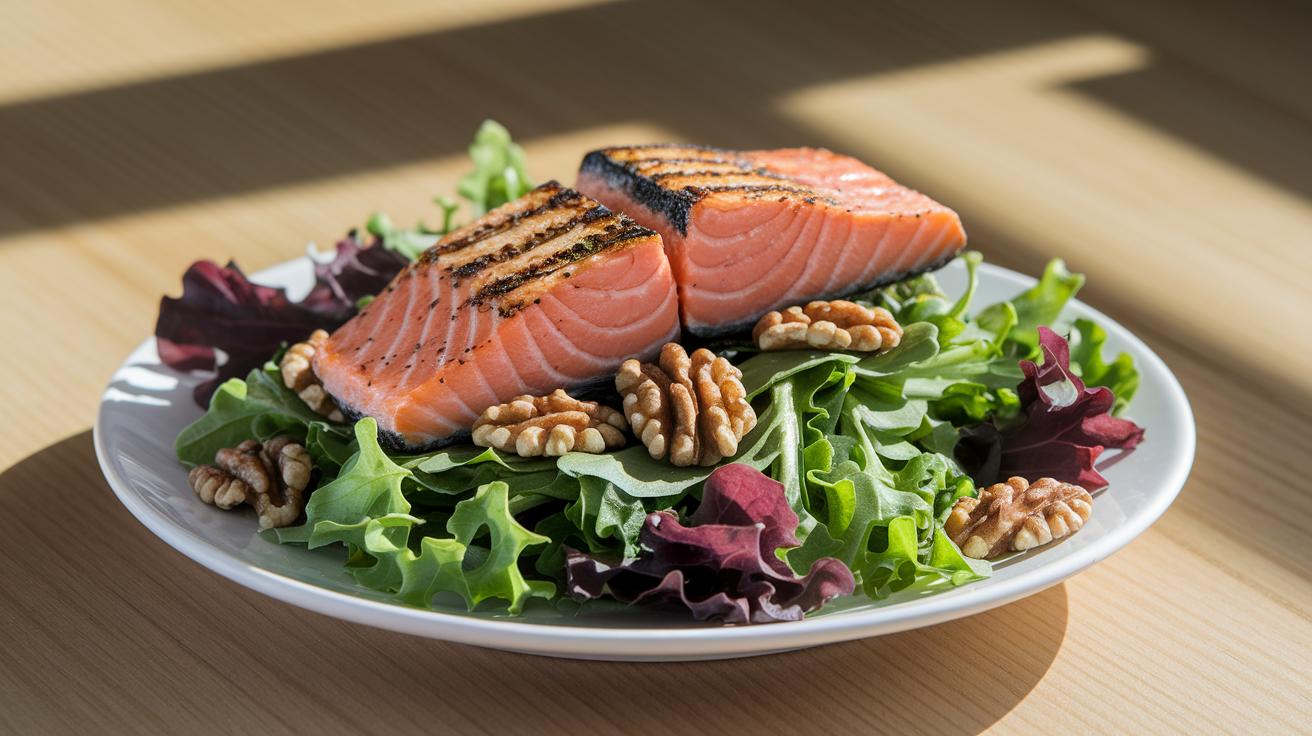
Eating well can really help ease stress tics. Try to include foods rich in magnesium, B vitamins, and omega-3 fatty acids (the healthy fats that support your body). Picture a meal with leafy greens, whole grains, nuts, and fish, each bite gently helping your body move more smoothly. For example, you could toss a handful of walnuts into your salad or enjoy a serving of salmon to give yourself a boost.
Good sleep is just as important. When you clock 7 to 9 hours of sleep each night and stick to a regular bedtime, your body gets the chance to repair and recharge. A steady sleep routine can lower stress and keep your nerves calm. Imagine settling in for the night: dimming the lights, putting your phone aside, and letting your mind unwind before drifting off.
Moving your body through exercise is another key part of managing stress tics. Moderate aerobic workouts, like a brisk 30-minute walk or a gentle bike ride, done about five times a week can help keep your movements in check. Exercise also supports the balance of chemicals like dopamine, which helps with motor control. You might even try a dance class or explore a new cycling route when you feel like mixing things up.
All of these simple lifestyle changes, healthy eating, regular sleep habits, and fun physical activity, can work together to ease stress tics. Little adjustments every day might just transform moments of tension into peaceful, controlled movement.
Final Words
In the action of exploring stress tics, we took a close look at what they are and why they happen. We broke down how stress can prompt sudden movements, how these tics differ for adults and children, and the role of our brain in managing them. By sharing simple routines like mindfulness, gentle exercise, and better sleep, we offered ways to ease these responses. Professional advice rounds out our guide, giving you various options to feel more in control. Remember, small changes can lead to a calmer, healthier outlook.
FAQ
What are anxiety tics and what are some examples?
The anxiety tics refer to involuntary physical or vocal actions triggered by anxiety, such as eye blinking or throat clearing. They indicate that your body is reacting in a brief, uncontrolled way to stress.
How do stress tics affect the neck?
The stress tics in the neck present as quick jerks or twitches caused by muscle tension, typically showing up during moments of high stress and making your neck muscles contract suddenly.
How do ADHD tics differ from anxiety tics?
The ADHD tics can share similarities with anxiety tics but often come with challenges in focusing. They may involve rapid, repetitive movements, especially when energy and attention fluctuate.
What distinguishes stress tics from Tourette’s?
The stress tics differ from Tourette’s because they mostly occur as a response to anxiety or tension, while Tourette’s is characterized by a persistent and broader range of motor and vocal tics that are less directly tied to stress.
What do tics often indicate about my health?
The tics often indicate that your body is experiencing heightened emotional tension or anxiety, which can affect muscle control. They can be a signal to manage stress more effectively or get a clinical review if they persist.
What does the sudden onset of tics in adults suggest?
The sudden onset of tics in adults suggests that increasing stress or unaddressed anxiety may be involved. It is a signal to evaluate your stress levels and consider talking to a healthcare provider if the tics continue.
Why do I experience tics when I’m stressed?
The stress tics occur when high stress hormones, like cortisol and adrenaline, disrupt your muscle control. These chemicals can lead to rapid, involuntary movements whenever you face a stressful situation.
What do stress tics usually look like?
The stress tics typically show up as fast, repetitive muscle spasms, twitches, or jerks, which can be seen in places like your face, neck, or shoulders during periods of high stress.
How can I naturally calm down stress tics?
The natural ways to calm stress tics include using deep breathing, muscle relaxation, and mindfulness exercises. These practices help reduce stress hormone levels and lower the frequency of involuntary movements.